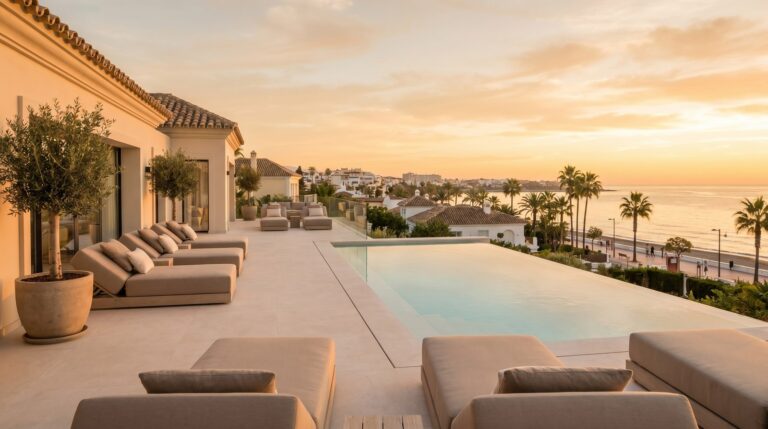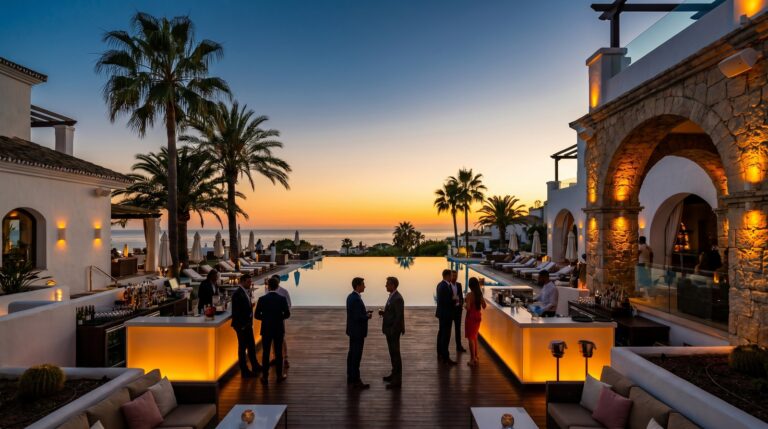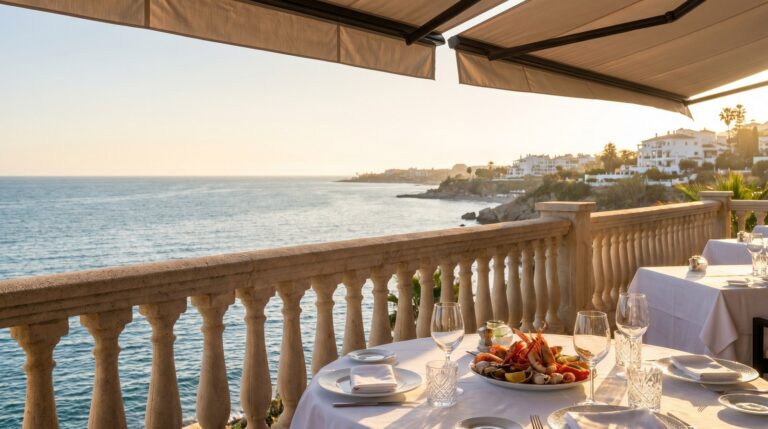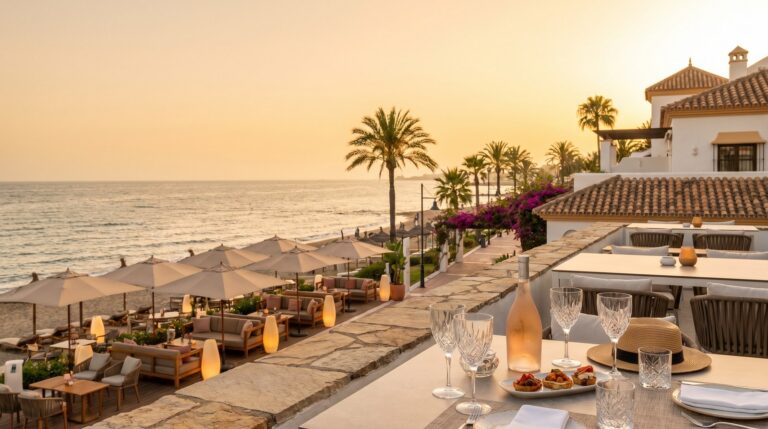
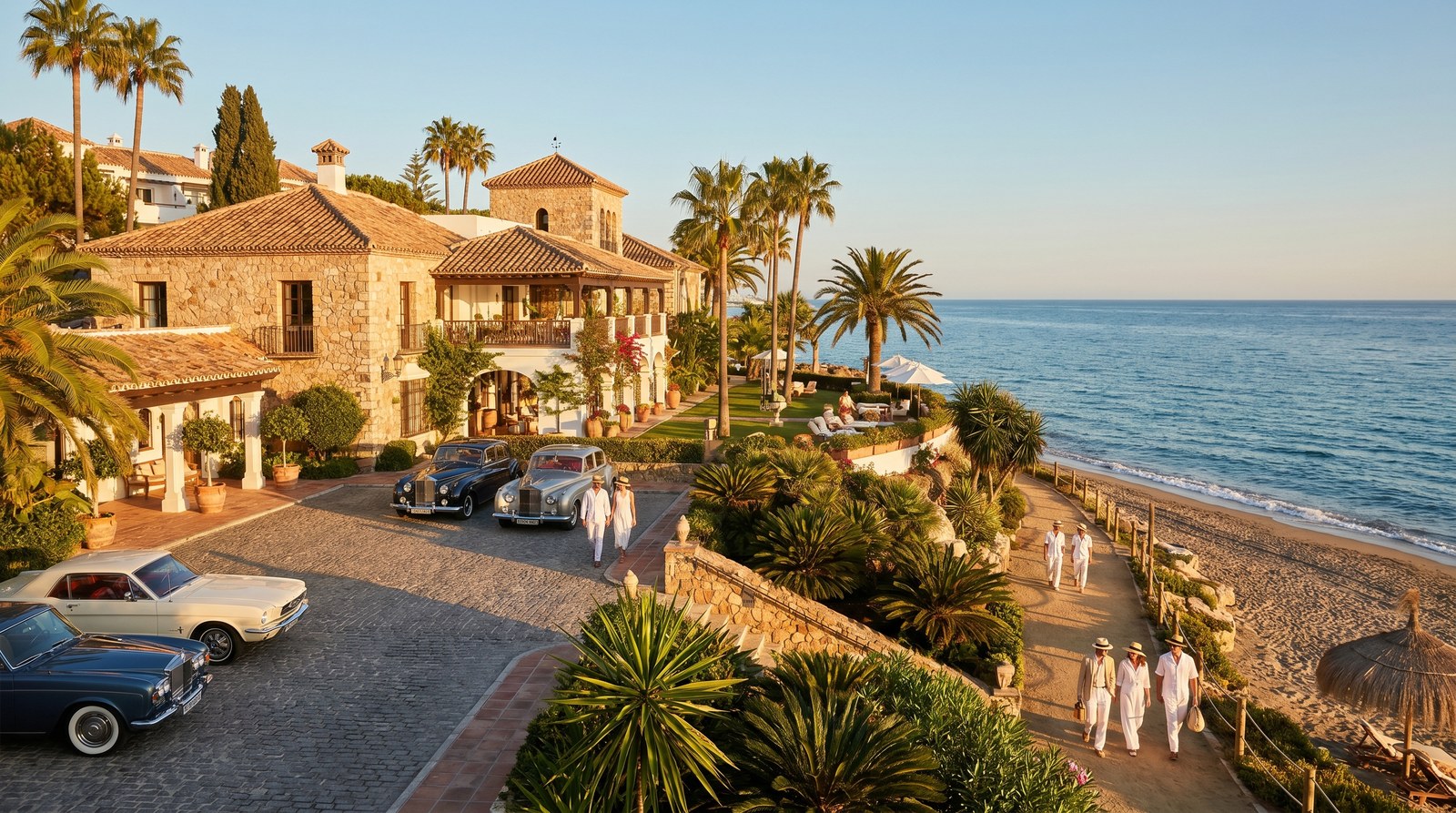
Few hotels in Europe can claim to have shaped an entire destination’s identity, but the Marbella Club Hotel stands as the singular institution that transformed a quiet Andalusian fishing village into the Mediterranean’s most glamorous resort town. Since 1954, this legendary property on the Golden Mile has hosted royalty, Hollywood icons, and international jet-setters, establishing the blueprint for luxury hospitality that defines Marbella today.
Understanding the hotel’s history offers essential context for anyone seeking the authentic Marbella experience—the kind of insider knowledge that separates genuine luxury from surface-level glamour.
Prince Alfonso von Hohenlohe’s Visionary Beginning
The story begins with Prince Alfonso von Hohenlohe-Langenburg, a German-Spanish aristocrat with impeccable social connections and an entrepreneur’s instinct. In 1947, while traveling through southern Spain, the prince discovered a stretch of undeveloped coastline between Málaga and Gibraltar that possessed extraordinary natural beauty but lacked any tourist infrastructure.
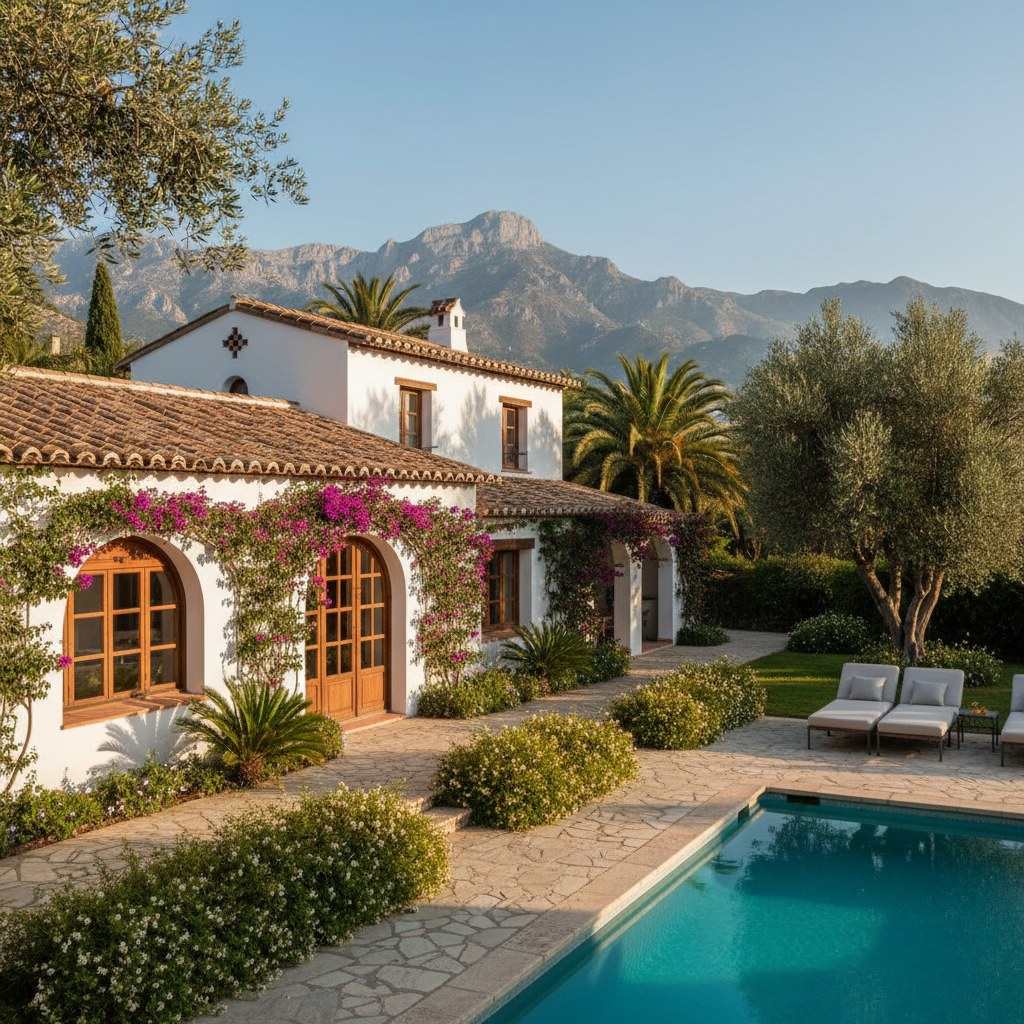
What started as a personal retreat—a small finca where Prince Alfonso could host friends—evolved into something far more ambitious. By 1954, he had transformed the property into the Marbella Club, a boutique hotel conceived as an exclusive private club rather than a commercial operation. The original structure featured just 20 rooms arranged in Andalusian-style bungalows scattered across lush subtropical gardens.
Insider insight: Prince Alfonso deliberately avoided the grand hotel format popular at the time, instead creating an intimate village atmosphere where guests felt like houseguests at an aristocratic estate rather than hotel patrons.
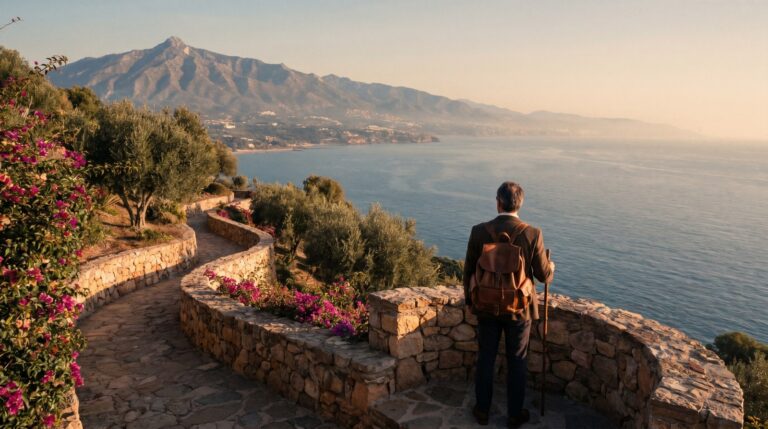
The location itself—what would later become known as the Golden Mile, the prestigious stretch between Marbella town and Puerto Banús—was strategic. The property sat directly on the beach with the Sierra Blanca mountains as a dramatic backdrop, offering both Mediterranean access and protection from northern winds.
The Golden Decades: 1960s and 1970s
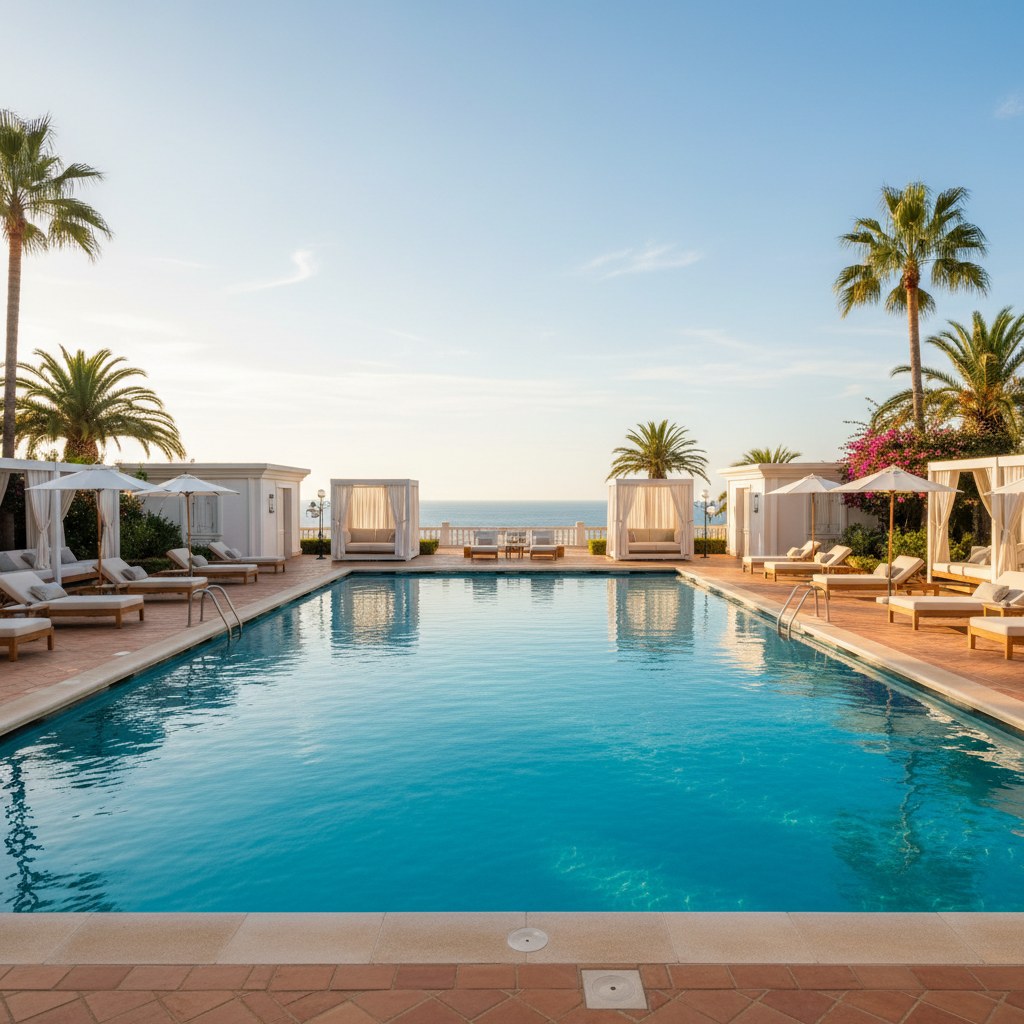
The 1960s marked the hotel’s ascent to international legend. Prince Alfonso’s personal network—spanning European royalty, Hollywood aristocracy, and international business elite—became the hotel’s first guests and most effective ambassadors. Audrey Hepburn, Cary Grant, Aristotle Onassis, the Aga Khan, and countless crowned heads made the Marbella Club their preferred Mediterranean destination.
During this era, the hotel pioneered several concepts that seem standard today but were revolutionary at the time:
- Casual elegance: No formal dress codes or rigid dining schedules—guests could dine barefoot on the beach or in evening attire
- Architectural integration: Low-rise buildings that harmonized with the landscape rather than dominating it
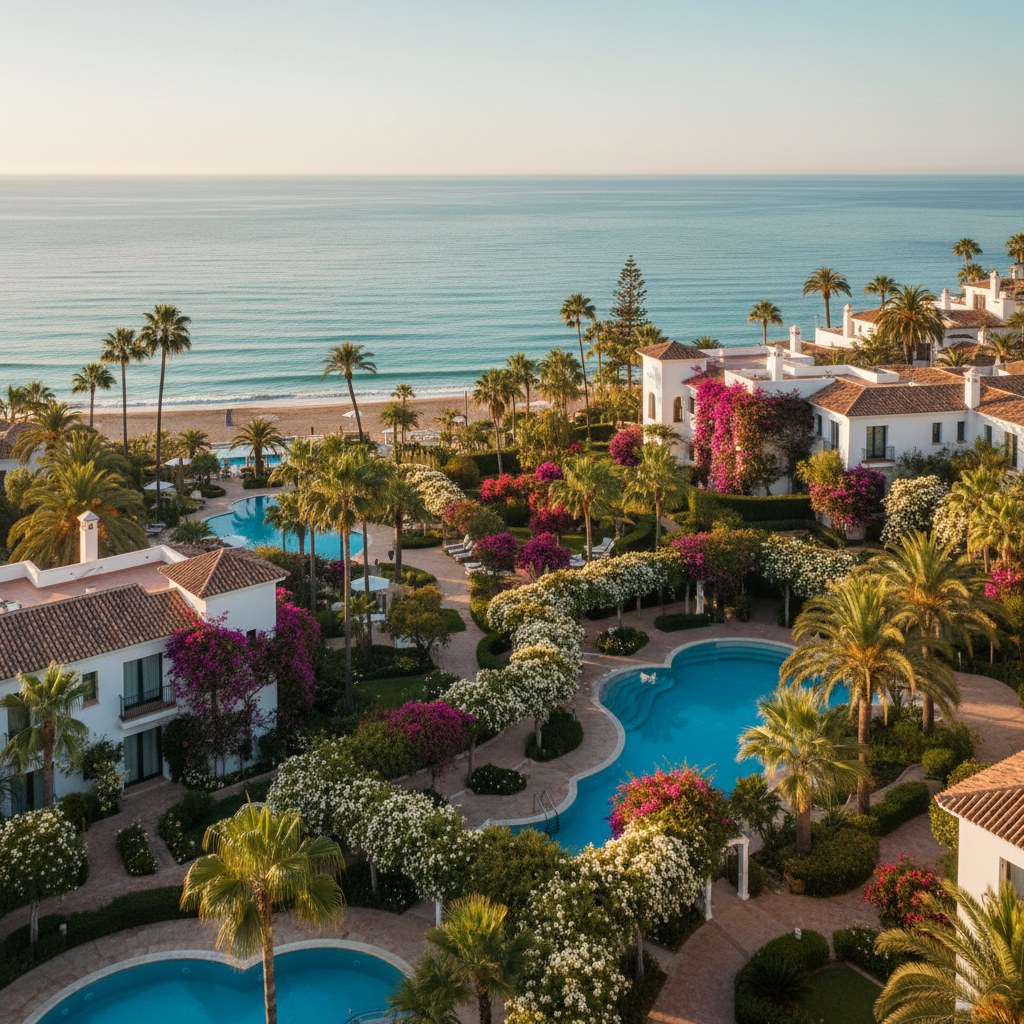
- Garden intimacy: Lush botanical gardens creating private spaces within a shared resort environment
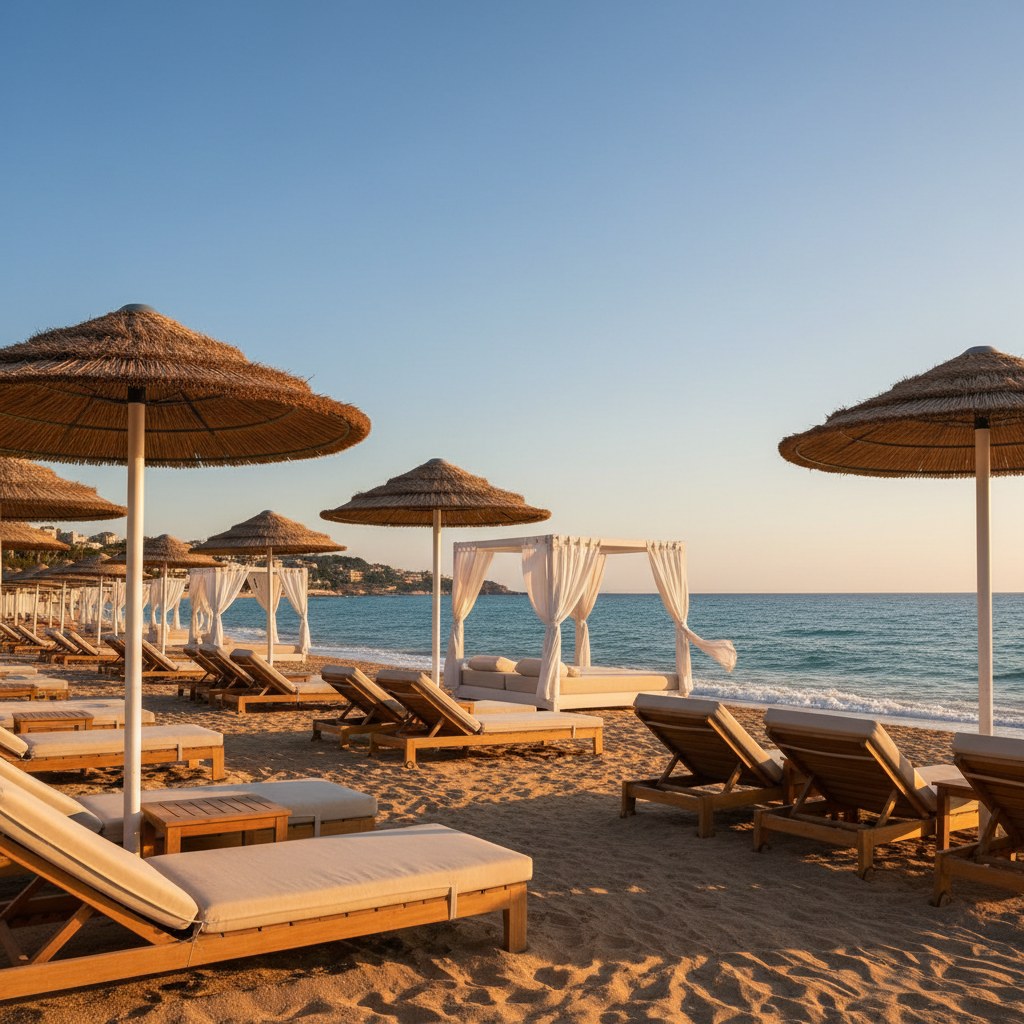
- Beach club culture: The hotel’s beach club became the template for the now-ubiquitous Marbella beach club scene
The 1970s saw Marbella rival Saint-Tropez and the French Riviera as Europe’s most fashionable summer destination, with the Marbella Club as its epicenter. The hotel’s guest list during these years read like a who’s who of global influence—from Gunter Sachs and Brigitte Bardot to the Rothschild family and various European royal houses.
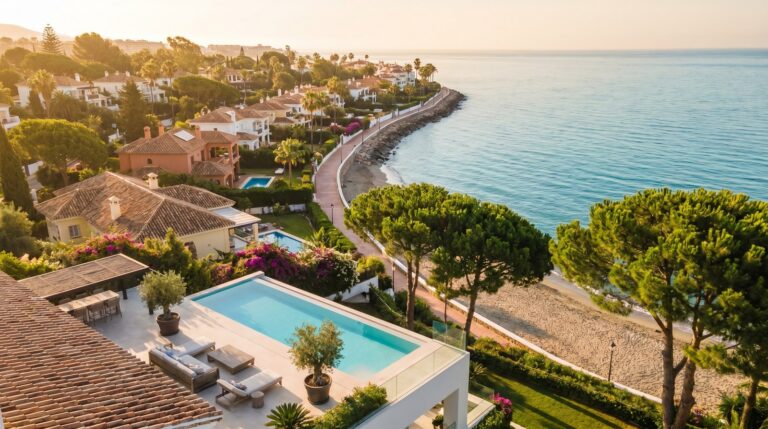
This period also established Marbella’s reputation for discretion. Unlike the paparazzi circus of Cannes or Monaco, the Marbella Club offered privacy alongside prestige—a combination that remains central to the town’s appeal. For those seeking similar exclusivity today, luxury villa rentals on the Golden Mile continue this tradition of private elegance.
Architectural Evolution and Expansion
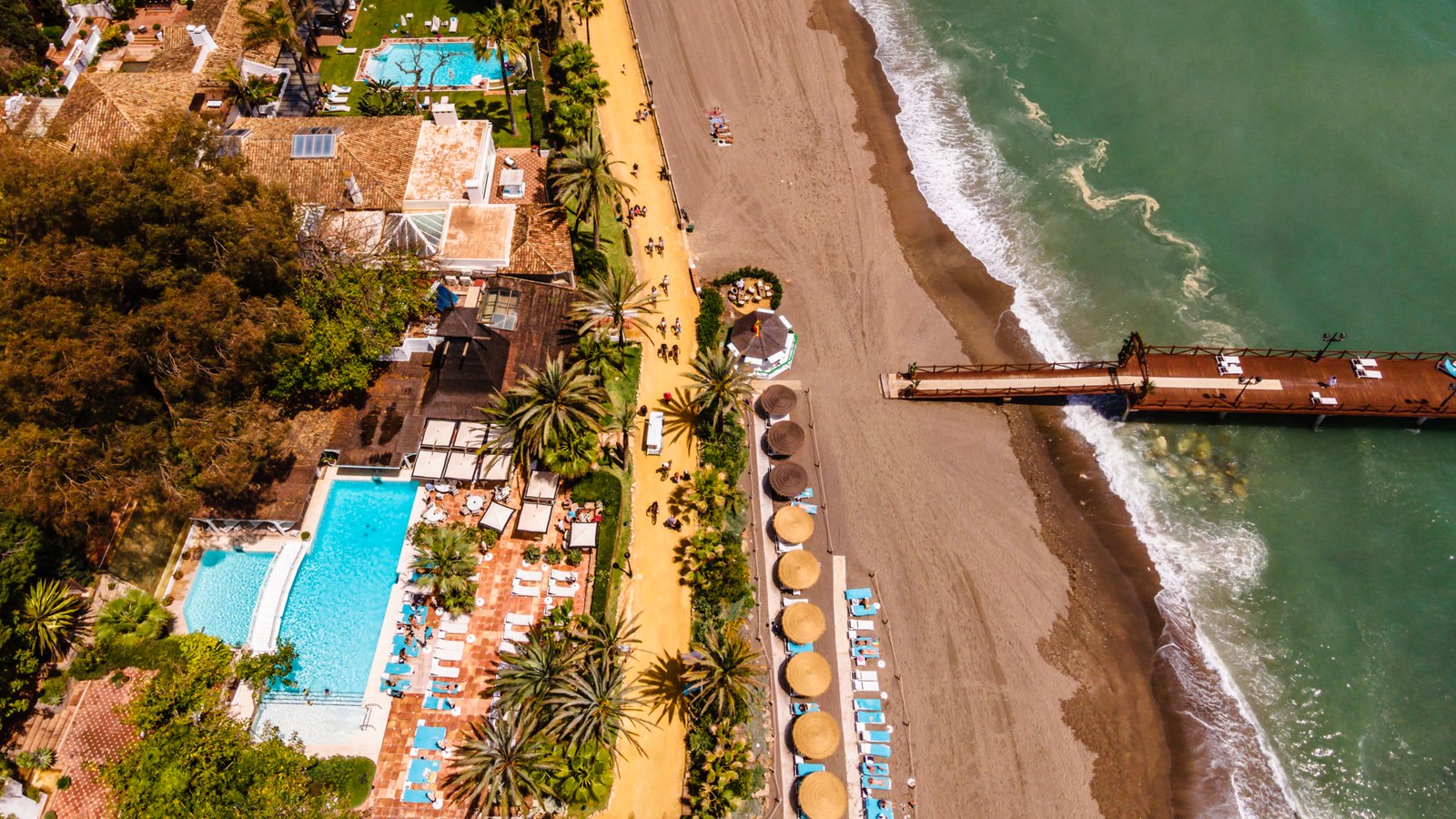
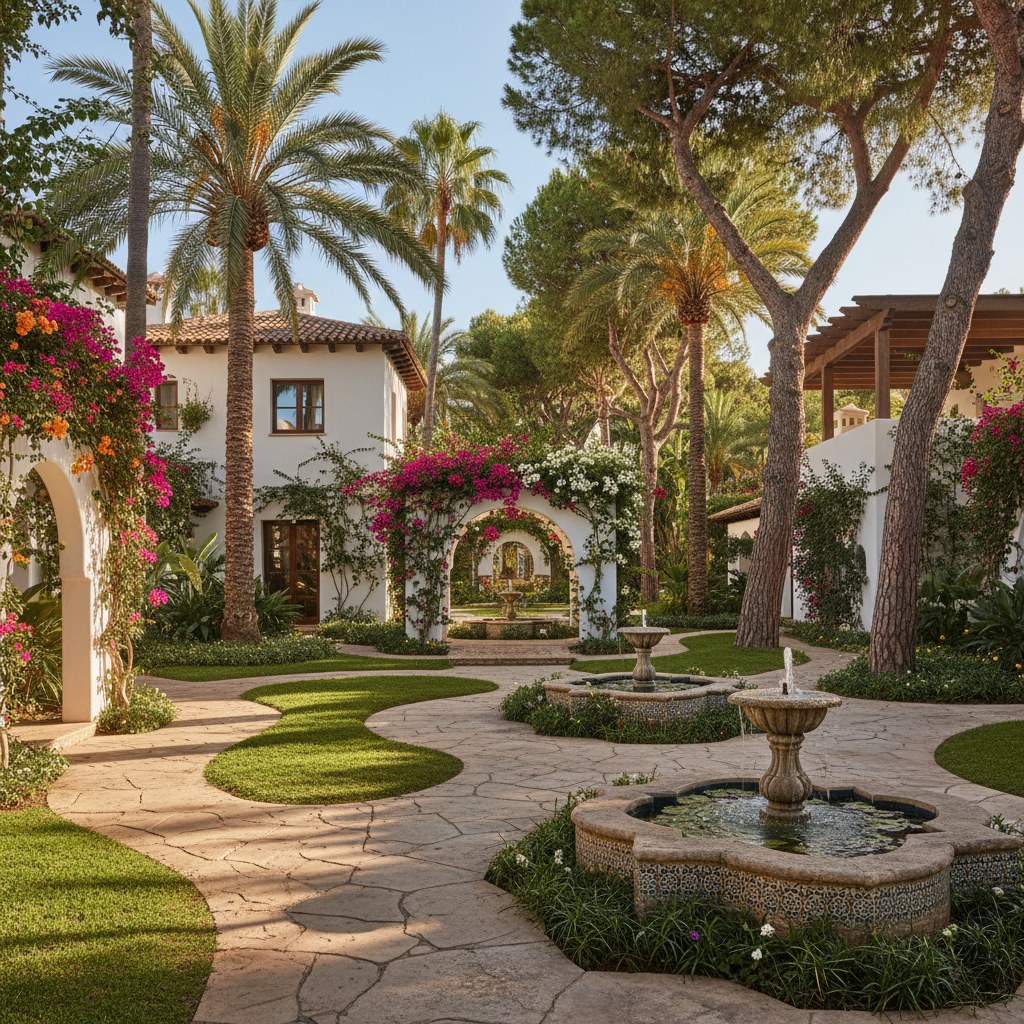
While maintaining its intimate character, the Marbella Club Hotel has expanded thoughtfully over seven decades. The original 20 rooms have grown to approximately 130 rooms and suites, yet the property still feels remarkably personal thanks to its village-style layout.
Key architectural additions include:
- The main hotel building (1960s): Added traditional rooms while maintaining the low-rise Andalusian aesthetic
- Deluxe bungalows and suites (1970s-1980s): Private accommodations scattered throughout the gardens, some with personal pools
- The Thalasso Spa (1990s): A comprehensive wellness facility incorporating seawater therapy
- Golf course integration (1990s): Partnership with nearby courses creating a golf resort dimension
- Contemporary renovations (2000s-present): Modernization of facilities while preserving original character
The hotel’s design philosophy—attributed to architect Melvin Villarroel working under Prince Alfonso’s direction—emphasized natural materials, whitewashed walls, terracotta tiles, and extensive use of indigenous plants. This aesthetic became the “Marbella style” that influenced resort architecture across the Costa del Sol and beyond.
Culinary Legacy and Current Dining
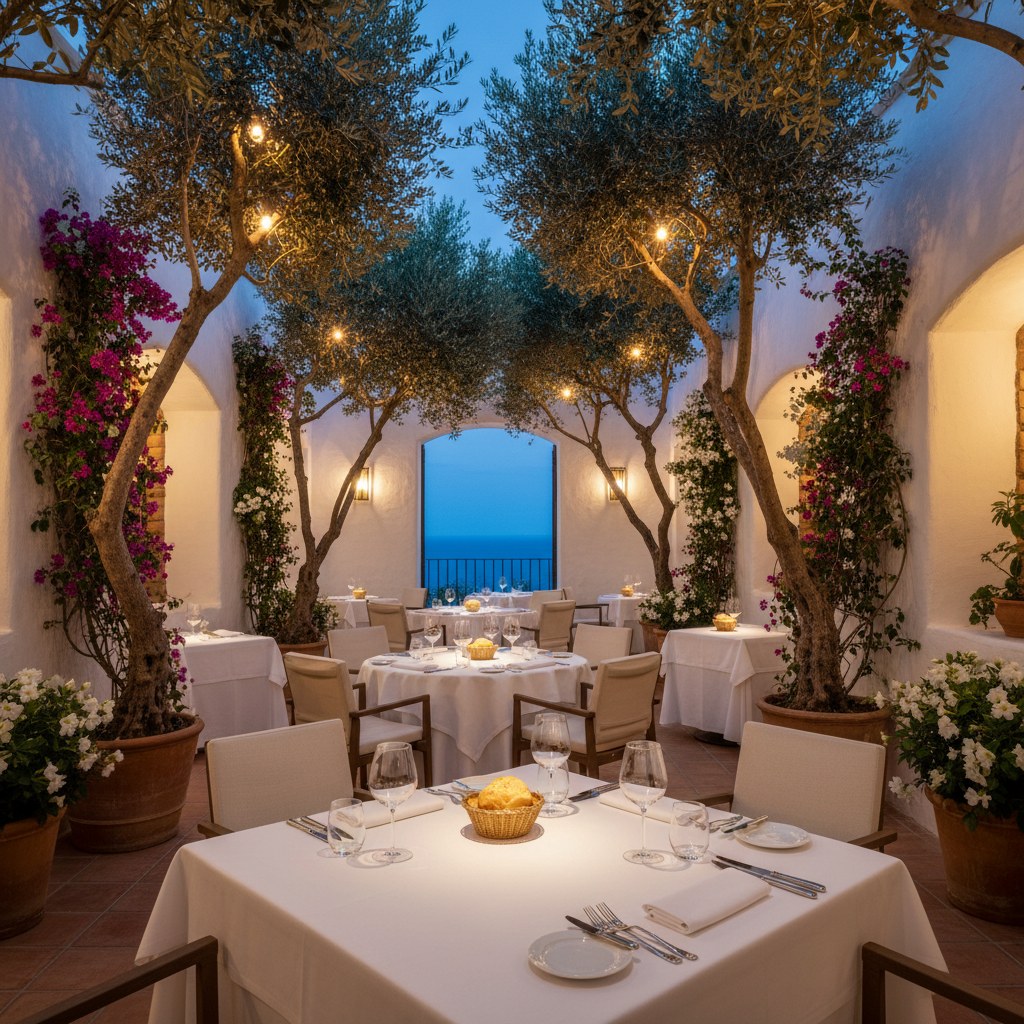
The Marbella Club Hotel has long been a gastronomic destination in its own right. The property currently operates several distinct dining concepts, each with its own character and following.
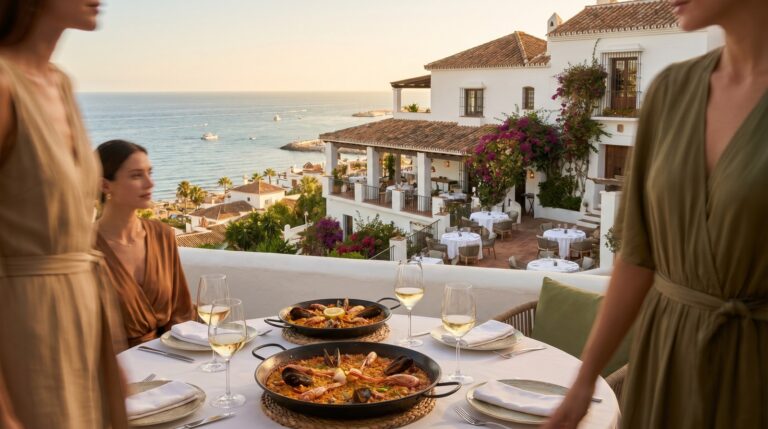
El Patio serves as the hotel’s signature restaurant, offering refined Mediterranean cuisine in an elegant courtyard setting surrounded by centuries-old trees and flowering vines. The menu emphasizes Andalusian ingredients prepared with contemporary techniques—local fish from Málaga markets, vegetables from nearby Coín valley farms, and olive oil from estate groves.
The Grill focuses on premium meats and seafood cooked over open flames, embodying the Spanish tradition of a la brasa cooking. The restaurant’s wine cellar features an exceptional collection of Spanish and international vintages, with particular strength in Ribera del Duero and Rioja selections.
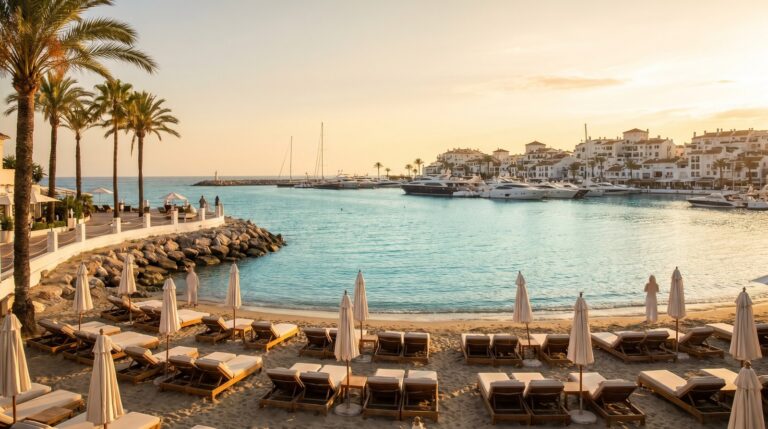
MC Beach, the hotel’s beachfront venue, represents the evolution of the original beach club concept Prince Alfonso pioneered. Here, guests enjoy fresh Mediterranean fare with their feet in the sand, continuing a tradition that dates back to the hotel’s earliest days. The setting rivals the best VIP beach club experiences Marbella offers.
Local knowledge: Rudi’s Bar, named after Count Rudolf von Schönburg (a long-time hotel resident and social fixture), serves as the hotel’s elegant cocktail venue and remains a favorite gathering spot for Marbella’s international community.
The Modern Era: Preserving Heritage While Embracing Change
Following Prince Alfonso’s death in 2003, the Marbella Club Hotel faced the challenge all legacy institutions encounter: honoring tradition while remaining relevant to contemporary luxury travelers. The property has navigated this transition with notable success.
In 2014, the hotel celebrated its 60th anniversary with renovations that modernized amenities—enhanced Wi-Fi, updated bathrooms, contemporary climate control—without compromising the property’s essential character. Original architectural details were preserved, gardens were restored to their historical layouts, and the overall atmosphere remained faithful to Prince Alfonso’s original vision.
The hotel has also adapted to changing travel patterns. While it still attracts multi-week stays from European families (particularly during July and August), it now also serves shorter breaks for international travelers and has become a sought-after venue for intimate destination weddings and corporate retreats.
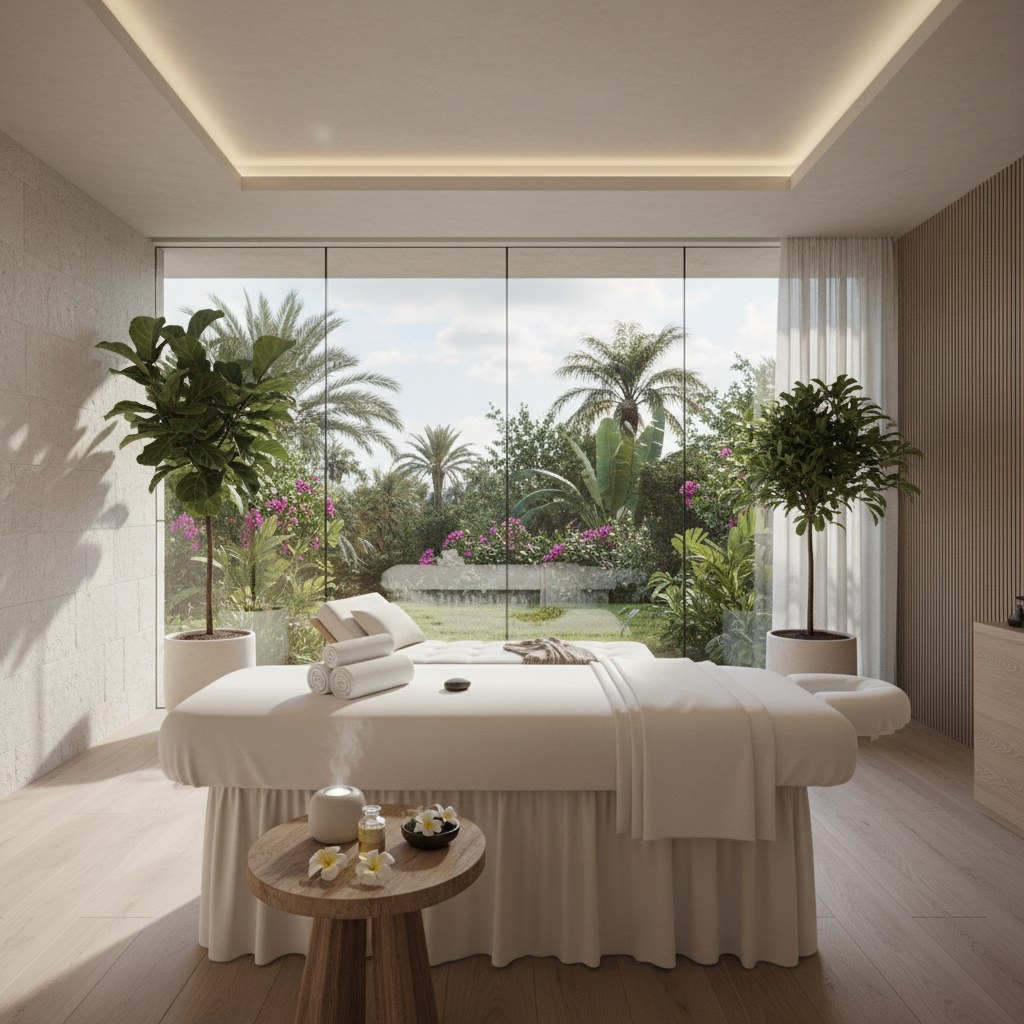
The Thalasso Spa represents the hotel’s evolution toward wellness tourism, offering seawater-based treatments alongside traditional massage and beauty services. The spa’s approach—emphasizing natural therapies and Mediterranean wellness traditions—aligns with the hotel’s overall philosophy of understated luxury.
For guests seeking similar levels of service in a private setting, concierge services can arrange luxury villa stays with dedicated staff and spa treatments throughout the Golden Mile area.
Cultural Impact and Marbella’s Development
The Marbella Club Hotel’s influence extends far beyond its property boundaries. The hotel essentially created modern Marbella, establishing the town as a luxury destination and setting standards that shaped subsequent development.
Prince Alfonso’s vision of low-density, garden-integrated architecture influenced the entire Golden Mile, which remains Marbella’s most prestigious address. The emphasis on discretion and quality over ostentation established a tone that distinguishes Marbella from flashier Mediterranean resorts.
The hotel also pioneered Marbella’s international character. By attracting guests from across Europe, the Americas, and the Middle East, the Marbella Club made cosmopolitanism central to the town’s identity. Today’s Marbella—with its international schools, multilingual services, and globally-minded business community—traces directly to the hotel’s early influence.
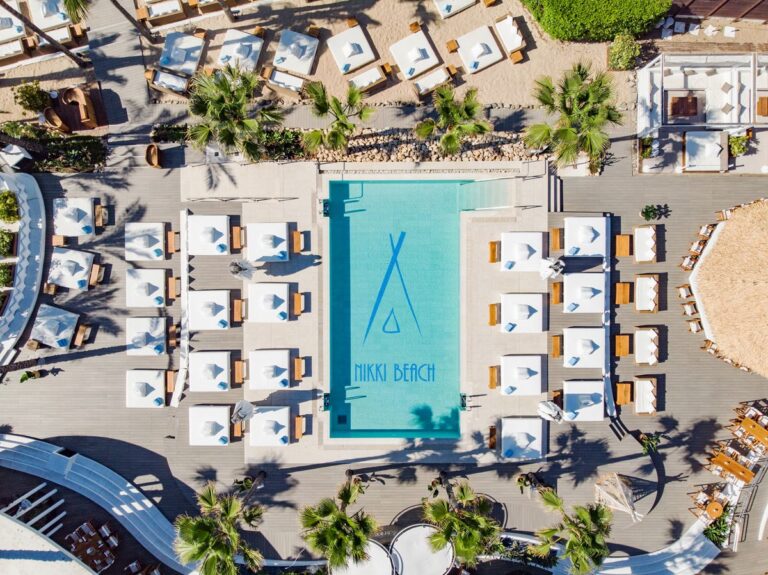
The property’s success inspired a wave of luxury hotel development along the coast, including the nearby Puente Romano Beach Resort (founded by Prince Alfonso in 1979) and numerous boutique properties. It also established the beach club model that now defines Marbella’s summer social scene, from Nikki Beach to Ocean Club.
For those exploring Marbella’s broader luxury landscape, our news and insights section provides current information on the town’s evolving hospitality scene.
The Hotel Today: A Living Legacy
In 2024, the Marbella Club Hotel operates as a five-star resort under the Leading Hotels of the World affiliation, maintaining its position among Europe’s most distinguished properties. The hotel balances its heritage status with contemporary expectations, offering modern luxury within a historically significant setting.
Current facilities include:
- Accommodations: Approximately 130 rooms, suites, and bungalows ranging from classic doubles to multi-bedroom villas
- Dining: Four distinct restaurants and bars, each with seasonal menus emphasizing local ingredients
- Beach club: Private beach access with full service, water sports, and beachfront dining
- Spa and wellness: Comprehensive Thalasso Spa with seawater treatments, massage, and fitness facilities
- Gardens: Over 40,000 square meters of subtropical gardens featuring palm trees, Mediterranean pines, and flowering plants
- Event spaces: Multiple venues for weddings, conferences, and private events
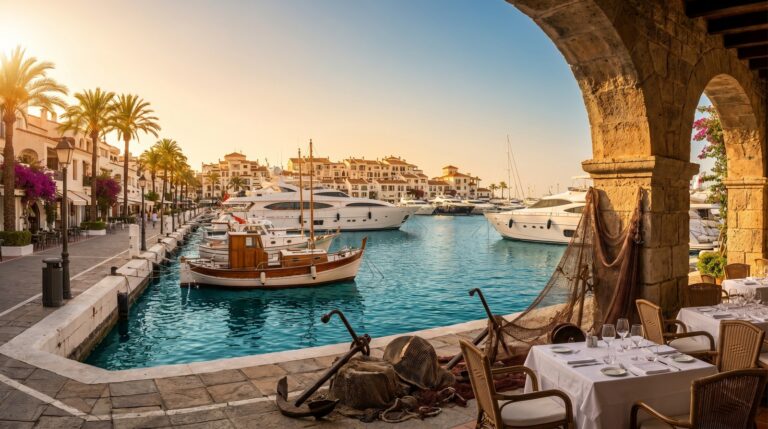
The hotel’s location on the Golden Mile remains ideal—just 5 kilometers from Marbella’s historic casco antiguo (old town) and 7 kilometers from Puerto Banús marina, offering easy access to both traditional Andalusian culture and contemporary luxury amenities. Guests seeking to explore the coast by water can arrange yacht charters from nearby marinas.
Seasonal patterns at the hotel reflect broader Marbella trends. Peak season runs from June through September, with particularly high occupancy in July and August when European families take extended holidays. Spring (April-May) and autumn (September-October) offer excellent weather with fewer crowds, while winter months attract golf enthusiasts and those seeking mild Mediterranean climate when northern Europe turns cold.
Why Book Through Marbella Hospitality
Whether you’re planning a stay at the iconic Marbella Club Hotel or exploring alternative luxury accommodations on the Golden Mile, working with experienced local specialists ensures you receive the full benefit of Marbella’s hospitality heritage. Our dedicated team provides:
- Exclusive access: Priority bookings at Marbella’s most sought-after hotels, restaurants, and venues with preferential rates and room categories
- Personalized service: Tailored recommendations based on your specific preferences, from historic properties to contemporary resorts
- Complete arrangements: Comprehensive planning including accommodations, dining reservations, transportation, and activities—all coordinated seamlessly
- Local expertise: Insider knowledge of Marbella’s hospitality landscape, seasonal patterns, and hidden gems that only local specialists possess
Planning Your Marbella Club Experience
The Marbella Club Hotel represents more than luxury accommodation—it offers immersion in seven decades of Mediterranean hospitality tradition. Whether you’re drawn by the property’s storied history, its architectural elegance, its culinary offerings, or simply its position as Marbella’s most iconic address, the hotel delivers an experience that connects past glamour with present-day sophistication.
For those considering a Marbella visit, the hotel serves as an excellent base for exploring the wider region. The Golden Mile location provides convenient access to Marbella’s historic center, the boutiques and nightlife of Puerto Banús, championship golf courses throughout the area, and the natural beauty of the Sierra Blanca mountains.
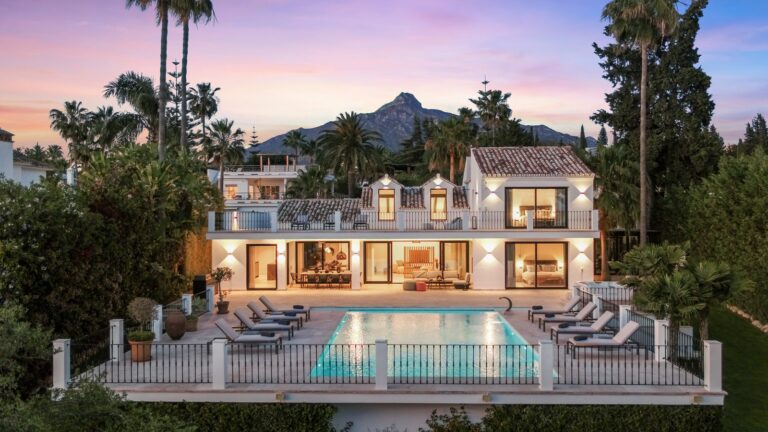
Alternative accommodation options that capture similar elegance include luxury villas on the Golden Mile, many of which were designed in the architectural style the Marbella Club pioneered. These private estates offer the same garden-integrated aesthetic with additional privacy and space, ideal for families or groups seeking a more residential experience.
Ready to experience the legendary hospitality that defined a destination? Contact our concierge team to arrange your Marbella stay, whether at the historic Marbella Club Hotel or in a private Golden Mile villa with comparable elegance and service. We’ll ensure every detail reflects the standard of excellence Prince Alfonso von Hohenlohe established seventy years ago.