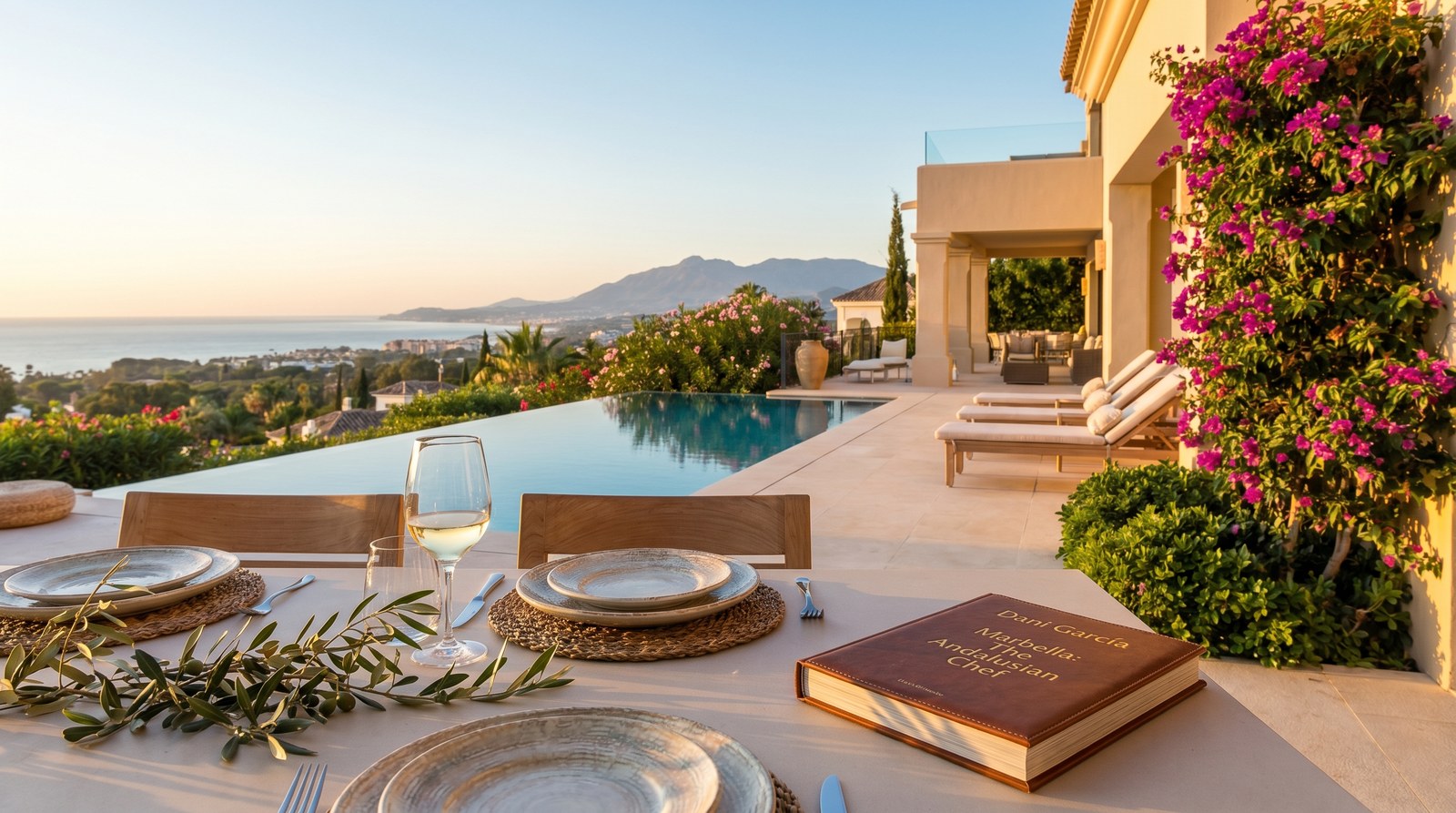
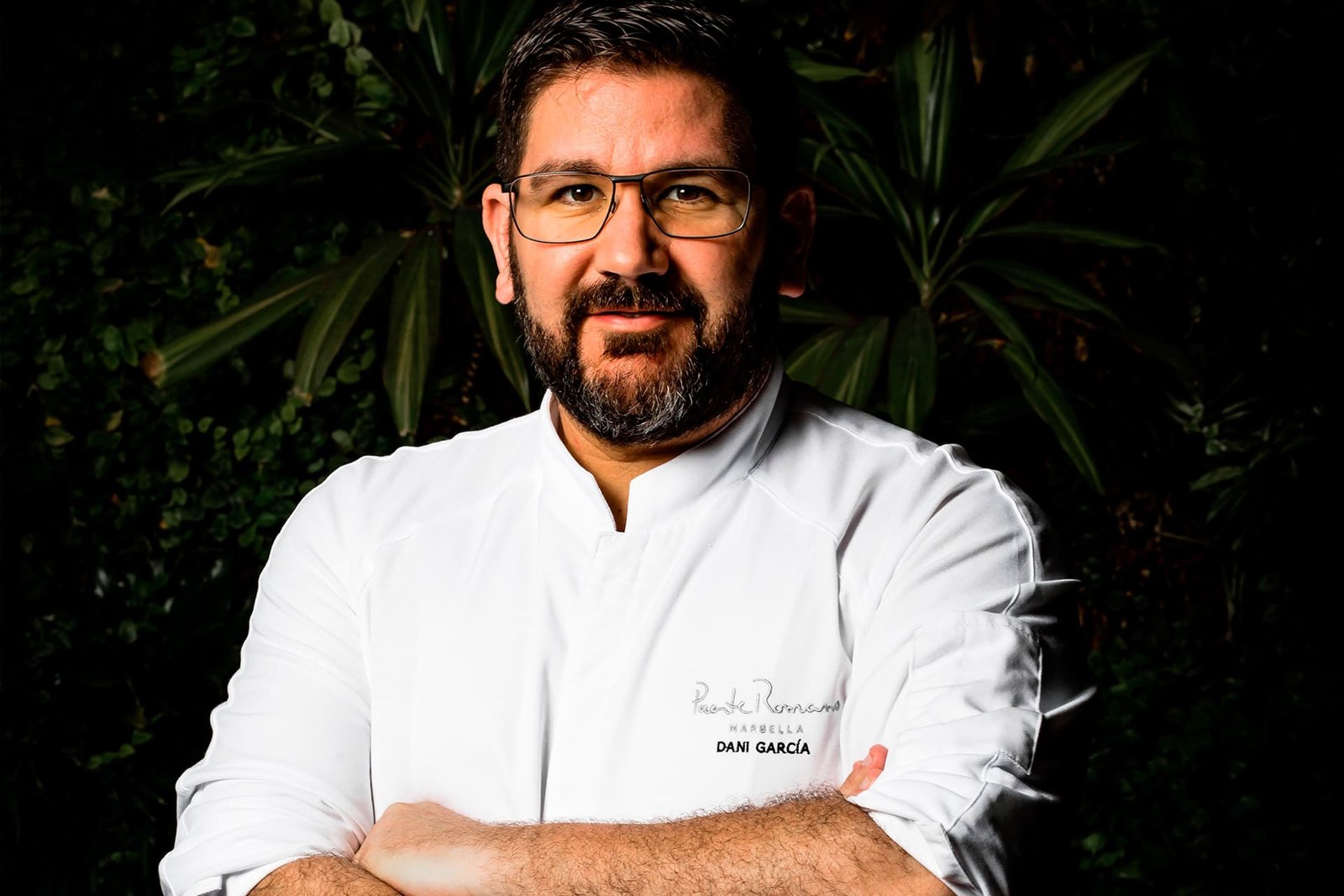
Dani García is Marbella’s most celebrated culinary export — a chef who transformed Andalusian ingredients into global gastronomic theatre, earned three Michelin stars, then walked away to democratise Spanish cuisine. Born in the resort town in 1975, García has built an empire that stretches from Madrid to Miami, but his deepest roots remain in the Costa del Sol, where several of his most compelling concepts now anchor Marbella’s fine-dining scene.
Understanding García’s journey — from teenage line cook to world-renowned innovator — offers insight into why his Marbella restaurants deliver experiences that feel both locally grounded and internationally sophisticated. Whether you’re booking a table at one of the city’s best restaurants or planning a broader culinary tour of the Costa del Sol, García’s venues deserve priority consideration.
From Marbella Roots to Global Recognition

García began his professional training at seventeen, working in local kitchens along the Golden Mile before moving to study under masters across Spain and France. His formative years coincided with the molecular gastronomy revolution, and he absorbed techniques from Ferran Adrià’s elBulli while maintaining reverence for Andalusian tradition — olive oil, tomatoes, almonds, seafood pulled from Mediterranean waters.
By the early 2000s, García had returned to the region and taken over Tragabuches in Ronda, a mountain town forty minutes inland from Marbella. There, he began earning Michelin recognition for dishes that married avant-garde presentation with the robust flavours of Andalusia. His signature style emerged: technical precision applied to humble ingredients, transforming gazpacho into foam, ibérico ham into translucent wafers, and local prawns into multi-textured compositions.
Insider perspective: García’s philosophy centres on “cooking from memory” — recreating the tastes of his Marbella childhood through modern technique, a approach that resonates deeply with both local diners and international guests seeking authentic regional expression.
The Three-Star Achievement and Bold Departure
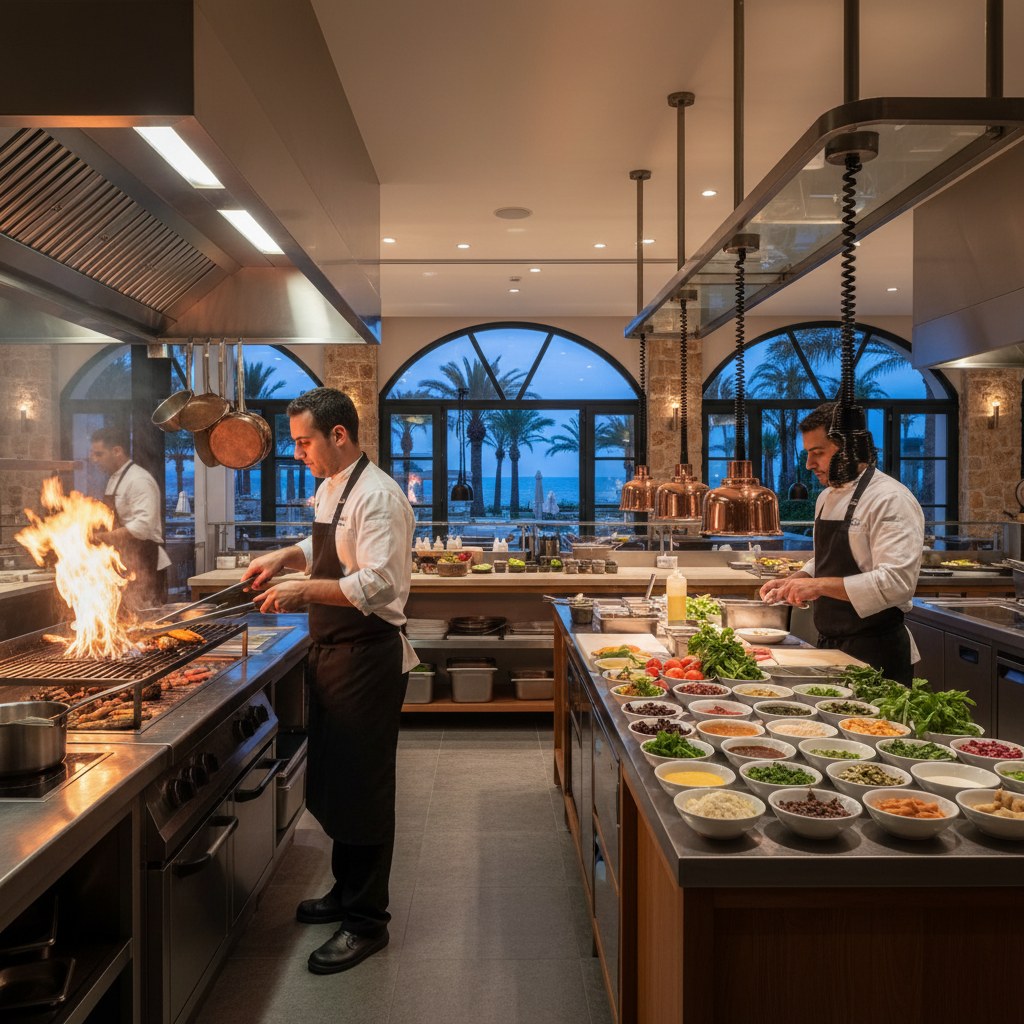
In 2018, García’s eponymous restaurant in Marbella — located within the Puente Romano Beach Resort — was awarded three Michelin stars, the highest accolade in European gastronomy. The tasting menu showcased two decades of refinement: dishes like his famed “Nitro Salmorejo” and deconstructed tortilla española that required twelve-hour preparations and surgical plating.
Then, in a move that shocked the culinary world, García announced he would close the three-star restaurant just three weeks after receiving the honour. His reasoning was unorthodox but consistent with his vision: fine dining had become too rarefied, too expensive, too removed from the everyday pleasure of eating well. He wanted to reach more people, to make Spanish cuisine accessible without sacrificing quality or creativity.
This decision freed García to expand globally while reimagining what a chef-driven restaurant could be — less temple, more gathering place. His subsequent concepts reflect this philosophy, offering high-quality ingredients and skilled technique in settings designed for enjoyment rather than reverence.
Smoked Room Madrid: A Rare Debut
Before closing his Marbella flagship, García had already launched Smoked Room in Madrid’s Hyatt Regency Hesperia. When the Michelin Guide awarded it two stars upon debut in 2021 — the first Spanish restaurant to achieve that feat since 1936 — it validated García’s ability to operate at the highest level across multiple cities.
Smoked Room’s concept revolves around smoke and fire as culinary tools, with dishes prepared over Japanese binchotan charcoal and finished with aromatic wood smoke. The menu changes seasonally but consistently demonstrates García’s command of texture, temperature, and umami depth — qualities he now brings to his more casual Marbella venues in adapted form.
Dani García’s Marbella Restaurant Portfolio
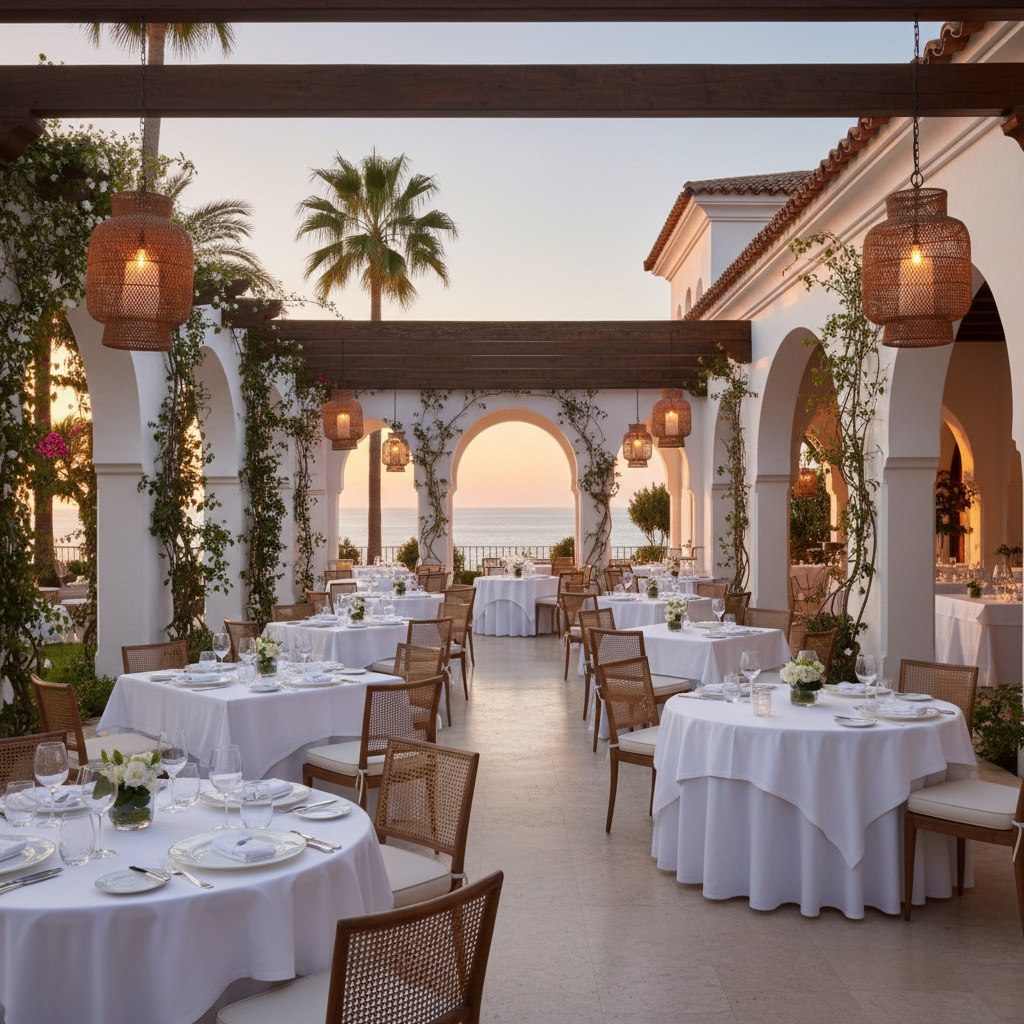
García currently operates four distinct concepts in and around Marbella, each targeting different occasions and price points while maintaining his exacting standards for ingredient quality and kitchen execution. Securing reservations at these venues, particularly during high season (June through September), often requires advance booking and local knowledge of optimal timing.
LEÑA: Fire-Grilled Andalusian Flavours

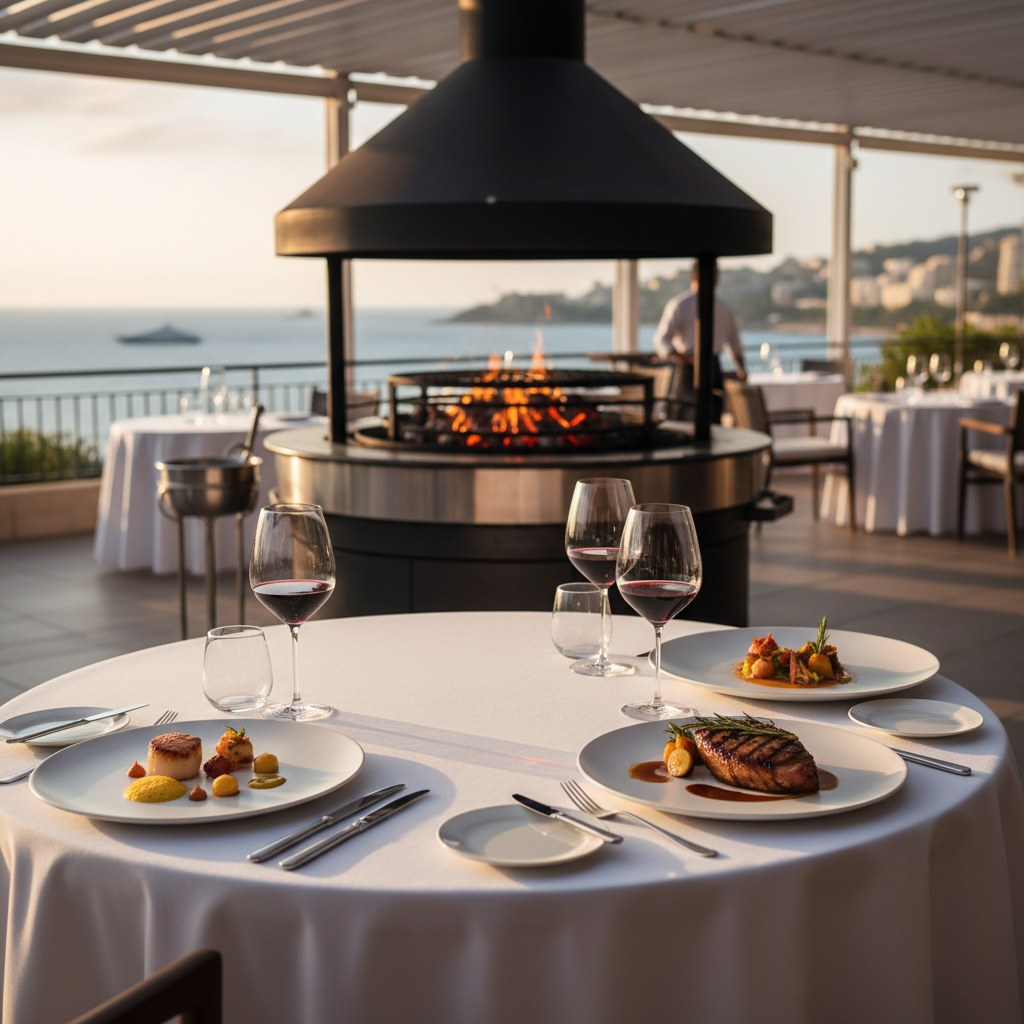
LEÑA, housed within Puente Romano Beach Resort on the Golden Mile, represents García’s most successful translation of fine-dining technique into a relaxed, shareable format. The name means “firewood” in Spanish, and the restaurant’s centerpiece is a custom-built charcoal grill where premium cuts — Galician beef, Iberian pork, local fish — are cooked over smouldering oak.
- Signature dishes: The “Steak Tartar LEÑA” with smoked bone marrow, wood-fired octopus with potato foam, and the theatrical “Burnt Cheesecake” finished tableside
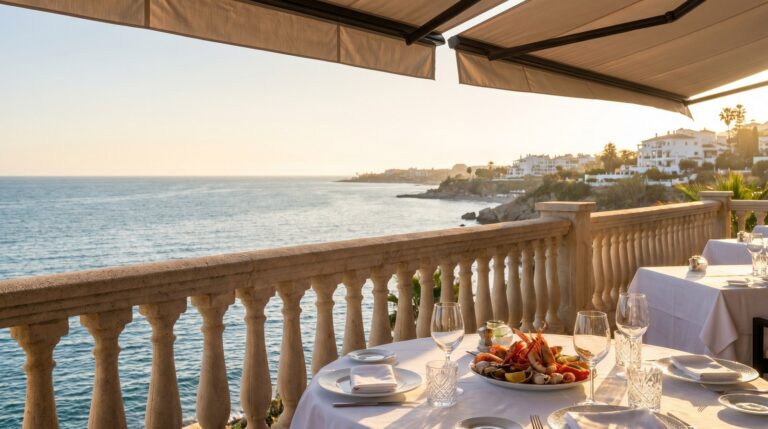
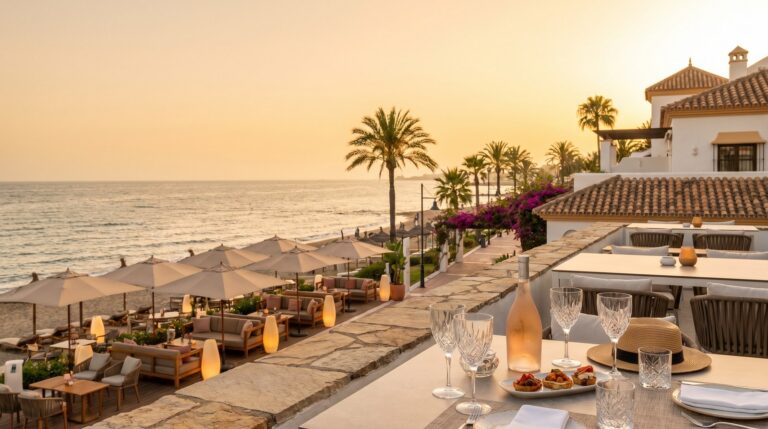
- Setting: Open-air terrace with views toward the Mediterranean, modern Andalusian décor mixing whitewashed walls with terracotta accents
- Price point: Mains range €28-€65, with tasting menu options available
- Best for: Groups seeking a lively atmosphere and exceptional grilled proteins
LEÑA attracts a fashionable crowd — expect to see well-dressed international visitors alongside Marbella regulars. The restaurant’s popularity means walk-ins are rarely accommodated during peak periods.
Lobito de Mar: Coastal Seafood Simplicity
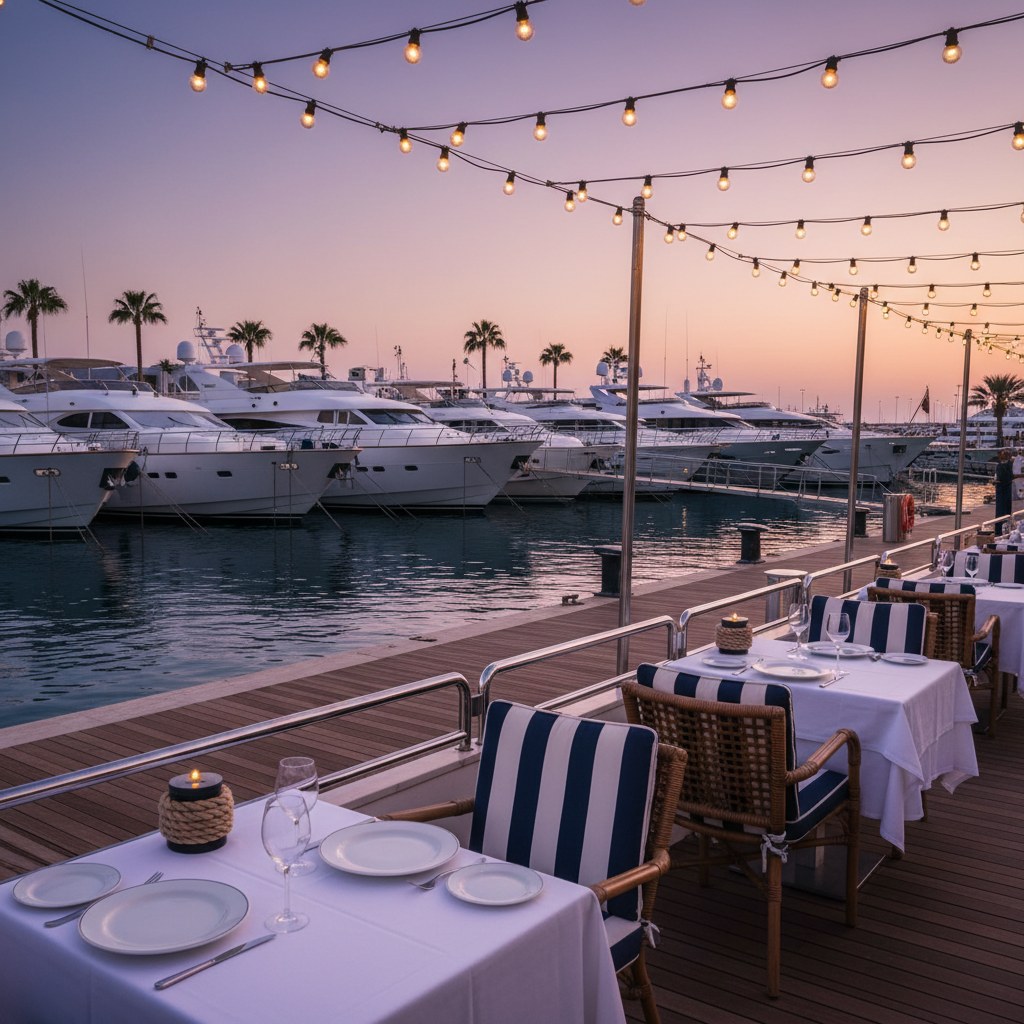
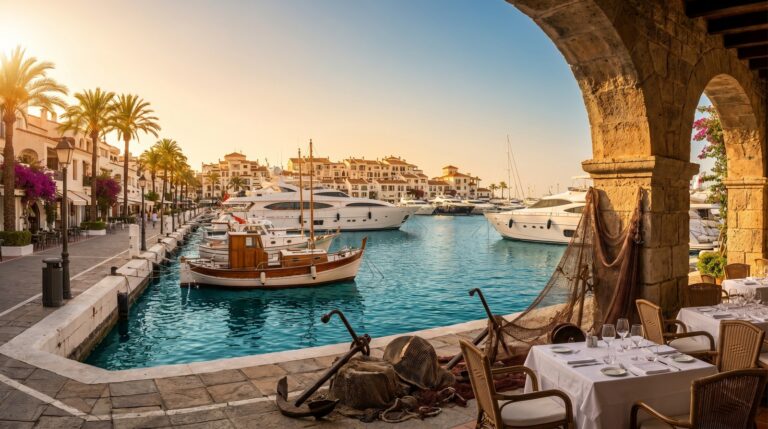
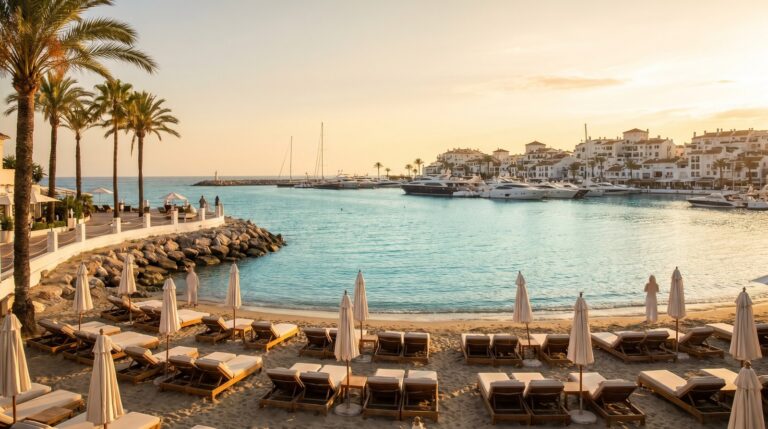
Lobito de Mar (“Little Sea Wolf”) occupies a prime position in Puerto Banús, the luxury marina where superyachts moor just meters from the dining terrace. This concept strips away García’s more experimental tendencies in favour of pristine seafood treated with restraint — a celebration of Mediterranean fishing traditions.
- Menu focus: Raw bar offerings (oysters, red prawns, sea urchin), whole grilled fish sold by weight, rice dishes cooked to order
- Standout items: Carabinero prawns from Huelva, grilled turbot with seaweed butter, black rice with cuttlefish ink
- Atmosphere: Nautical-chic interior with navy and white palette, outdoor seating overlooking the marina boardwalk
- Timing: Lunch service captures the best light and yacht-watching; dinner draws a sophisticated pre-club crowd
The restaurant’s location makes it ideal for combining with an afternoon stroll through Puerto Banús or a sunset drink at one of the nearby beach clubs.
Tragabuches: The Mountain Retreat
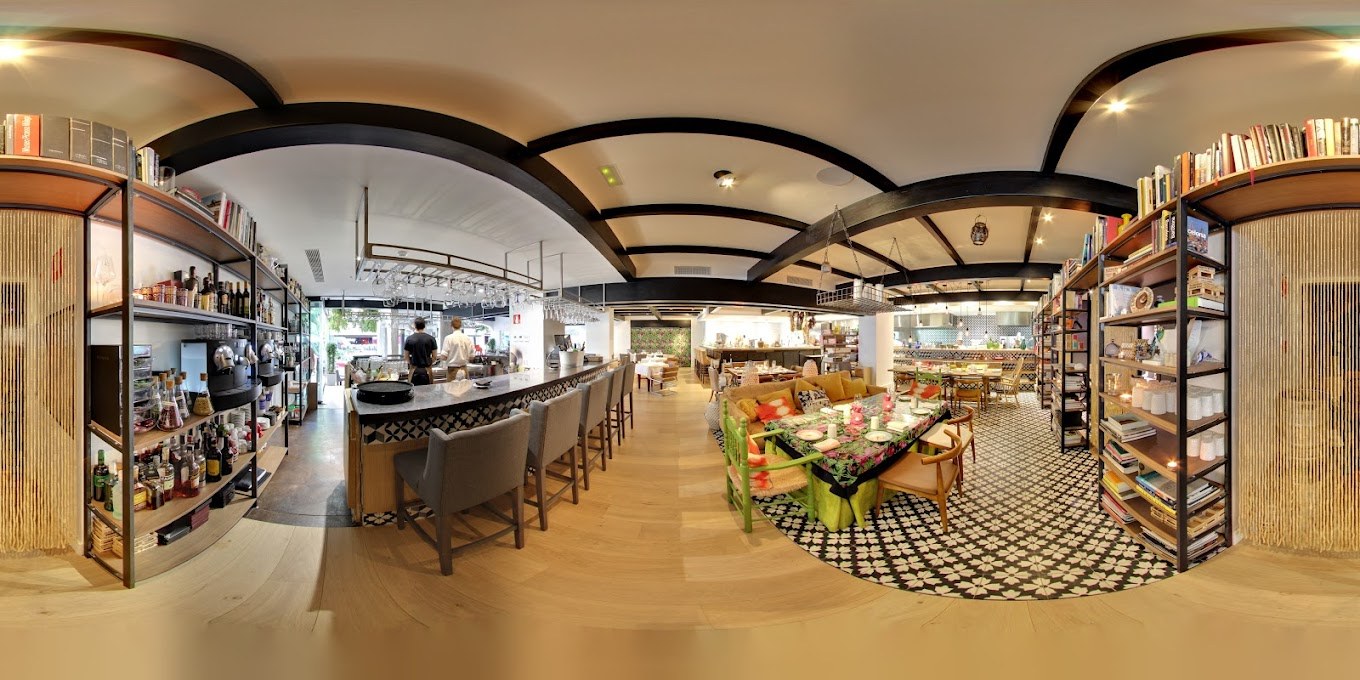
Though technically located in Ronda rather than Marbella proper, Tragabuches remains part of García’s portfolio and represents his earliest Michelin-starred success. The restaurant occupies a historic building in Ronda’s old quarter, a 45-minute drive inland through dramatic mountain scenery.
- Culinary approach: Contemporary interpretations of Ronda’s rustic cuisine — wild game, mountain herbs, artisan cheeses
- Setting: Intimate dining room with stone walls and views of the surrounding Serranía de Ronda
- Experience: Tasting menus that change with seasons, wine pairings emphasizing Andalusian producers
- Occasion: Best suited for a dedicated culinary pilgrimage combined with sightseeing in Ronda’s spectacular gorge-top setting
Tragabuches offers a quieter, more contemplative experience than García’s coastal venues — closer in spirit to traditional fine dining but without the formality that characterised his three-star period.
Alelí: Casual Andalusian Comfort
Alelí, also within Puente Romano, delivers García’s vision of elevated comfort food — the dishes Andalusians actually eat at home, refined but recognisable. The menu features regional classics like salmorejo (Córdoba’s thicker cousin to gazpacho), fried fish in the Cádiz style, and slow-cooked oxtail.
- Philosophy: Accessible pricing (most dishes €12-€24) without compromising ingredient quality
- Highlights: Ibérico ham croquettes, grilled vegetables with romesco sauce, traditional flan with a modern twist
- Vibe: Relaxed, family-friendly, suitable for lunch after beach time or casual dinners
Alelí represents García’s democratic ambition most clearly — a place where technique serves flavour and tradition rather than spectacle.
The García Approach: What Makes His Restaurants Distinctive
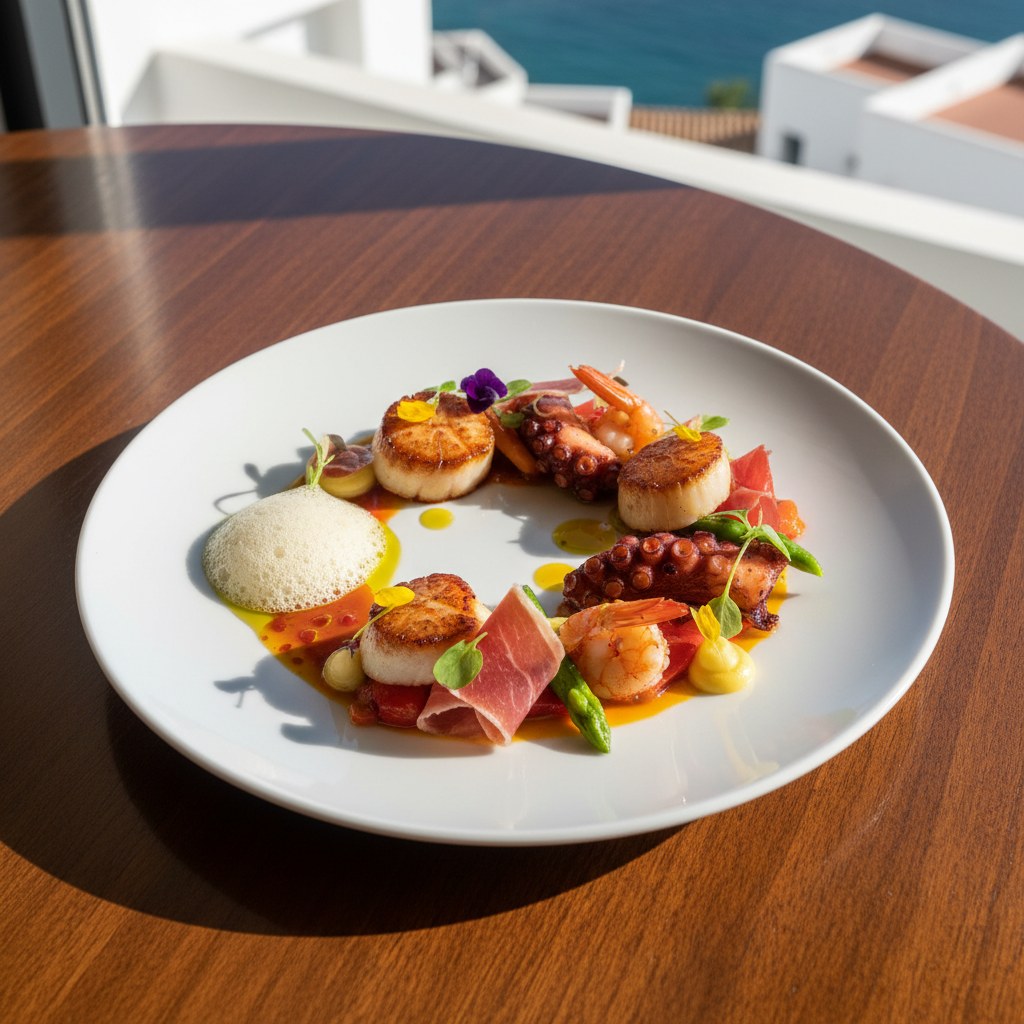
Across all his concepts, certain principles remain constant. García insists on daily market sourcing — his kitchens purchase fish from the Marbella wholesale market each morning, vegetables from local huertas (kitchen gardens), and proteins from trusted Andalusian suppliers. This seasonality means menus shift frequently, but it guarantees optimal quality.
His cooking also demonstrates a distinctive Andalusian identity that transcends trend-chasing. While García trained in modernist technique, he applies it selectively, using foams and gels only when they genuinely enhance a dish’s flavour or texture. The food tastes recognisably Spanish — bold, generous with olive oil, unafraid of garlic and paprika — even when presented with contemporary flair.
Local insight: García’s restaurants maintain strong relationships with small-scale producers throughout Andalusia — the almond grower in Málaga’s Axarquía region, the salt harvester in Cádiz, the goat cheese maker in the Alpujarras — ensuring ingredients carry genuine terroir.
Beyond Marbella: The Global Expansion
García’s ambition to “take Spanish cuisine to the world” has manifested in restaurants across multiple continents. BiBo (his tapas concept) operates in Madrid, Tarifa, and Doha. Leña has expanded to Dubai. Smoked Room maintains its Madrid base while García explores opportunities in North America.
This international presence reinforces Marbella’s position as a culinary capital — visitors dining at García’s Costa del Sol restaurants experience the same philosophy and standards that have earned acclaim in global markets, but with the added advantage of proximity to the source ingredients and landscapes that inspire his cooking.
Booking Dani García Restaurants: Practical Considerations
Securing tables at García’s Marbella venues requires planning, particularly during the summer high season when both international tourists and wealthy Spanish families descend on the coast. LEÑA and Lobito de Mar typically require reservations 2-4 weeks in advance for weekend dinners in July and August; shoulder season (May, June, September, October) offers more flexibility.
Lunch reservations are generally easier to obtain and often provide better value, with many restaurants offering abbreviated menus at lower price points. The Spanish dining schedule applies — lunch service runs 1:30-4:00 PM, dinner begins at 8:30 PM and peaks around 10:00 PM.
Dress codes lean smart-casual at all venues except Tragabuches, which expects business-casual attire for dinner service. Puente Romano’s restaurants welcome resort guests in elevated beachwear during daytime but prefer long trousers and closed shoes for evening dining.
Why Book Your Marbella Dining Through Marbella Hospitality
Accessing Dani García’s restaurants — and Marbella’s broader culinary scene — becomes significantly easier with dedicated concierge support. Marbella Hospitality maintains direct relationships with the city’s top venues, securing priority reservations even during sold-out periods. Our team provides tailored dining recommendations based on your preferences, dietary requirements, and the broader itinerary of your Marbella stay, whether that includes villa accommodations, VIP nightclub tables, or yacht charters. We ensure every element of your culinary experience reflects the quality and attention you expect from luxury hospitality.
Experiencing García’s Marbella Legacy
Dani García’s influence on Marbella extends beyond his own restaurants. He has inspired a generation of local chefs, elevated expectations for ingredient sourcing, and demonstrated that the Costa del Sol can sustain world-class gastronomy year-round. His presence has attracted other acclaimed chefs to open Marbella outposts, creating a dining scene that now rivals established European food capitals.
For visitors seeking to understand contemporary Spanish cuisine — how it honours tradition while embracing innovation, how it balances technique with soul — García’s Marbella restaurants provide an ideal education. Each meal becomes a masterclass in Andalusian flavour, delivered in settings that range from casual seaside terraces to sophisticated resort dining rooms.
The chef’s journey from Marbella teenager to global ambassador for Spanish gastronomy has come full circle, with his hometown now serving as the anchor for an empire built on quality, accessibility, and deep respect for regional culinary heritage. Whether you’re planning a single exceptional meal or a comprehensive gastronomic tour of the Costa del Sol, García’s concepts deserve prominent placement in your itinerary.
Ready to secure reservations at Dani García’s Marbella restaurants or plan a complete culinary experience on the Costa del Sol? Contact our concierge team for priority booking access and personalised dining recommendations tailored to your preferences and schedule.