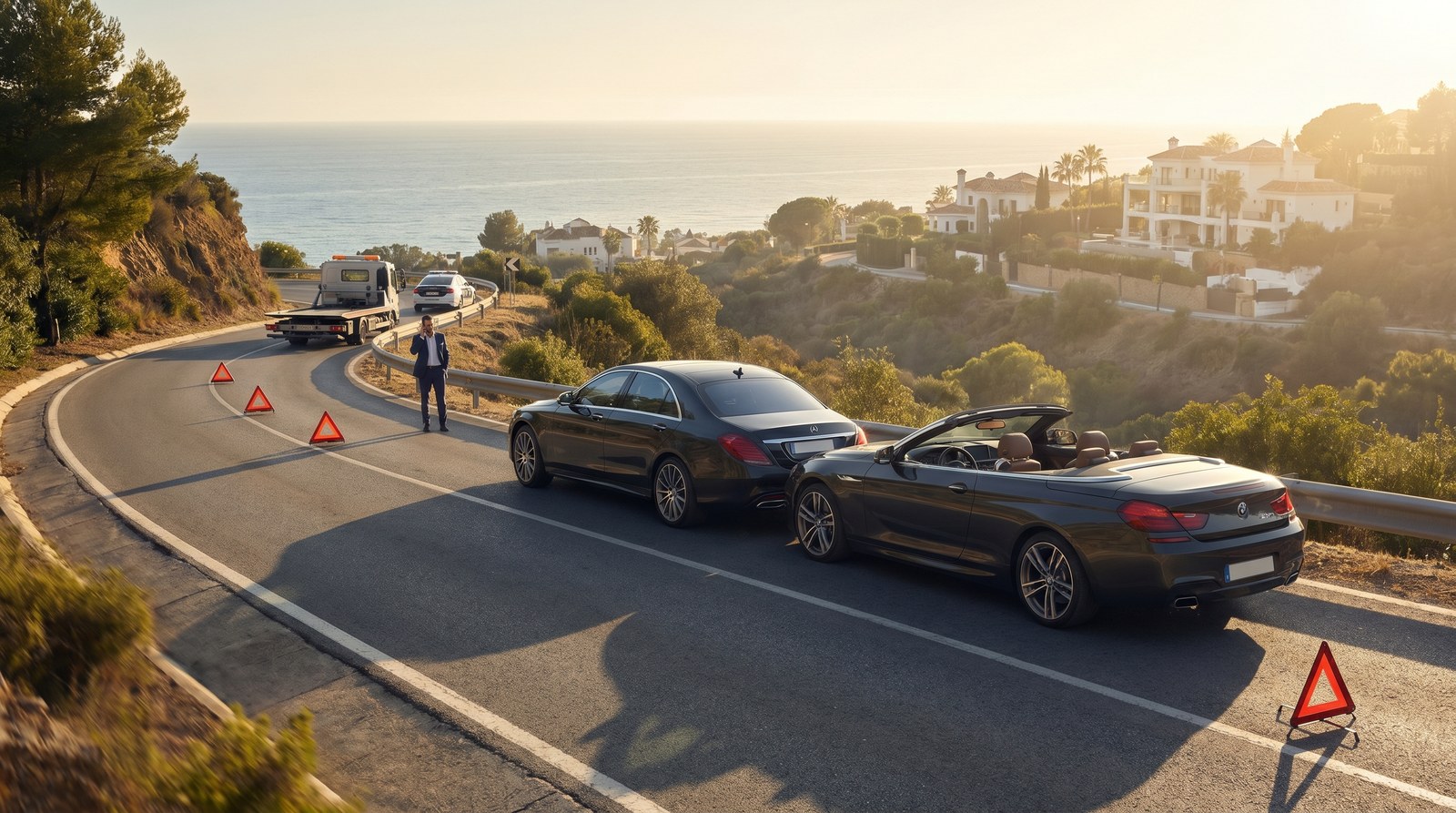
No one anticipates a collision when cruising the coastal roads between Puerto Banús and Elviria, yet car accidents happen daily across Marbella’s busy thoroughfares—from the AP-7 motorway to the narrow lanes of the Old Town. Whether you’re driving a luxury rental from our fleet or your own vehicle, understanding Spain’s accident procedures can transform a stressful situation into a manageable one. This guide provides the concrete, step-by-step protocol every driver in Marbella needs, including specific requirements for rental vehicles, insurance claims, and local police procedures.
Immediate Actions at the Accident Scene
The moments following a collision determine everything—from insurance outcomes to legal liability. Spanish law mandates specific on-scene actions that differ from protocols in the UK, US, or Northern Europe.
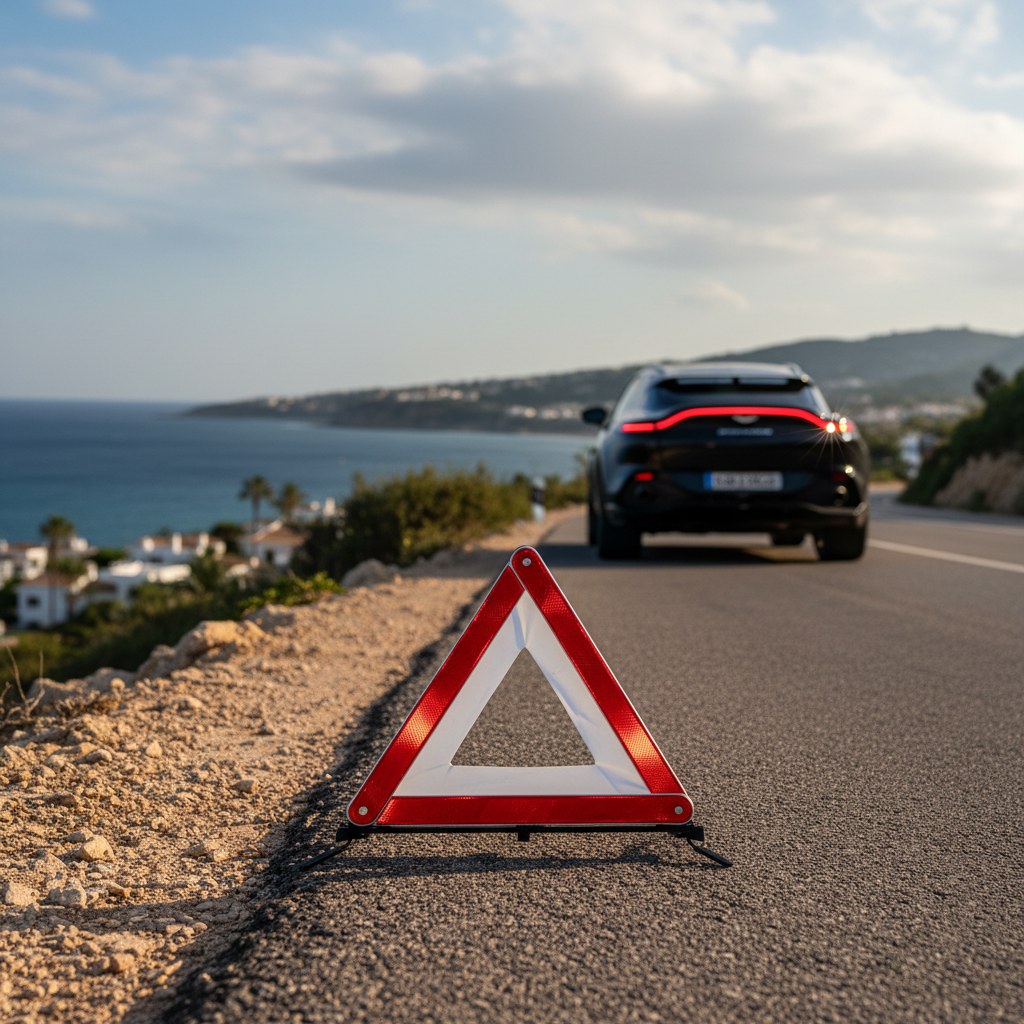
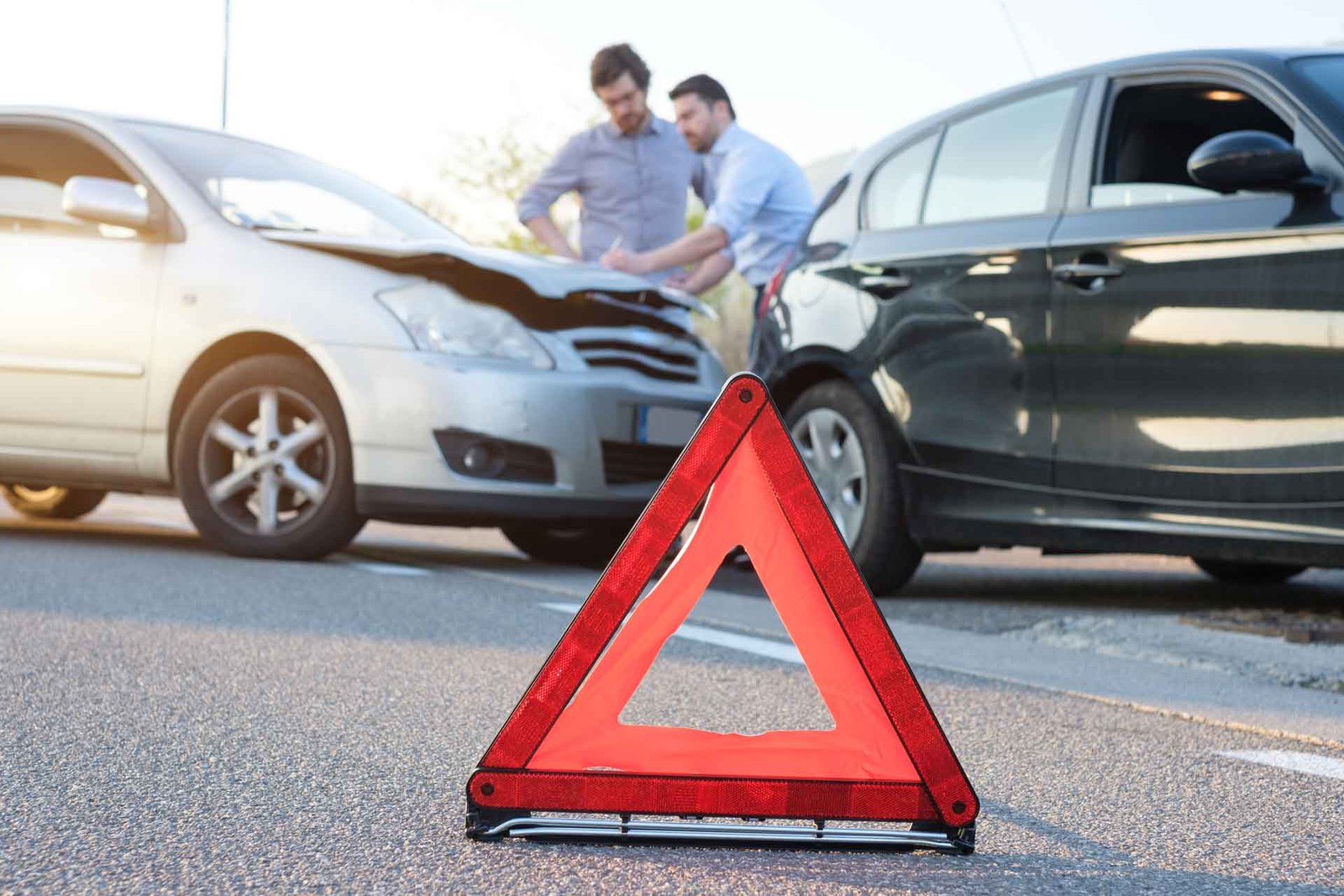
Stop immediately and secure the scene. Pull to the roadside if possible, activate hazard lights, and deploy warning triangles 50 metres behind your vehicle on conventional roads (100 metres on motorways). In Spain, carrying two reflective triangles is legally required in every vehicle. If the accident blocks traffic on the A-7 coastal road or the Golden Mile, prioritize safety over vehicle positioning—serious injuries take precedence over traffic flow.
Check for injuries among all parties. Call 112—Spain’s universal emergency number—if anyone shows signs of injury, shock, or disorientation. Medical assessment is mandatory even for seemingly minor impacts; whiplash and internal injuries often manifest hours later. Emergency services in Marbella are accustomed to multilingual calls and can dispatch English-speaking paramedics to locations from San Pedro to Elviria within 10-15 minutes during standard conditions.
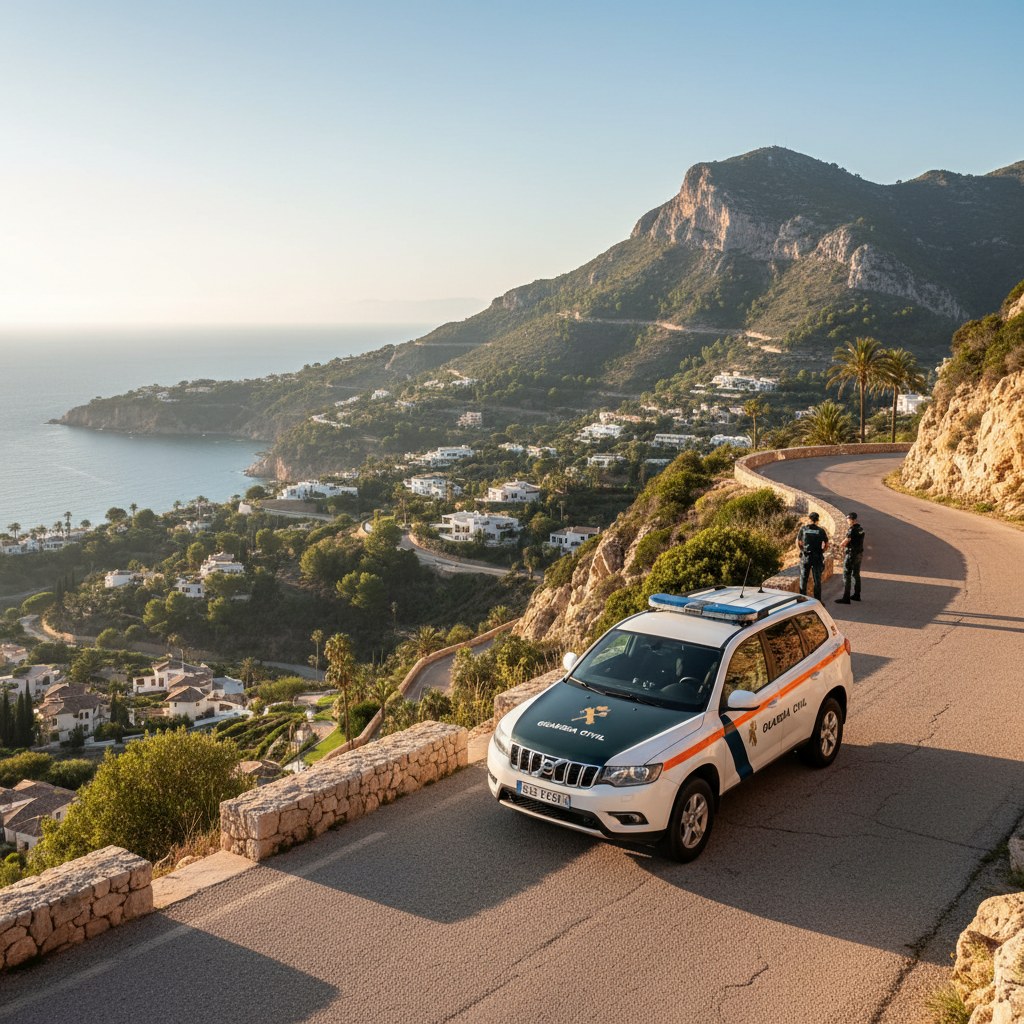
Contact the Policía Local or Guardia Civil immediately. Unlike some jurisdictions where minor fender-benders don’t require police attendance, Spanish law mandates official documentation for any accident—even parking lot scrapes with no injuries. The Policía Local handles accidents within Marbella municipality (including Puerto Banús and Nueva Andalucía), while the Guardia Civil covers motorways and rural roads toward Ojén or Istán. Request the atestado (official report number) and note the attending officer’s badge number for your insurance file.
Insider tip: If the accident occurs in a tourist-heavy area like Puerto Banús during high season, police response times can extend to 45 minutes. Use this time to photograph evidence and exchange information—never leave the scene, as doing so constitutes a criminal offense under Spanish traffic law.
Documenting the Accident: The European Accident Statement
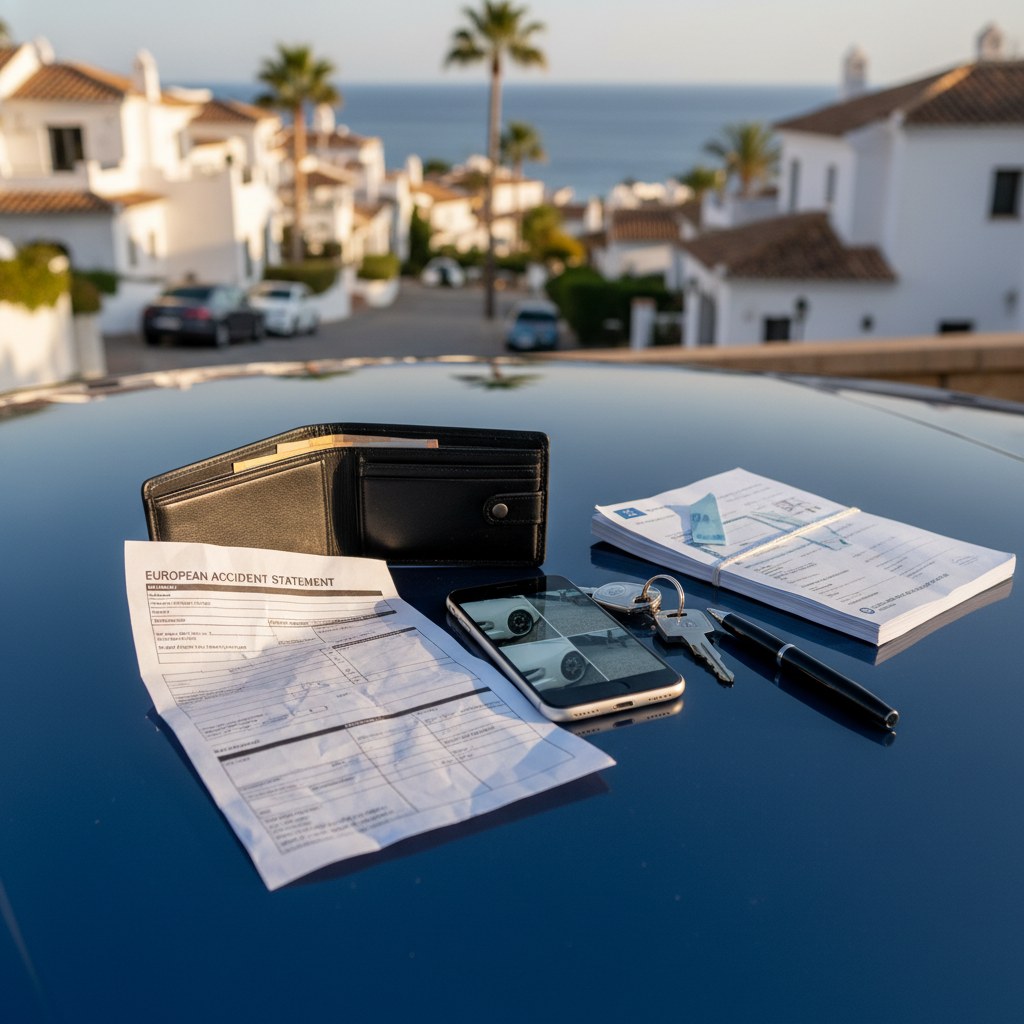
Spain participates in the European Accident Statement system—a standardized blue-and-yellow form (Declaración Amistosa de Accidente) recognized across all EU member states. This document is your primary insurance tool and should be completed at the scene whenever possible.
Obtain the form from your rental company or insurance provider. Most luxury car rental agencies in Marbella include this form in the glove compartment alongside registration documents. The form is bilingual—Spanish on one side, your language of choice on the reverse—allowing you to describe the accident in your native tongue. This proves invaluable if your Spanish is limited; insurers accept statements in English, German, French, or Dutch without requiring translation.
Complete all sections with the other driver present. The form requires:
- Vehicle details: Registration numbers, make, model, insurance policy numbers for both parties
- Driver information: Full names, addresses, phone numbers, driving license numbers, and passport/NIE numbers for foreign drivers
- Accident diagram: A bird’s-eye sketch showing vehicle positions, road layout, direction of travel, and point of impact—this diagram often determines liability
- Damage description: Specific notation of scratches, dents, broken lights, or structural damage to each vehicle
- Witness details: Names and contact information for any independent observers
Both parties sign the completed form. Signing does not constitute an admission of fault—it merely confirms that the information is accurate. Each driver retains one copy; your insurance company requires the original within seven days of the incident. If the other party refuses to cooperate or disputes basic facts, note this refusal on the form and request police mediation on the spot.
Photograph everything comprehensively. Modern smartphones provide accident documentation that wasn’t possible a decade ago. Capture wide-angle shots showing the full scene, close-ups of every scratch and dent, vehicle positions relative to road markings, traffic signs, skid marks, debris patterns, and the surrounding environment. If the accident occurred at a confusing junction like the Río Verde roundabout or the Nueva Andalucía bullring intersection, photograph road signage to establish right-of-way. Take photos of the other vehicle’s insurance sticker (displayed on the windscreen), license plate, and VIN number on the dashboard.
Critical Don’ts: What Never to Do After an Accident
Certain actions—however well-intentioned—can jeopardize your insurance claim or create legal liability under Spanish law.
Never admit fault or apologize at the scene. British and North American drivers instinctively say “I’m sorry” after any collision, but in Spain this can be interpreted as a legal admission of liability. Restrict your comments to factual observations: “The traffic light was green” or “I was in the correct lane.” Leave fault determination to police investigators and insurance adjusters, who analyze physical evidence, witness statements, and Spain’s complex right-of-way regulations.
Do not leave the scene before police arrive. Departing an accident scene—even a minor one with no injuries—constitutes abandono del lugar del accidente, a criminal offense carrying fines up to €500 and potential license suspension. If you’re blocking traffic on the A-7 and both vehicles are drivable, Spanish law permits moving them to the shoulder after photographing their original positions, but you must remain in the immediate vicinity until police complete their report.
Don’t sign any document you don’t fully understand. If the other driver presents paperwork in Spanish and you’re not fluent, politely decline to sign until police arrive or you can consult with your rental company or concierge service. Unscrupulous individuals occasionally attempt to have foreign drivers sign liability waivers disguised as information exchanges.
Avoid confrontation regardless of circumstances. Accidents trigger strong emotions, but aggressive behavior can escalate to assault charges under Spanish law. If the other party becomes hostile, return to your vehicle, lock the doors, and call 112 to request immediate police presence. Marbella’s Policía Local are experienced in managing tourist-related disputes and typically prioritize these calls.
Special Procedures for Rental Car Accidents in Marbella

Accidents involving rental vehicles require additional steps beyond standard procedures. Marbella’s concentration of luxury and supercar rentals—from Lamborghinis to Range Rovers—means rental companies maintain strict accident protocols.
Notify your rental company immediately. Most agencies require contact within 2-24 hours of any incident, regardless of severity. Major companies like Sixt, Europcar, and specialist luxury providers maintain 24-hour emergency lines specifically for accident reporting. Have your rental agreement number, the police report number (atestado), and photos ready when you call. The rental company will guide you through their specific documentation requirements and may dispatch a representative to assess damage if the vehicle is still drivable.
Understand your coverage and excess obligations. Standard rental agreements in Spain include mandatory third-party liability insurance, but collision damage waiver (CDW) is often optional. If you declined CDW, you’re liable for the full repair cost or the vehicle’s excess—typically €1,000-€3,000 for standard cars, potentially €5,000-€15,000 for luxury vehicles. Review your rental agreement’s insurance section carefully; some credit cards provide secondary coverage that may reimburse these costs if you charged the rental to that card.
Obtain the rental company’s accident report form. In addition to the European Accident Statement, most rental agencies require their proprietary accident report. This internal document asks for details about how the accident occurred, whether you were the sole driver listed on the agreement, and if you were using the vehicle for permitted purposes (personal rentals exclude commercial use, racing, or driving on unpaved roads). Complete this form truthfully; rental companies cross-reference your statement against police reports and may deny coverage for inconsistencies.
Don’t attempt repairs without authorization. Even minor damage requires rental company approval before any bodywork. Unauthorized repairs void your insurance coverage and may result in the company charging you for their own repairs at premium rates. If the vehicle is undrivable, the rental company will arrange towing—never hire your own tow truck, as this often violates rental terms.
Local knowledge: Several rental agencies cluster along Avenida Ricardo Soriano in central Marbella and around Puerto Banús marina. If your accident occurs nearby, consider driving directly to your rental office (if the vehicle is safe to operate) rather than waiting for a representative. This expedites the documentation process and allows you to potentially exchange the damaged vehicle for a replacement immediately.
Insurance Claims and Follow-Up Procedures

The days following an accident require diligent communication with insurance providers to ensure smooth claims processing under Spain’s insurance framework.
Contact your insurance company within the statutory period. Spanish insurance law requires policyholders to notify their insurer within seven days of any accident. For rental vehicles, this responsibility typically falls to the rental company, but if you’re driving your own car or a long-term lease, immediate notification protects your coverage. International visitors should also inform their home country insurer if their policy includes European coverage—some UK and EU policies provide cross-border protection.
Submit comprehensive documentation. Your insurance claim package should include the European Accident Statement (original, not photocopy), the police report number and officer details, all photographs taken at the scene, any witness statements, medical reports if injuries occurred, and the rental agreement if applicable. Spanish insurers process claims more efficiently when documentation is complete at initial submission rather than requiring multiple follow-ups.
Arrange vehicle inspection with your insurer’s adjuster. Insurance companies dispatch peritos (loss adjusters) to assess damage and determine repair costs. For minor accidents, this may occur at your accommodation or a designated inspection center in Marbella. For significant damage, the vehicle may be towed to an insurer-approved facility. The perito produces a technical report that establishes whether damage is consistent with your accident description—discrepancies can trigger fraud investigations.
Understand Spain’s liability and compensation system. Spain operates under a fault-based insurance model. If the other party is deemed 100% responsible, their insurer covers all your damages and rental replacement costs. Shared liability (e.g., 70-30% split) means proportional coverage. Spain’s Consorcio de Compensación de Seguros—a government-backed insurance fund—covers accidents involving uninsured drivers or hit-and-run incidents, though claims take longer to process.
Retain all accident-related receipts. If you require medical treatment, taxi transport while your vehicle is impaired, or temporary accommodation due to accident-related delays, keep every receipt. Spanish insurance claims can include these consequential expenses if they’re reasonable and directly caused by the accident. For visitors, travel insurance may provide faster reimbursement than waiting for Spanish motor insurance settlements, which can take 3-6 months for complex cases.
Legal Considerations and Traffic Violations
Certain accidents trigger legal consequences beyond insurance claims, particularly if traffic violations contributed to the collision.
Police conduct sobriety and drug testing at accident scenes. Spanish traffic law mandates breathalyzer tests for all drivers involved in accidents, regardless of apparent fault or injury. The legal limit is 0.5 g/L blood alcohol (0.25 mg/L breath)—lower than many countries—and 0.15 g/L for drivers with less than two years’ experience or professional drivers. Refusal to submit to testing constitutes a criminal offense. Drug screening follows if officers observe signs of impairment; positive results lead to immediate license suspension and criminal charges.
Serious accidents may result in judicial proceedings. If your accident causes significant injury or death, Spanish authorities can launch a criminal investigation. Your vehicle may be impounded as evidence, and you could be required to remain in Spain pending investigation—typically several weeks for serious cases. Foreign drivers should immediately contact their embassy or consulate if facing potential criminal charges. The British Consulate in Málaga maintains a list of English-speaking attorneys specializing in traffic law.
Traffic violations compound accident liability. If police determine you were speeding, ran a red light, or violated right-of-way rules at the time of collision, you’ll receive a separate traffic fine in addition to insurance liability. Spain’s point-based license system (permiso por puntos) applies to EU license holders; serious violations can result in point deductions that affect your driving privileges across Europe. Non-EU visitors face fines but no point deductions—however, unpaid fines can trigger border alerts preventing future entry to the Schengen Area.
Why Arrange Your Marbella Transport Through Marbella Hospitality
When you book luxury vehicle rentals or chauffeur services through us, you gain more than premium transportation—you receive comprehensive support if the unexpected occurs. Our dedicated concierge team provides immediate assistance with accident procedures, liaising with rental companies, insurance providers, and local authorities on your behalf. We maintain relationships with English-speaking legal advisors and can arrange replacement vehicles within hours, ensuring your Marbella experience continues smoothly. Our guests consistently report that our 24/7 support and local expertise transform potentially trip-ending situations into minor inconveniences.
Preventing Accidents: Navigating Marbella’s Roads Safely
Understanding local driving patterns and road conditions reduces accident risk significantly during your Marbella stay.
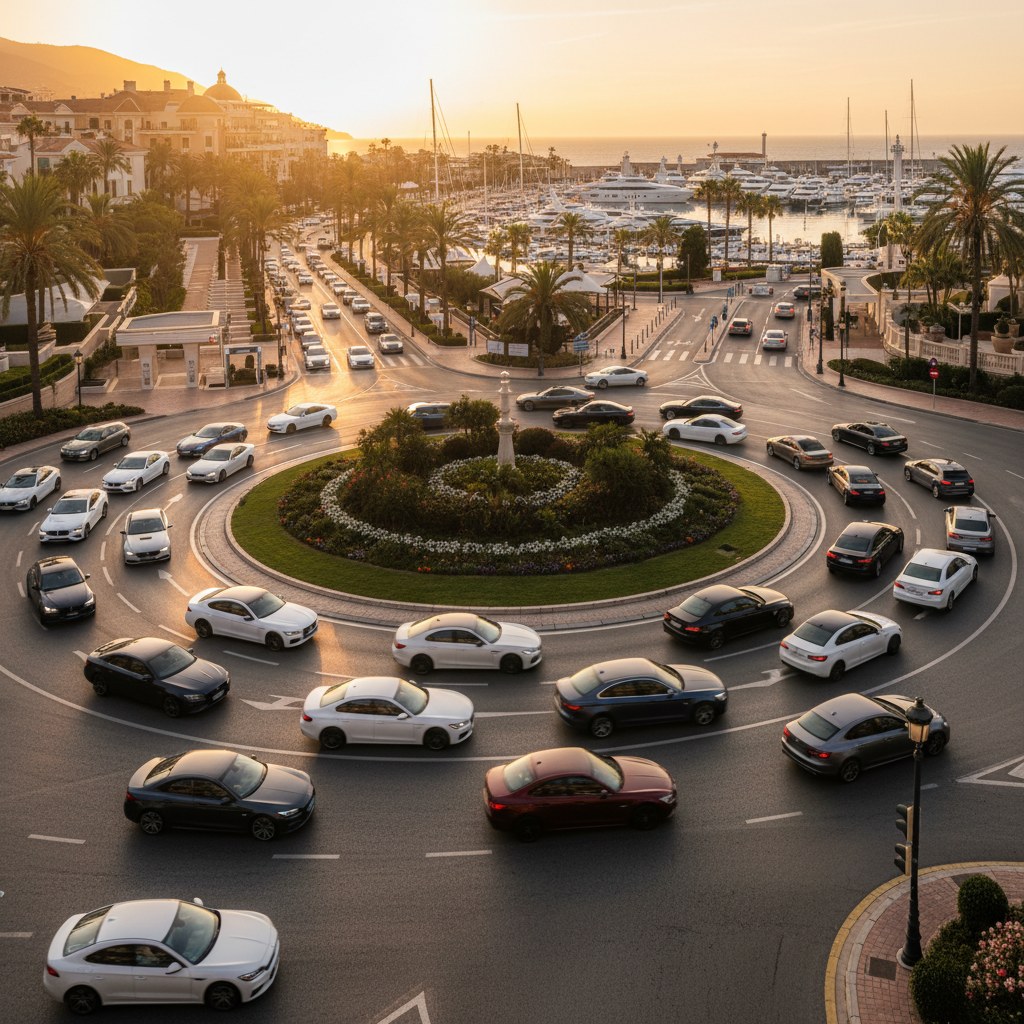
Familiarize yourself with Spanish road rules. Spain drives on the right, and roundabouts flow counterclockwise—the opposite of UK traffic patterns. Right-of-way at unmarked intersections defaults to vehicles approaching from the right, a rule that confuses many foreign drivers. Speed limits are 50 km/h in urban areas, 90-100 km/h on conventional roads, and 120 km/h on motorways—strictly enforced by fixed cameras and mobile units, particularly along the A-7 and AP-7.
Exercise caution at Marbella’s accident-prone locations. The San Pedro tunnel on the A-7, the Río Verde bridge roundabout, and the Nueva Andalucía bullring intersection consistently rank among the area’s highest-accident zones. The narrow streets of Marbella Old Town and Puerto Banús present unique challenges—limited visibility, pedestrian crossings, and delivery vehicles creating sudden obstacles. During summer, tourist traffic increases accident rates by an estimated 40% compared to winter months.
Adjust driving for seasonal conditions. While Marbella enjoys year-round sunshine, autumn and winter bring occasional heavy rain that creates hazardous conditions on roads not designed for significant water flow. The mountain roads toward Ojén and Istán become particularly treacherous during rain, with reduced visibility and slippery surfaces. If visiting during Semana Santa or summer high season, anticipate congestion and allow extra travel time—rushed driving in heavy traffic significantly increases collision risk.
Consider professional driving services for high-value vehicles. If you’re unfamiliar with left-hand-drive vehicles or European traffic patterns, our chauffeur services eliminate accident risk entirely while providing local navigation expertise. This proves particularly valuable when driving supercars or luxury vehicles worth hundreds of thousands of euros—the financial and stress implications of an accident in a Ferrari or Lamborghini far exceed the cost of professional driving services.
Protect Your Marbella Experience
A car accident need not derail your luxury Costa del Sol experience if you’re prepared with the right knowledge and support network. By understanding Spain’s accident procedures, documenting incidents thoroughly, and maintaining clear communication with insurance providers, you transform a potential crisis into a manageable inconvenience.
Whether you’re exploring the coastal roads in a luxury rental, visiting from your villa in Nueva Andalucía, or enjoying the nightlife circuit from beach clubs to Puerto Banús nightclubs, the Marbella Hospitality team provides the local expertise and immediate support that turns challenges into solutions. Contact our concierge team to discuss how our comprehensive transport and support services protect your investment in the perfect Marbella experience.