Just 90 minutes from Marbella, Gibraltar stands as one of the Mediterranean’s most intriguing destinations—a British Overseas Territory where limestone cliffs meet Moorish history, where wild monkeys roam freely, and where you can stand at the edge of Europe gazing toward Africa. For guests staying along the Costa del Sol, this compact peninsula offers a fascinating day trip that blends natural wonders, military heritage, and a uniquely bicultural atmosphere. Whether you’re seeking dramatic landscapes, historical intrigue, or simply a change of scenery from the Spanish coast, these ten Gibraltar attractions deliver an unforgettable experience.
The Rock of Gibraltar: Europe’s Iconic Limestone Monolith
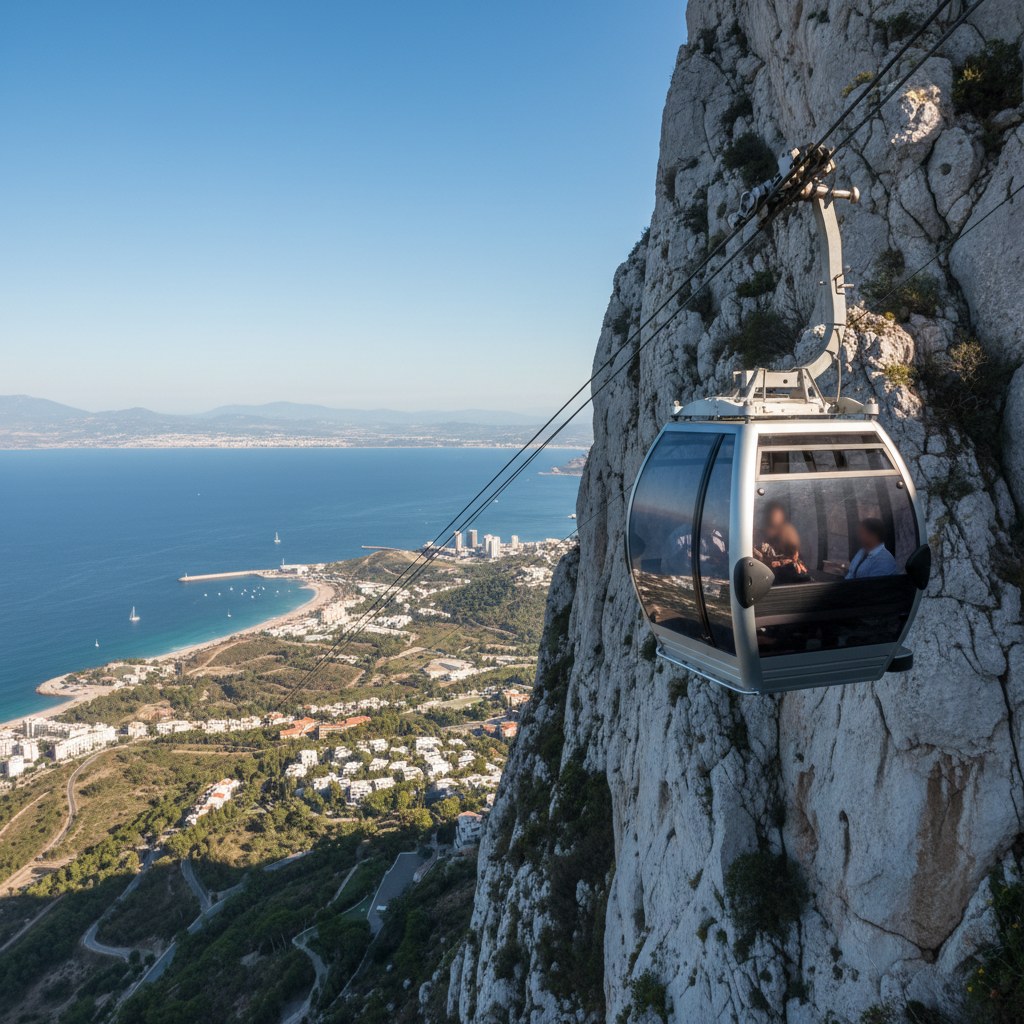
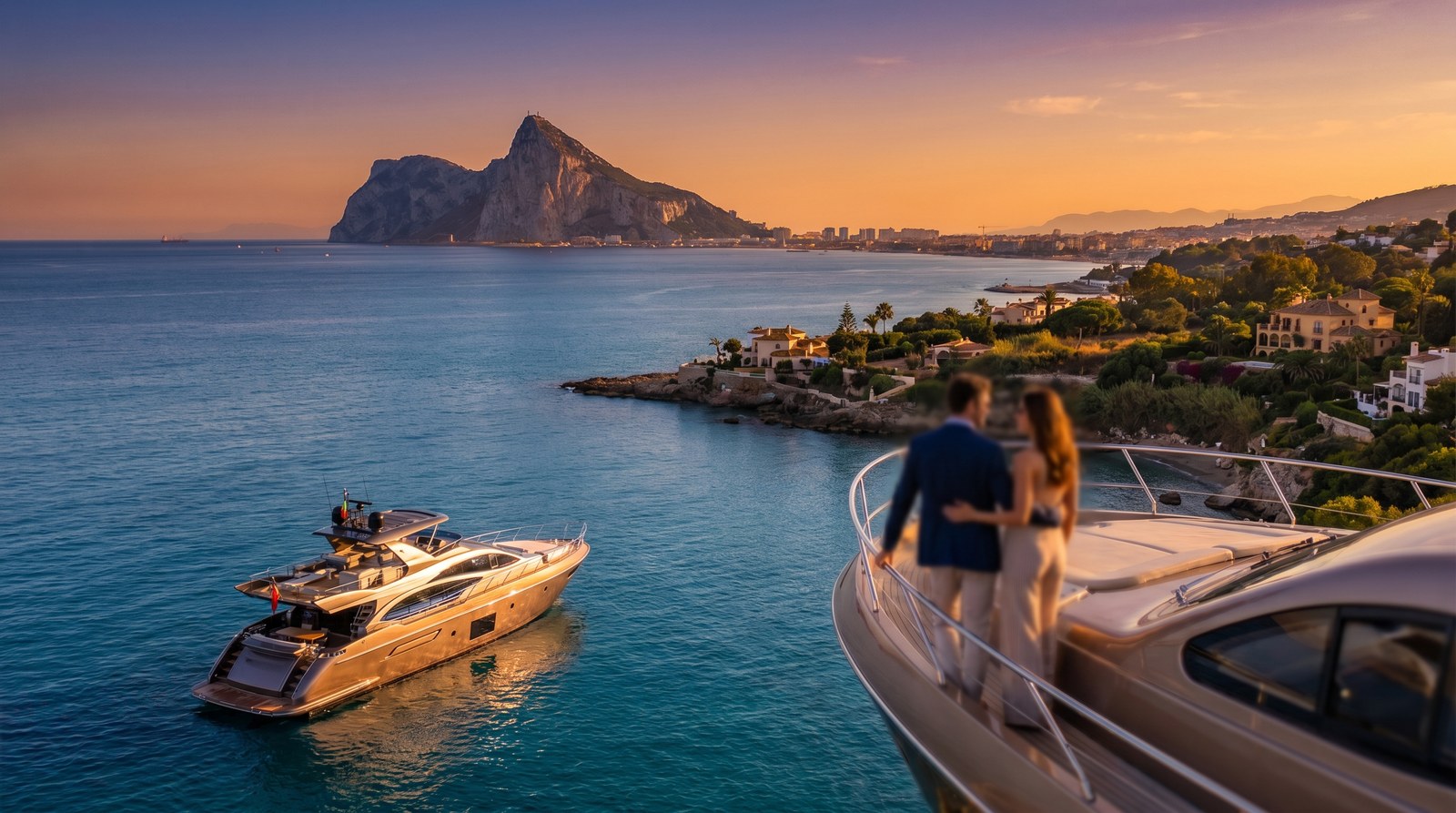
The Rock of Gibraltar dominates every view of this territory, rising 426 metres above the Mediterranean in a sheer wall of Jurassic limestone. This geological marvel isn’t just a landmark—it’s the defining feature that has made Gibraltar strategically vital for millennia. Taking the cable car to the summit rewards you with sweeping panoramas that stretch across the Strait of Gibraltar to the Rif Mountains of Morocco on clear days, while the Spanish coastline unfolds to the north.
The upper reaches of the Rock house several key Gibraltar attractions, including observation points, military installations, and the famous Barbary macaques. The journey itself offers constantly shifting perspectives of the harbour below, the airport runway that intersects the main road, and the Mediterranean stretching endlessly eastward. Early morning visits offer the clearest visibility and fewer crowds, particularly valuable during peak season.
Insider perspective: The cable car runs continuously, but walking down via the Mediterranean Steps offers adventurous visitors a more intimate encounter with the Rock’s ecology and stunning coastal views—though the descent is steep and requires proper footwear.
St. Michael’s Cave: A Subterranean Cathedral
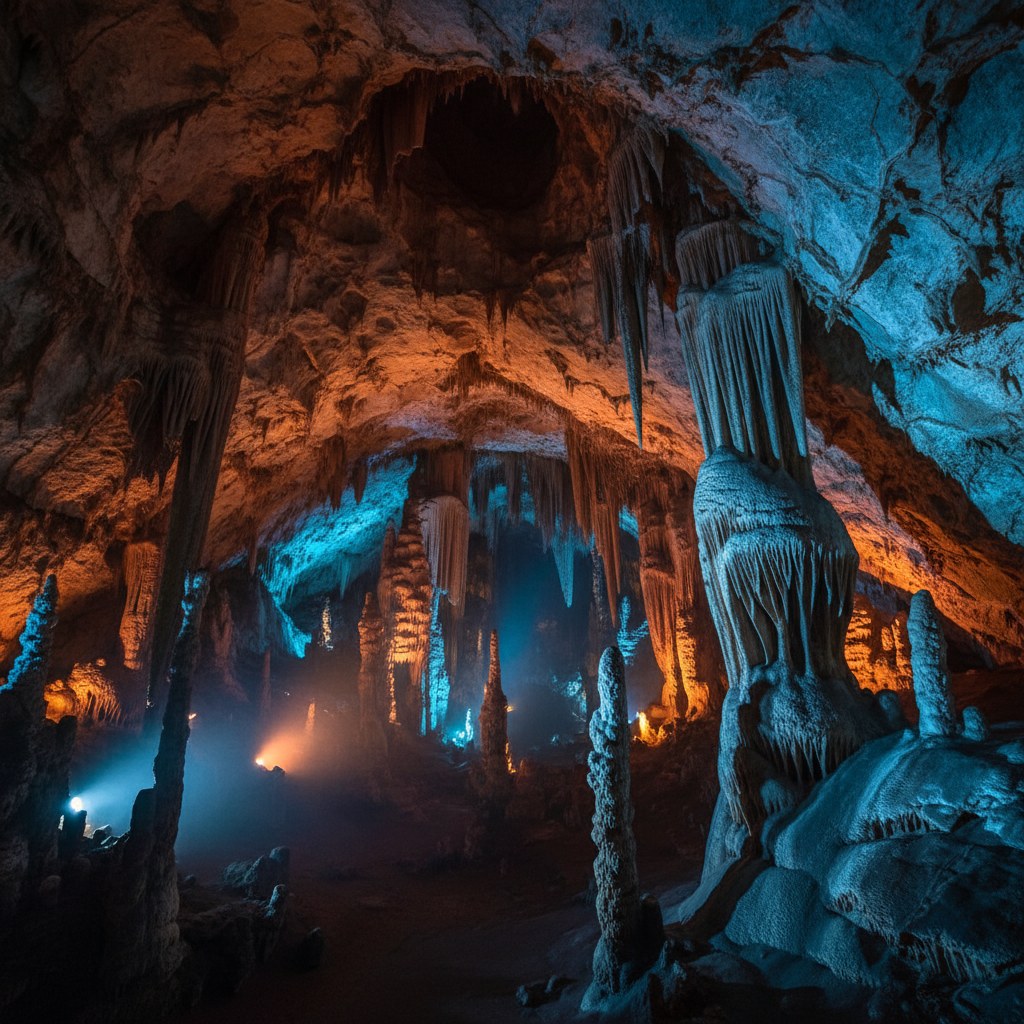
Deep within the Rock lies St. Michael’s Cave, a spectacular network of limestone chambers adorned with stalactites and stalagmites formed over millions of years. The main chamber has been transformed into an atmospheric auditorium where concerts and events take place, the natural acoustics enhanced by theatrical lighting that illuminates the mineral formations in amber, blue, and violet hues.
Legend holds that the cave system extends all the way beneath the Strait to Africa, and that the Rock’s famous monkeys arrived through these subterranean passages. While geologically impossible, the myth speaks to the cave’s impressive depth—explorations have revealed chambers extending more than 60 metres below the entrance. The cave has served various purposes throughout history, from a hospital during World War II to its current role as one of Gibraltar’s premier natural Gibraltar attractions.
For those seeking a more adventurous experience, Lower St. Michael’s Cave offers guided tours through narrower passages and less-developed chambers, though advance booking is essential and a reasonable fitness level required.
The Great Siege Tunnels: Engineering Under Fire
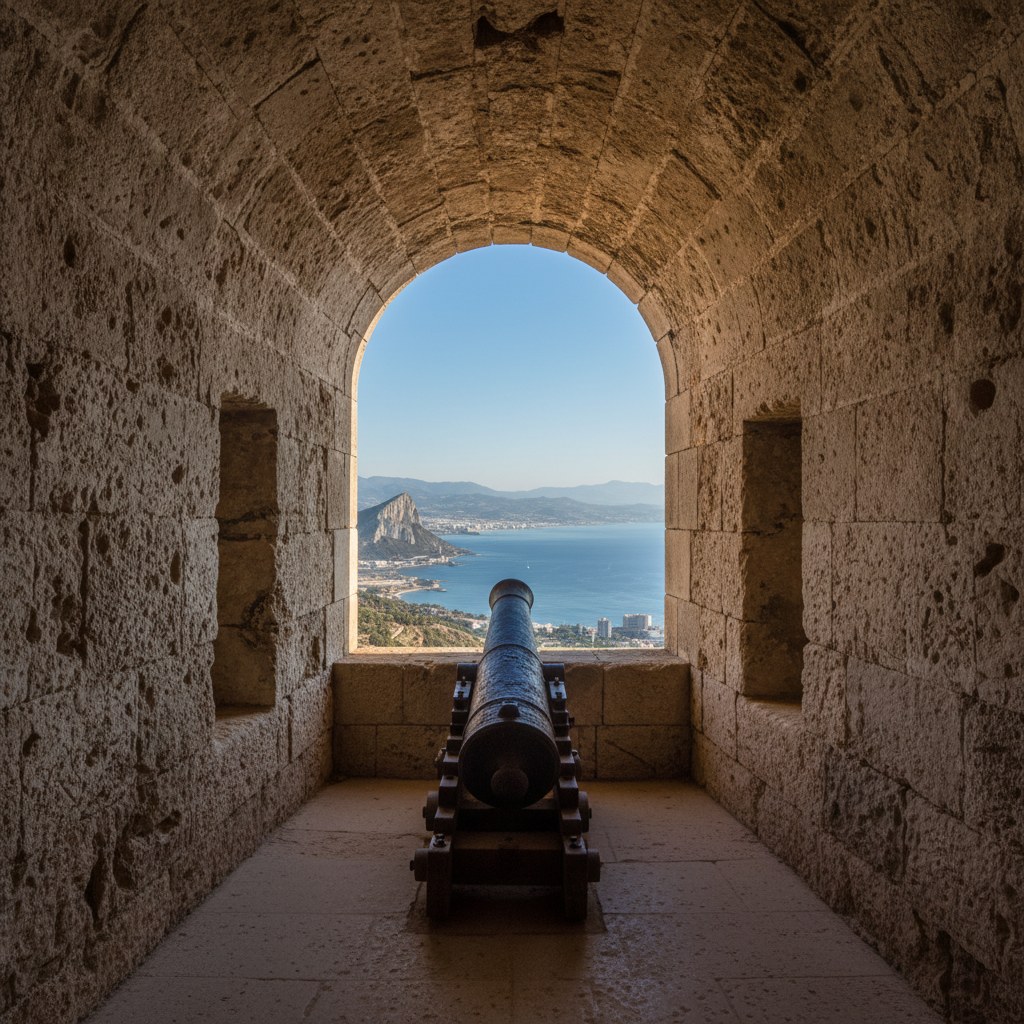
Carved by hand through solid limestone during the Great Siege of 1779-1783, these military tunnels represent an extraordinary feat of 18th-century engineering. British and Corsican soldiers excavated the passages to position artillery at previously impossible angles, creating gun emplacements that could fire down upon Spanish and French positions. The tunnels ultimately played a decisive role in breaking the siege.
Walking through these dimly lit corridors, you encounter life-sized figures of soldiers, period weapons, and interpretive displays that bring the siege to life. Openings in the rock face—originally gun ports—now frame dramatic views of the isthmus connecting Gibraltar to Spain. The cool, damp atmosphere inside contrasts sharply with the Mediterranean heat outside, and the hand-carved walls bear the marks of the tools used more than two centuries ago.
The tunnel network was vastly expanded during World War II, eventually extending more than 50 kilometres through the Rock, though only a portion is accessible to visitors. These later additions housed entire military installations, hospitals, and ammunition stores.
Gibraltar Nature Reserve: Wild Macaques and Mediterranean Flora
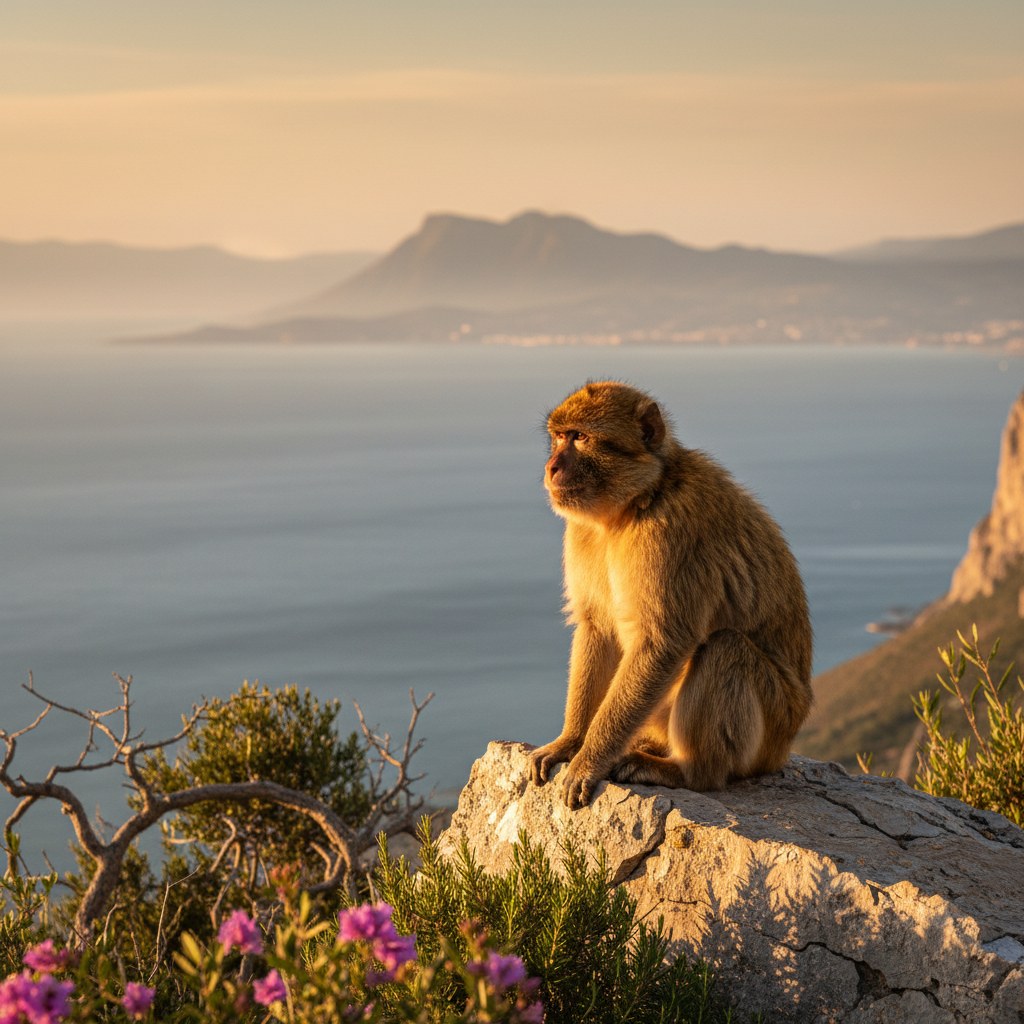
The Gibraltar Nature Reserve encompasses most of the upper Rock, protecting a unique ecosystem where European and North African species converge. The reserve’s most famous residents are the Barbary macaques—the only wild monkey population in Europe. These tailless primates live in several troops across the reserve, and encountering them along the pathways is virtually guaranteed.
While the macaques are undeniably charming, visitors should observe them from a respectful distance. These are wild animals with strong social hierarchies, and feeding them (which is prohibited) can lead to aggressive behaviour. The reserve’s rangers monitor the troops closely, ensuring both animal welfare and visitor safety.
- Biodiversity: Over 600 plant species thrive here, including several found nowhere else
- Birdwatching: Migration season brings raptors, storks, and countless smaller species funnelling through the Strait
- Hiking trails: Multiple routes traverse the reserve, from gentle walks to challenging scrambles
- Conservation: Active programmes protect endemic species and restore native habitats
The reserve’s Mediterranean Steps trail offers one of the most dramatic hikes, ascending from Jews’ Gate to the summit with vertiginous views throughout. Spring visits coincide with wildflower blooms that carpet the hillsides in colour.
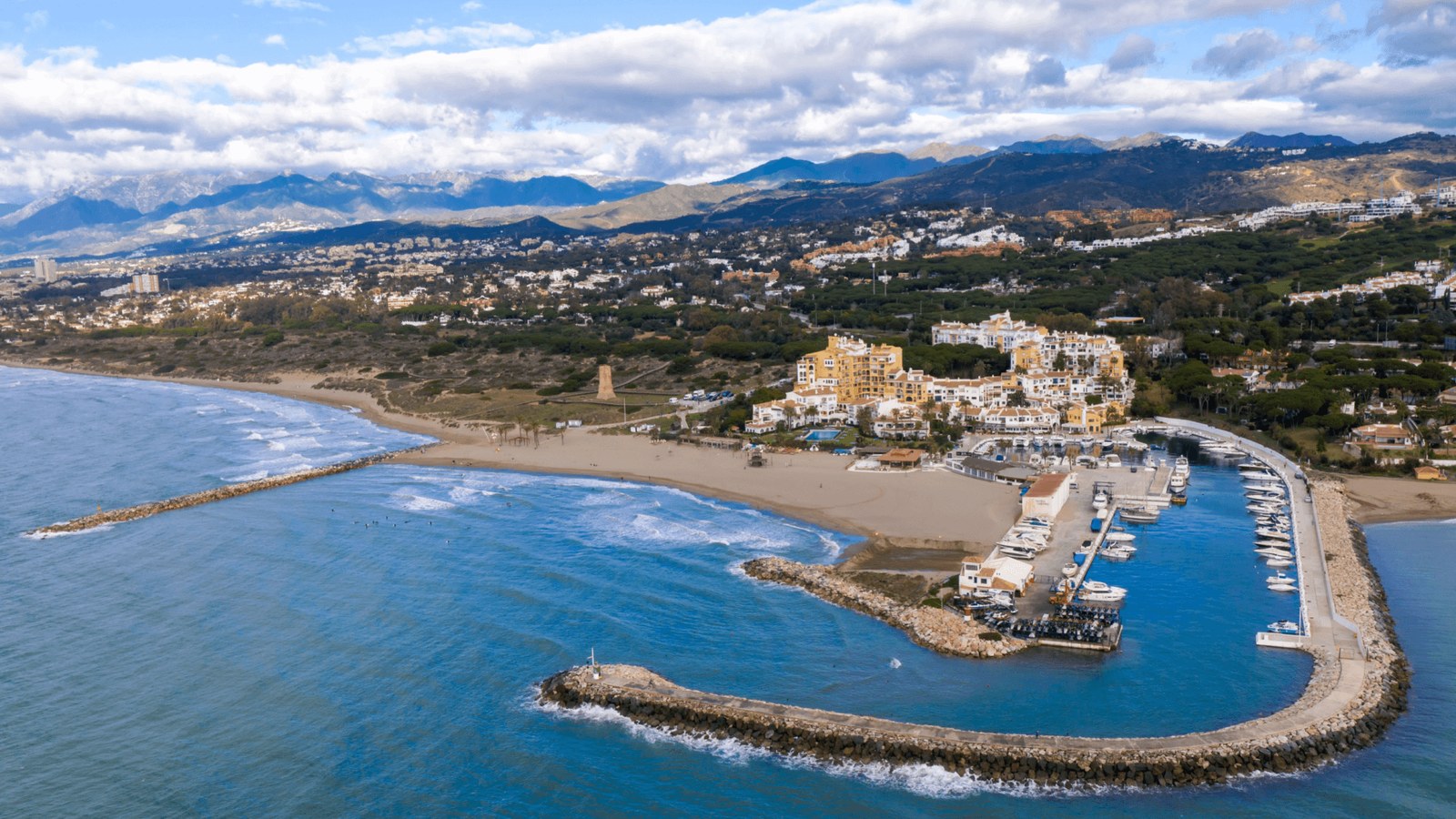
Europa Point: Where Continents Converge
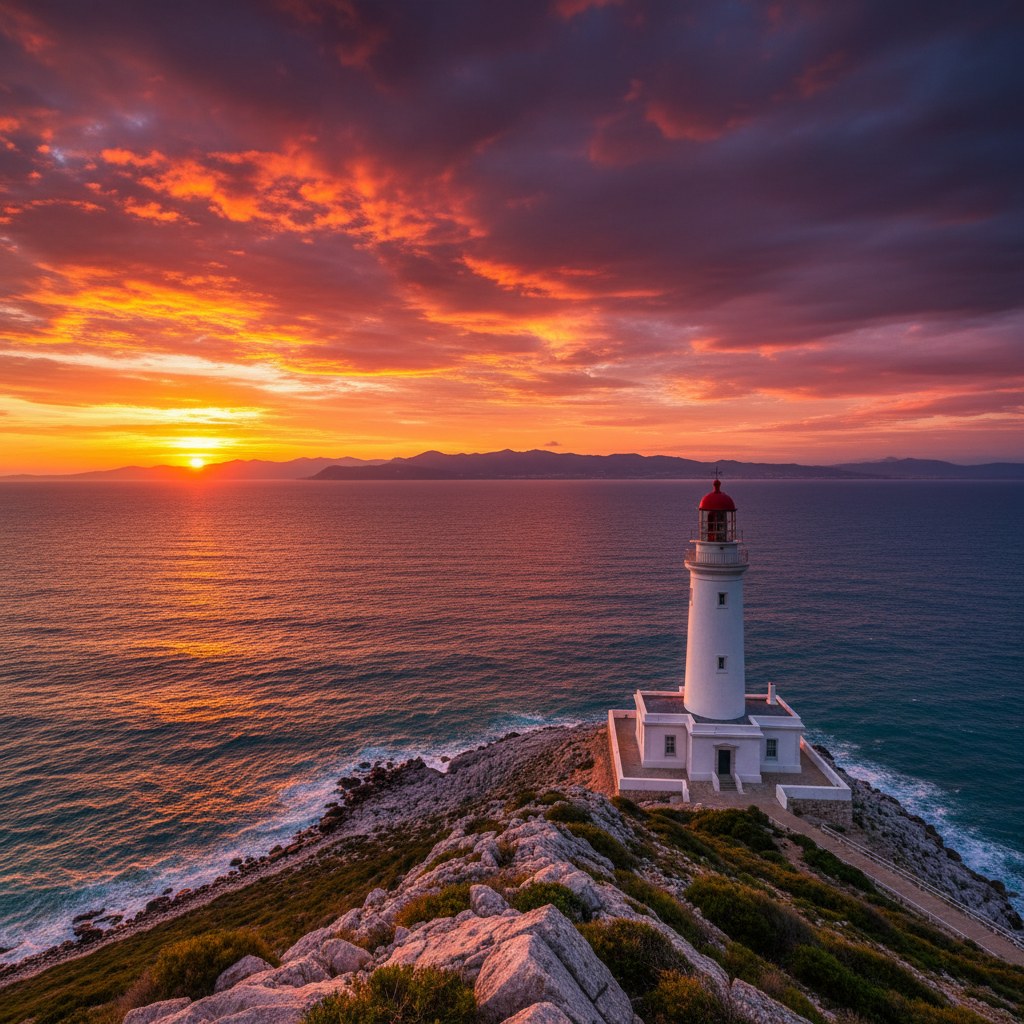
Europa Point marks the southernmost tip of Gibraltar, where the Mediterranean meets the Atlantic and Europe gazes across to Africa. The iconic Trinity House Lighthouse, constructed in 1841, still guides ships through one of the world’s busiest maritime corridors. On exceptionally clear days, the view encompasses three countries and two continents—a geographical confluence few places can match.
The point has been developed into a cultural complex that includes the Ibrahim-al-Ibrahim Mosque (a gift from Saudi Arabia), the Shrine of Our Lady of Europe, and the Nun’s Well—each representing different threads of Gibraltar’s diverse heritage. The setting is particularly magical at sunset, when the lighthouse begins its nightly vigil and the African coast glows in the fading light.
The area serves as an excellent vantage point for observing maritime traffic, with everything from superyachts to container ships navigating the strait. Dolphins and occasionally pilot whales can be spotted in the waters below, particularly during migration periods.
Gibraltar Museum: Layers of History Revealed
Housed partially within a 14th-century Moorish bathhouse, the Gibraltar Museum offers comprehensive insight into the territory’s complex past. The collection spans from Neanderthal occupation through Phoenician traders, Moorish rule, British acquisition, and the modern era—each period leaving distinct archaeological and cultural traces.
The museum’s standout exhibit is the remarkably preserved Moorish baths, complete with original pillars and vaulted ceilings. Other galleries showcase military history, natural history specimens (including a complete macaque skeleton), and maritime heritage. A detailed scale model of the Rock as it appeared in the 1860s provides fascinating perspective on how the territory has evolved.
Recent excavations have uncovered Neanderthal remains and artefacts, some displayed here, that push Gibraltar’s human history back more than 50,000 years. The museum contextualises these finds within the broader narrative of human migration and settlement around the Mediterranean basin.
Alameda Wildlife Conservation Park: Conservation in Action
Unlike traditional zoos, the Alameda Wildlife Conservation Park focuses specifically on endangered species and conservation education. The intimate setting allows close encounters with animals rarely seen elsewhere, including Bennett’s wallabies, ring-tailed lemurs, and various primate species. The park’s breeding programmes contribute to international efforts to preserve threatened populations.
The Alameda Botanical Gardens, which surround the wildlife park, date to 1816 and contain both native Mediterranean plants and exotic species introduced during Gibraltar’s colonial period. Ancient dragon trees, succulents, and shaded pathways create a peaceful retreat from the urban areas below. The combination of botanical and zoological attractions makes this an especially worthwhile stop for families.
Educational talks and feeding demonstrations occur throughout the day, offering insights into animal behaviour and conservation challenges. The park’s modest size means it can be thoroughly explored in under two hours, making it easy to incorporate into a broader Gibraltar itinerary.
Main Street: Tax-Free Shopping and Cultural Crossroads
Main Street runs through the heart of Gibraltar Town, a pedestrianised thoroughfare where British high street shops sit alongside Spanish tapas bars and Moroccan cafés. The tax-free status makes this a popular shopping destination, particularly for electronics, spirits, tobacco, and cosmetics. Red pillar boxes and British bobbies create a distinctly UK atmosphere, yet the architecture, climate, and multilingual chatter remind you this is firmly Mediterranean territory.
The street’s character shifts as you progress from north to south. The upper section near Casemates Square buzzes with tourists and duty-free outlets, while the southern stretches reveal more local businesses, traditional pubs, and residential balconies draped with laundry. Side lanes reveal hidden plazas, historic buildings, and quieter cafés where locals gather.
Casemates Square itself, at Main Street’s northern terminus, transforms from daytime market to evening dining destination. The square’s history as a former parade ground and execution site seems distant now, replaced by outdoor terraces serving everything from fish and chips to paella.
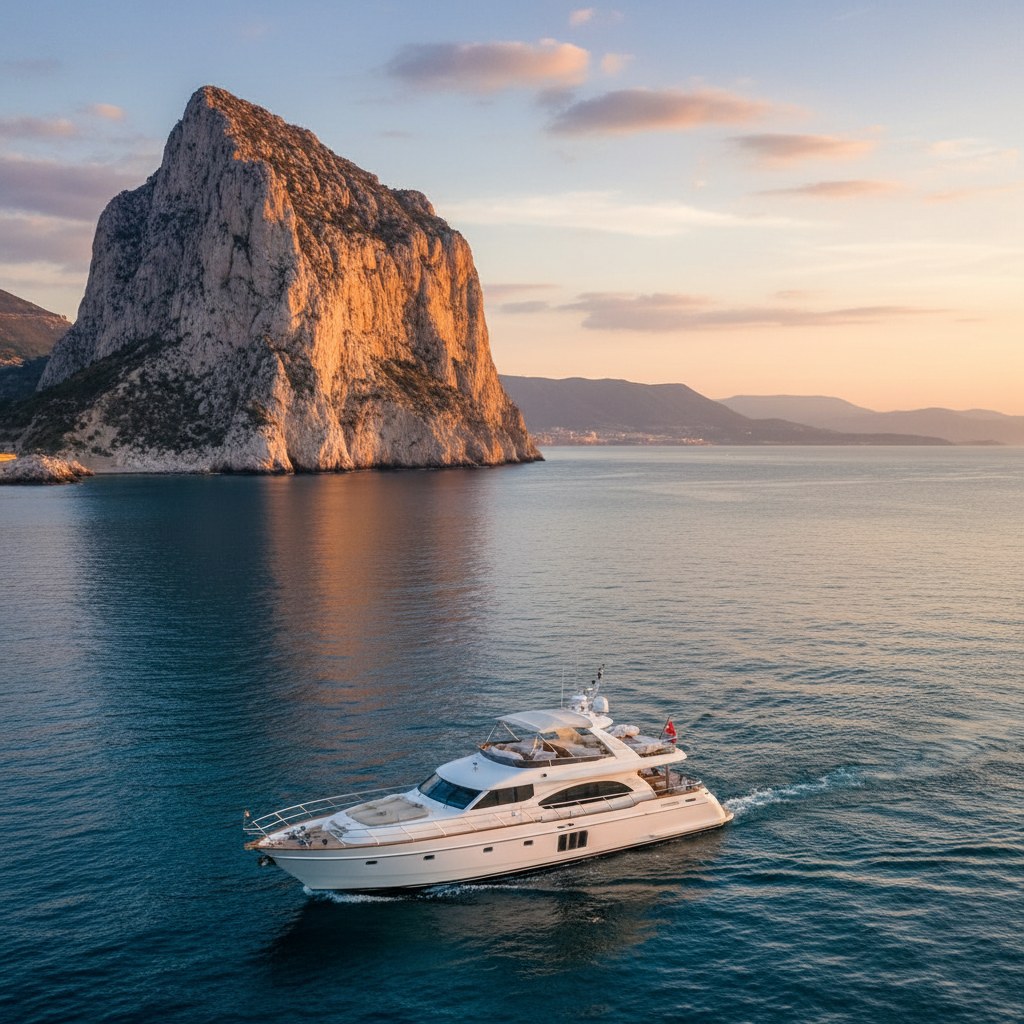
Moorish Castle: Medieval Fortifications and Panoramic Views
The Moorish Castle complex, dominated by its distinctive Tower of Homage, dates to the 8th century when Gibraltar fell under Islamic rule. The tower, rebuilt in 1333, stands as Gibraltar’s most prominent medieval structure, its crenellated walls and commanding position testament to the strategic importance placed on controlling this gateway between seas.
While much of the castle remains closed for ongoing conservation work, the Tower of Homage and sections of the defensive walls are accessible. The climb to the tower’s upper levels rewards visitors with exceptional views across the town, harbour, and bay. Information panels detail the castle’s role through various sieges and its evolution from Moorish fortress to British military installation.
The castle’s position on the lower slopes of the Rock made it the first line of defence against attacks from the landward side. Its thick walls withstood numerous sieges, and walking the ramparts provides tangible connection to the soldiers who manned these positions across eight centuries of conflict.
Ocean Village: Marina Living and Waterfront Dining
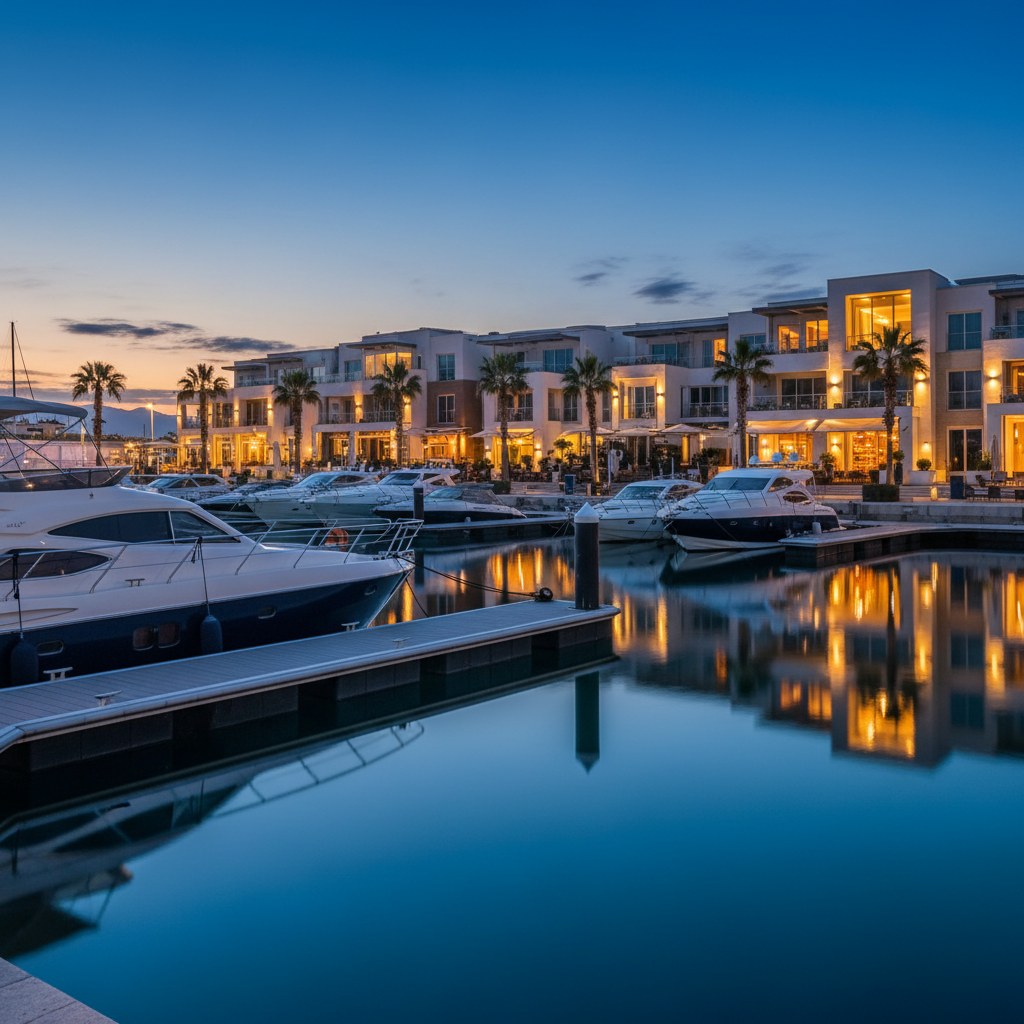
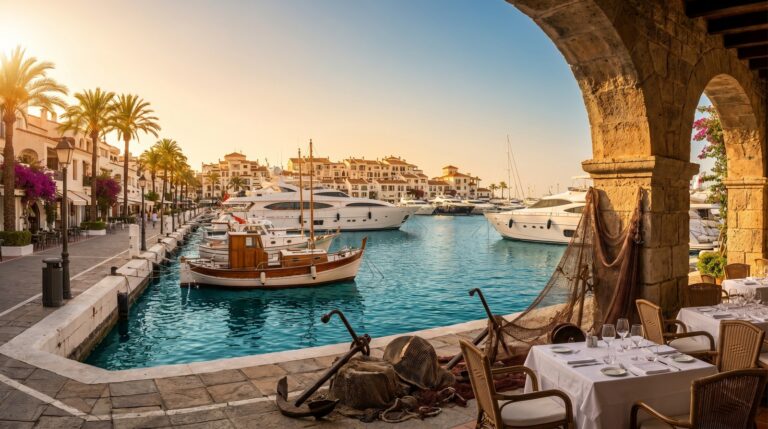
Ocean Village represents modern Gibraltar—a purpose-built marina development where luxury apartments rise above waterfront restaurants, bars, and a casino. Sleek yachts line the pontoons, their polished hulls reflecting the surrounding architecture. The atmosphere here contrasts sharply with Gibraltar’s historic sites, offering contemporary Mediterranean lifestyle in a compact, walkable setting.
The dining scene ranges from casual tapas bars to upscale seafood restaurants, many with terrace seating overlooking the marina. Evening brings a livelier energy as the bars fill and live music drifts across the water. While Ocean Village caters primarily to residents and repeat visitors rather than day-trippers, it offers a pleasant spot for a meal or drink, particularly for those staying overnight.
The development also houses a cinema, shops, and a small beach area, making it a self-contained leisure destination. For those familiar with similar marina developments along the Costa del Sol, Ocean Village will feel comfortably recognisable yet distinctly Gibraltarian in its blend of British and Mediterranean influences.
Planning tip: Gibraltar’s compact size means most attractions can be visited in a single day, but an overnight stay allows a more relaxed pace and the opportunity to experience the territory’s evening atmosphere and dining scene without rushing back to Spain.
Planning Your Gibraltar Experience from Marbella
Gibraltar sits approximately 90 minutes from Marbella by road, making it an ideal day excursion for guests based along the western Costa del Sol. The journey itself offers scenic coastal views, passing through towns like Estepona and Sotogrande before reaching the Spanish border at La Línea de la Concepción. Border crossing times vary significantly—early morning and evening can involve substantial queues, while mid-morning and early afternoon typically move more quickly.
Once across the border, you’ll encounter one of aviation’s most unusual sights: the airport runway crosses Winston Churchill Avenue, the main road into town, meaning traffic stops when aircraft land or depart. Parking can be challenging in Gibraltar itself, so many visitors park in La Línea and walk across the border—a 10-minute walk that avoids both parking fees and potential vehicle queues.
Currency in Gibraltar is the Gibraltar pound (equal to British pounds sterling), though euros are widely accepted. UK mobile phone roaming rules apply for British visitors, while EU visitors should check their provider’s policies. The territory’s compact size means walking is feasible for most attractions, though the cable car, taxis, and organised tours provide alternatives for reaching the upper Rock.
For visitors seeking a seamless experience without the logistics of border crossings, parking, and route planning, Marbella Hospitality’s concierge services can arrange private chauffeur transfers and guided tours. This allows you to focus entirely on experiencing these remarkable Gibraltar attractions while leaving the practical details to professionals who know the route intimately.
Arrange Your Gibraltar Day Trip with Marbella Hospitality
Whether you’re staying in one of our luxury Marbella properties or simply seeking expert assistance with your Costa del Sol itinerary, our team can orchestrate a flawless Gibraltar experience. From private vehicle arrangements with experienced drivers who navigate border crossings efficiently, to reservations at Gibraltar’s finest restaurants, we ensure every detail reflects the seamless service our clients expect.
Gibraltar’s unique position as a British territory on Spanish soil creates fascinating contrasts—military history alongside nature reserves, tax-free shopping beside Moorish fortifications, wild monkeys roaming above a bustling marina. These ten attractions represent the essential experiences, but the territory rewards exploration beyond the standard itinerary. Hidden staircases, quiet viewpoints, local pubs, and chance encounters with resident macaques often become the most memorable moments.
To discuss Gibraltar day trips, yacht charters that cruise past the Rock, or any aspect of your Marbella stay, contact our concierge team. We’re here to transform your Costa del Sol visit into an extraordinary experience, whether that means arranging exclusive access, securing impossible reservations, or simply ensuring your journey unfolds exactly as envisioned.