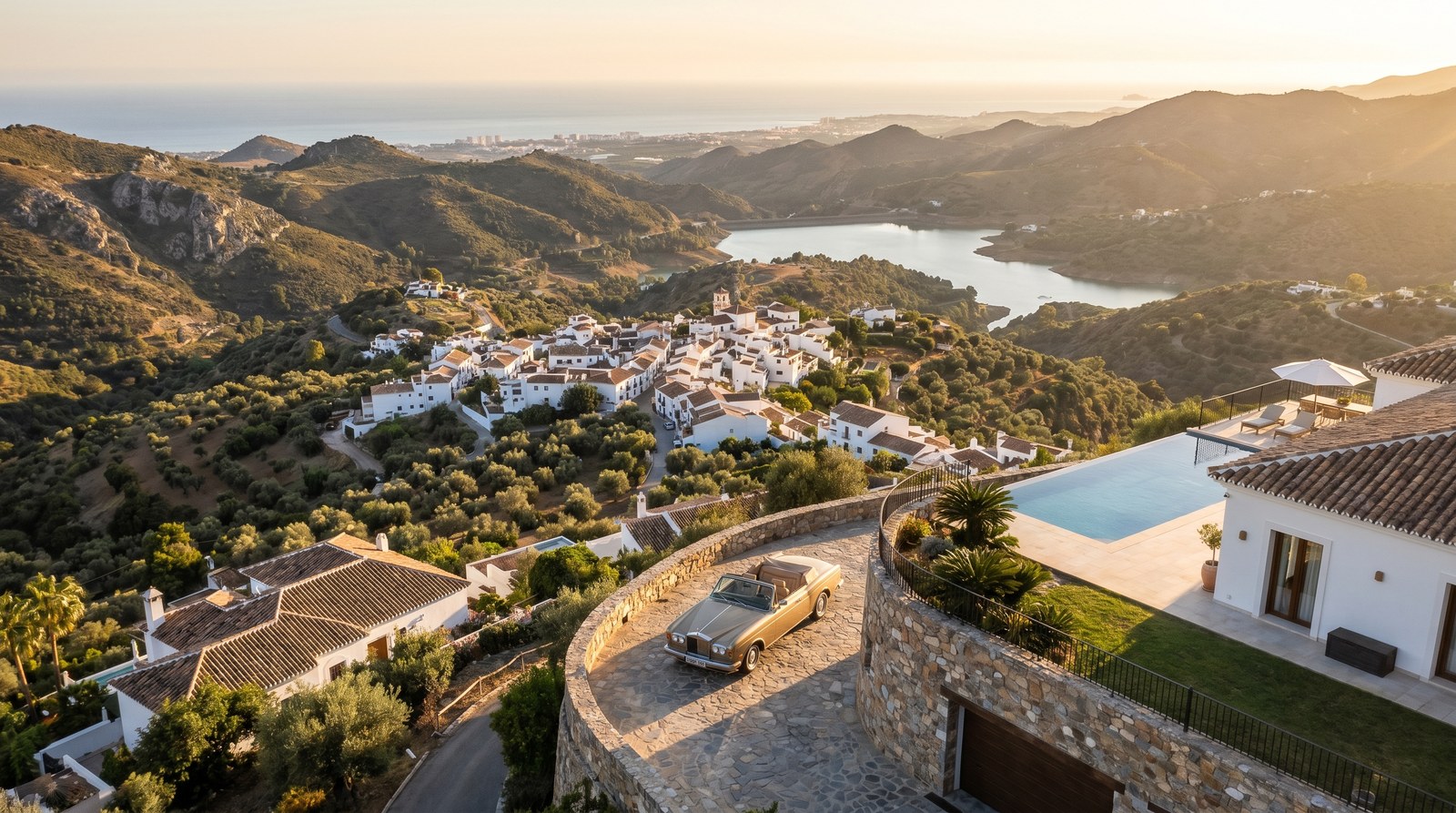
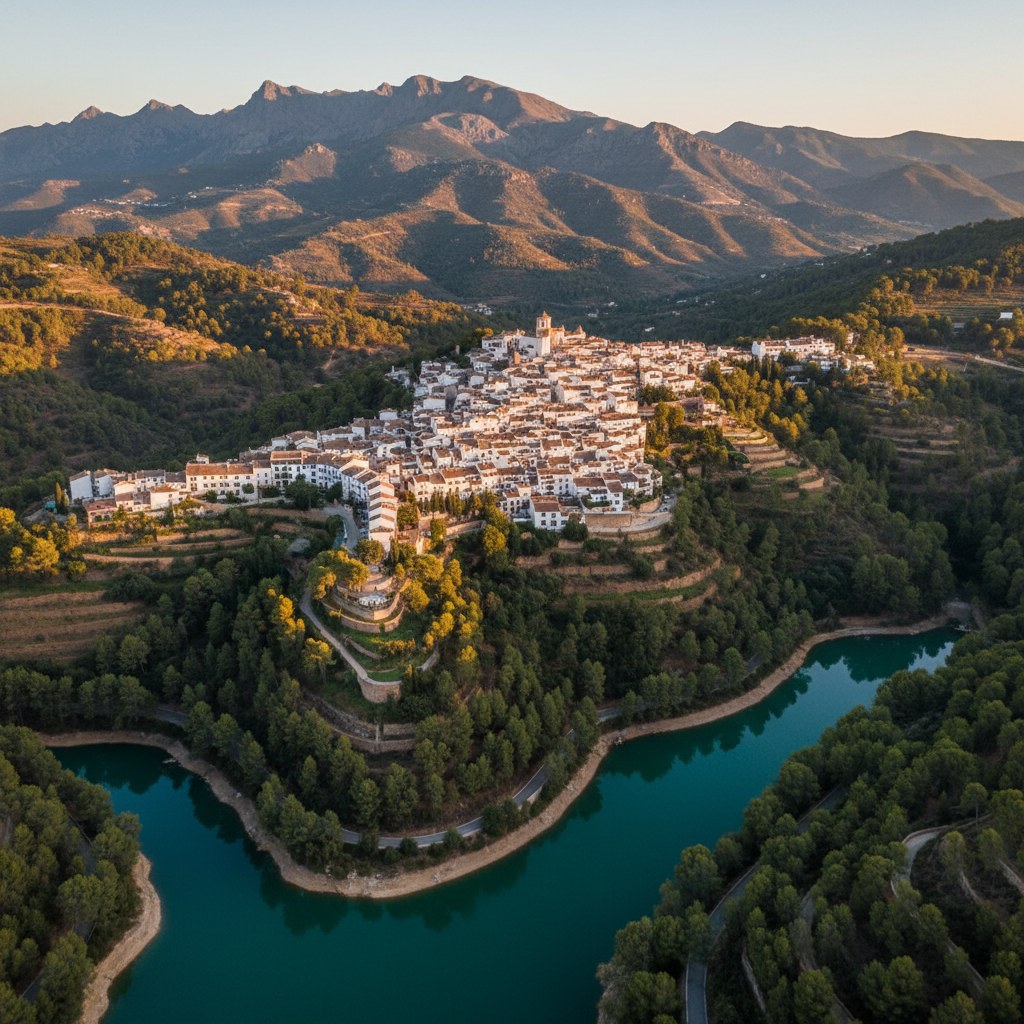
Just fifteen minutes inland from Marbella’s glittering coastline, the village of Istán clings to the Sierra de las Nieves foothills like a postcard from another century. Whitewashed houses cascade down steep slopes, geraniums spill from wrought-iron balconies, and the air carries the scent of pine and wild herbs. This is authentic Andalusia — the kind of place where locals still gather in century-old plazas and where the only traffic jam involves a flock of sheep crossing the main road.
For visitors staying in Marbella’s luxury villas or exploring the Costa del Sol, Istán offers a compelling counterpoint to beach clubs and marina promenades. It’s a place where history runs deep, nature dominates, and the pace slows to something almost forgotten along the coast. Whether you’re seeking hiking trails with panoramic reservoir views, Moorish castle ruins, or simply an unhurried lunch in a family-run venta, Istán delivers an experience that feels worlds away from the resort towns below.
The Medieval Legacy of Istán
Istán’s recorded history stretches back more than a millennium, though archaeological evidence suggests human settlement in these mountains dates to Neolithic times. The village’s strategic position — commanding views over the coastal plain and access to mountain passes — made it valuable to successive civilizations.
The Romans built roads through the area, connecting their coastal settlements with interior mining operations. But it was the Moors who left the most enduring mark. During the Al-Andalus period, from the 8th to the 15th centuries, Istán flourished as an agricultural center, its terraced hillsides cultivated with almonds, olives, and citrus.
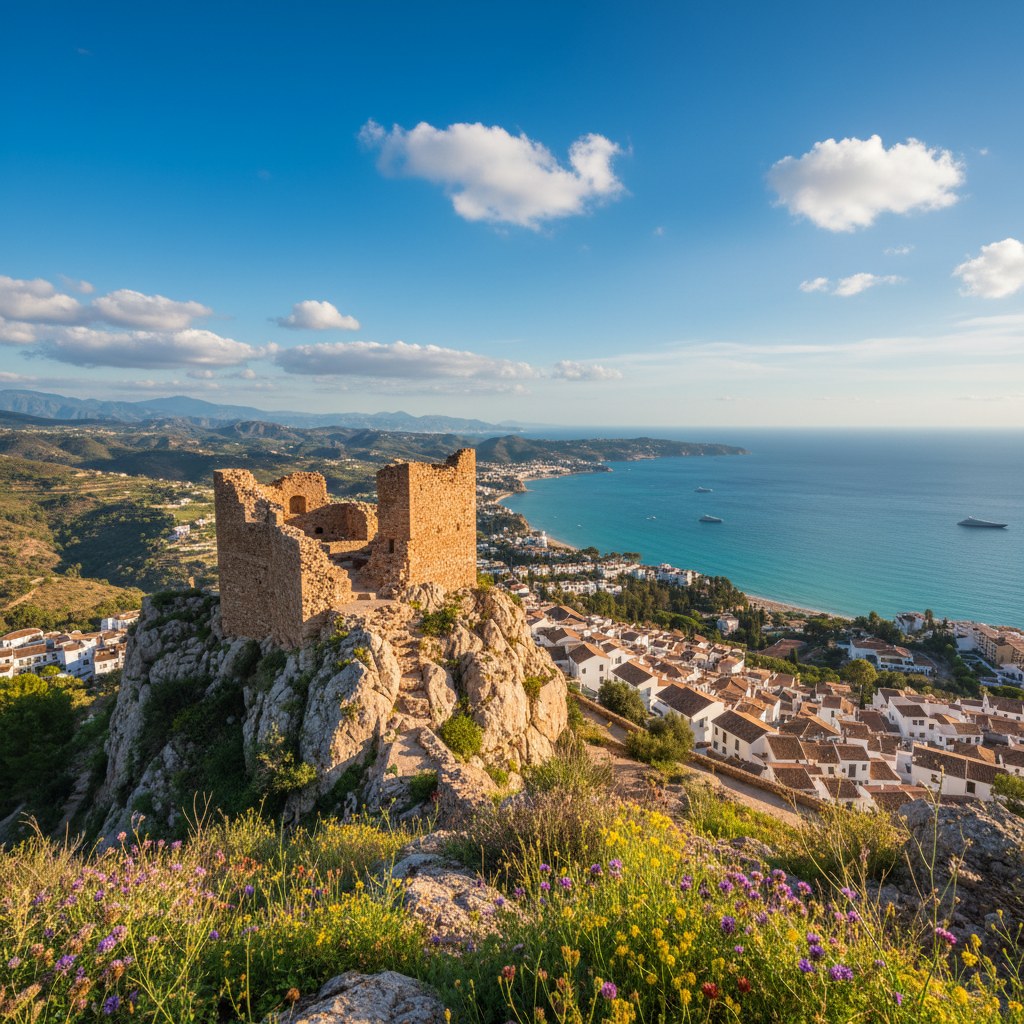
The Castillo de Istán remains the village’s most dramatic monument. Perched on a rocky outcrop above the village proper, this 10th-century Moorish fortress was part of a defensive network protecting the coastal taifa kingdoms. Though largely ruined, the castle walls still stand, and the climb to the top rewards visitors with sweeping views across the reservoir to the Mediterranean beyond. The site is accessible via a steep but well-marked path from the village center — allow thirty minutes for the ascent.
After the Christian Reconquista in 1485, Istán’s Moorish population was eventually expelled, and the village was repopulated with settlers from northern Spain. This transition left architectural layers visible throughout the village: Moorish street patterns overlaid with Christian churches, Renaissance doorways beside medieval arches.
Andalusian Culture and Living Traditions
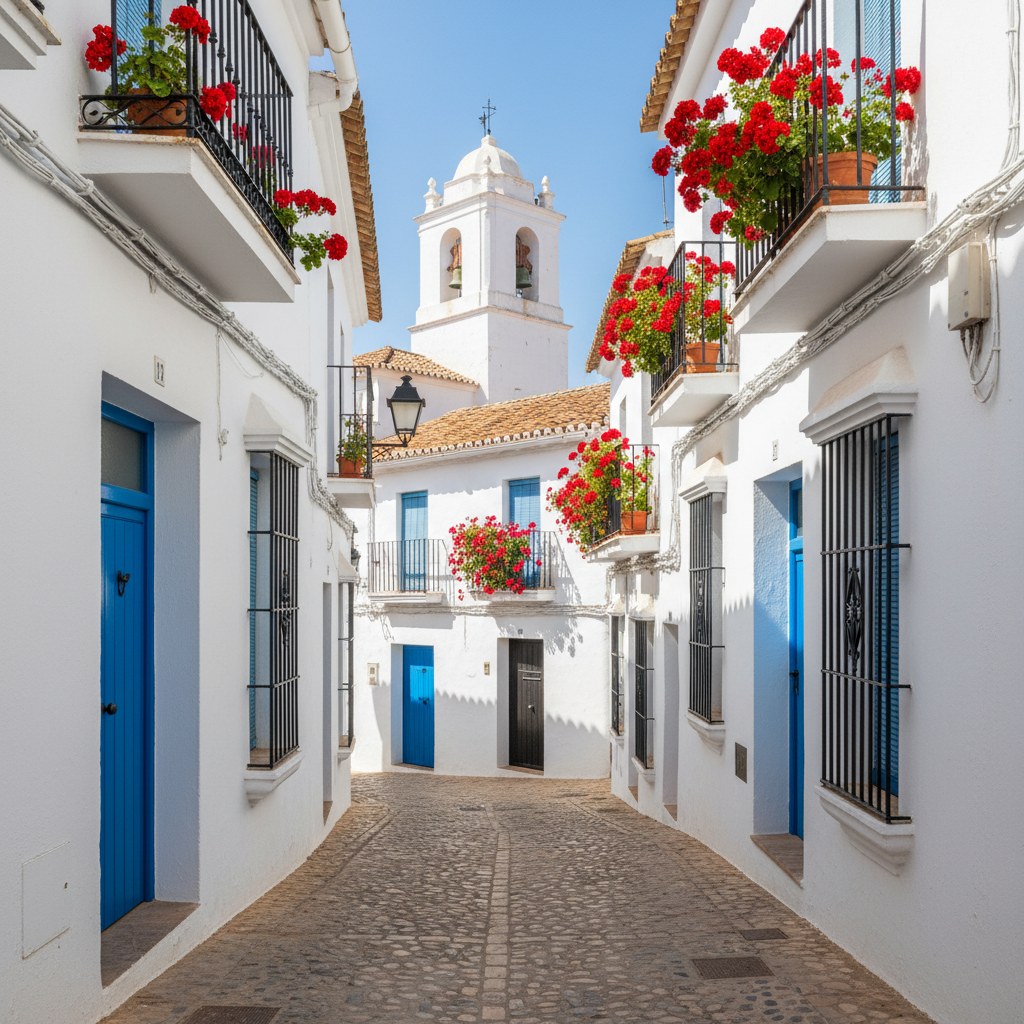
Istán embodies the qualities that define Andalusian mountain villages: narrow cobbled streets too tight for cars, brilliant white facades that deflect the summer heat, and a social life centered on the plaza. The village population hovers around 1,500 residents, many of whom maintain family ties stretching back generations.
The Iglesia de San Miguel Arcángel, dating to the 16th century, anchors the main square. Its bell tower, a later addition, is visible from miles around and serves as a navigational landmark for hikers in the surrounding hills. The church interior features a modest but beautifully preserved Baroque altarpiece and religious paintings from the colonial period.
Several smaller chapels dot the village, including the Ermita del Santo Cristo de la Veracruz, which becomes the focal point during Holy Week processions. These Semana Santa observances in Istán retain an intimacy and authenticity often lost in larger towns — the entire village participates, and the processions wind through streets barely wider than the floats themselves.
Local insight: The Festival of San Miguel, held in late September, transforms the village for three days of music, dancing, and communal feasting. Expect flamenco performances in the plaza, traditional verdiales folk bands, and fireworks that echo off the surrounding peaks.
Music and dance remain central to village identity. Istán maintains a small but active peña flamenca — a flamenco club where enthusiasts gather for impromptu performances. The village also celebrates Día de la Cruz in May, when residents decorate crosses with flowers and compete for the most elaborate display.
Natural Landscapes and Outdoor Adventures
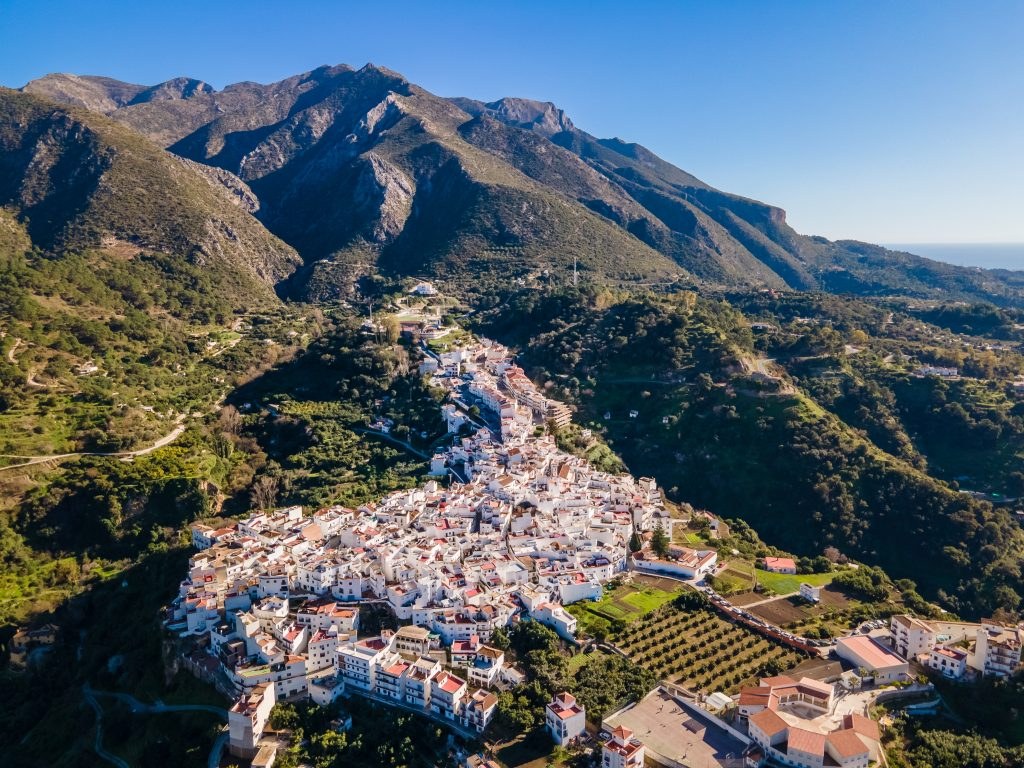
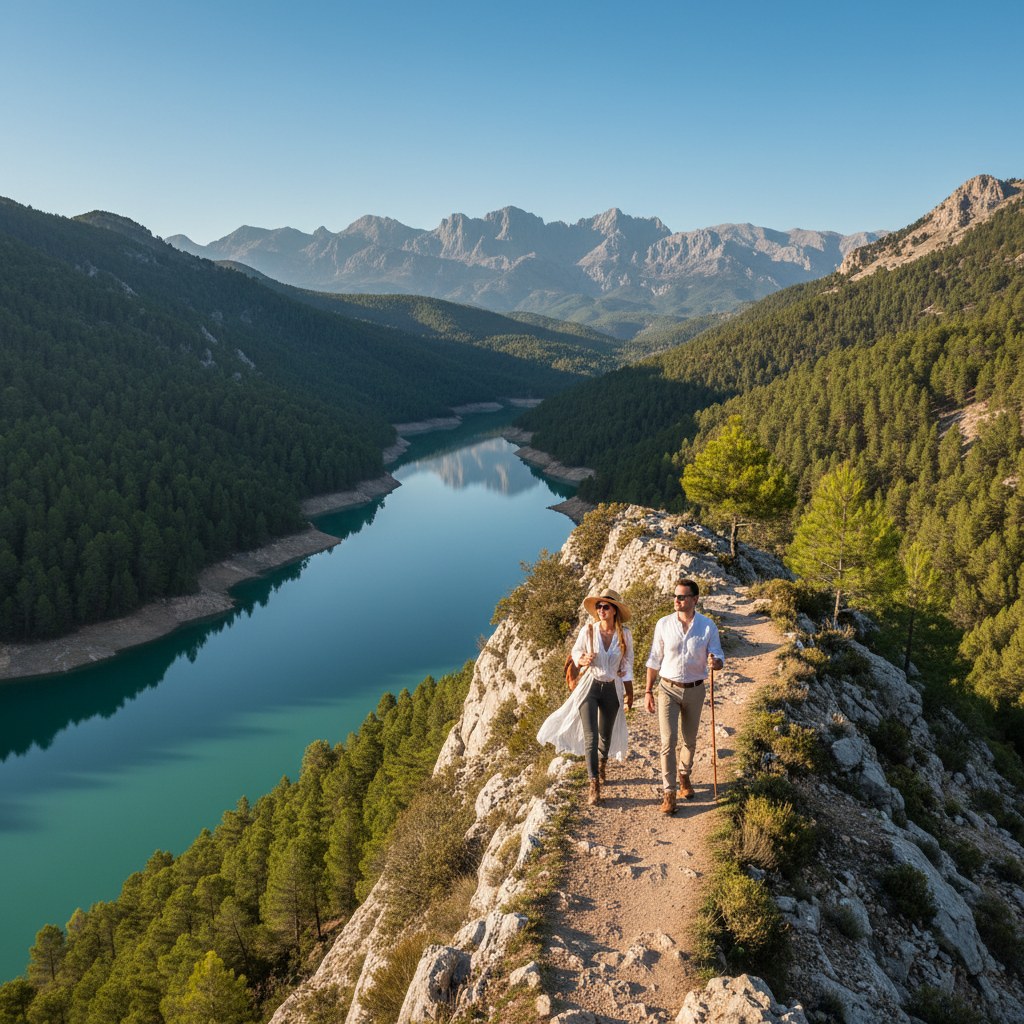
Istán sits at the gateway to the Parque Natural Sierra de las Nieves, a UNESCO Biosphere Reserve recognized for its exceptional biodiversity. The park protects one of Europe’s southernmost populations of Spanish fir (Abies pinsapo), a relict species that survived the Ice Age in these mountains. The varied terrain supports Iberian ibex, golden eagles, Egyptian vultures, and more than 200 plant species found nowhere else.
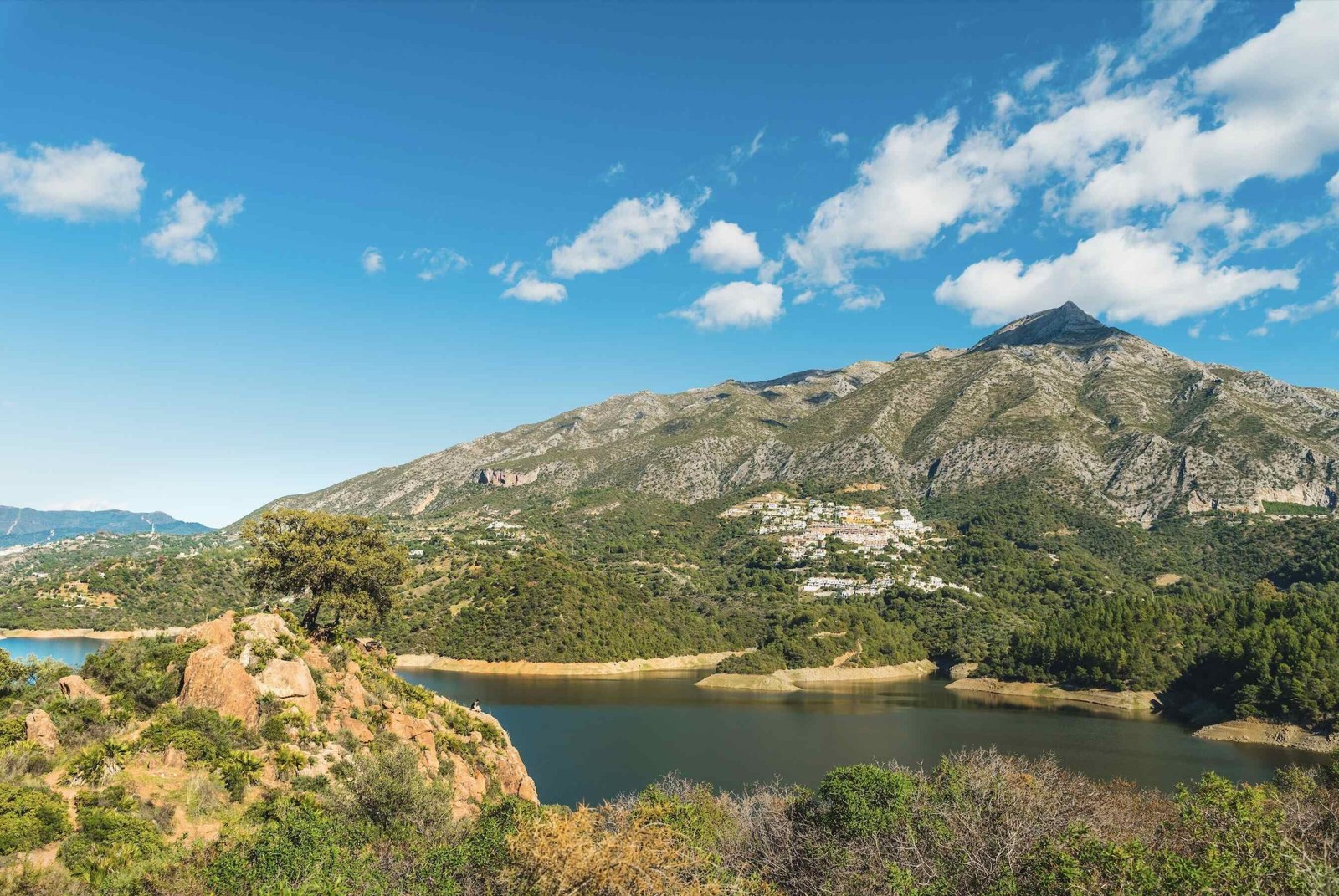
For hikers, the area offers routes ranging from gentle riverside walks to challenging mountain ascents. The Embalse de la Concepción (also called Istán Reservoir) provides the backdrop for several popular trails. This artificial lake, completed in the early 20th century, supplies water to the coastal towns and creates a striking turquoise contrast against the ochre hills.
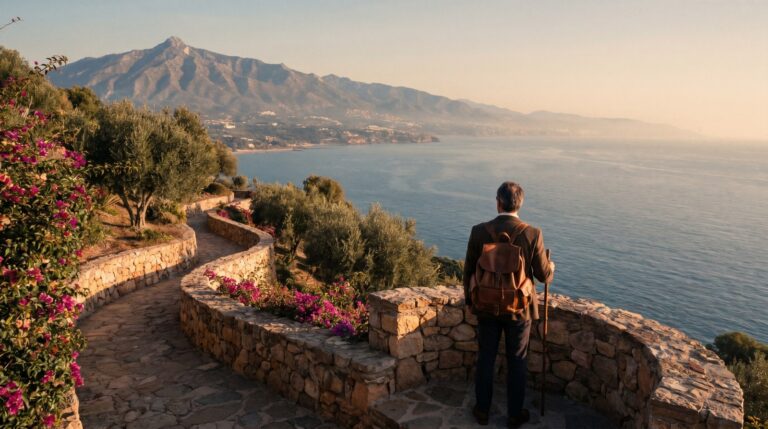
One of the most rewarding walks begins at the Puerta Verde de Marbella viewpoint, a designated overlook on the A-7176 road just above the village. From here, a well-maintained path descends toward the reservoir shore, offering constantly changing perspectives on the water and mountains. The route is suitable for families and takes roughly ninety minutes round-trip. Bring binoculars — the reservoir attracts waterfowl year-round, including herons, cormorants, and seasonal migrants.
More ambitious hikers can tackle sections of the Gran Senda de Málaga, the long-distance footpath that crosses Málaga province. Stage 21 passes through Istán, connecting the village with Ojén to the south and Monda to the north. This section traverses pine forests, crosses mountain streams, and climbs to ridgelines with views extending to Africa on clear days.
The reservoir itself supports water sports during warmer months. Kayaking and stand-up paddleboarding are popular activities, with several local operators offering equipment rental and guided tours. The calm water and dramatic scenery make for memorable outings, though swimming is officially prohibited due to the reservoir’s role in water supply.
For those preferring organized excursions, arrangements can be made through concierge services to include hiking guides, picnic provisions, and transportation to trailheads — particularly valuable for visitors unfamiliar with mountain terrain.
Dining in Istán: Simple, Seasonal, Authentic
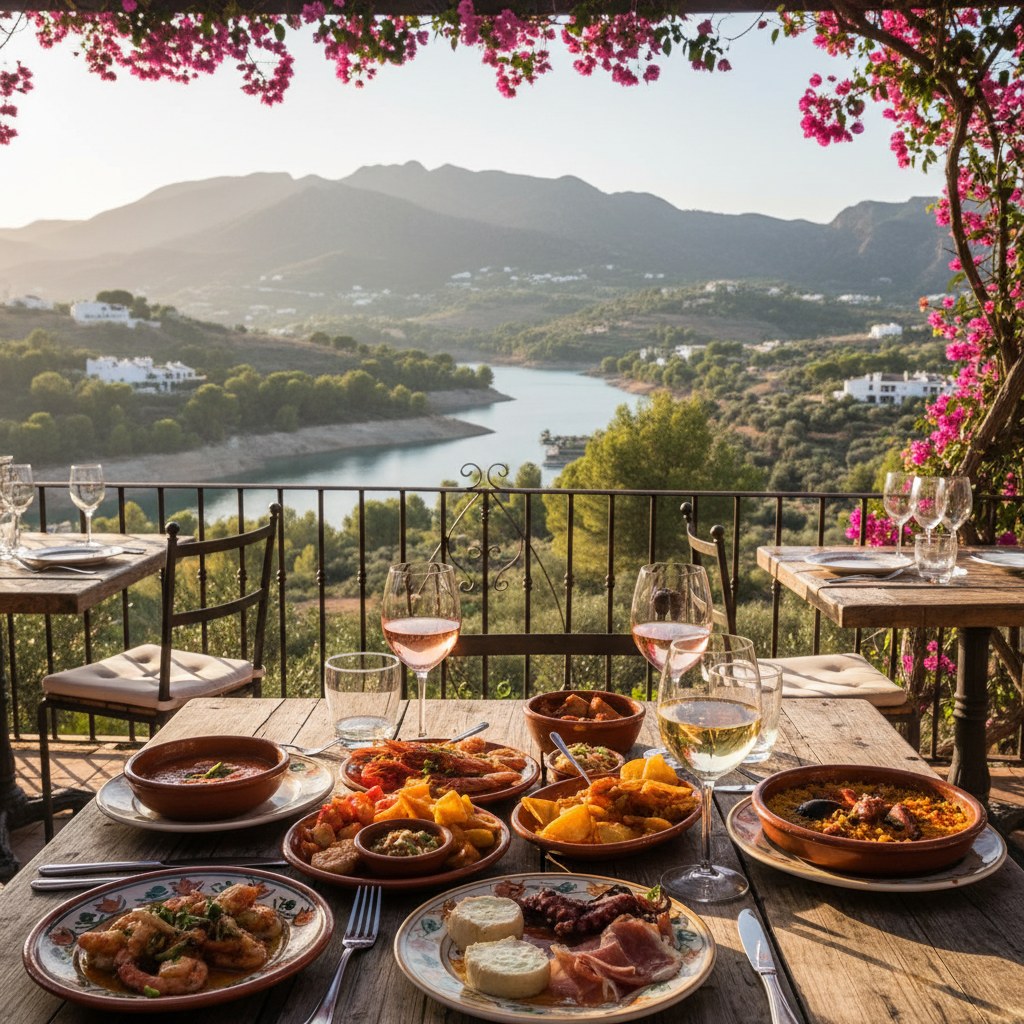
Istán’s restaurant scene won’t be confused with Marbella’s Michelin-starred establishments, but that’s precisely the point. The handful of eateries here specialize in traditional mountain cooking: hearty portions, seasonal ingredients, and recipes passed down through generations.
Tapas culture thrives in the village bars, where a glass of local wine still comes with a complimentary small plate. Expect classics like boquerones en vinagre (marinated anchovies), chorizo al vino (sausage in red wine), and ensaladilla rusa (potato salad). During autumn and winter, game dishes appear on menus — conejo en salmorejo (rabbit in almond sauce) and venado estofado (venison stew) reflect the mountain hunting tradition.
Gazpacho and ajoblanco — cold soups perfect for summer heat — are made daily in most kitchens. The local version of ajoblanco, a white gazpacho made with almonds and garlic, often includes grapes or melon and showcases the region’s Moorish culinary heritage.
Several restaurants occupy prime positions overlooking the reservoir. Venta Los Morenos and Restaurante El Refugio both offer terrace seating with panoramic views, serving grilled meats, fresh salads, and paella on weekends. Reservations are advisable during summer weekends when day-trippers from the coast arrive for lunch.
The village also produces local honey, olive oil, and almonds — look for these products in the small shops around the main square. The honey, harvested from hives in the surrounding mountains, ranges from light orange blossom varieties to dark, intense chestnut honey.
Insider tip: Ask for migas if you visit in cooler months. This traditional shepherd’s dish of fried breadcrumbs, garlic, and pork is comfort food at its finest, often served with grapes or pomegranate seeds for contrast.
Reaching Istán from Marbella
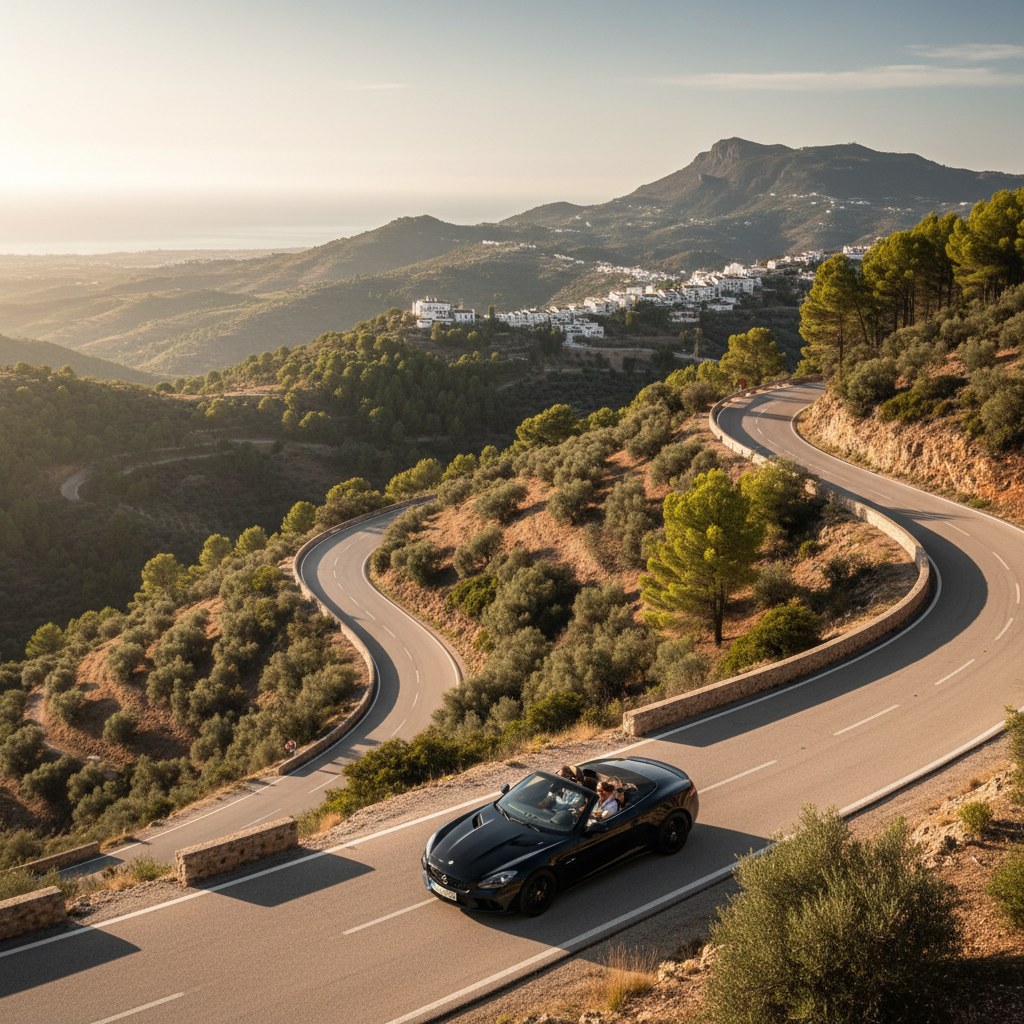
Istán lies approximately 15 kilometers northeast of Marbella, a journey that climbs from sea level to 320 meters elevation. The drive takes 20-25 minutes via the A-7176 road, which winds through increasingly dramatic scenery as it leaves the coastal plain behind.
From Puerto Banús, take the A-7 motorway briefly north, then exit onto the A-7176 toward Istán. The road is well-maintained but narrow in sections, with hairpin bends and limited shoulders. Drive attentively, especially during summer when tour buses share the route.
Public transport exists but is limited. The M-637 bus line connects Marbella with Istán, operating several times daily on weekdays and reduced service on weekends. Check current schedules through the Consorcio de Transporte Metropolitano del Área de Málaga, as times vary seasonally.
For visitors staying in luxury villas along the Golden Mile or in Marbella East, a private driver offers the most comfortable option. This allows you to enjoy the scenery without navigating unfamiliar mountain roads, and provides flexibility for stops at viewpoints along the route.
Parking in Istán village center is limited but usually available. Several small lots sit near the main plaza, and street parking is permitted on wider sections of the main road. Arrive before midday on weekends to secure a spot during peak season.
Combining Istán with Other Mountain Villages
Istán works beautifully as part of a broader exploration of Marbella’s mountain hinterland. The village sits within easy reach of several equally charming pueblos blancos, each with distinct character.
Ojén, just ten minutes south, is famous for its aguardiente (anise liquor) and its annual flamenco festival in August. The village offers more dining options than Istán and serves as another access point to Sierra de las Nieves hiking trails.
Monda, fifteen minutes northeast, sits in the shadow of its restored Moorish castle, now a boutique hotel. The village hosts a colorful Fiesta de los Nabos (Turnip Festival) in December, celebrating an agricultural tradition dating to medieval times.
A circular route visiting Istán, Ojén, and Monda makes for an excellent day trip, combining castle ruins, reservoir views, forest walks, and traditional meals. This type of curated cultural excursion can be arranged through concierge services, including private guides who provide historical context and local knowledge.
Seasonal Considerations for Visiting Istán
Istán’s elevation and inland position create a microclimate distinct from the coast. Summer temperatures run 5-8 degrees cooler than Marbella, making the village a popular escape during July and August heat waves. Even on sweltering coastal days, Istán often enjoys afternoon breezes and comfortable evenings.
Spring (March-May) brings wildflowers to the hillsides and the most comfortable hiking conditions. The reservoir sits at its fullest after winter rains, and the landscape glows green before the summer heat arrives. This is prime time for photography and outdoor activities.
Autumn (September-November) offers warm days, fewer crowds, and the grape harvest. The September festival transforms the village, and October provides perhaps the best weather of the year — warm but not hot, with crystal-clear visibility.
Winter (December-February) can be surprisingly cold, especially at night, and snow occasionally dusts the higher peaks visible from the village. Some restaurants reduce hours or close midweek during the quietest months. However, winter offers a unique charm — wood fires in village bars, hearty stews, and a profound sense of tranquility.
Summer (June-August) sees the most visitors, particularly weekends when Marbella residents escape the coast. Arrive early or plan midweek visits to avoid crowds at viewpoints and restaurants.
Why Book Your Istán Experience with Marbella Hospitality
Exploring Istán and the mountain villages requires more than simply following GPS directions. Our local team arranges comprehensive cultural excursions tailored to your interests — whether that means private hiking guides, reservations at family-run restaurants, or curated routes combining history, nature, and gastronomy. We handle transportation, timing, and insider access, ensuring your day in the mountains is as seamless and enriching as your time on the coast. From villa guests seeking authentic experiences to yacht charter clients wanting a break from the sea, we create bespoke itineraries that reveal the real Andalusia.
Beyond the Beach: Discovering Marbella’s Cultural Depth
Istán represents something essential about the Costa del Sol that’s easy to miss amid the luxury hotels and beach clubs: this region possesses genuine cultural depth, centuries-old traditions, and natural beauty that extends far beyond its famous coastline. The village serves as a reminder that Marbella’s appeal isn’t solely about yachts and nightlife — it’s also about proximity to authentic Andalusian life.
For visitors dividing their time between coastal properties and mountain excursions, Istán offers the perfect complement to beach days and marina evenings. It’s a place where time moves differently, where conversations happen in plazas rather than lobbies, and where the mountains remind you that this landscape was shaped by forces far older than tourism.
The village asks nothing of you except attention — to the light on whitewashed walls, the taste of honey from mountain wildflowers, the view across the reservoir at sunset. In return, it offers something increasingly rare: authenticity without performance, beauty without pretense, and a glimpse of Andalusia as it’s been for centuries.
Whether you spend an afternoon or a full day, whether you hike to the castle or simply enjoy lunch with a view, Istán delivers an experience that enriches any Marbella stay. It’s the kind of place that reminds you why you traveled in the first place — not just to see famous sights, but to discover something genuine.
To arrange a private excursion to Istán, including transportation, guided walks, and restaurant reservations, contact our concierge team. We’ll design an itinerary that matches your interests and ensures you experience the best of Marbella’s mountain villages.