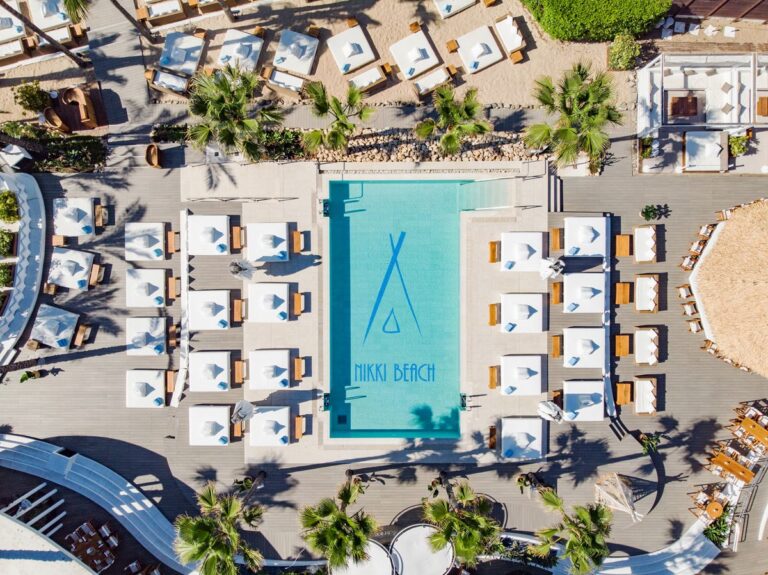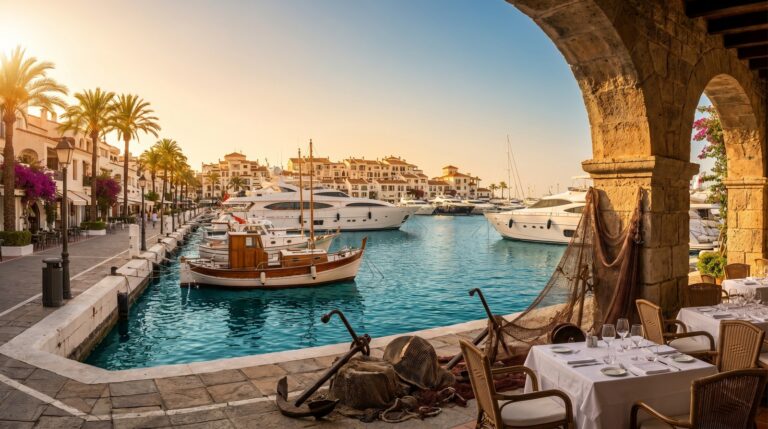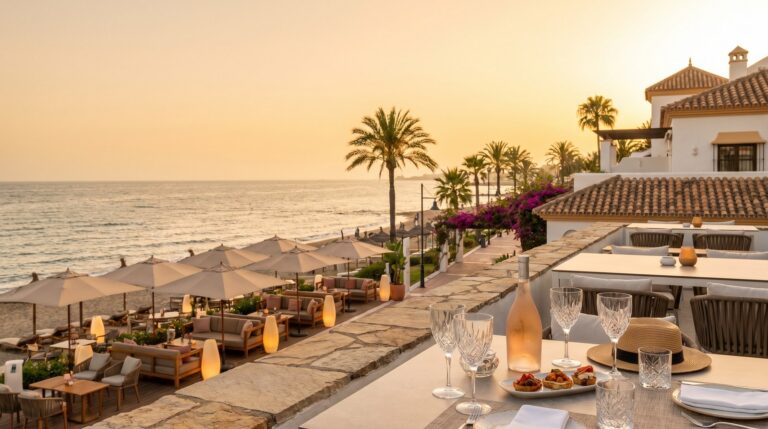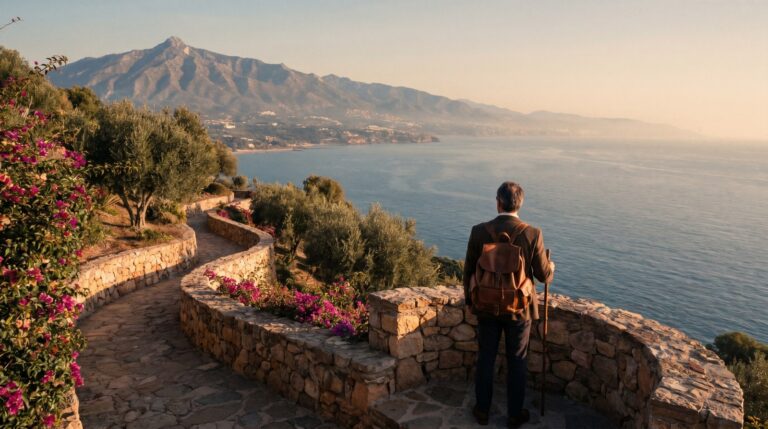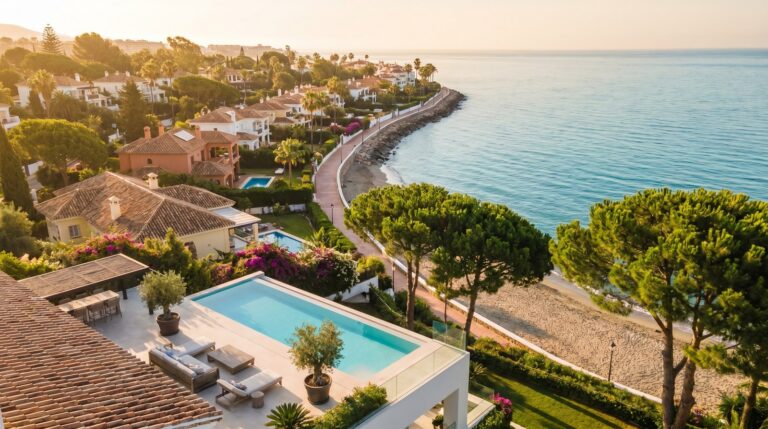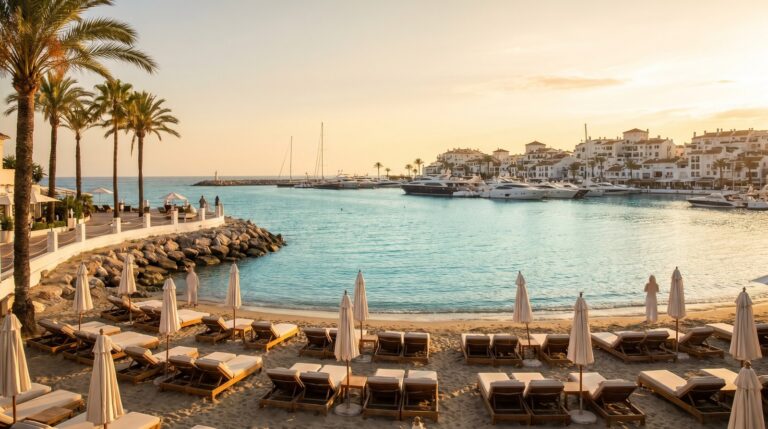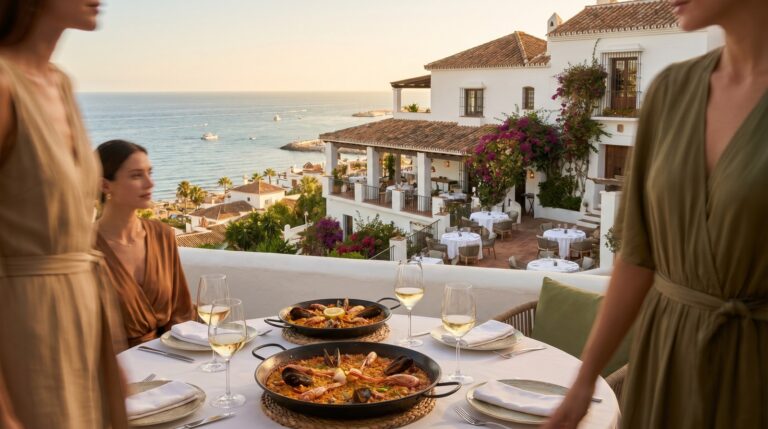
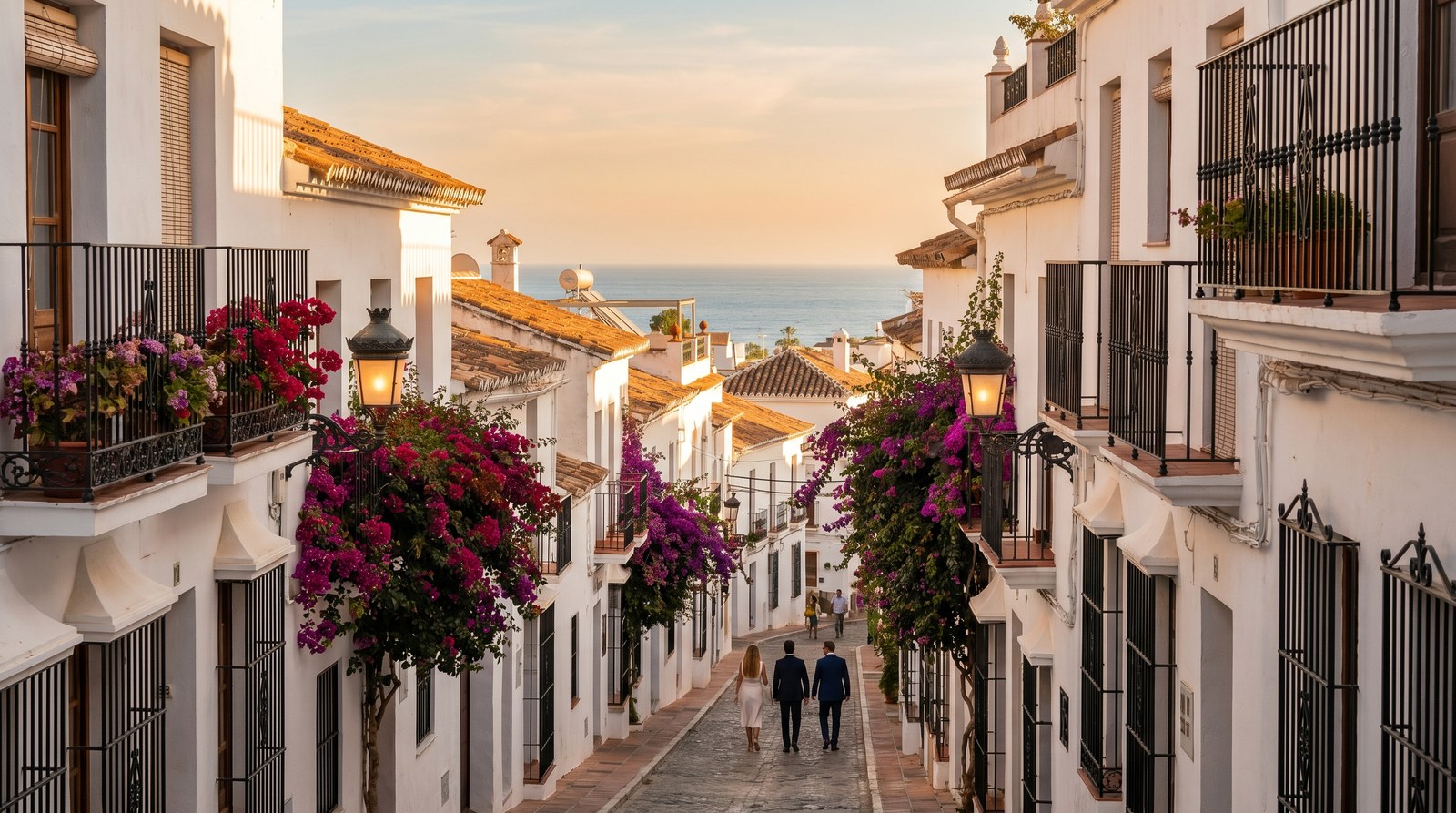
Beyond the superyachts of Puerto Banús and the sunbeds of Nikki Beach lies the soul of Marbella. The Old Town—or Casco Antiguo—is where whitewashed walls meet cascading bougainvillea, where centuries-old churches stand beside artisan boutiques, and where the rhythm of Andalusian life unfolds in shaded plazas and intimate tapas bars. For discerning travellers seeking authenticity alongside luxury, this historic quarter is an essential counterpoint to the glitz of the Golden Mile.
Whether you’re staying in one of our luxury villas or simply exploring Marbella between yacht charters and beach club reservations, the Old Town rewards those who wander its labyrinthine streets with a sense of place money cannot buy.
Why Visit Marbella Old Town
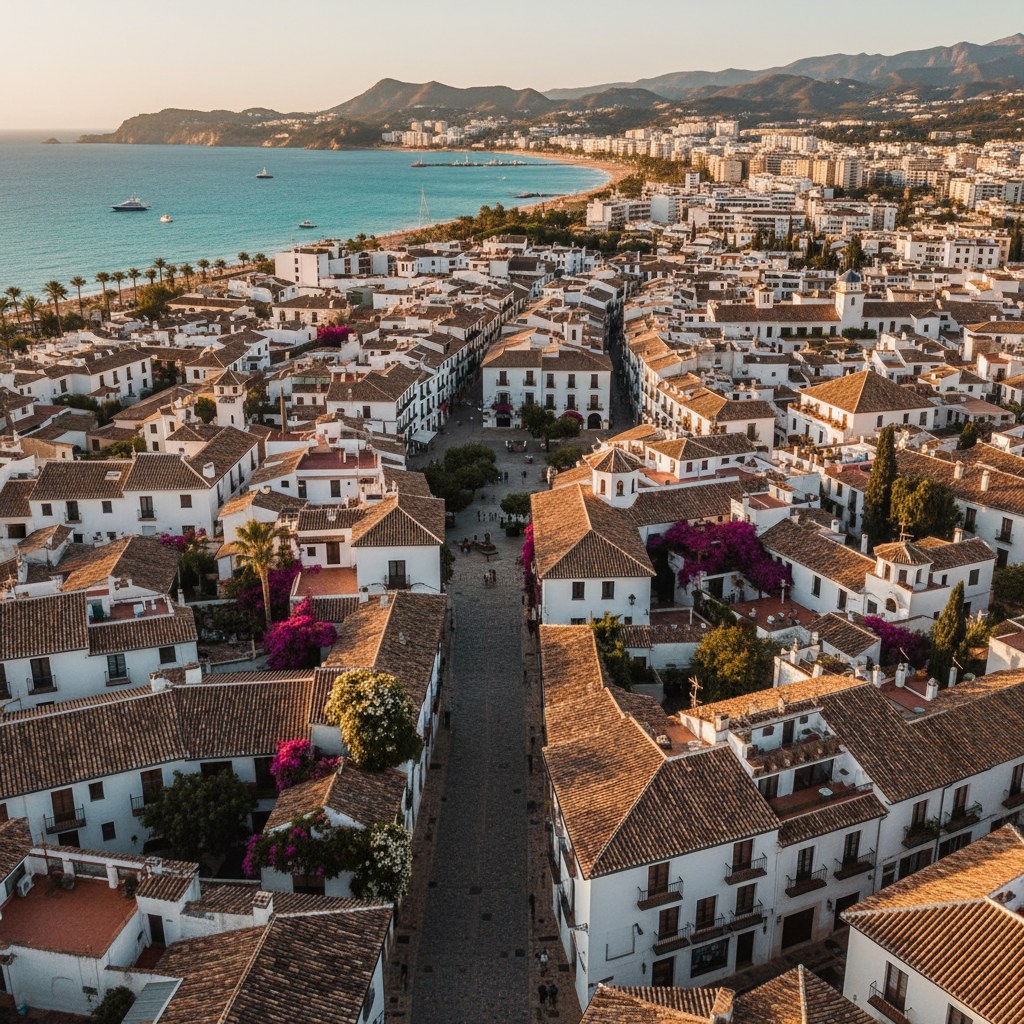
The Old Town sits just inland from the beachfront promenade, a compact maze of narrow streets radiating from Plaza de los Naranjos. Dating back to the Moorish era and significantly expanded after the Christian Reconquest in 1485, this neighbourhood retains the architectural DNA of southern Spain: low-rise, tile-roofed buildings painted brilliant white to deflect the Andalusian sun, wrought-iron balconies overflowing with geraniums, and cobblestones polished smooth by centuries of footfall.
Unlike the purpose-built resort developments that line the coast, the Old Town evolved organically. Its charm lies in the interplay of eras—16th-century churches, remnants of medieval fortifications, 18th-century plazas, and contemporary galleries and restaurants—all compressed into a walkable area you can explore in an hour or savour over an afternoon.
In summer, the streets hum with energy: live flamenco spills from tapas bars, boutique windows display linen resort wear, and the scent of jasmine mingles with espresso. In winter, the pace slows, locals reclaim the plazas, and you can photograph Calle Carmen without a queue of influencers.
Insider tip: Visit mid-morning on a weekday to experience the Old Town at its most authentic—when shopkeepers sweep their doorsteps, elderly residents pause for coffee in Plaza de la Iglesia, and the market is in full swing.
Starting Point: Avenida del Mar and Parque de la Alameda
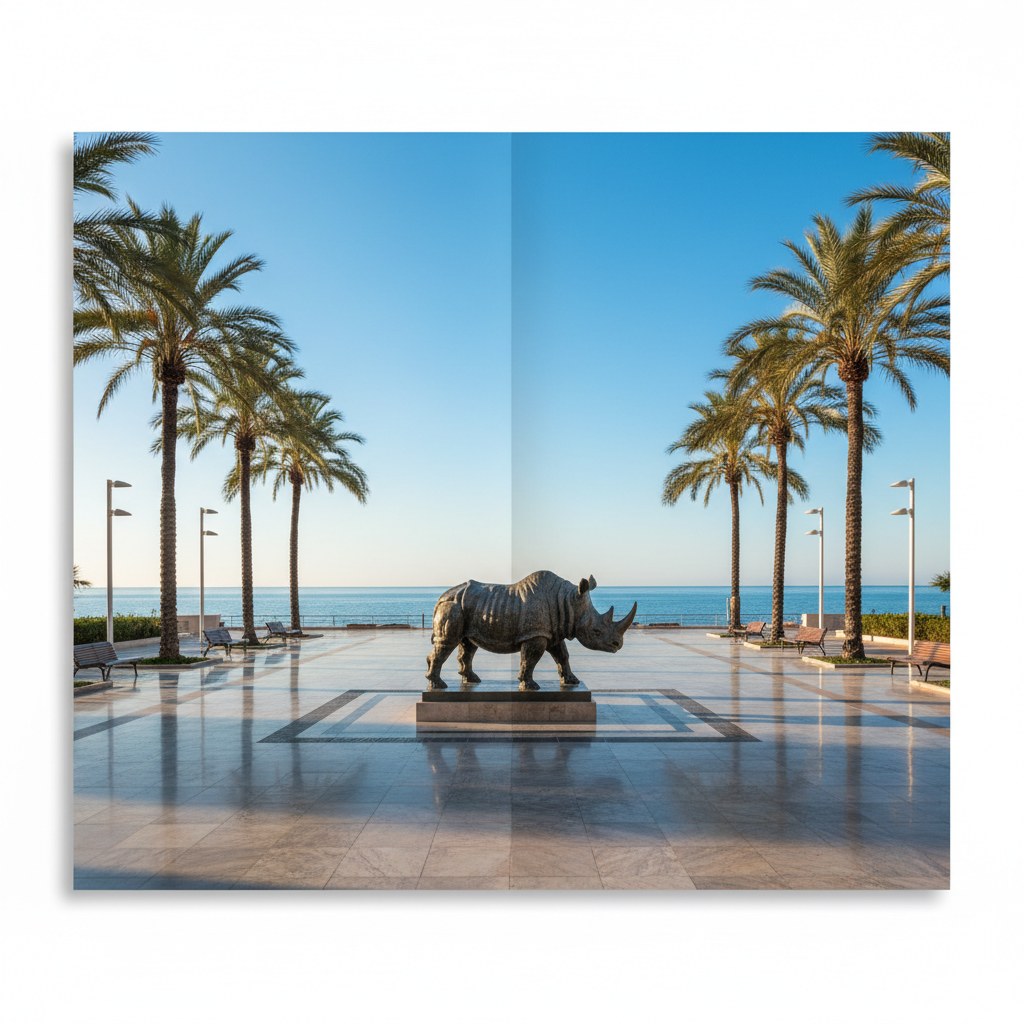
Most visitors approach the Old Town from the coast. If you’re driving, the Indigo – Avenida del Mar underground car park offers convenient access at the southern edge of the historic quarter. Exit onto Avenida del Mar, a broad pedestrian boulevard connecting the beach to the Old Town, lined with palm trees and ten bronze sculptures by Salvador Dalí—surrealist figures that seem incongruous yet strangely at home beneath the Mediterranean sky.
This promenade was designed in the 1990s to create a ceremonial approach to the Old Town, echoing the grand avenues of 19th-century resorts. Today it serves as a transition zone between Marbella’s beach culture and its historic core.
At the northern end of Avenida del Mar, you’ll enter Parque de la Alameda, a small city park established in the late 1990s. Though modest in size, it offers welcome shade and a glimpse of local life: retirees on tiled benches, children circling on an old-fashioned carousel, and a central fountain that becomes a gathering point on warm evenings. The park’s ceramic-tiled benches, decorated with traditional Andalusian motifs, are worth a moment’s attention—craftsmanship that reflects the region’s Moorish heritage.
Navigating the Old Town
From Parque de la Alameda, narrow streets funnel you northward into the heart of the Casco Antiguo. There’s no single prescribed route—part of the pleasure is getting slightly lost—but most visitors gravitate toward Plaza de los Naranjos, the Old Town’s geographic and social centre.
Plaza de los Naranjos: The Orange Tree Square
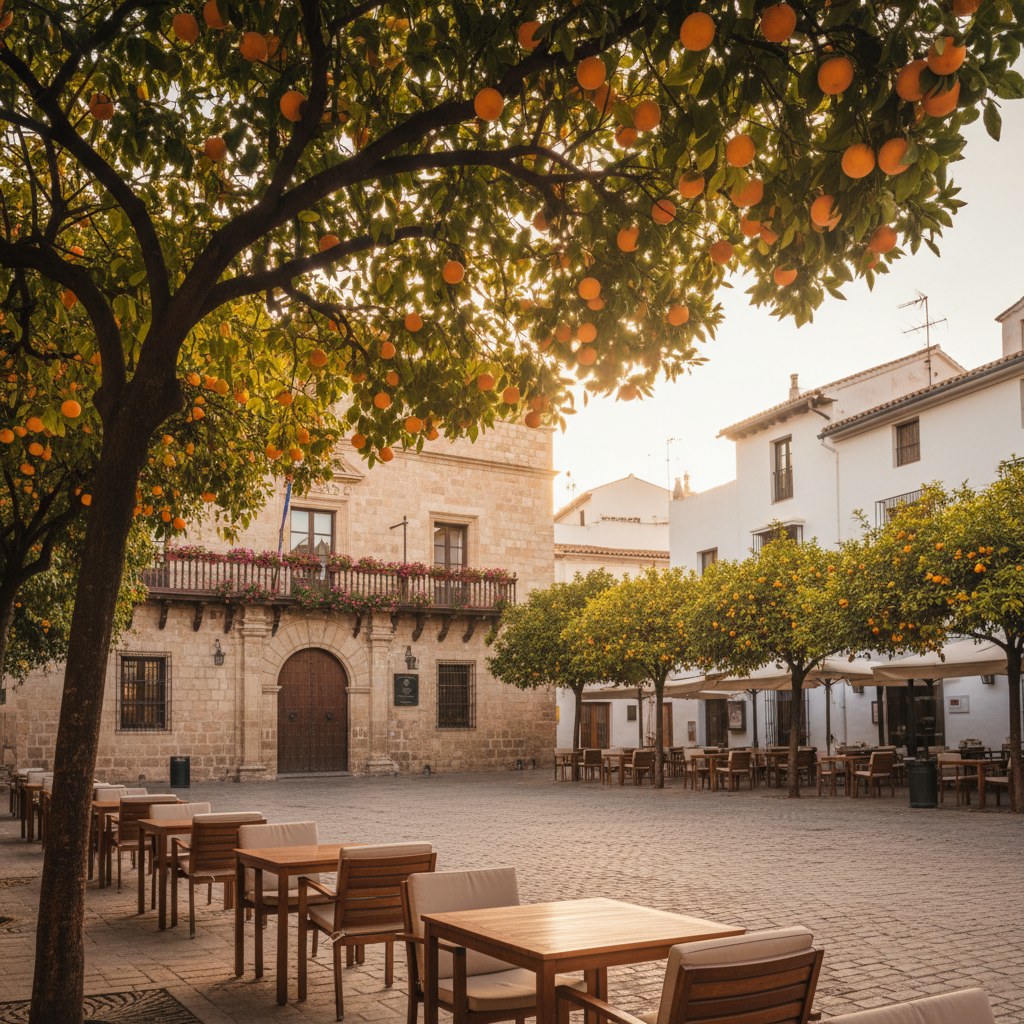
Plaza de los Naranjos is the postcard image of Marbella Old Town. Laid out in 1485 shortly after the Christian conquest, this square takes its name from the bitter orange trees (naranjos) that provide dappled shade across its cobblestones. In spring, their white blossoms perfume the air; in winter, the fruit hangs heavy and golden, though too sour to eat—these are ornamental varieties, their fruit destined for marmalade rather than the table.
The plaza is framed by historic buildings: the 16th-century Casa Consistorial (former town hall) with its stone façade and wooden balconies, the Chapel of Santiago (the oldest religious building in Marbella, dating to the late 15th century), and a collection of whitewashed houses now occupied by restaurants and cafés.
By day, Plaza de los Naranjos is a tranquil spot for coffee beneath the trees. By night, it transforms: outdoor tables fill with diners, musicians perform, and the square becomes a stage for Marbella’s social life. The restaurants here cater largely to tourists, and prices reflect the location—for more authentic dining, venture into the surrounding streets (we’ll return to that shortly).
Local knowledge: The orange trees in the plaza are Citrus aurantium, a bitter variety introduced to Spain by the Moors. The fruit is harvested each winter and traditionally used to make marmalade and the liqueur Cointreau.
Iglesia de la Encarnación: Marbella’s Architectural Jewel
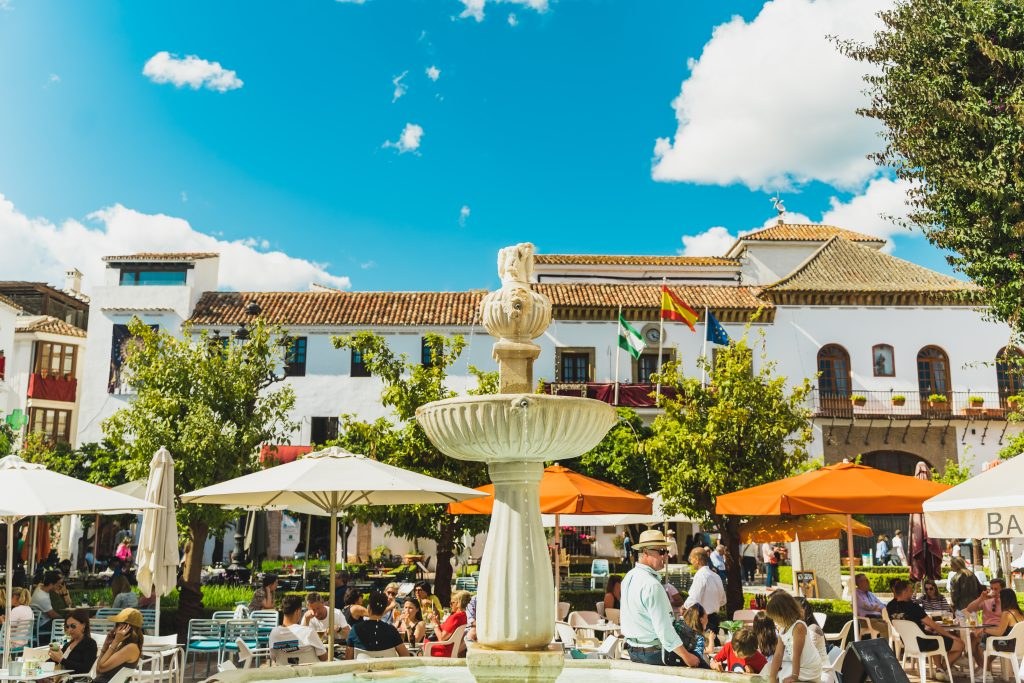
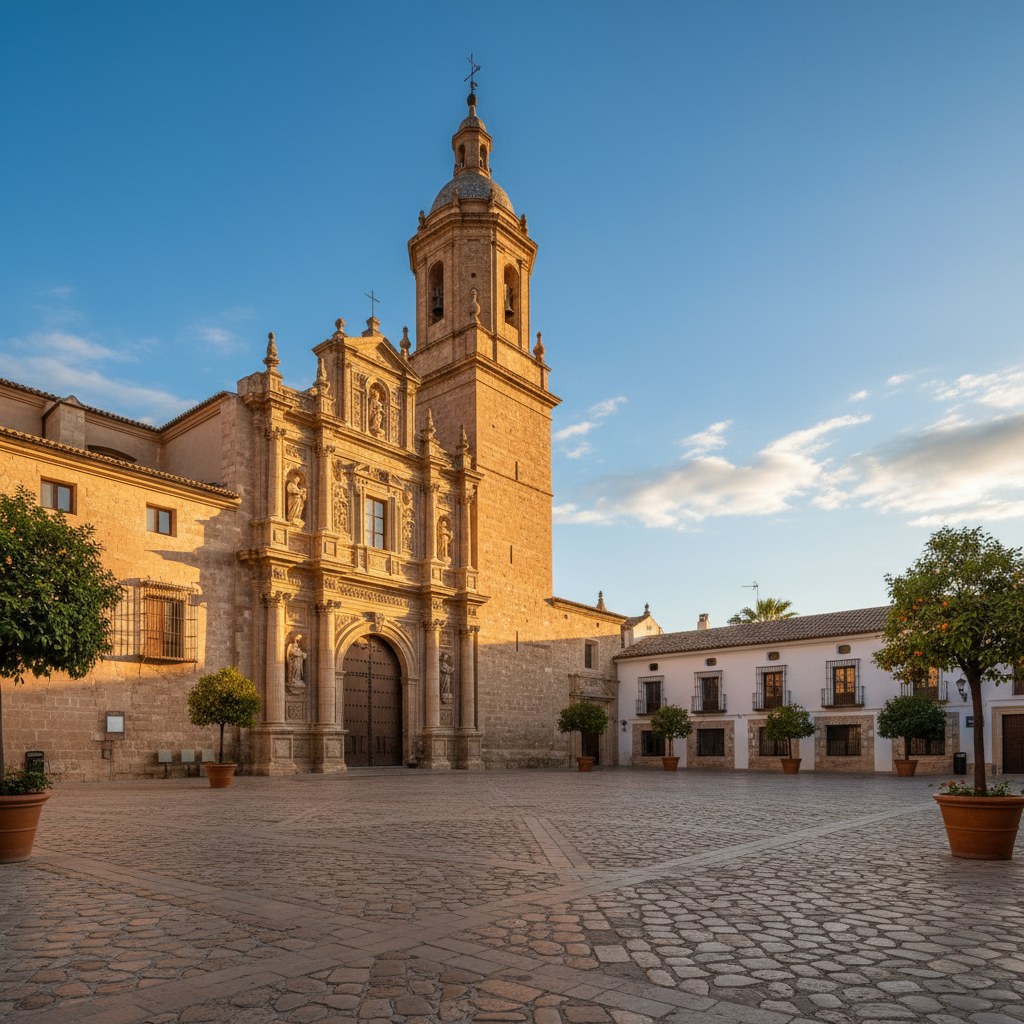
A short walk northeast from Plaza de los Naranjos brings you to Plaza de la Iglesia and the town’s most significant monument: Iglesia de la Encarnación. Construction began in 1505, making this one of the earliest churches built in the region after the Reconquest. The original structure was expanded and embellished over subsequent centuries, resulting in a fascinating architectural palimpsest.
The main façade, completed in 1756 by architects Pedro del Castillo and Salvador Gálvez, showcases late Baroque style with restrained elegance—none of the overwrought ornamentation found in Seville or Granada, but a dignified composition in honey-coloured stone. The bell tower, visible from much of the Old Town, has become an emblem of Marbella’s skyline.
Inside, the church comprises three naves leading to a gilded high altar, a dazzling example of Baroque excess that contrasts with the exterior’s restraint. The Sol Mayor organ, installed in the 18th century, is considered one of Andalusia’s finest and occasionally features in concerts. During Semana Santa (Holy Week), the church’s processional statues—including the revered Virgen de la Soledad—are carried through the Old Town streets in solemn processions that draw crowds from across the region.
Entry is typically free, though visiting hours respect Mass schedules. Even if you’re not religiously inclined, the church offers a cool, quiet refuge and a window into the devotional life that has shaped this community for half a millennium.
Calle Carmen and the Instagrammable Streets
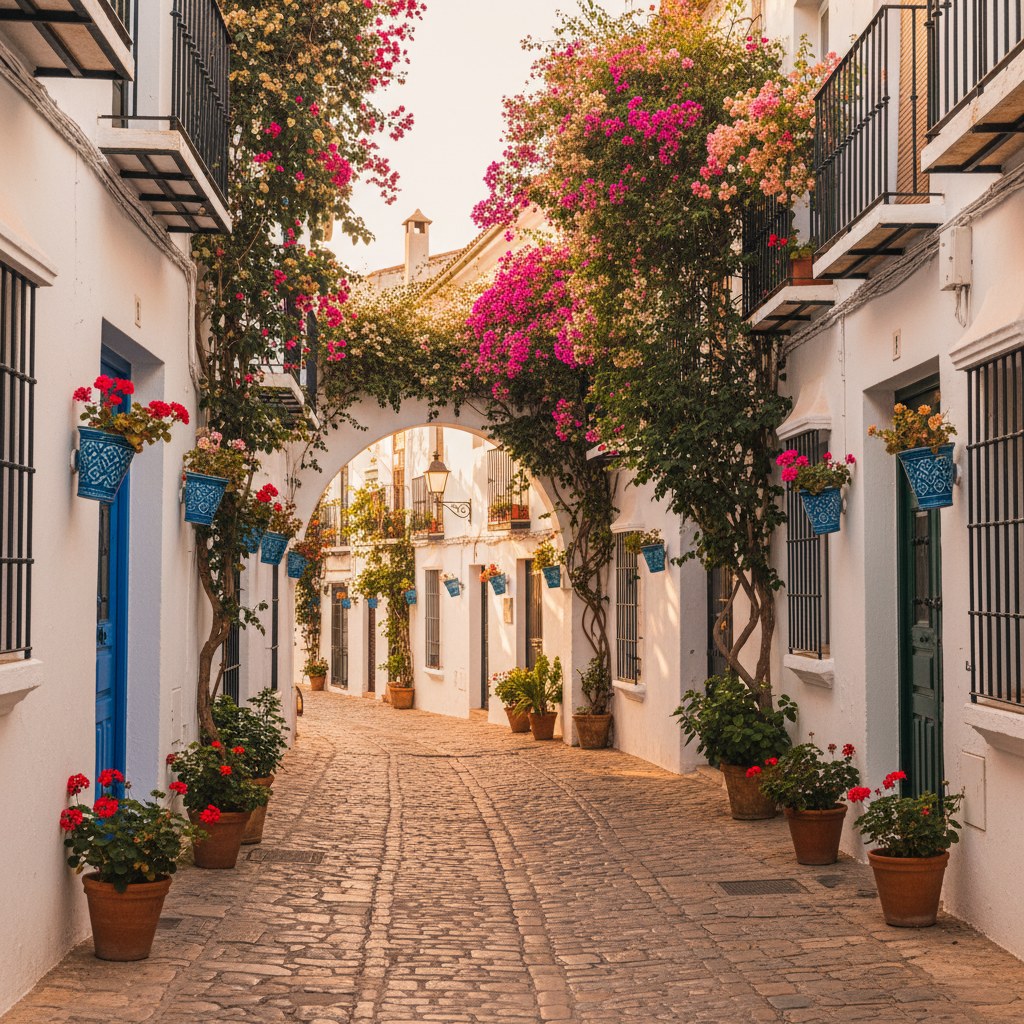
Just around the corner from Iglesia de la Encarnación, Calle Carmen has become one of the most photographed streets in Marbella. This narrow lane epitomizes the pueblo blanco aesthetic: whitewashed walls, cobalt-blue flowerpots cascading with geraniums, and doorways painted in cheerful blues and greens. It’s postcard-perfect, which means it’s also perpetually crowded during high season.
If you’re determined to capture that quintessential shot, visit early morning (before 9:00 AM) or late afternoon when the light is warm and the crowds thin. Alternatively, explore parallel streets like Calle Ancha or Calle Ortiz de Molinillo, which offer similar charm with fewer elbows.
The Old Town’s appeal isn’t confined to a single photogenic street—it’s the cumulative effect of wandering, of turning a corner to discover a hidden plaza, a centuries-old fountain, or a boutique selling handmade ceramics. Allow yourself to get lost.
Murallas del Castillo: Echoes of Medieval Marbella
On the northern edge of the Old Town, fragments of the Murallas del Castillo (castle walls) survive—remnants of the Moorish fortress that once dominated this hilltop. Though much of the fortification was dismantled after the Reconquest or repurposed for building material, sections of the defensive walls remain, incorporated into later structures or standing free as picturesque ruins.
These walls date primarily to the 10th and 11th centuries, when Marbella was a minor outpost in the taifa kingdom of Málaga. Walking along Calle Postigo or Calle Trinidad, you’ll encounter stone arches and crenellated sections that hint at the town’s strategic importance during the medieval period.
The area around the castle walls is less polished than the central plazas—more residential, quieter, with washing strung between balconies and the occasional barking dog. It’s a reminder that the Old Town isn’t a museum; people live here, in buildings that have sheltered families for generations.
Mercado Municipal: Marbella’s Fresh Food Market

For a taste of daily life, visit the Mercado Municipal de Marbella, the town’s central food market located on the western edge of the Old Town. Open mornings Monday through Saturday, this covered market is where locals shop for produce, seafood, meat, and charcuterie.
The market’s interior is a sensory experience: stalls piled with tomatoes, peppers, and aubergines still dusted with Andalusian soil; fishmongers displaying the morning’s catch from the Alborán Sea—red mullet, sea bream, prawns the size of your palm; butchers offering jamón ibérico sliced to translucent thinness; and vendors selling olives, cheeses, and spices in fragrant abundance.
Even if you’re not self-catering, the market is worth visiting for its authenticity. Several stalls have added small bar counters where you can order a plate of grilled sardines, a montadito (small sandwich), or a glass of local wine—simple, excellent, and served with the brusque efficiency that signals genuine quality.
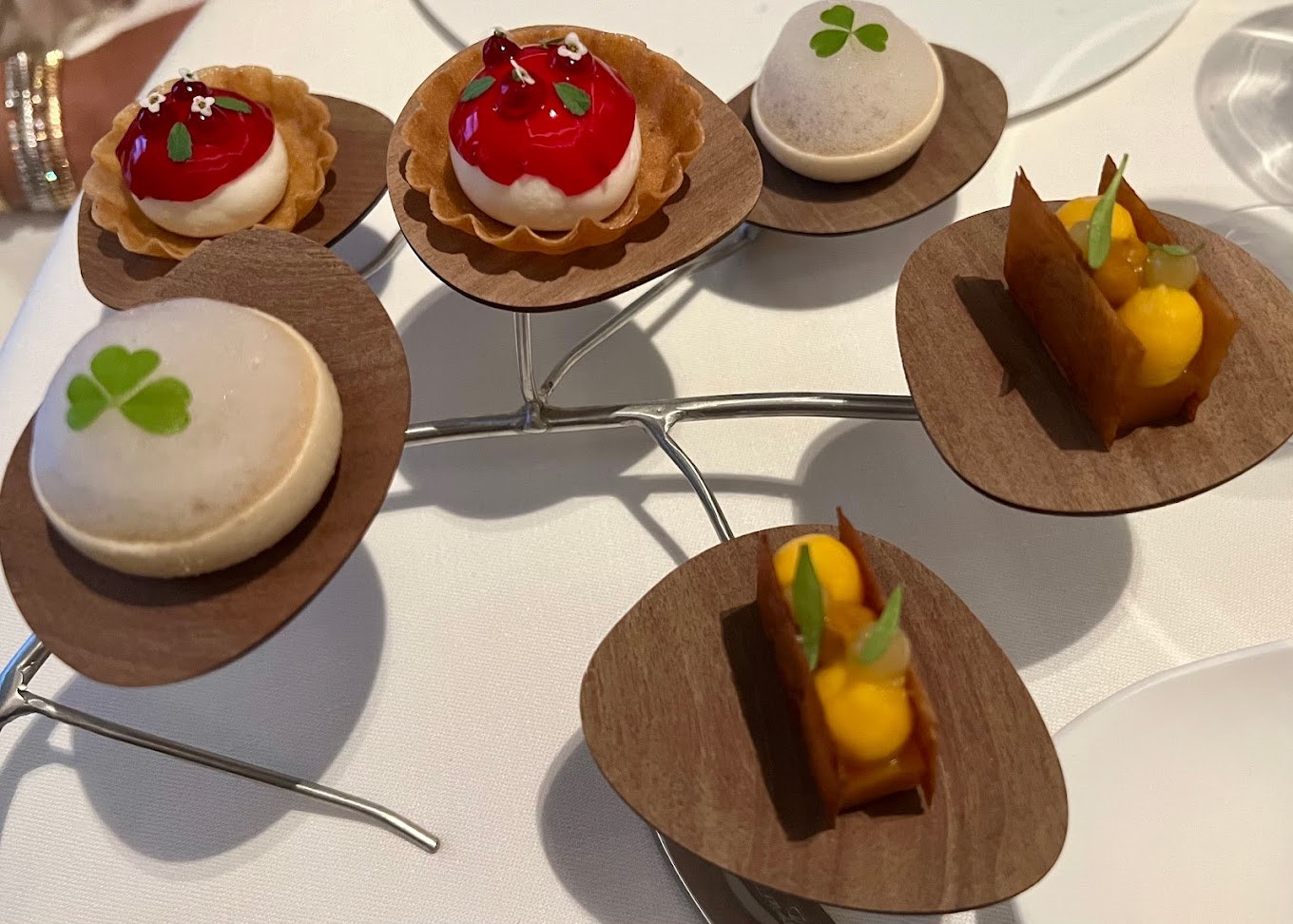
Concierge recommendation: If you’re staying in one of our luxury villas and planning a private dinner, we can arrange for a chef to source ingredients from the Mercado Municipal—ensuring your meal features the freshest local produce and seafood.
Shopping in Marbella Old Town
The Old Town’s retail landscape balances tourist-focused boutiques with genuinely interesting independent shops. You’ll find plenty of linen resort wear, espadrilles, and ceramic souvenirs, but look closer and you’ll discover:
- Artisan leather goods: Several workshops produce handmade bags, belts, and sandals using traditional techniques.
- Vintage and second-hand designer fashion: A cluster of consignment boutiques near Calle Ancha specialize in pre-owned Chanel, Hermès, and other luxury labels—Marbella’s wealthy residents refresh their wardrobes frequently, and the secondary market benefits.
- Ceramics and homewares: Shops selling traditional Andalusian tiles, hand-painted pottery, and contemporary ceramics by local artists.
- Galleries: Small art galleries showcasing work by Costa del Sol painters and sculptors, ranging from figurative to abstract.
- Gourmet provisions: Delicatessens offering regional specialties—jamón, olive oils, wines, preserved seafood—ideal for gifting or stocking a villa pantry.
Shopping in the Old Town is best approached without a specific agenda. Browse, chat with shopkeepers (many speak English), and allow serendipity to guide your purchases. Unlike the high-street chains of the coastal resorts, these businesses depend on personal service and product knowledge.
Where to Eat in Marbella Old Town
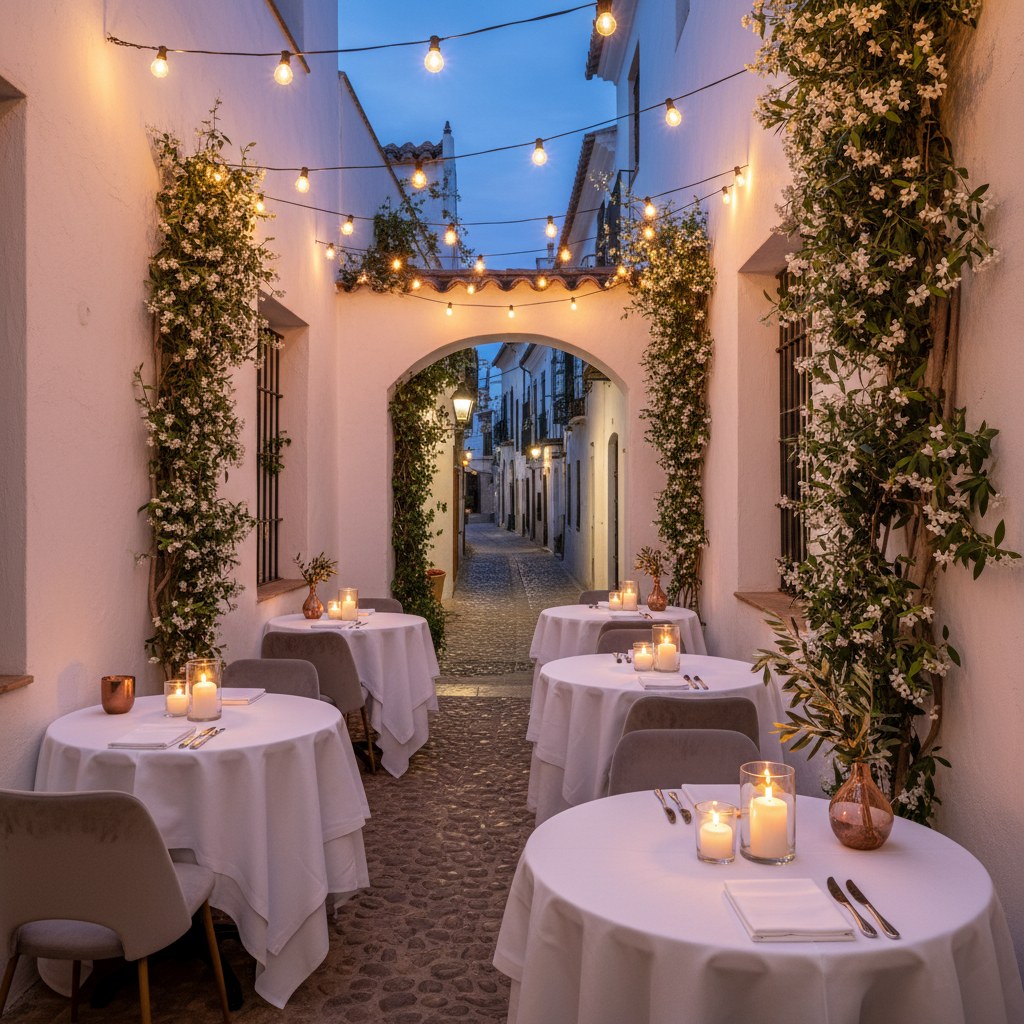
The Old Town’s dining scene spans traditional Andalusian taverns, contemporary bistros, and upscale restaurants that attract a well-heeled international clientele. While Plaza de los Naranjos offers convenience, the best meals are often found on quieter side streets.
Traditional Andalusian Dining
For authentic local cuisine, seek out establishments where the menu is in Spanish first (or only), where the décor hasn’t been updated since the 1980s, and where the clientele is predominantly local. Look for classics like pescaíto frito (fried fish), gazpacho andaluz, rabo de toro (oxtail stew), and berenjenas con miel (fried aubergine with honey).
Several taverns around Calle Aduar and Calle San Lázaro fit this profile, serving generous portions at reasonable prices with minimal fuss. Don’t expect Michelin-level presentation—expect flavour, tradition, and the satisfaction of eating what locals have eaten for generations.
Contemporary and International Options
The Old Town has also embraced contemporary dining, with bistros and restaurants offering international influences alongside Andalusian foundations. Menus might feature tuna tataki with Andalusian olive oil, risotto with local prawns, or duck confit with Pedro Ximénez reduction—dishes that respect local ingredients while drawing on broader culinary vocabularies.
Restaurants like Casanis Bistrot (not affiliated with beach club operations) have earned reputations for refined cooking in intimate settings. Similarly, Zozoï offers a fusion approach that balances creativity with accessibility, popular with both visitors and Marbella residents seeking something beyond traditional fare.
Reservations are advisable for dinner, especially during summer and weekends. Our concierge team can secure tables at the Old Town’s most sought-after restaurants, including venues that don’t accept online bookings.
Tapas Bars and Casual Dining
For a more spontaneous experience, the Old Town’s tapas bars invite you to graze: order a glass of fino sherry or local white wine, then sample small plates—gambas al ajillo (garlic prawns), croquetas de jamón, pimientos de Padrón, pulpo a la gallega. The ritual is convivial, the pace unhurried, and the bill surprisingly modest.
Many bars offer a free tapa with each drink—a tradition that’s fading in tourist-heavy areas but persists in the Old Town’s more local establishments. It’s a gesture of hospitality that embodies Andalusian culture.
Practical Information for Visiting Marbella Old Town
Location: The Old Town sits approximately 1 km inland from Marbella’s main beach and 6 km west of Puerto Banús. It’s bordered by Avenida del Mar to the south, Avenida Ramón y Cajal to the west, and Avenida Severo Ochoa to the north and east.
Parking: Street parking in the Old Town is limited and residents-only in most areas. Use the Indigo – Avenida del Mar underground car park or the Parking Plaza de los Naranjos (accessed via Avenida Ramón y Cajal). Both charge approximately €2-3 per hour. Alternatively, our chauffeur service can drop you at the Old Town entrance and collect you when you’re ready.
Walking: The Old Town is compact—roughly 400 metres across—and entirely pedestrianized in its core. Wear comfortable shoes; cobblestones and uneven surfaces are charming but unforgiving in heels.
Accessibility: The historic streets’ narrow, cobbled nature presents challenges for wheelchair users and those with mobility limitations. Main plazas and some streets have been improved, but full accessibility is limited by the area’s medieval layout.
Best time to visit: Spring (March-May) and autumn (September-November) offer ideal weather—warm but not oppressive—and fewer crowds. Summer brings energy but also heat and tourist density. Winter is quieter, with pleasant daytime temperatures but some restaurants and shops operating reduced hours.
Beyond the Old Town: Connecting Your Marbella Experience
While the Old Town rewards a half-day or full-day visit, it’s best experienced as part of a broader Marbella stay. After exploring the historic quarter, you might retreat to a luxury villa in the hills above town, charter a yacht for an afternoon on the Mediterranean, or secure a table at one of the coast’s exclusive beach clubs.
The Old Town provides cultural and historical context—a reminder that Marbella existed long before the first yacht moored in Puerto Banús, and that beneath the resort gloss lies a real Andalusian town with centuries of stories embedded in its stones.
Why Marbella Hospitality Is Your Trusted Concierge
Exploring Marbella Old Town is straightforward, but experiencing Marbella at the highest level requires local expertise and privileged access. Marbella Hospitality offers dedicated concierge support that extends far beyond restaurant recommendations. Whether you need a private chef to prepare a villa dinner using market-fresh ingredients, a chauffeured transfer from the Old Town to a yacht charter, or priority reservations at venues that don’t advertise availability, our team ensures every detail reflects your standards.
We specialize in curating complete Marbella experiences—luxury villa rentals, yacht charters, VIP beach club and nightclub access, supercar rentals, and full concierge services—all delivered with the discretion and professionalism that discerning guests expect. Our relationships with the coast’s finest establishments mean you experience Marbella as insiders do, not as tourists.
Plan Your Marbella Old Town Visit
The Old Town is Marbella’s cultural anchor, a place where history, architecture, and Andalusian life converge in a compact, walkable neighbourhood. Whether you spend an hour photographing Calle Carmen or an entire day drifting between market stalls, plazas, and tapas bars, the experience offers a necessary counterbalance to the coast’s luxury resort culture.
For assistance planning your visit—or arranging any aspect of your Marbella stay—contact our concierge team. We’ll ensure your time in the Old Town and across the Costa del Sol exceeds expectations, with every detail managed to perfection.