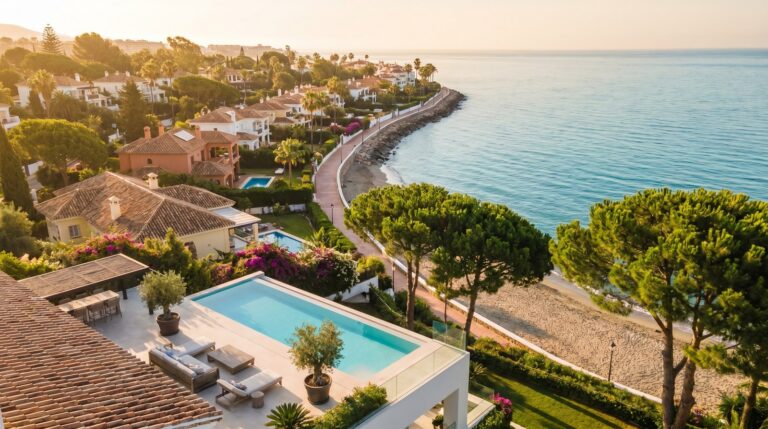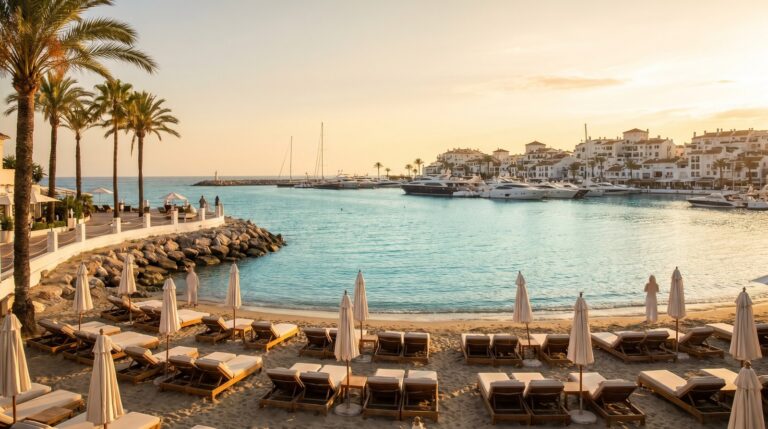
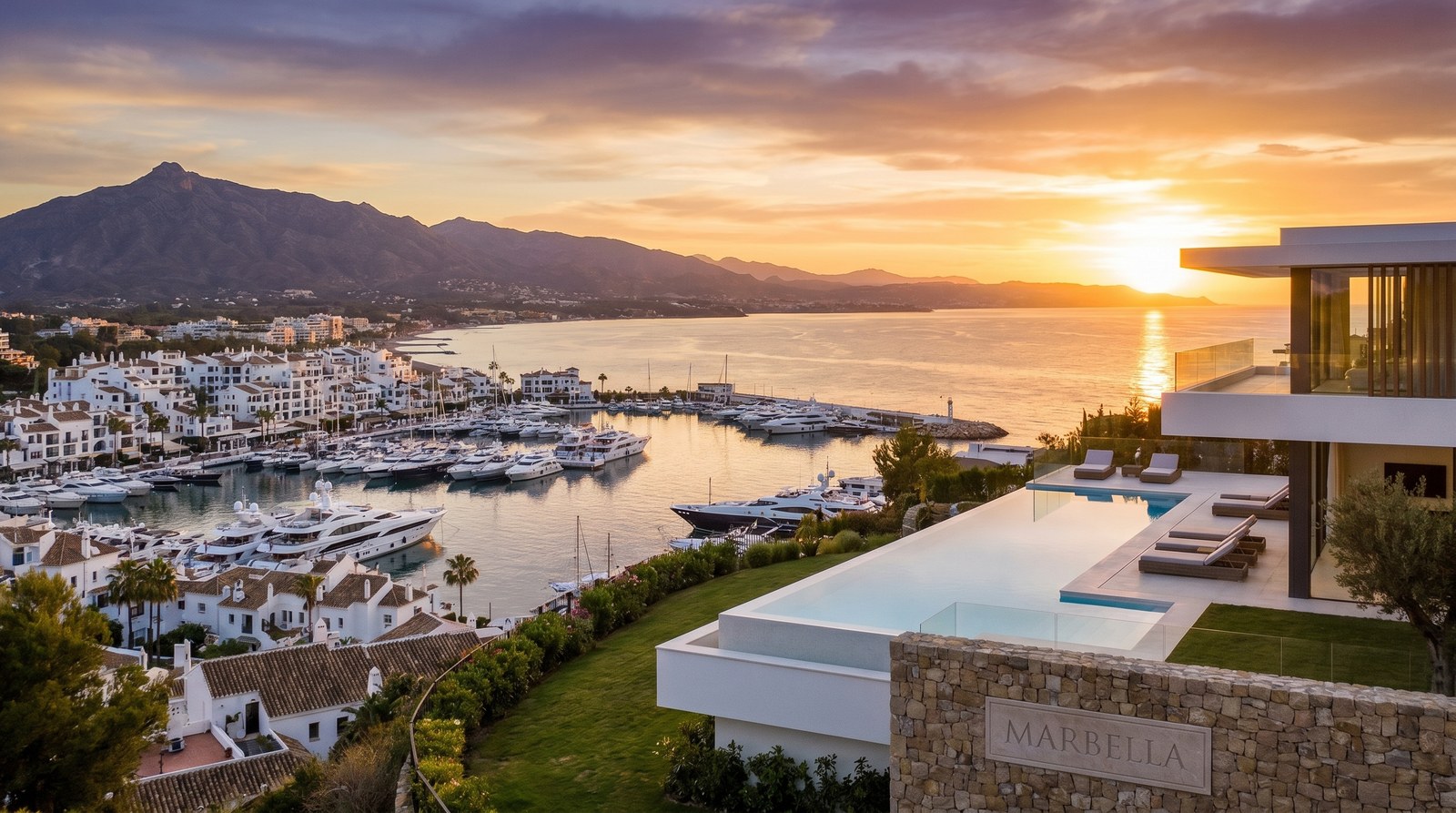
Marbella property prices have reached unprecedented levels, cementing the Costa del Sol’s position as Spain’s most dynamic luxury real estate market. Recent data shows the municipality posted a 19.9% year-on-year increase, pushing average prices to €4,121 per square metre—an all-time high that outpaces every other major Spanish city and signals robust investor confidence in this Mediterranean enclave.
For those considering luxury villa investments or long-term holdings on the Costa del Sol, understanding these market dynamics is essential. This surge reflects not only Marbella’s enduring appeal as a lifestyle destination but also its proven track record as a wealth-preservation asset in an uncertain global economy.
Why Marbella Leads Spain’s Property Price Growth
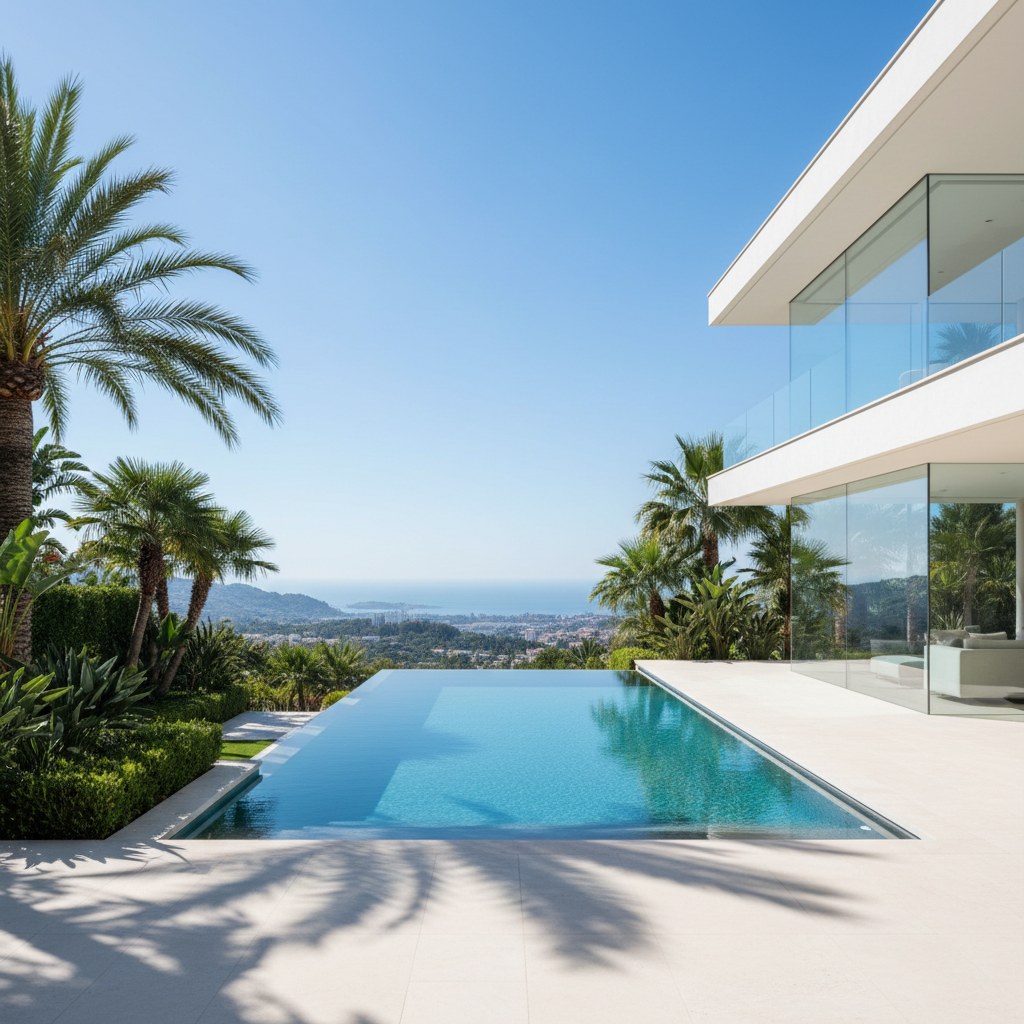
Among Spain’s 177 municipalities with populations exceeding 50,000, Marbella registered the steepest price appreciation in the most recent twelve-month period analyzed by Idealista, the country’s leading property portal. The €4,121 per square metre average represents a significant milestone, eclipsing previous peaks and underscoring the town’s transformation into a year-round destination rather than a seasonal resort.
Several factors converge to drive this appreciation. Limited coastal land availability between the Sierra Blanca mountains and the Mediterranean creates natural scarcity. Marbella’s Golden Mile, stretching from the town center to Puerto Banús, remains one of Europe’s most exclusive addresses, with beachfront villas commanding premiums that routinely exceed €10,000 per square metre. Meanwhile, developments in Sierra Blanca, La Zagaleta, and Los Monteros attract international buyers seeking privacy, security, and panoramic sea views.
Insider perspective: Marbella’s property market operates on a dual timeline—coastal properties appreciate fastest during spring and summer when international viewings peak, while golf-adjacent villas in Nueva Andalucía and Río Real maintain steady demand year-round from northern European buyers seeking winter sun.
The municipality also benefits from superior infrastructure—Málaga-Costa del Sol Airport lies just 45 minutes east, offering direct connections to over 60 international destinations. The AP-7 motorway provides seamless access to Gibraltar (45 minutes) and the cultural richness of Málaga city (50 minutes), while the town’s own marina, golf courses, and Michelin-starred dining scene ensure residents need never leave.
Costa del Sol Towns Mirror Marbella’s Upward Trajectory
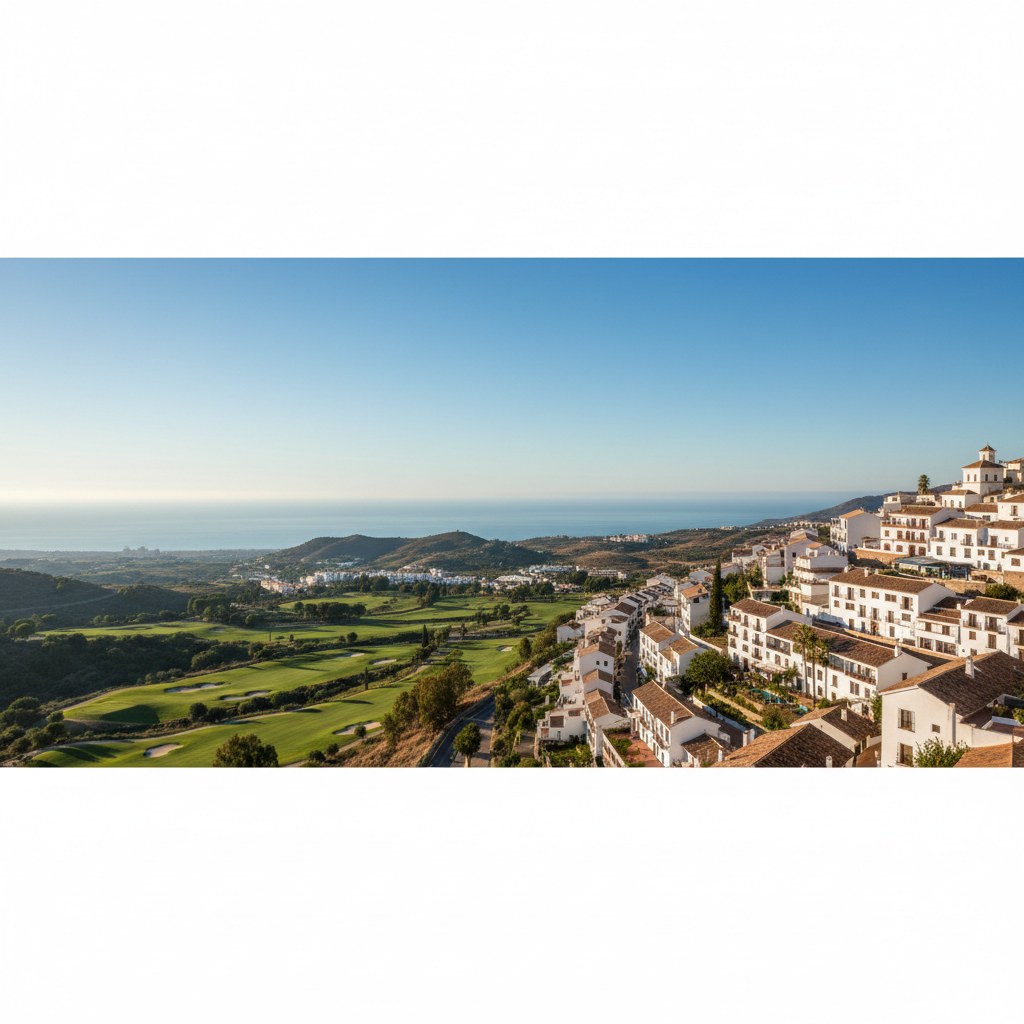
Marbella’s neighboring municipalities experienced similarly robust growth, confirming that the entire western Costa del Sol corridor remains in high demand. Mijas, positioned between Marbella and Málaga, saw prices climb above 10% to reach new record levels, driven by its combination of golf resort communities, traditional pueblo blanco charm in Mijas Pueblo, and more accessible price points than Marbella proper.
Fuengirola, historically considered a middle-market destination, also posted double-digit gains exceeding 10%, reflecting growing interest from buyers priced out of Marbella who still want beachfront access and established expat communities. The town’s 7-kilometer promenade, family-friendly beaches, and proximity to Málaga appeal particularly to Scandinavian and British buyers seeking permanent residency rather than second homes.
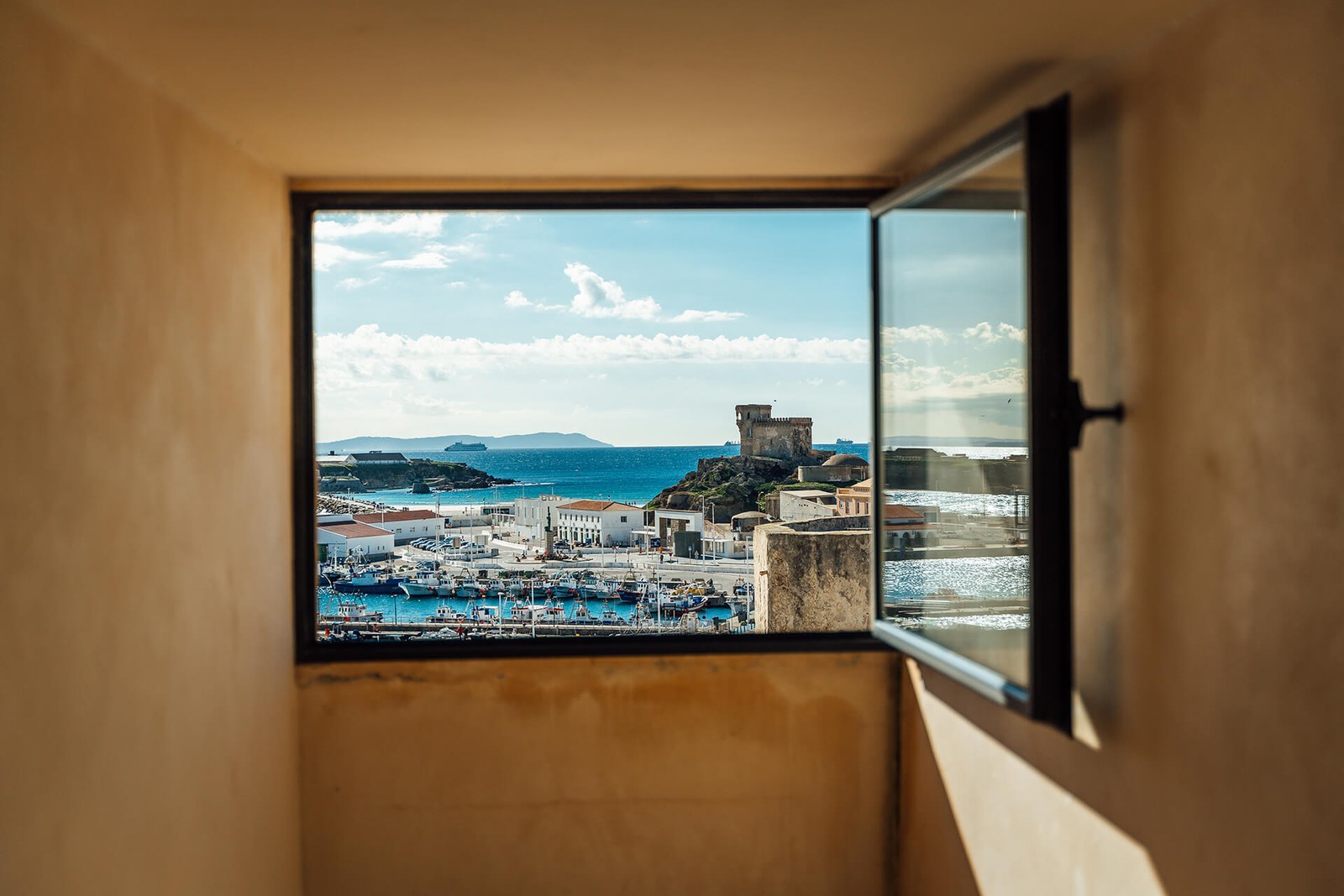
Even Málaga city—a provincial capital with a broader, more diverse housing stock—recorded an 8% increase between January 2022 and January 2023. The city’s ongoing transformation into a cultural hub, anchored by the Picasso Museum, Centre Pompidou Málaga, and a revitalized port district, has attracted younger professionals and retirees alike, pushing average prices to €2,365 per square metre, an all-time high for the capital.
National Context: How Marbella Compares to Madrid and Barcelona
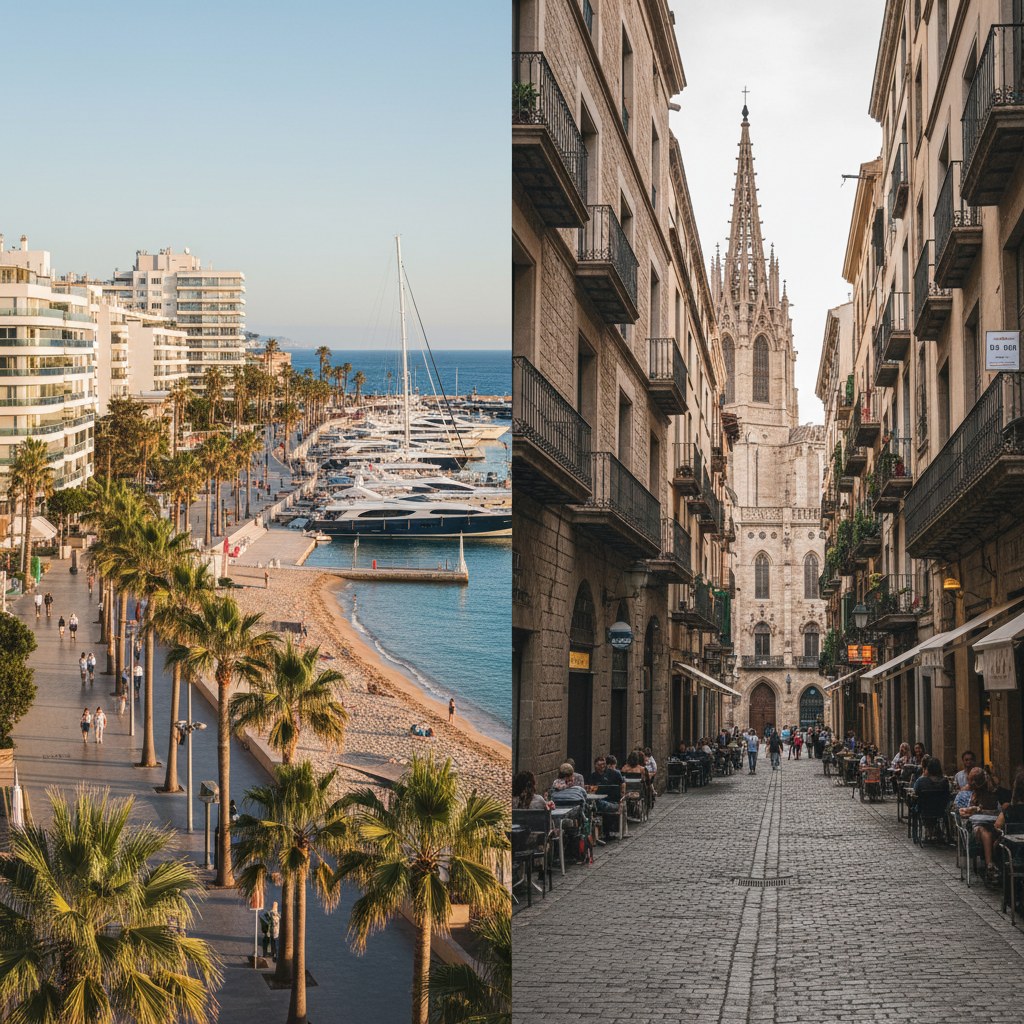
While Marbella’s 19.9% surge dominated headlines, Spain’s two largest metropolitan areas also experienced notable appreciation, albeit at more modest rates. Madrid’s metropolitan area registered a 4.9% increase, with nine municipalities posting growth above the national inflation rate. Exclusive neighborhoods such as Salamanca, Chamberí, and Chamartín continue to attract domestic and international capital, though the city’s vast supply of new construction tempers price acceleration.
Barcelona’s metropolitan area showed more restrained growth, reflecting regulatory headwinds including strict short-term rental restrictions and political uncertainty around Catalonian independence movements. The city’s Eixample, Gràcia, and Sarrià-Sant Gervasi districts remain prestigious, but buyers increasingly look to coastal alternatives like Marbella where regulatory environments favor property owners and rental income potential remains strong.
Among provincial capitals analyzed, Palma de Mallorca commanded the highest average at €3,467 per square metre, followed by Seville and Málaga tied at the aforementioned €2,365 mark. Other cities posting double-digit increases above inflation included Santa Cruz de Tenerife, Alicante, Valencia, Guadalajara, and Cuenca—all benefiting from remote work trends that allow professionals to prioritize climate and lifestyle over proximity to traditional employment centers.
Marbella as a Strategic Investment Vehicle
Beyond lifestyle considerations, Marbella’s property market offers compelling financial fundamentals for investors. The combination of capital appreciation and rental yield potential creates a dual-return profile rarely found in mature European markets. Luxury villas in prime locations generate €5,000–€15,000 per week during high season (June–September), while annual occupancy rates for well-managed properties routinely exceed 20–25 weeks.
Long-term rental demand also remains robust, driven by international executives, professional athletes training at nearby facilities, and affluent retirees seeking year-round residence. A four-bedroom villa in Nueva Andalucía typically commands €4,000–€7,000 monthly, providing stable cash flow to offset holding costs while the underlying asset appreciates.

Tax considerations further enhance returns. Spain’s non-resident income tax rate of 19% on rental income (for EU residents) compares favorably to many northern European jurisdictions, while the Golden Visa program—granting residency rights for property investments exceeding €500,000—adds strategic value for non-EU buyers seeking European mobility.
Market insight: Savvy investors increasingly target off-plan developments in Estepona and Benahavís—Marbella’s western neighbors—where pre-construction prices offer 15–20% discounts to completed inventory, with strong appreciation expected as projects deliver and the urban sprawl continues westward along the coast.
For those seeking to capitalize on these trends, working with specialists who understand both the new construction pipeline and the nuances of Marbella’s micro-markets—from the eastern developments near Elviria to the golf valley communities—proves essential to maximizing returns.
Regional Variations: Where Prices Declined
Not all Spanish markets mirrored the Costa del Sol’s exuberance. Six municipalities registered year-on-year price declines, including Palencia, Zamora, Ceuta, Jaén, León, and Ávila. These interior and northern cities face demographic headwinds—aging populations, youth emigration to larger metros, and limited economic diversification—that suppress housing demand despite rock-bottom prices averaging €1,078–€1,083 per square metre.
The contrast illuminates a broader Spanish real estate reality: the market has bifurcated into high-growth coastal and metropolitan zones versus stagnant or declining interior regions. For investors, this divergence underscores the importance of location selection—Marbella’s 300+ days of annual sunshine, international connectivity, and established luxury infrastructure create demand resilience that simply doesn’t exist in landlocked provincial capitals.
Even within Andalucía, variations emerge. Cádiz capital grew below the consumer price index, while nearby Jerez de la Frontera, Puerto de Santa María, Chiclana, and San Fernando posted gains at twice the inflation rate, reflecting micro-market dynamics where coastal proximity, tourism infrastructure, and transportation links determine outcomes.
Long-Term Outlook for Marbella Property Prices
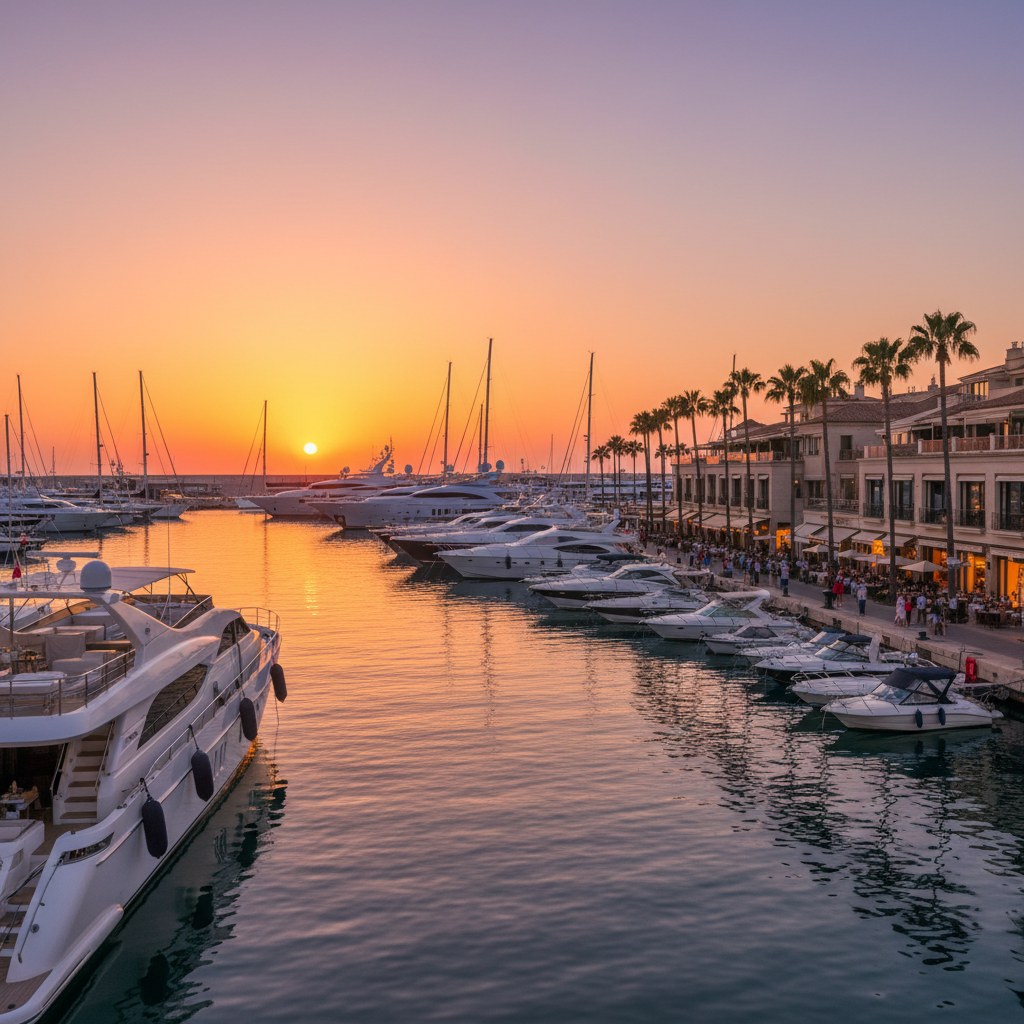
With Spain’s national average property price increase at 5.4%, Marbella’s 19.9% surge represents nearly four times the broader market’s performance—a premium that reflects genuine scarcity and quality rather than speculative froth. Supply constraints remain acute: zoning regulations limit new construction in established neighborhoods, while environmental protections restrict coastal development, ensuring existing inventory retains exclusivity.
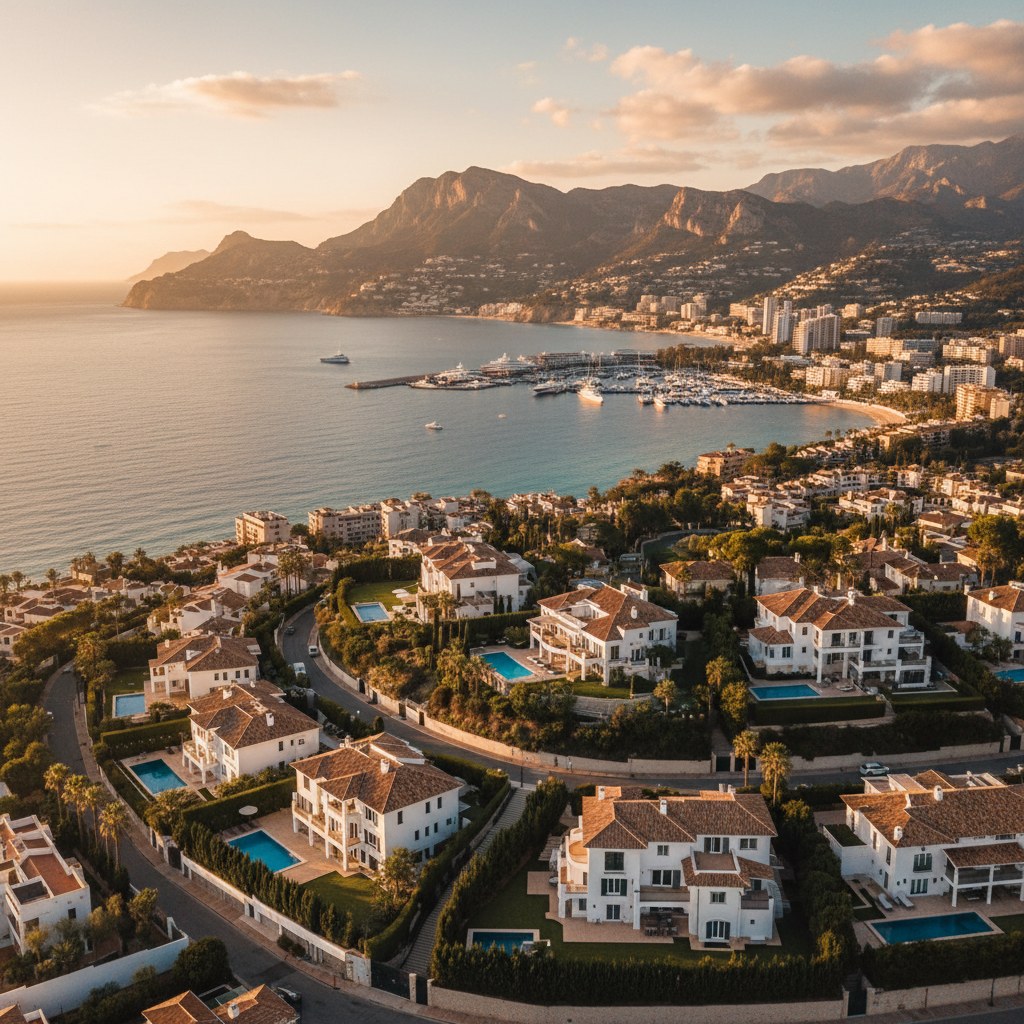
Demand drivers show no signs of weakening. Remote work normalization allows professionals to relocate permanently rather than maintain second homes, while climate migration from northern Europe accelerates as winters grow harsher and summers milder in Scandinavia, the UK, and Benelux countries. Marbella’s position as a safe-haven asset—politically stable, within the eurozone, offering tangible wealth storage—also attracts capital from Latin America, the Middle East, and Russia seeking portfolio diversification.
Infrastructure investments promise further appreciation. The proposed coastal railway extension connecting Málaga to Estepona will reduce journey times and enhance connectivity, while ongoing upgrades to the AP-7 motorway and expansion of Málaga Airport’s international routes strengthen Marbella’s accessibility advantage over competing Mediterranean destinations.
For those positioning portfolios to benefit from these tailwinds, understanding where to deploy capital—whether in turnkey luxury villas ready for immediate rental income or strategic land parcels in emerging micro-markets—requires local expertise and market intelligence that goes beyond headline statistics.
Why Marbella Hospitality Is Your Trusted Investment Partner

Navigating Marbella’s property market demands more than online research—it requires on-the-ground expertise, established relationships with developers and legal advisors, and a nuanced understanding of neighborhood dynamics that only local specialists possess. Marbella Hospitality offers dedicated support throughout the acquisition process, from identifying properties that match your investment criteria to coordinating viewings, negotiating terms, and managing post-purchase services including furnishing, licensing, and rental management.
Our experienced team maintains direct relationships with Marbella’s premier developers, estate agents, and legal professionals, ensuring clients access off-market opportunities and pre-launch pricing unavailable through conventional channels. Whether you’re seeking a beachfront Golden Mile villa, a golf-course estate in La Zagaleta, or a modern apartment in Puerto Banús, we provide the local intelligence and personalized service that transforms property search from overwhelming to effortless.
Secure Your Marbella Property Investment Today
With Marbella property prices continuing their upward trajectory and international demand intensifying, the current market offers a compelling entry point for investors who act decisively. Whether you’re planning to generate rental income, establish a European base, or simply preserve wealth in a tangible, appreciating asset, Marbella’s fundamentals remain exceptionally strong.
Contact Marbella Hospitality today to discuss your property investment goals. Our team will provide a confidential market briefing, curated property recommendations tailored to your budget and objectives, and comprehensive support from initial inquiry through to ownership and beyond. In a market moving this quickly, the best opportunities belong to those who engage expert guidance early.