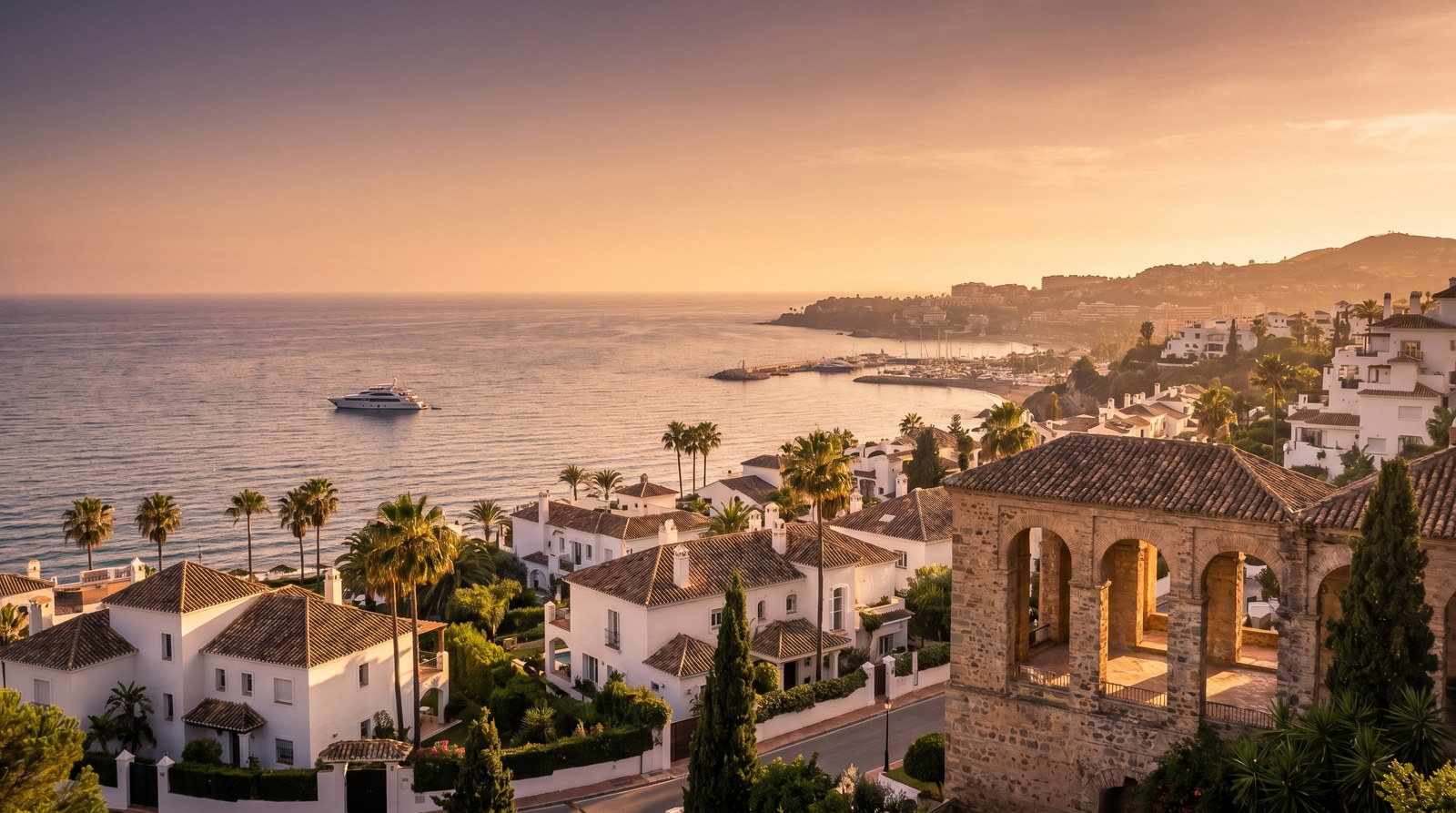
Planning a luxury stay in Marbella requires more than booking the perfect villa or yacht—understanding Spain’s public holidays and regional celebrations ensures you experience the Costa del Sol at its most vibrant. From national bank holidays to uniquely Andalusian fiestas, this guide covers everything you need to know about Marbella public holidays, local traditions, and how to make the most of your visit during these special occasions.
Understanding Spain’s Public Holiday System
Spain operates a layered holiday calendar that combines national, regional, and local celebrations. In any given year, residents of Marbella observe approximately 14 to 15 public holidays—a mix of nationwide bank holidays, Andalusian regional days, and municipality-specific fiestas. This system reflects Spain’s deep regional identities and the importance of local patron saints.
One uniquely Spanish concept worth understanding is the puente, or “bridge.” When a public holiday falls on a Tuesday or Thursday, many Spaniards take the adjacent Monday or Friday off to create a long weekend. If a holiday lands on Sunday, it’s typically transferred to Monday in Andalusia. These bridges dramatically increase visitor numbers to coastal destinations like Marbella, Puerto Banús, and Estepona, making advance reservations essential for luxury villas and premium services.
Insider tip: Book your accommodations and VIP tables well in advance during puente weekends—particularly around May Day, Constitution Day, and Semana Santa. Beach clubs and restaurants in Puerto Banús often reach capacity weeks ahead.
National Public Holidays in Spain
Spain observes 11 nationwide public holidays annually, though the exact dates shift slightly each year. These celebrations form the backbone of the Spanish calendar and are observed throughout Marbella and the Costa del Sol.
- Año Nuevo (New Year’s Day): January 1st—celebrated with the famous midnight grape tradition on New Year’s Eve, where eating 12 grapes in the final 12 seconds of the year brings good fortune.
- Día de Reyes (Epiphany): January 6th—the Spanish Christmas climax when children receive gifts from the Three Wise Men, preceded by spectacular evening processions through Marbella’s old town.
- Jueves Santo & Viernes Santo (Holy Thursday & Good Friday): Dates vary—the emotional peak of Semana Santa, featuring solemn religious processions with ornate pasos (floats) carried through historic streets.
- Fiesta del Trabajo (Labour Day): May 1st—a quiet public holiday that often creates a puente weekend, drawing visitors to Marbella’s beaches and golf courses.
- La Asunción (Assumption of Mary): August 15th—a major Catholic feast day celebrated with village festivals and fireworks across Andalusia.
- Día de la Hispanidad (National Day): October 12th—Spain’s national day, marked by military parades in Madrid while Marbella remains relatively quiet.
- Todos los Santos (All Saints’ Day): November 1st—families visit cemeteries to honor deceased relatives with flowers and candles.
- Día de la Constitución (Constitution Day): December 6th—celebrating Spain’s 1978 constitution, often creating a bridge to the Immaculate Conception.
- La Inmaculada Concepción (Immaculate Conception): December 8th—another important Catholic holiday, frequently combined with Constitution Day for an extended break.
- Navidad (Christmas Day): December 25th—celebrated with family gatherings and elaborate meals, though less commercially emphasized than in Anglo-Saxon countries.
Most shops, banks, and government offices close on these dates, though restaurants, beach clubs, and tourist-oriented businesses in Marbella typically remain open, especially during high season.
Andalusian Regional Holidays
Beyond national celebrations, Andalusia adds its own regional public holidays to the calendar. The most significant is Día de Andalucía on February 28th, commemorating the 1980 referendum that granted Andalusia autonomous community status. Schools and many businesses close, and the day is marked by official ceremonies featuring the green-and-white Andalusian flag.
This holiday typically precedes semana blanca (white week), a school winter break when Spanish families from inland cities like Madrid and Seville descend on the Costa del Sol. Expect increased demand for hospitality services and higher occupancy rates at luxury properties during this period.
Marbella’s Local Celebrations: Feria de San Bernabé
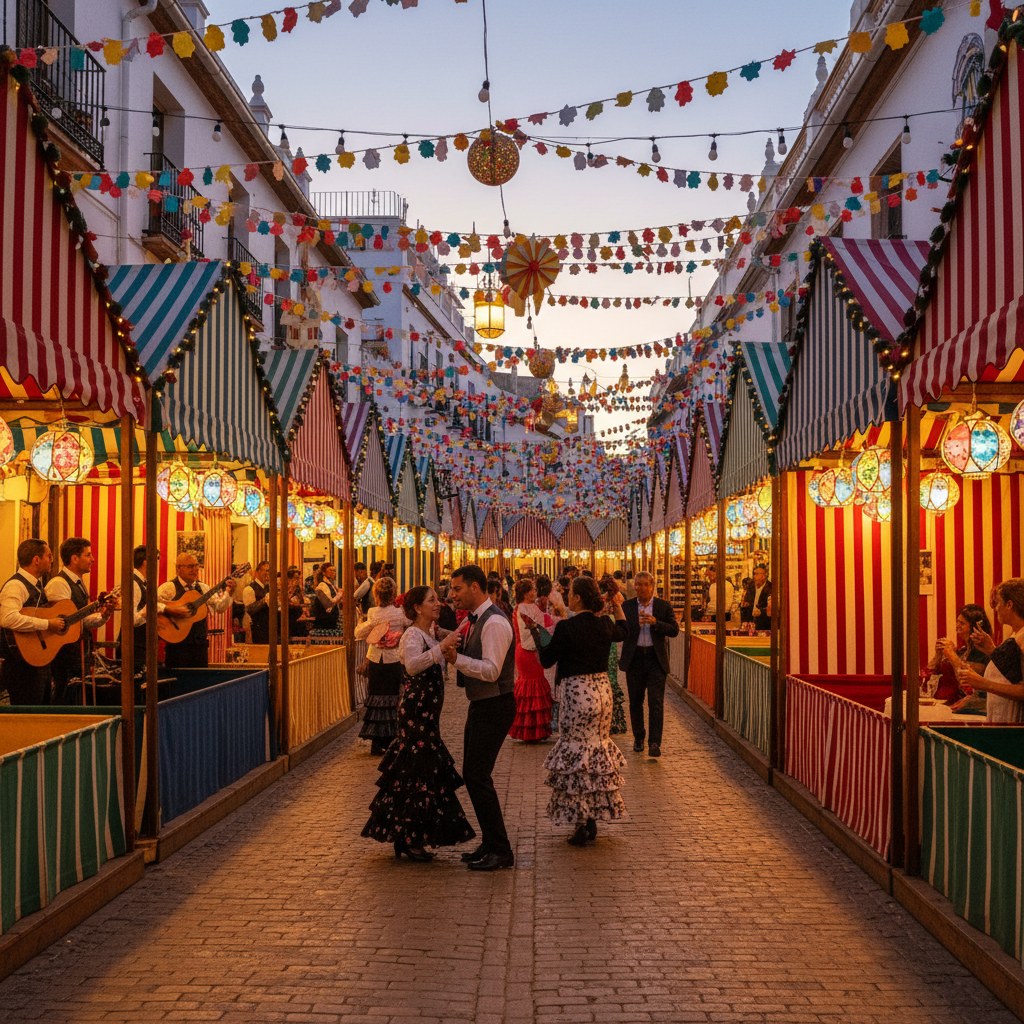
The crown jewel of Marbella public holidays is the Feria de San Bernabé, held annually around June 11th in honor of the city’s patron saint. This week-long celebration transforms Marbella’s casco antiguo (old town) into a vibrant festival ground with traditional casetas (decorated tents), flamenco performances, and endless servings of rebujito (sherry and lemonade).
During the feria, locals don traditional Andalusian dress—women in colorful flamenco dresses and men in short jackets and wide-brimmed hats. The festivities run from early afternoon until dawn, with different musical acts, dance performances, and the coronation of the feria king and queen. For visitors staying in Marbella villas, this represents an authentic glimpse into Andalusian culture rarely seen in the more international beach club scene.
The nearby municipality of San Pedro de Alcántara hosts its own Feria de San Pedro in mid-October, offering another opportunity to experience traditional Andalusian celebration with a more local, less touristy atmosphere than Marbella’s June festivities.
Semana Santa: Holy Week in Marbella
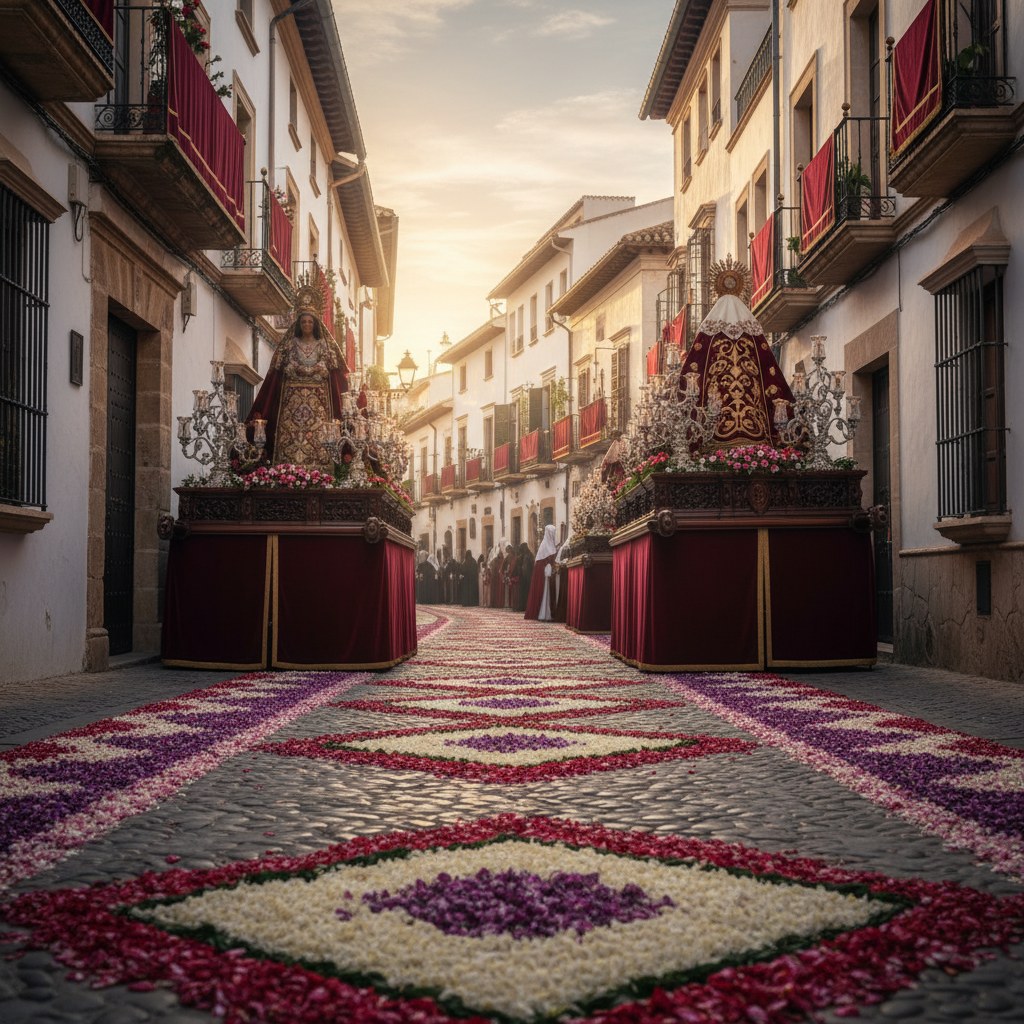
No discussion of Marbella public holidays is complete without addressing Semana Santa (Holy Week), the week leading to Easter Sunday. While technically only Thursday and Friday are official holidays, the entire week pulses with religious fervor and cultural significance across Andalusia.
Marbella’s Holy Week processions feature numerous cofradías (brotherhoods) carrying elaborate pasos—massive floats bearing religious sculptures of Christ and the Virgin Mary, some dating back centuries. The processions wind through the narrow streets of the old town, accompanied by mournful saetas (flamenco-style religious songs) and the haunting sound of drums and brass bands.
The most dramatic processions occur on Jueves Santo (Holy Thursday) and Viernes Santo (Good Friday), when streets fill with both devout locals and curious visitors. If you’re planning to attend, arrive early to secure a good viewing spot along Avenida Ricardo Soriano or near the Church of the Incarnation in the old town. Many visitors combine Semana Santa with a stay in a luxury holiday rental to experience this profound cultural event in comfort.
Local knowledge: Traditional Easter foods in Andalusia include pestiños (honey-coated pastries), torrijas (Spanish-style French toast), and potaje de vigilia (chickpea and spinach stew). Many Marbella restaurants offer special Semana Santa menus featuring these regional specialties.
Reyes Magos: Three Kings Day Traditions
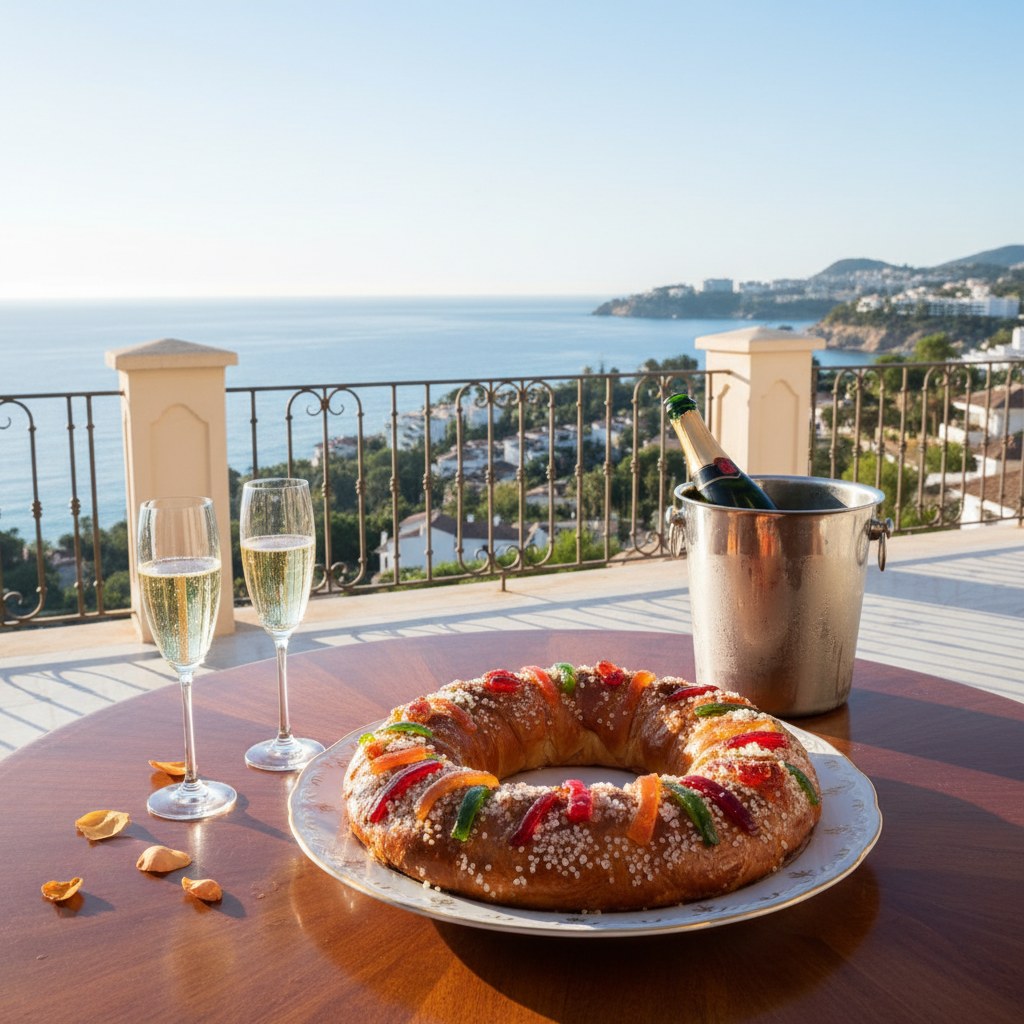
While much of the Western world exchanges gifts on December 25th, Spanish children eagerly await January 6th—Día de Reyes (Three Kings Day). This holiday commemorates the biblical Magi bringing gifts to the infant Jesus and remains the traditional gift-giving day in Spain.
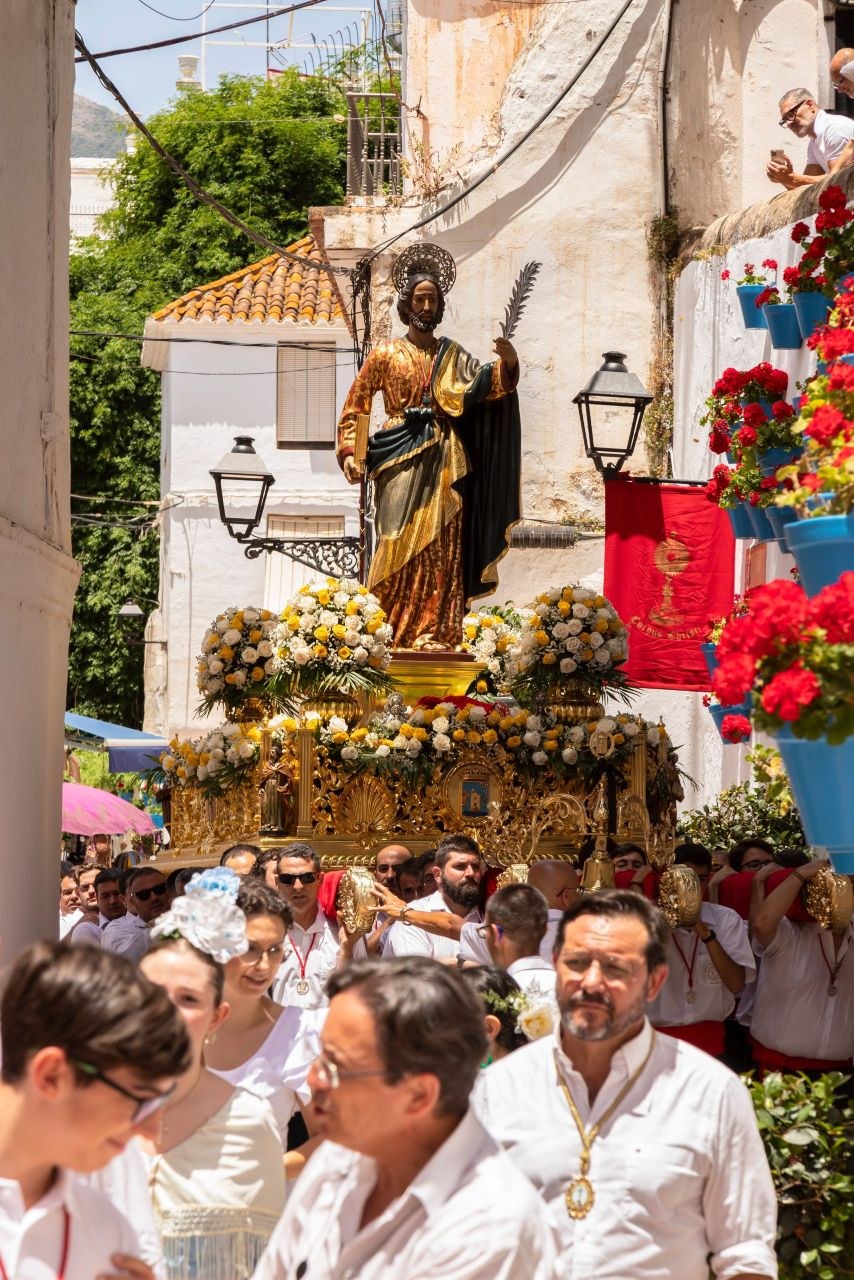
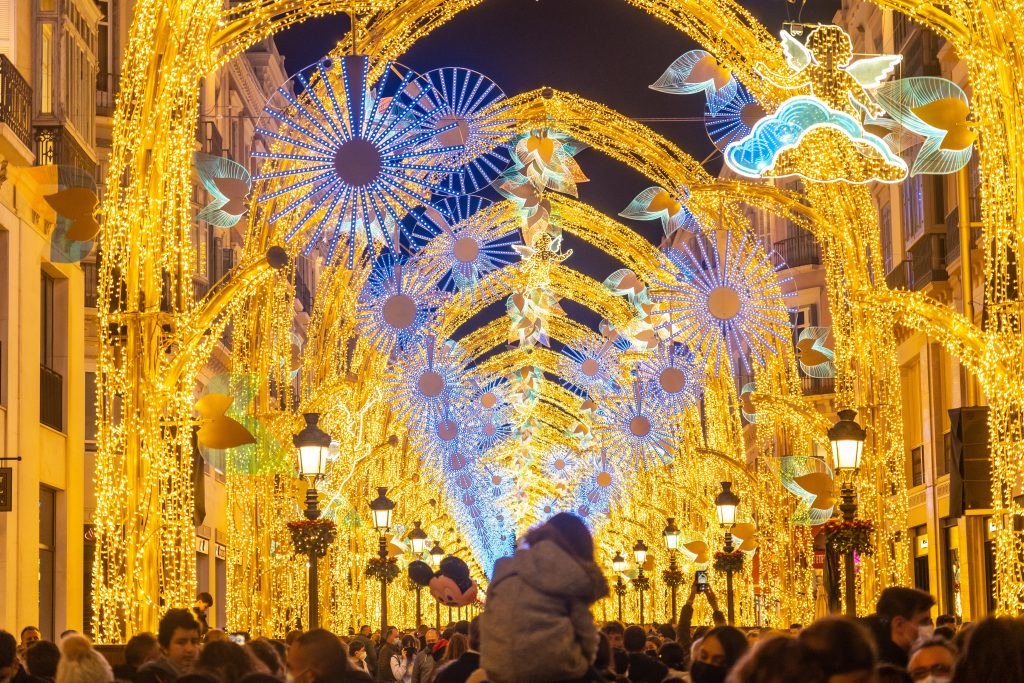
On the evening of January 5th, Marbella hosts the Cabalgata de los Reyes Magos, a spectacular parade where the Three Kings arrive on elaborate floats, tossing sweets to excited children lining the streets. The procession typically begins at the Palacio de Congresos and winds through central Marbella to Plaza de los Naranjos in the old town.
Children leave their shoes out overnight, often under the Christmas tree, and wake on January 6th to find them filled with presents—or coal (usually sweet coal made of sugar) if they’ve misbehaved. Families share Roscón de Reyes, a ring-shaped cake decorated with candied fruit and filled with cream or chocolate, containing hidden figurines and a dried bean. Finding the figurine brings good luck; finding the bean means you pay for next year’s roscón.
For luxury travelers, this period offers a unique cultural experience. Many high-end retailers in Puerto Banús and Marbella’s Golden Mile begin their winter sales immediately after Reyes, making it an excellent time for designer shopping while enjoying the festive atmosphere.
New Year’s Eve: The Twelve Grapes Tradition
Spain’s New Year’s Eve celebration centers on a unique ritual: eating twelve grapes at midnight, one with each chime of the clock. This tradition, dating to 1909, requires precision—consuming all twelve grapes in the twelve seconds of chimes brings prosperity for each month of the coming year.
In Marbella, the main public celebration occurs at Plaza de los Naranjos in the old town, where crowds gather around midnight to share grapes and cava (Spanish sparkling wine). However, many luxury visitors prefer private celebrations—rooftop parties at exclusive villas, yacht charters positioned for fireworks views, or VIP reservations at premium beach clubs hosting special New Year’s galas.
Puerto Banús and the beachfront promenade typically feature fireworks displays, though these are more modest than major city celebrations. The following day, Año Nuevo (January 1st), is a public holiday dedicated to recovery and family meals, with most businesses closed.
Planning Your Visit Around Marbella Public Holidays
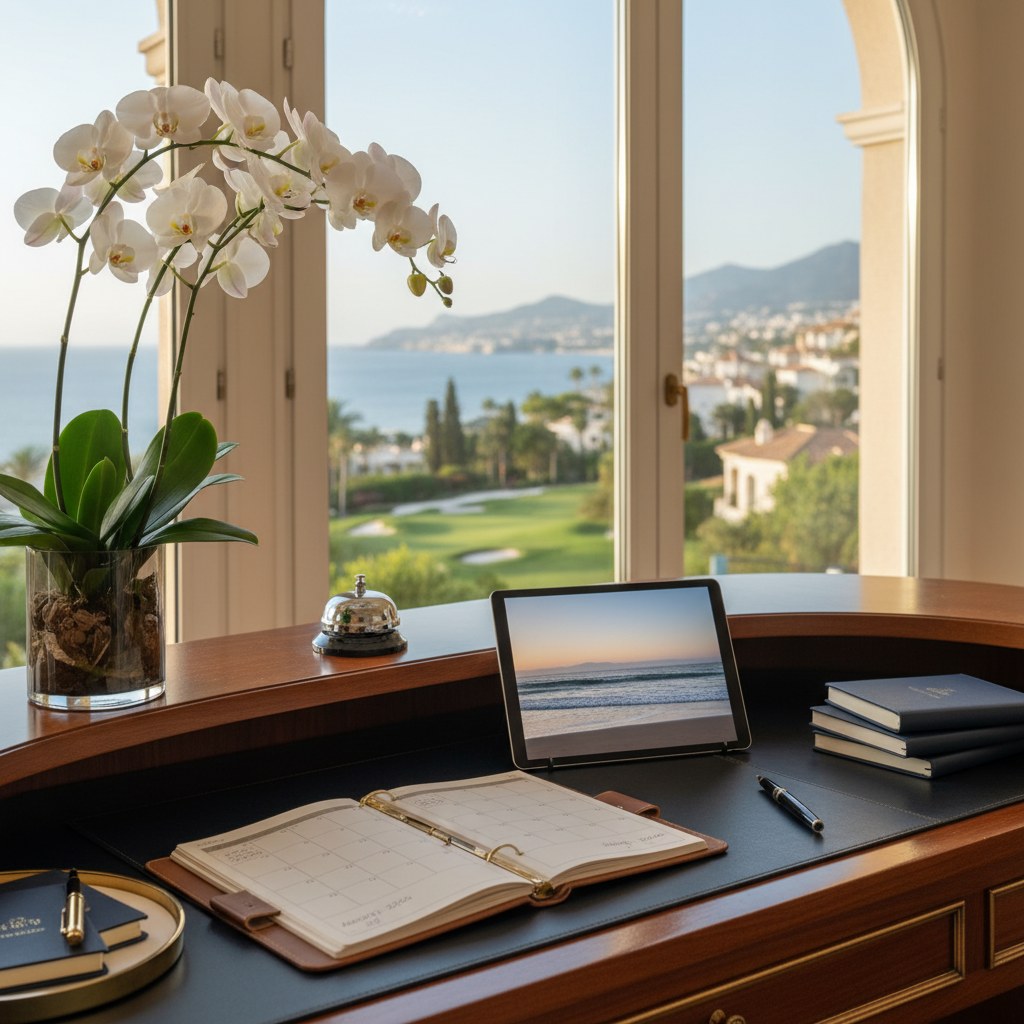
Understanding the holiday calendar is essential for optimizing your Marbella experience. High-demand periods include Semana Santa (March or April), the San Bernabé feria (early June), mid-August around Assumption Day, and any puente long weekends. During these times, expect:
- Higher accommodation rates: Luxury villas and premium hotels often increase prices by 20-40% during peak holiday periods.
- Increased crowds: Beaches, restaurants, and attractions fill with Spanish domestic tourists alongside international visitors.
- Advance booking requirements: The best properties, VIP tables at beach clubs, and yacht charters book weeks or months ahead.
- Altered service availability: Some businesses close for local holidays, though tourist-oriented venues typically remain open.
- Enhanced atmosphere: The energy during festivals and celebrations offers incomparable cultural immersion.
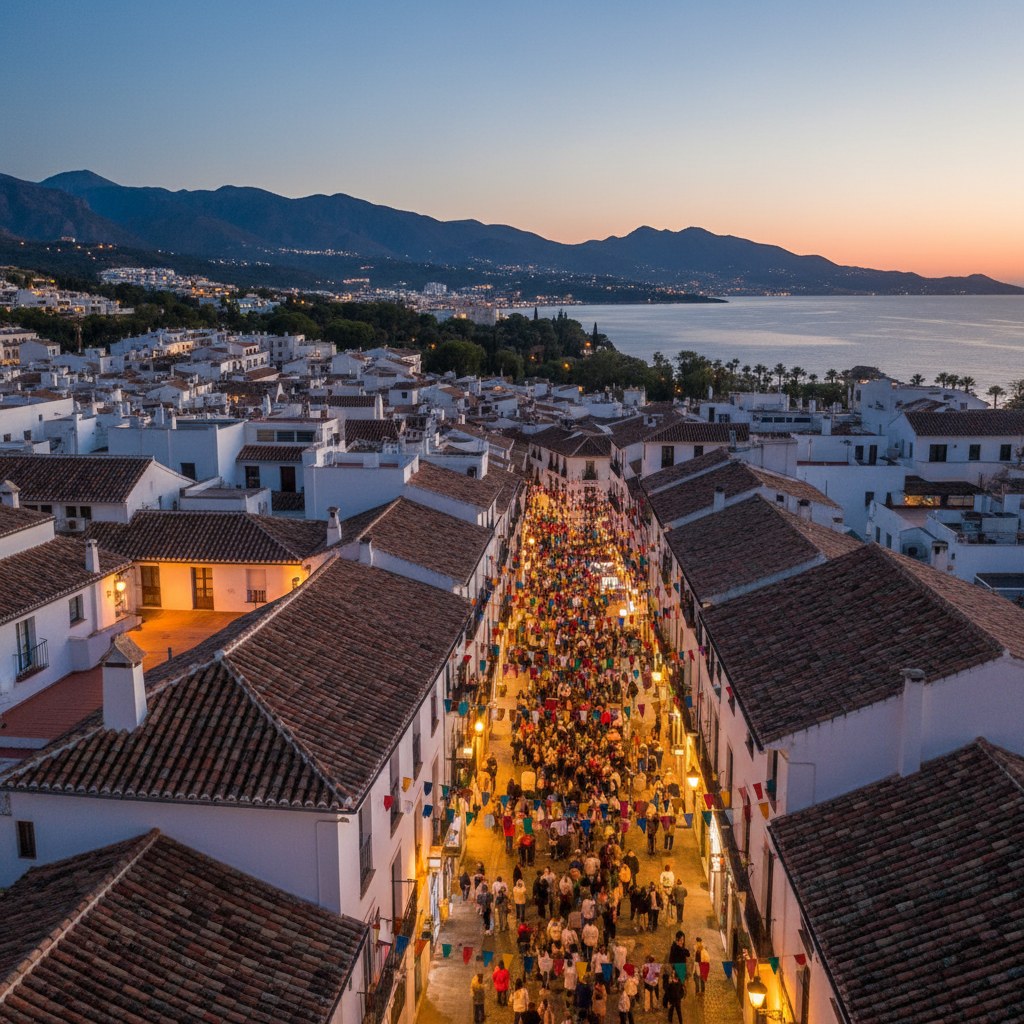
Conversely, visiting during quieter periods like late January through February (except Día de Andalucía and semana blanca) or November offers excellent value, mild weather, and a more relaxed Marbella experience. Golf courses, spas, and fine dining restaurants are readily accessible without the summer crowds.
Cultural Etiquette During Spanish Holidays
Respecting local customs enhances your experience during Marbella public holidays. During Semana Santa processions, maintain silence when the pasos pass and avoid blocking the procession route. Photography is permitted but should be discreet and respectful—this is a deeply religious event for many participants.
During ferias and festivals, joining in the celebration is encouraged. Don’t hesitate to enter public casetas (some are private, belonging to clubs or families), try traditional foods, and enjoy the music. However, dress appropriately—beachwear is inappropriate in the old town during festivals, even in summer.
When shops and services close for holidays, plan ahead. Stock up on essentials the day before, as even supermarkets may close or operate reduced hours. However, Marbella’s tourist infrastructure means you’ll rarely be without options, particularly in Puerto Banús and along the Golden Mile.
Why Choose Marbella Hospitality for Holiday Planning
Navigating Marbella public holidays requires local expertise—knowing which celebrations to prioritize, when to book, and how to access exclusive experiences during peak periods. Marbella Hospitality provides dedicated concierge support that transforms holiday visits from logistical challenges into seamless luxury experiences.
Our team secures priority reservations when demand peaks, arranges private viewings of Semana Santa processions from exclusive terraces, and ensures your luxury villa or yacht charter aligns perfectly with your preferred celebrations. We handle the complexities—from understanding which services close on regional holidays to booking last-minute puente weekend experiences—so you enjoy Marbella at its most authentic and vibrant.
Experience Marbella’s Celebrations in Style
Whether you’re drawn to the solemnity of Semana Santa, the exuberance of the San Bernabé feria, or simply seeking to avoid crowds during major holidays, understanding Marbella public holidays elevates your Costa del Sol experience. These celebrations offer windows into authentic Andalusian culture that complement the region’s luxury lifestyle offerings.
Ready to plan your visit around Marbella’s most spectacular celebrations? Contact our concierge team to design a bespoke itinerary that captures the essence of the Costa del Sol, whether you’re seeking cultural immersion, exclusive access, or the perfect balance of both.