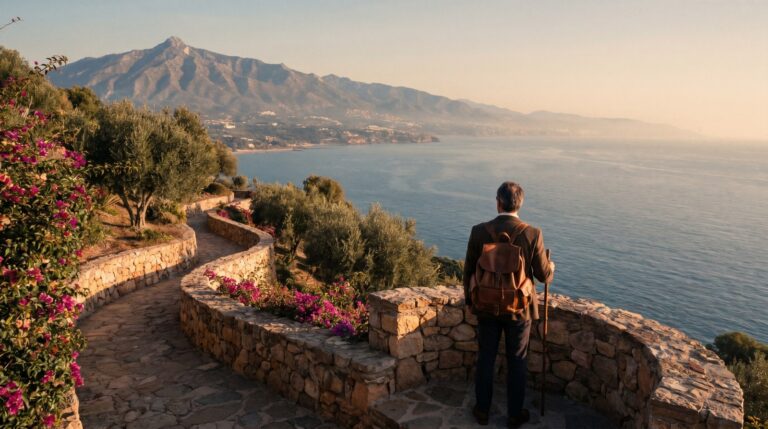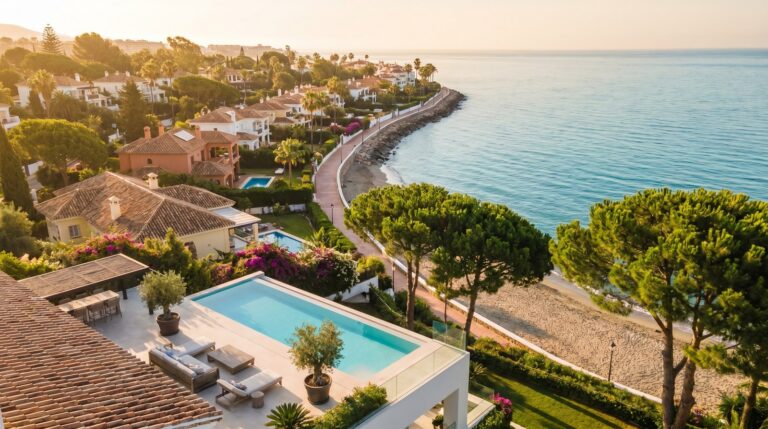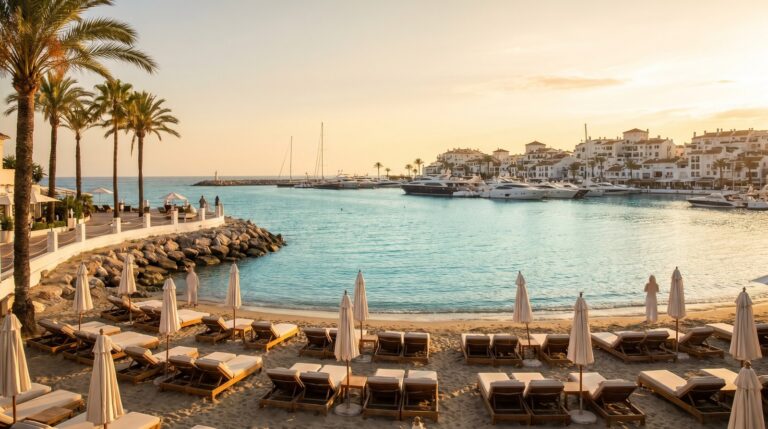
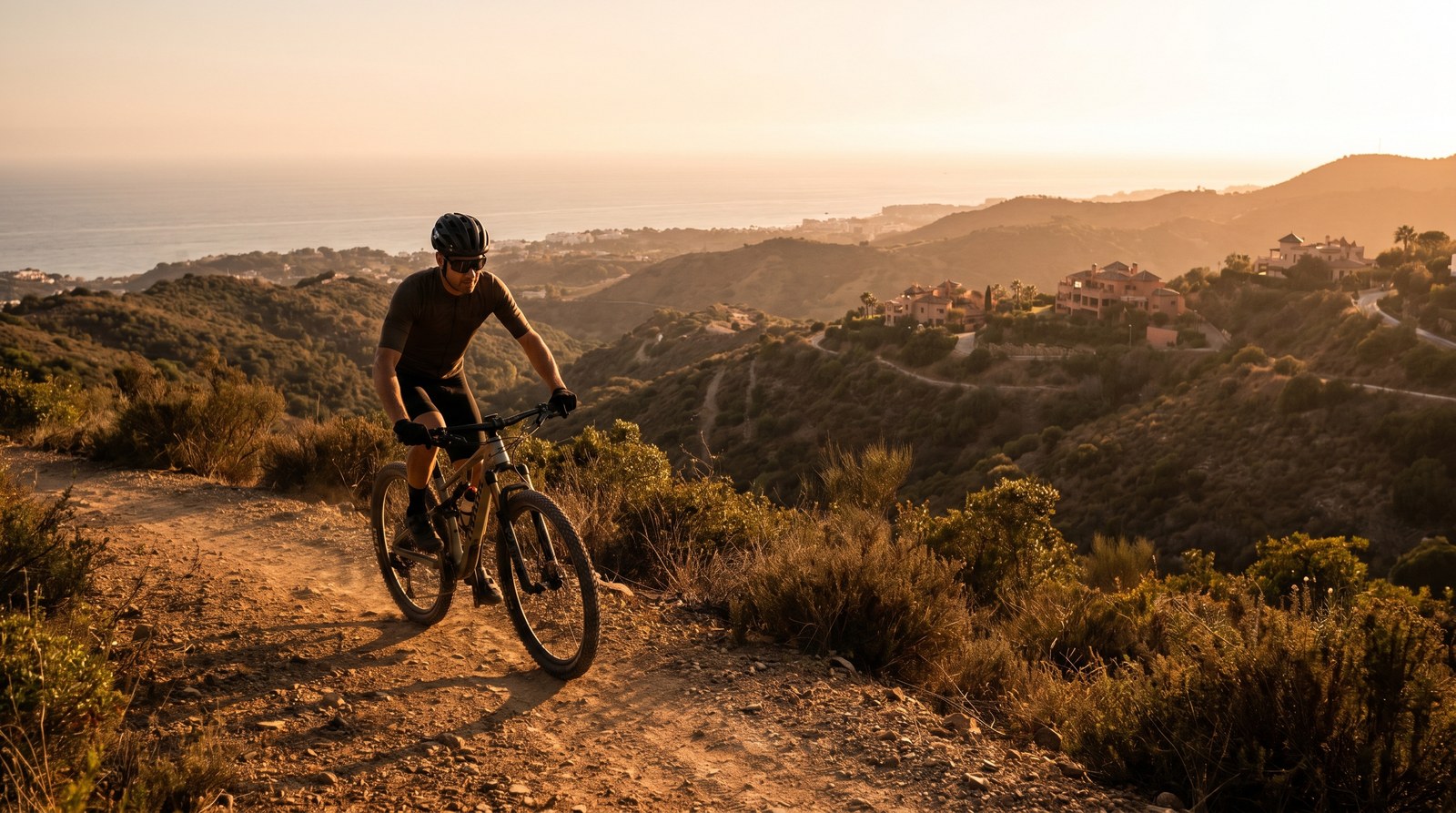
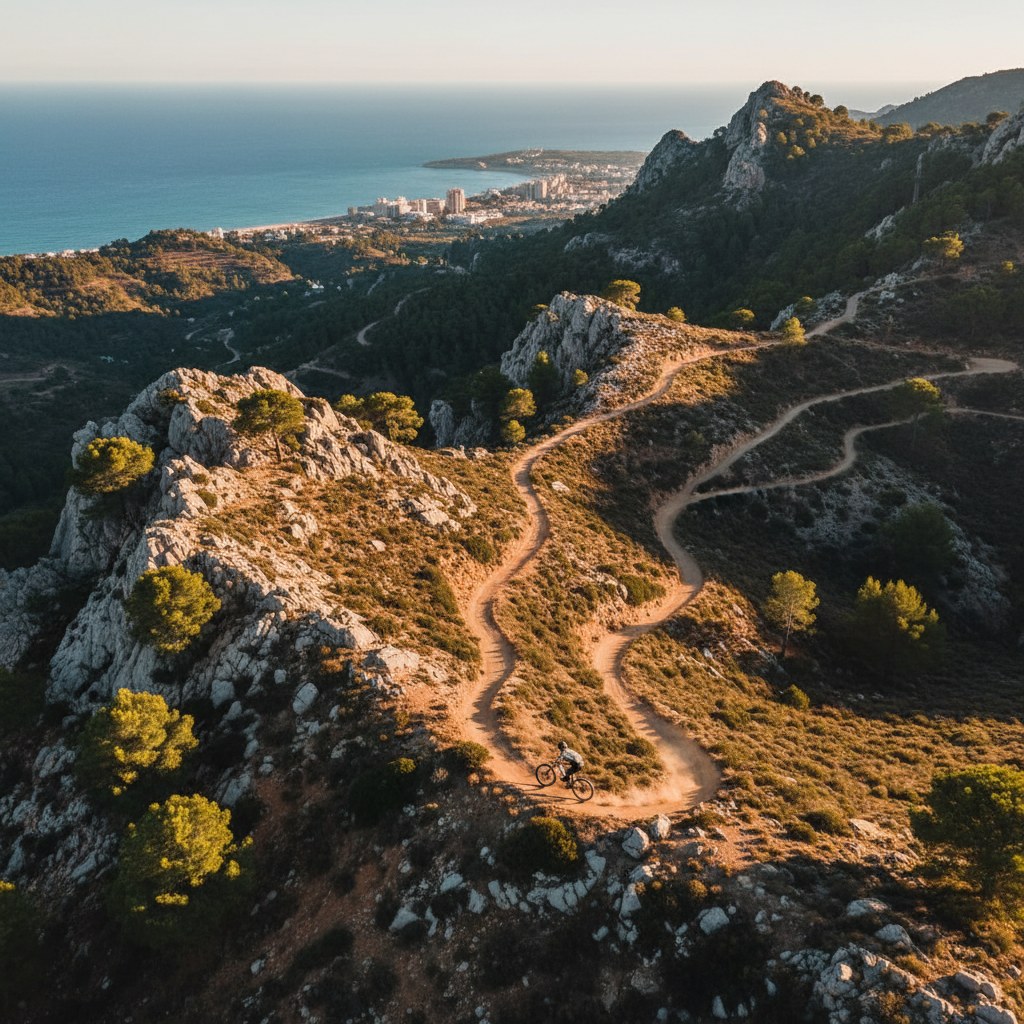
Mountain biking in Marbella offers far more than the Costa del Sol’s sun-drenched beaches and luxury marinas might suggest. Beyond the glamour of Puerto Banús and the Golden Mile, a network of world-class trails winds through the Sierra Blanca mountains, offering riders everything from gentle coastal paths to technical descents through pine forests and ancient Andalusian villages. Whether you’re seeking an adrenaline-fueled downhill run or a scenic family ride, Marbella’s diverse terrain delivers an exceptional two-wheeled experience year-round.
Why Marbella Stands Out for Mountain Biking
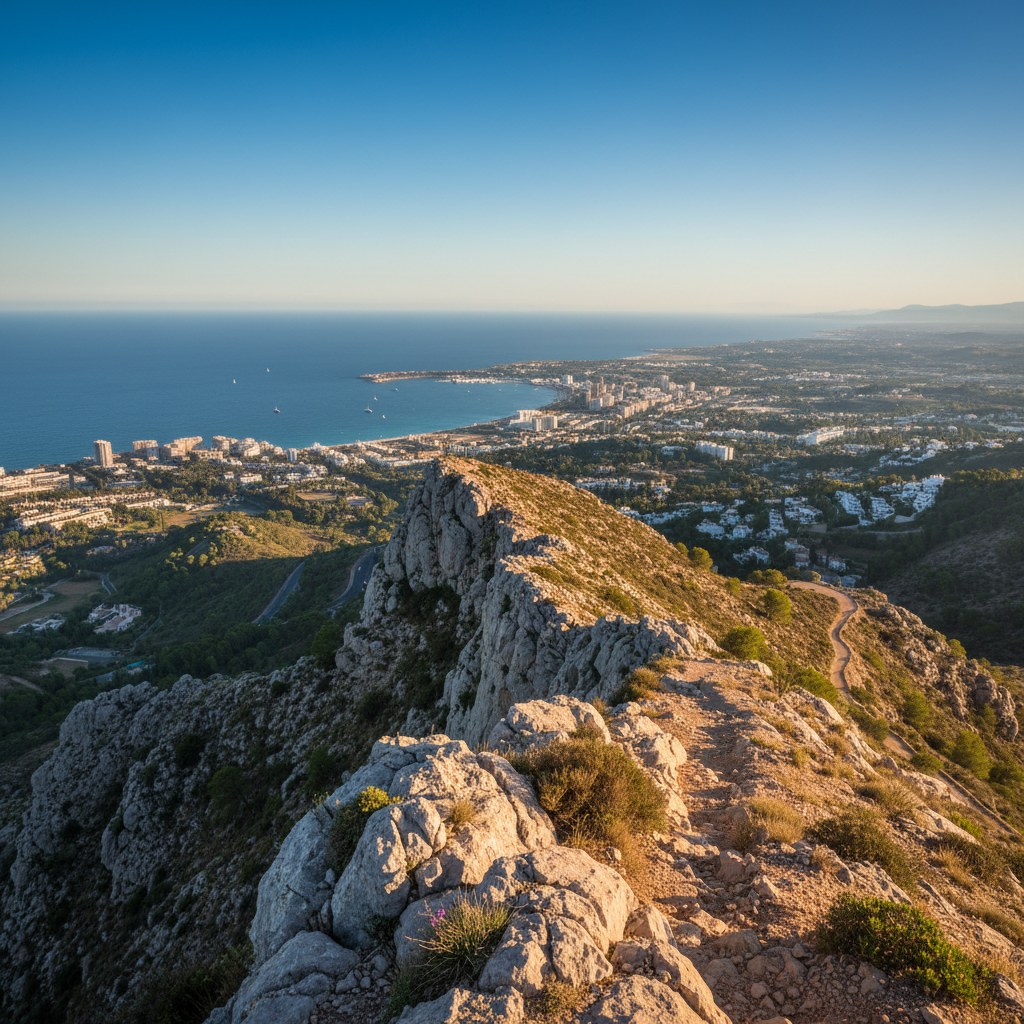
The geography surrounding Marbella creates a rare combination of accessibility and variety. Within 20 minutes of the coastline, riders can climb into the Sierra de las Nieves and Sierra Blanca ranges, where elevations reach beyond 1,200 metres and temperatures drop noticeably even in summer. This vertical gain translates to trails that reward climbers with sweeping Mediterranean views and technical descents back toward sea level.
The climate plays an equally important role. Marbella enjoys more than 320 days of sunshine annually, with mild winters that rarely dip below 10°C and summers moderated by coastal breezes. Serious riders typically avoid July and August when temperatures peak, favouring the shoulder seasons—March through May and September through November—when conditions are near-perfect and trails are less crowded.
Local insight: The best riding window is often 8:00–11:00 AM in summer, before the heat intensifies. Winter afternoons offer ideal conditions, with temperatures in the comfortable 15–18°C range.
Infrastructure matters too. Marbella has invested in trail maintenance and signage, particularly around popular zones like Ojén and Istán. The proximity to Málaga-Costa del Sol Airport—just 45 minutes away—makes Marbella accessible for international riders seeking a long weekend or extended cycling holiday.
Beginner-Friendly Routes: Building Confidence on Two Wheels
New riders or families will find Marbella surprisingly welcoming. The Río Verde coastal path, stretching from San Pedro de Alcántara eastward toward the town centre, offers a flat, 8-kilometre paved route ideal for e-bikes or hybrid cycles. This route runs parallel to the beach, passing through Guadalmina and Nueva Andalucía, with plenty of cafés and beach clubs for refreshment stops.
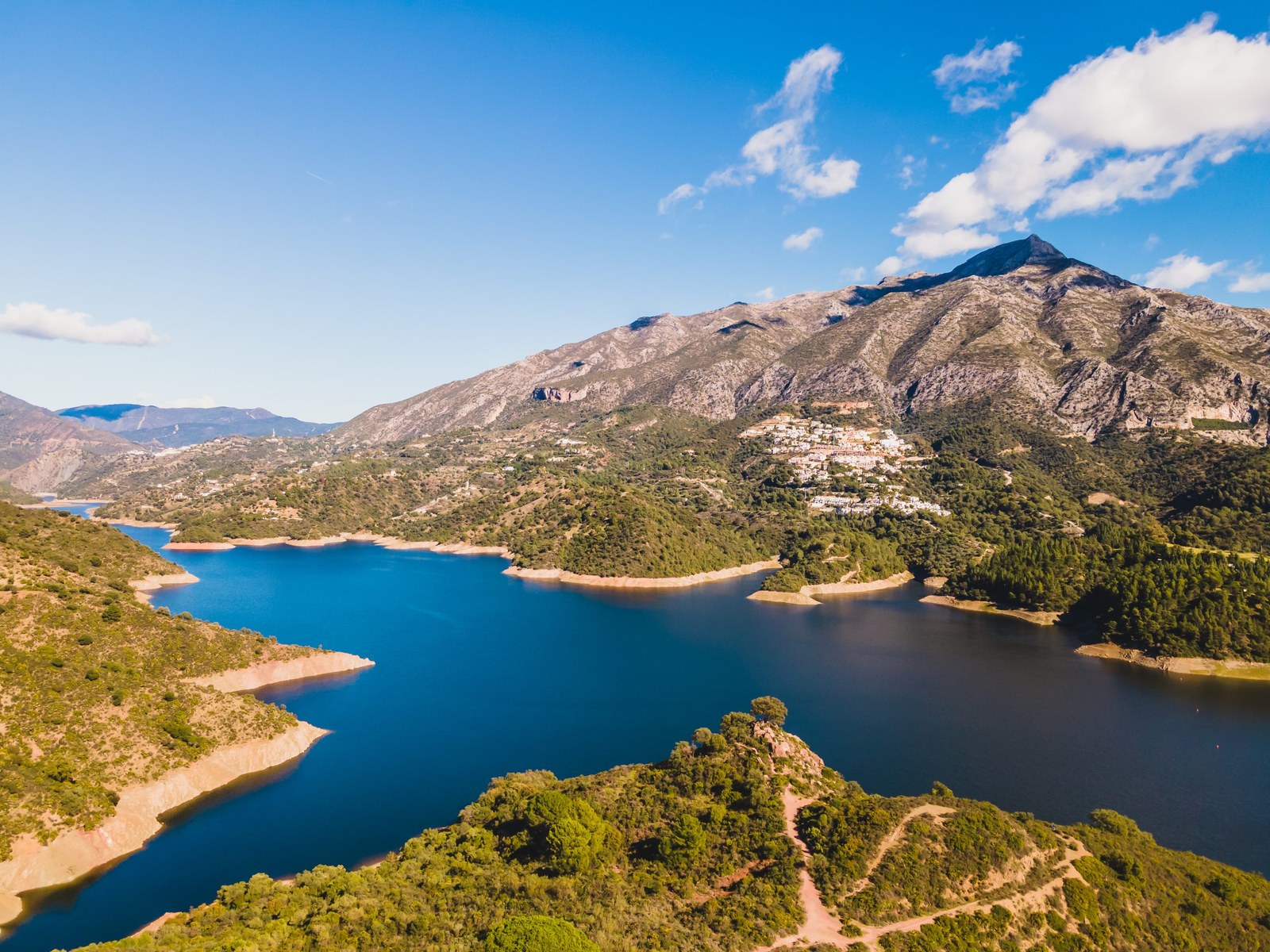
For those ready to venture inland, the Istán reservoir loop provides a gentle introduction to mountain terrain. This 15-kilometre circuit begins in the white village of Istán, follows well-maintained fire roads around the turquoise Embalse de la Concepción, and rewards riders with panoramic views across the valley. Elevation gain is modest—around 250 metres—and the surface remains largely non-technical, though a mountain bike is recommended over a road bike.
- Distance: 15 km round trip from Istán village
- Elevation gain: Approximately 250 metres
- Surface: Compact dirt roads, minimal technical sections
- Highlights: Reservoir views, shaded pine sections, village cafés
The Ojén to Refugio de Juanar route is another excellent stepping stone. This 12-kilometre climb follows a wide forestry track through fragrant pine and cork oak forests, ending at a historic mountain refuge where riders can enjoy traditional Andalusian cuisine. The gradient is steady but manageable, and the return descent offers a thrilling yet controlled introduction to downhill riding.
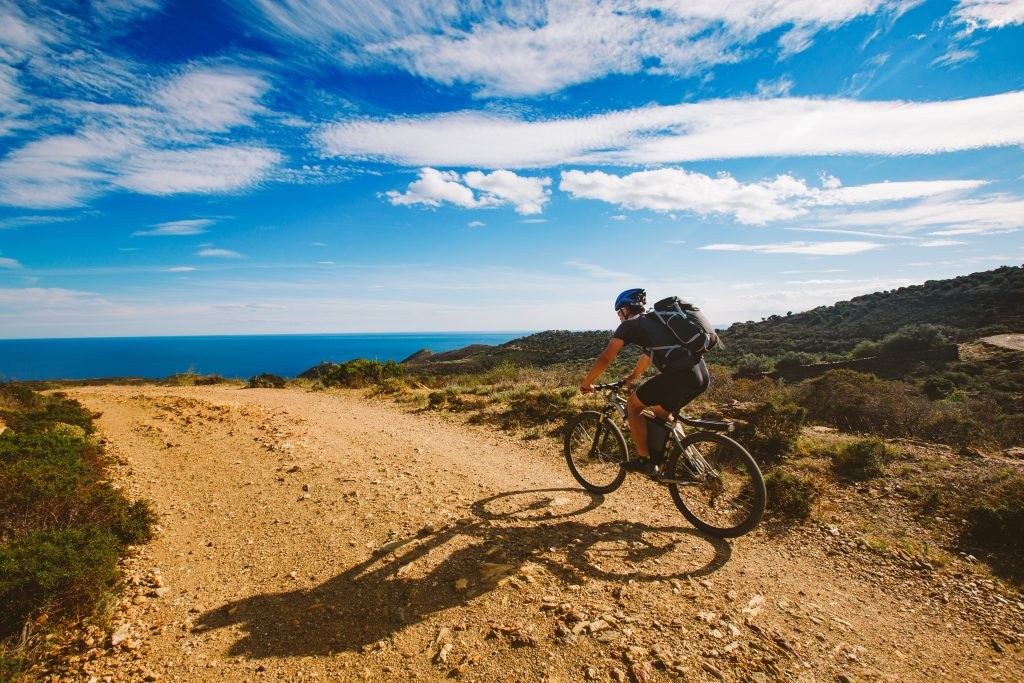
Advanced Trails: Technical Challenges in the Sierra
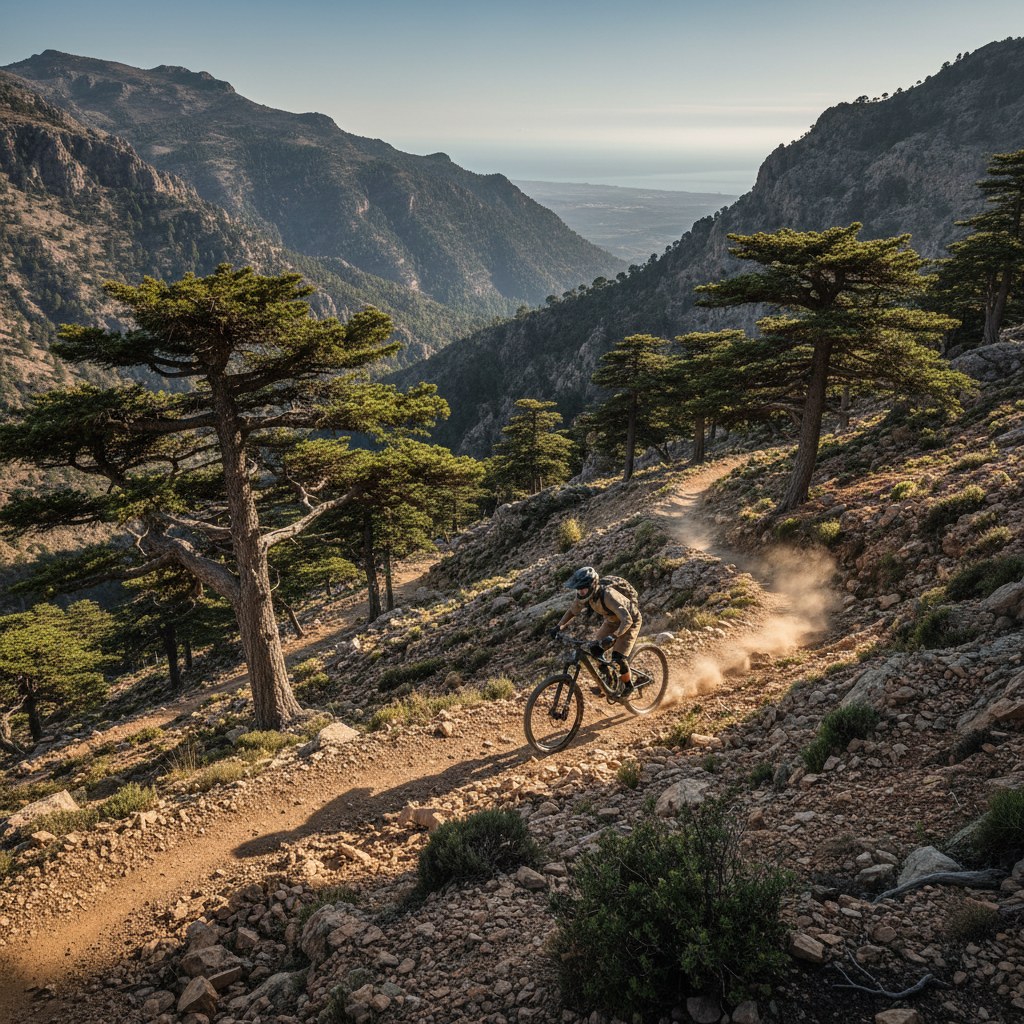
Experienced riders will find Marbella’s advanced trails genuinely demanding. The Sierra Blanca traverse—often tackled from the La Concha trailhead near Nagüeles—climbs aggressively to the 1,215-metre summit of La Concha, Marbella’s iconic peak. The ascent covers 9 kilometres with sections exceeding 15% gradient, threading through loose scree, exposed switchbacks, and rocky outcrops that demand technical handling and fitness.
The descent reverses the route or—for the truly skilled—continues north toward Ojén via narrow singletrack that drops through mixed terrain: root-strewn forest paths, rocky steps, and fast-flowing sections requiring precise braking and line choice. This is not a trail for hesitant riders; local guides recommend full-suspension bikes, quality brakes, and protective gear.
Expert tip: Carry more water than you think you’ll need. The Sierra Blanca trails offer limited shade and no water sources above 600 metres. A 3-litre hydration pack is standard for summer ascents.
The Ronda to Marbella descent represents the pinnacle of Costa del Sol mountain biking. Starting from the historic town of Ronda (elevation 750 metres), this epic 60-kilometre route traverses the Sierra de las Nieves Natural Park, dropping through ancient pinsapo fir forests, crossing mountain streams, and linking remote fincas (farms) via centuries-old mule tracks. Riders navigate technical descents, ford shallow rivers in spring, and experience the raw beauty of Andalusia’s backcountry. This is a full-day commitment, typically requiring vehicle support or pre-arranged shuttle service.
- Distance: Approximately 60 km, Ronda to Marbella
- Elevation loss: Over 700 metres net descent
- Duration: 5–7 hours riding time for experienced cyclists
- Requirements: Advanced technical skills, navigation tools, support vehicle recommended
Hidden Routes and Local Favourites
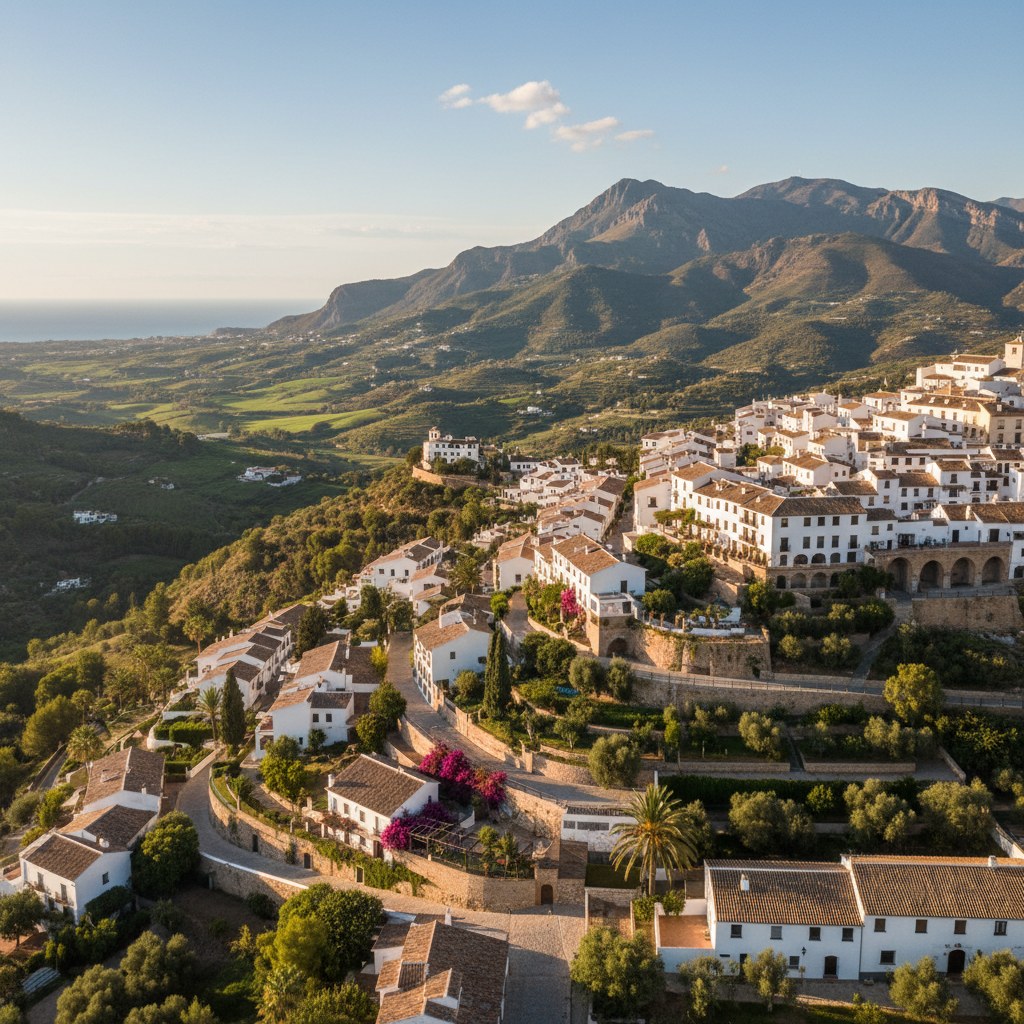
Beyond the well-documented trails, Marbella harbours routes known primarily to locals and resident riders. The Cancelada to Benahavís loop climbs inland from the coastal urbanisation of El Cancelada, following quiet country roads and dirt tracks through avocado and mango plantations before reaching the gourmet village of Benahavís. The 22-kilometre circuit mixes paved climbs with off-road descents, offering a taste of rural Andalusia just minutes from the coast.
The Elviria Hills network, east of Marbella centre near Santa María Golf, features a web of singletrack trails threading through Mediterranean scrubland. These shorter loops—typically 5–8 kilometres—are perfect for quick evening rides, with punchy climbs, flowing descents, and coastal views. Local riders have informally maintained these trails for years, and while signage is minimal, GPS tracks are widely shared within the cycling community.
For a cultural dimension, the white villages route links Istán, Ojén, and Monda via a combination of quiet roads and forest tracks. This 35-kilometre journey showcases traditional Andalusian architecture, passes working olive groves, and stops at village bars where riders can sample churros and strong coffee. It’s less about technical riding and more about experiencing the region’s authentic character away from the coastal resorts.
Guided Tours, Rentals, and Logistics
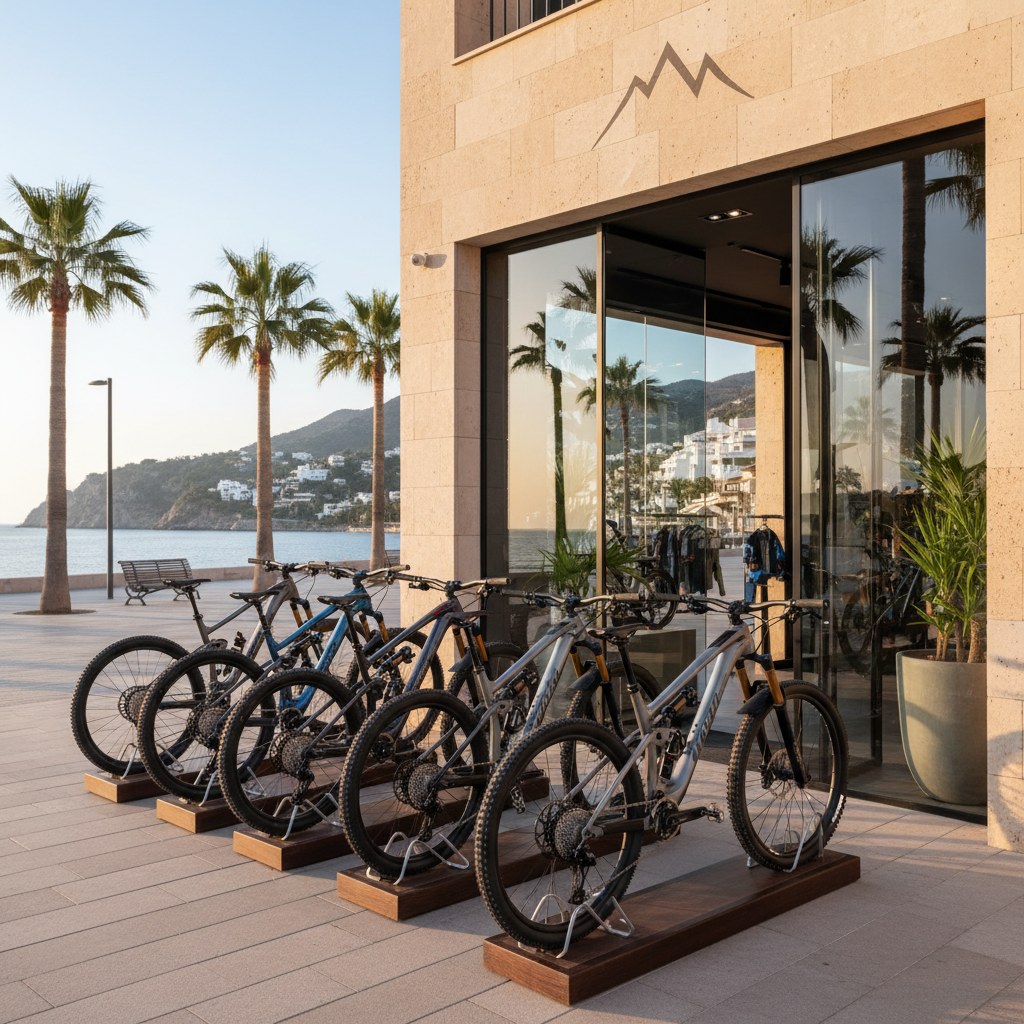
Marbella supports mountain biking with a solid infrastructure of rental shops, guided tour operators, and support services. E-mountain bikes have become increasingly popular, opening advanced trails to riders who might lack the fitness for long climbs but possess the technical skills for descents. Several operators offer half-day and full-day guided tours that include bike rental, helmet, insurance, and expert local knowledge.
Typical rental costs range from €35–€50 daily for quality hardtail mountain bikes, with full-suspension models commanding €60–€80. E-bikes start around €70 per day. Multi-day rentals usually offer discounted rates. Reputable shops in San Pedro, Nueva Andalucía, and central Marbella stock current-season models from brands like Trek, Specialized, and Scott, with sizes suitable for most riders.
- Guided tour options: Half-day (3–4 hours), full-day (6–7 hours), multi-day packages
- Group sizes: Typically 4–8 riders per guide for safety and personalisation
- Skill-level matching: Tours are usually graded beginner, intermediate, advanced
- Inclusions: Bike, helmet, basic tools, guide expertise, often snacks and water
Private guided tours offer the most flexibility, allowing custom route design, pace adjustment, and photography stops. These typically cost €200–€350 for a half-day, depending on group size and route complexity. For serious riders seeking to maximise trail time during a short visit, this investment delivers significant value through local knowledge and logistical efficiency.
Shuttle services have emerged for popular descent routes, particularly the Ronda run. Operators transport riders and bikes to high-elevation starting points, eliminating the need for gruelling climbs and allowing fresh legs for technical descents. Prices average €40–€60 per person, depending on distance and group size.
Essential Preparation and Safety Considerations
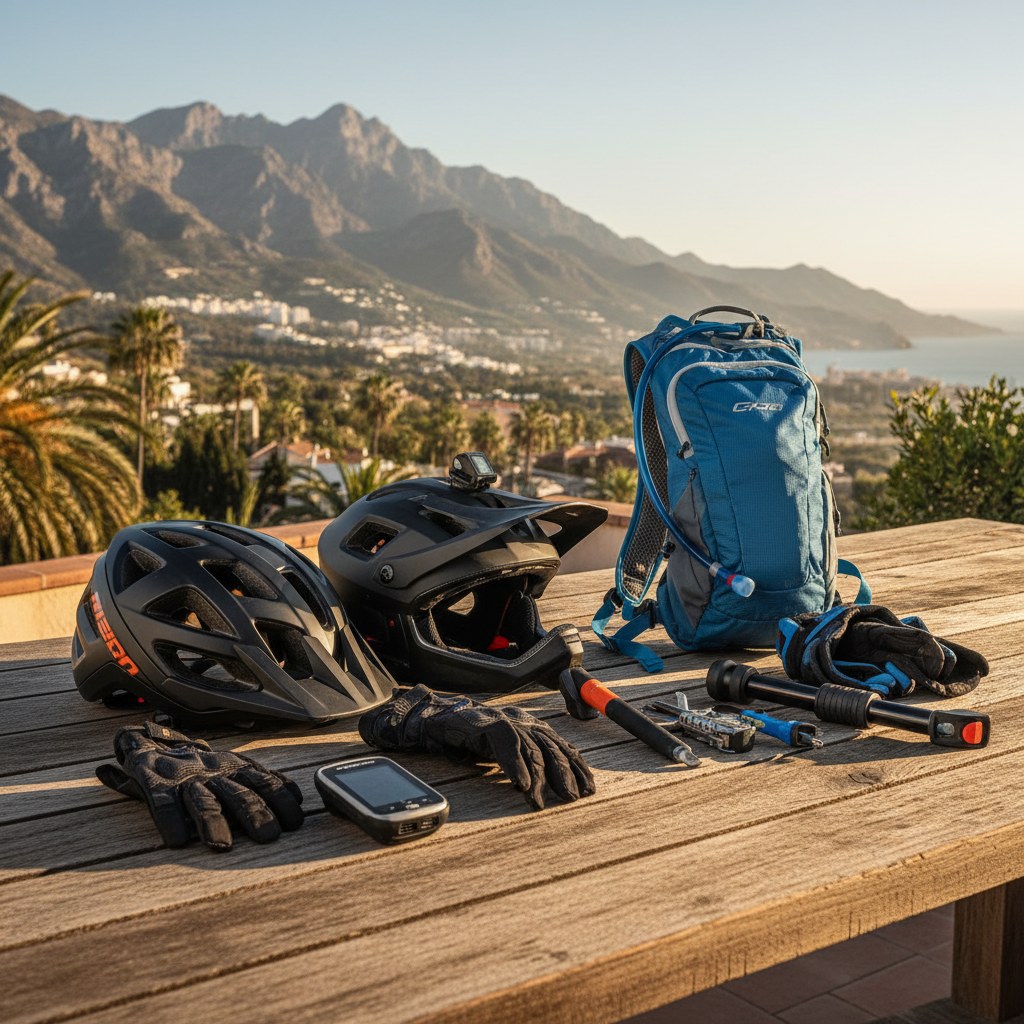
Mountain biking in Marbella’s backcountry requires thoughtful preparation. The region’s remote trails often lack mobile phone coverage, water sources, and emergency services access. Riders should carry a basic repair kit (spare tube, pump, multi-tool, chain link), first-aid supplies, and sufficient water—at least 2 litres for moderate rides, more for summer or long routes.
Navigation technology is essential beyond the beginner trails. Downloading GPS tracks from platforms like Komoot, Strava, or Wikiloc before departure ensures you can follow routes even without data signal. A portable battery pack keeps devices charged during all-day rides. Many local riders also carry a traditional map as backup.
Safety reminder: Inform someone of your planned route and expected return time, especially when riding solo. The Sierra de las Nieves terrain can be unforgiving, and mobile coverage is patchy above 800 metres.
Weather can change rapidly in the mountains. Even when coastal Marbella basks in sunshine, clouds and wind may envelop higher elevations. Carry a lightweight windproof jacket year-round, and check forecasts specifically for mountain zones, not just the coast. Winter riders should be prepared for temperatures 10–15°C cooler than sea level.
Helmet use is legally required for riders under 16 years on public roads, but universal helmet use is strongly recommended on all trails. Gloves, knee pads, and elbow protection are advisable for technical descents. Quality sunglasses protect against sun, dust, and low branches on narrow singletrack.
Trail etiquette matters in shared-use areas. Hikers have right of way; slow down and announce your presence when approaching from behind. Stay on marked trails to prevent erosion and respect private property boundaries, which are common in rural areas. The local cycling community works hard to maintain positive relationships with landowners and environmental authorities.
Why Choose Marbella Hospitality for Your Cycling Holiday
Planning a mountain biking trip involves more than just finding trails—it requires coordinating accommodation, transport, bike rentals, and local expertise. Marbella Hospitality specialises in crafting seamless experiences that let you focus on riding while we handle the logistics. Our concierge team connects you with vetted bike rental partners, arranges private guided tours tailored to your skill level, and books luxury villas strategically located near top trailheads. Whether you need airport transfers with bike transport, recommendations for post-ride recovery treatments, or reservations at Marbella’s finest restaurants, our dedicated support ensures every detail enhances your cycling adventure.
Making the Most of Your Marbella Riding Experience
The beauty of mountain biking in Marbella lies in its versatility. A single visit can encompass morning trail rides in the Sierra Blanca, afternoon relaxation at a beach club, and evening dining in Puerto Banús—all within a 30-minute radius. This combination of adventure and luxury defines the modern Marbella experience.
Consider timing your visit around the shoulder seasons when trails are at their best and accommodation rates drop from peak summer levels. April and May bring wildflowers to the mountain slopes, while September and October offer warm, stable weather without the intense heat. Winter riding from December through February appeals to northern European cyclists escaping cold climates, though some high-elevation trails may be muddy or occasionally snow-dusted.
Combining mountain biking with Marbella’s other outdoor pursuits creates a rich activity portfolio. Many riders also enjoy road cycling along the coastal Autovía del Mediterráneo, hiking in the Sierra de las Nieves, or paddle boarding from Marbella’s beaches. The region supports an active lifestyle with excellent sports facilities, physiotherapy services, and healthy dining options.
For those extending their stay, exploring neighbouring areas broadens the experience. The Málaga Mountains to the east and Sierra de Grazalema to the west offer additional trail networks, while the city of Málaga itself provides cultural attractions, museums, and exceptional urban cycling infrastructure along its waterfront promenade.
Ready to experience Marbella’s trails with expert support and luxury service? Contact our concierge team to design your perfect cycling escape, complete with villa accommodation, bike arrangements, and personalised itinerary planning that showcases the best of Costa del Sol mountain biking.