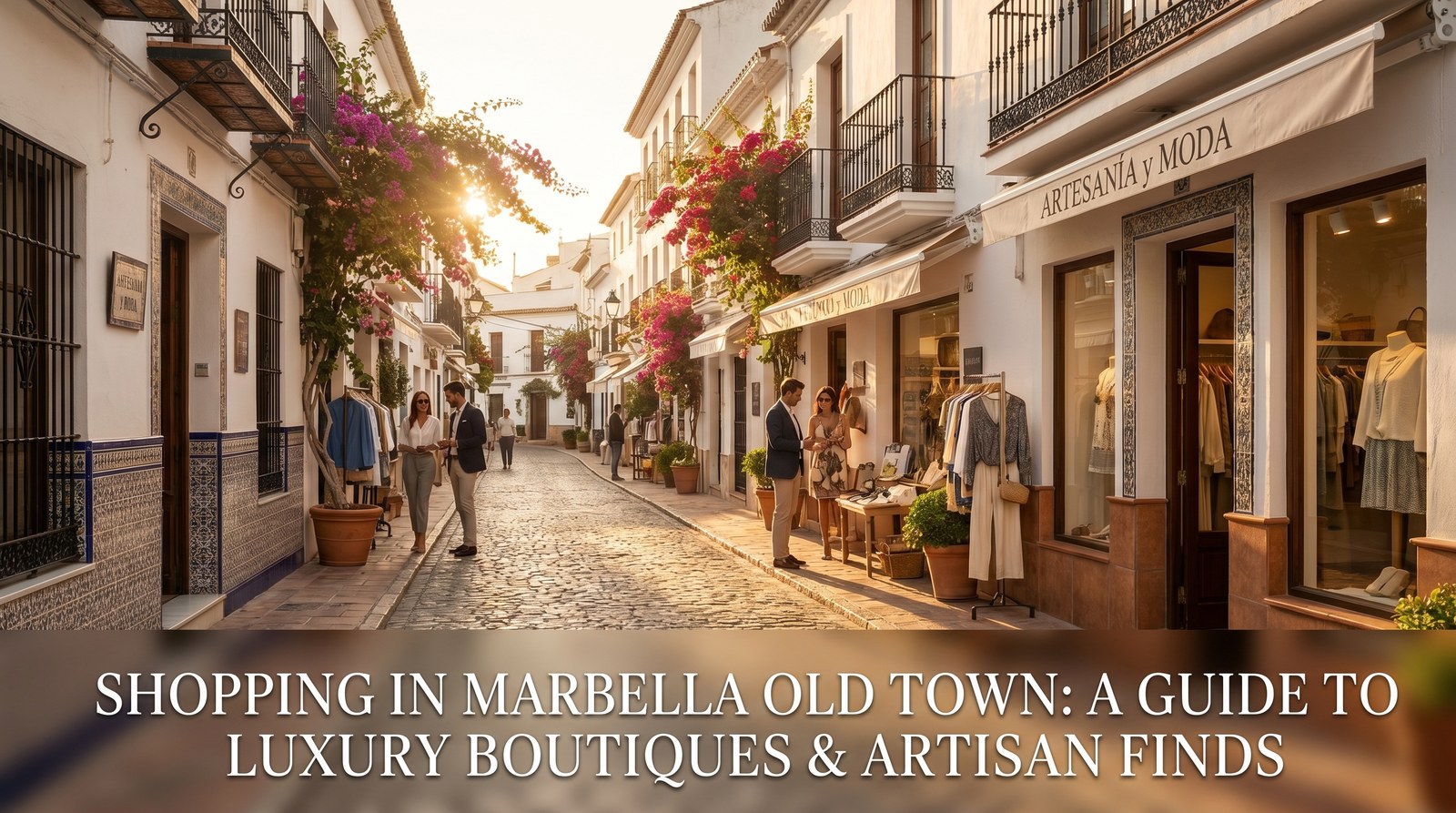
Marbella’s Casco Antiguo is more than a postcard-perfect historic quarter—it’s a refined shopping destination where centuries-old architecture frames contemporary boutiques, artisan workshops, and gourmet purveyors. Tucked between the whitewashed walls and jasmine-scented plazas, you’ll discover a carefully curated retail landscape that mirrors Marbella’s dual identity: deeply rooted in Andalusian tradition, yet unmistakably cosmopolitan.
Unlike the designer flagships lining the Golden Mile or Puerto Banús, Marbella Old Town shopping rewards the curious. This is where independent designers showcase limited collections, where ceramicists still hand-paint tiles using techniques passed down through generations, and where jewellers craft bespoke pieces in sunlit ateliers. The experience is intimate, unhurried, and distinctly local—a counterpoint to the high-octane luxury found elsewhere on the coast.
Why the Casco Antiguo Remains Marbella’s Hidden Retail Gem
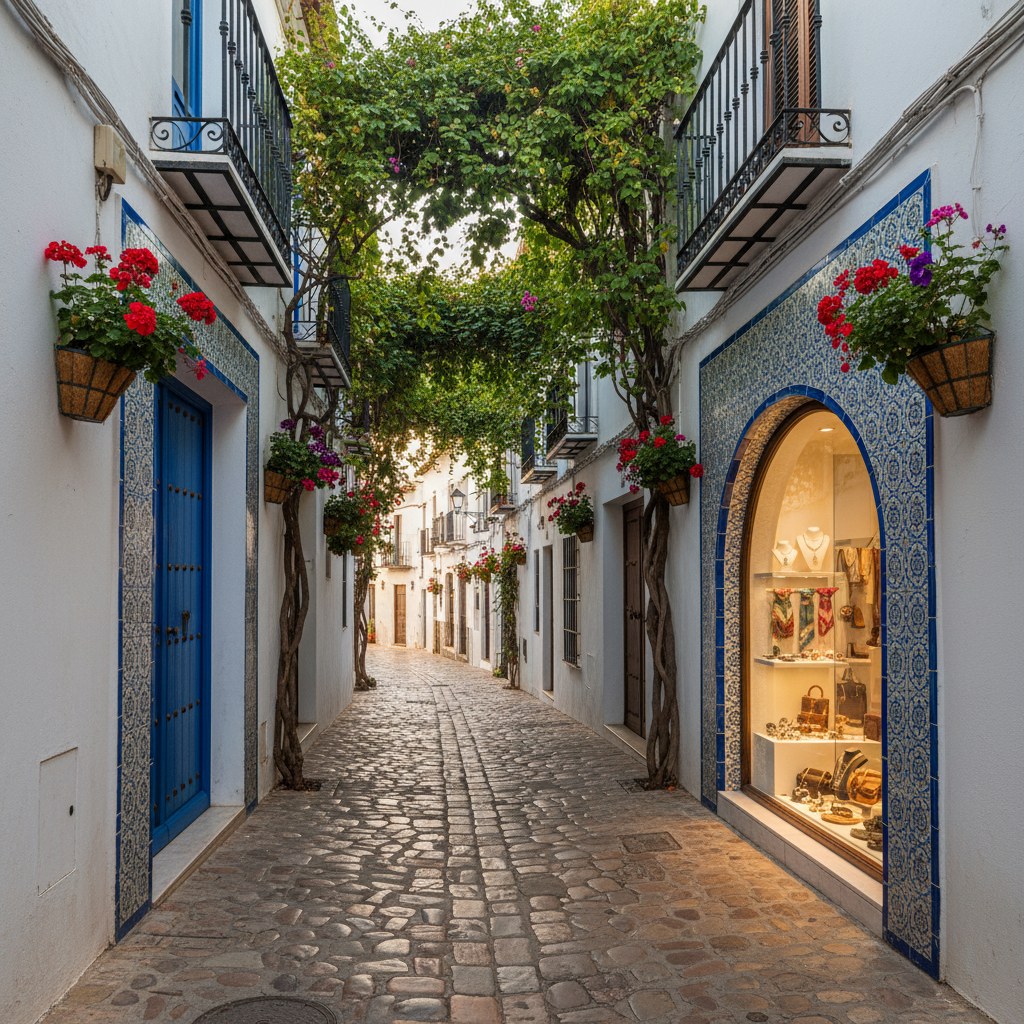
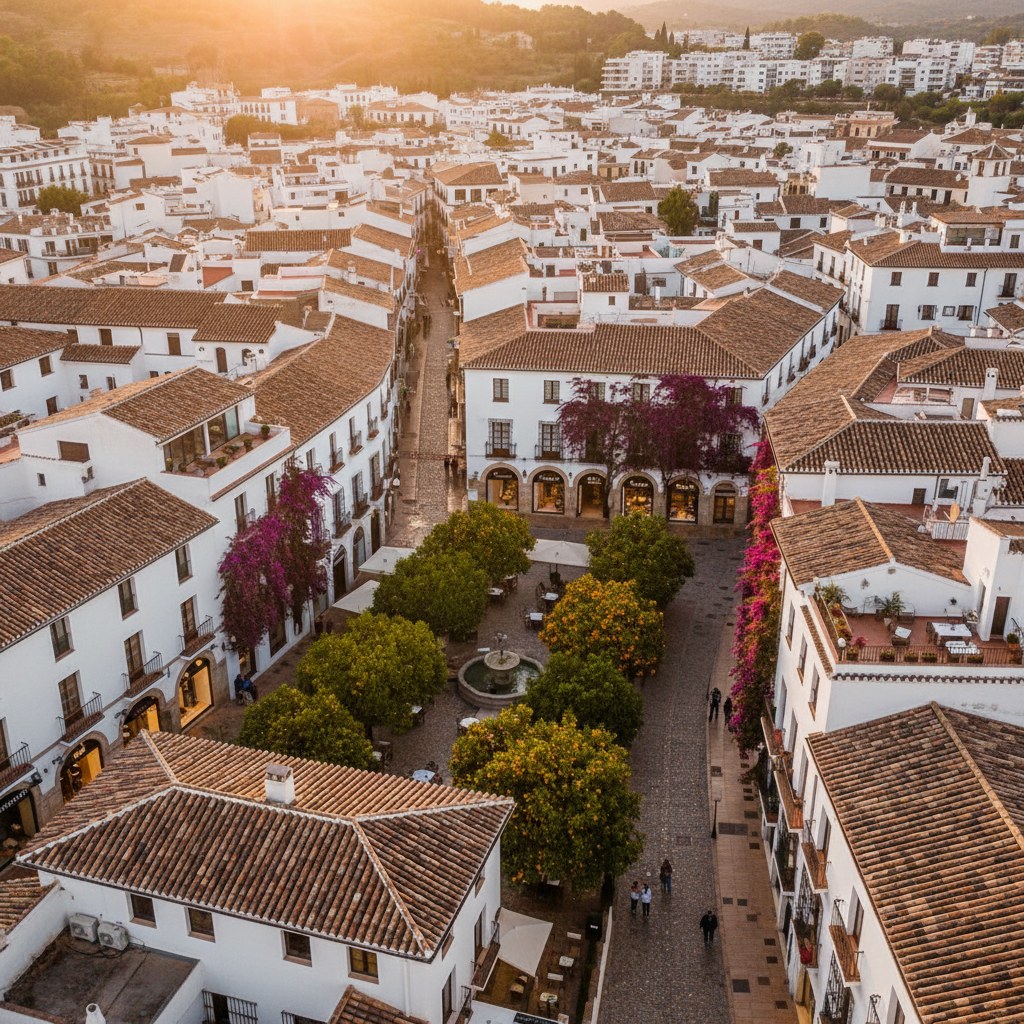
The Casco Antiguo—Marbella’s Old Town—occupies roughly ten pedestrianised blocks north of Avenida Ramón y Cajal, centred on the iconic Plaza de los Naranjos. Originally a Moorish settlement, the quarter retains its medieval street plan: narrow lanes designed to offer shade and deflect coastal winds, opening unexpectedly into sunlit squares.
This labyrinthine layout creates natural discovery. A ceramics studio might hide behind a carved wooden door on Calle Ancha; a concept boutique selling Ibizan linen and Portuguese espadrilles occupies a former merchant’s house on Calle Remedios. The architecture itself—azulejo-tiled doorways, wrought-iron balconies draped in geraniums, centuries-old stone fountains—provides a backdrop that elevates even the simplest window display into something memorable.
Insider tip: Visit on weekday mornings between 10:00 and 13:00, when shopkeepers are most available for conversation and the streets haven’t yet filled with afternoon tourists. Many boutiques close for siesta and reopen from 17:00 to 20:30.
Fashion Boutiques: Curated Collections Beyond the Mainstream
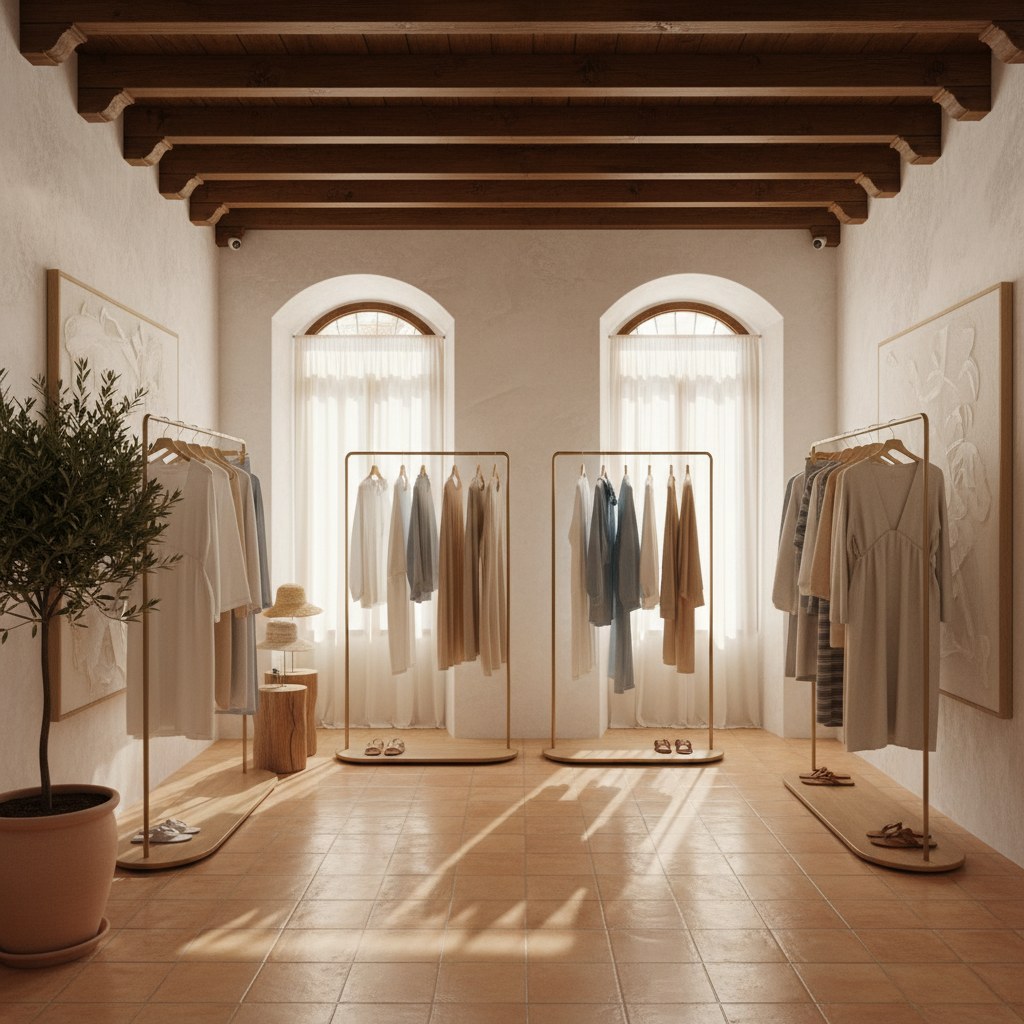
Marbella Old Town’s fashion offering skews toward independent labels, resort wear, and European designers rarely found elsewhere in southern Spain. You won’t encounter the usual luxury conglomerates here—instead, expect carefully edited selections that reflect the owner’s taste and the coastal lifestyle.
Calle Ancha and Calle Nueva form the retail spine, hosting boutiques that blend Spanish brands like Mango Premium and Hoss Intropia with French and Italian imports. Look for linen shift dresses, handwoven espadrilles, and the kind of effortless separates that transition seamlessly from beach club lunch to evening tapas.
Several boutiques specialise in resort wear and swimwear, offering Brazilian bikinis, Turkish kaftans, and hand-embroidered tunics. Prices range from accessible to investment, but the common thread is exclusivity—many pieces are produced in limited runs, ensuring you won’t see the same design repeated poolside at your villa.
- Bohemian elegance: Flowing maxi dresses, artisan jewellery, and hand-dyed scarves from Mediterranean and North African designers
- Contemporary Spanish design: Structured blazers, leather sandals, and minimalist accessories from Barcelona and Madrid ateliers
- Menswear: Linen shirts, espadrilles, Panama hats, and lightweight tailoring suited to Marbella’s year-round warmth
For those seeking personal styling or private appointments, Marbella Hospitality’s concierge team can arrange exclusive access to showrooms and after-hours shopping experiences in the Old Town’s most sought-after boutiques.
Artisan Craft Shops: Andalusian Heritage in Every Piece
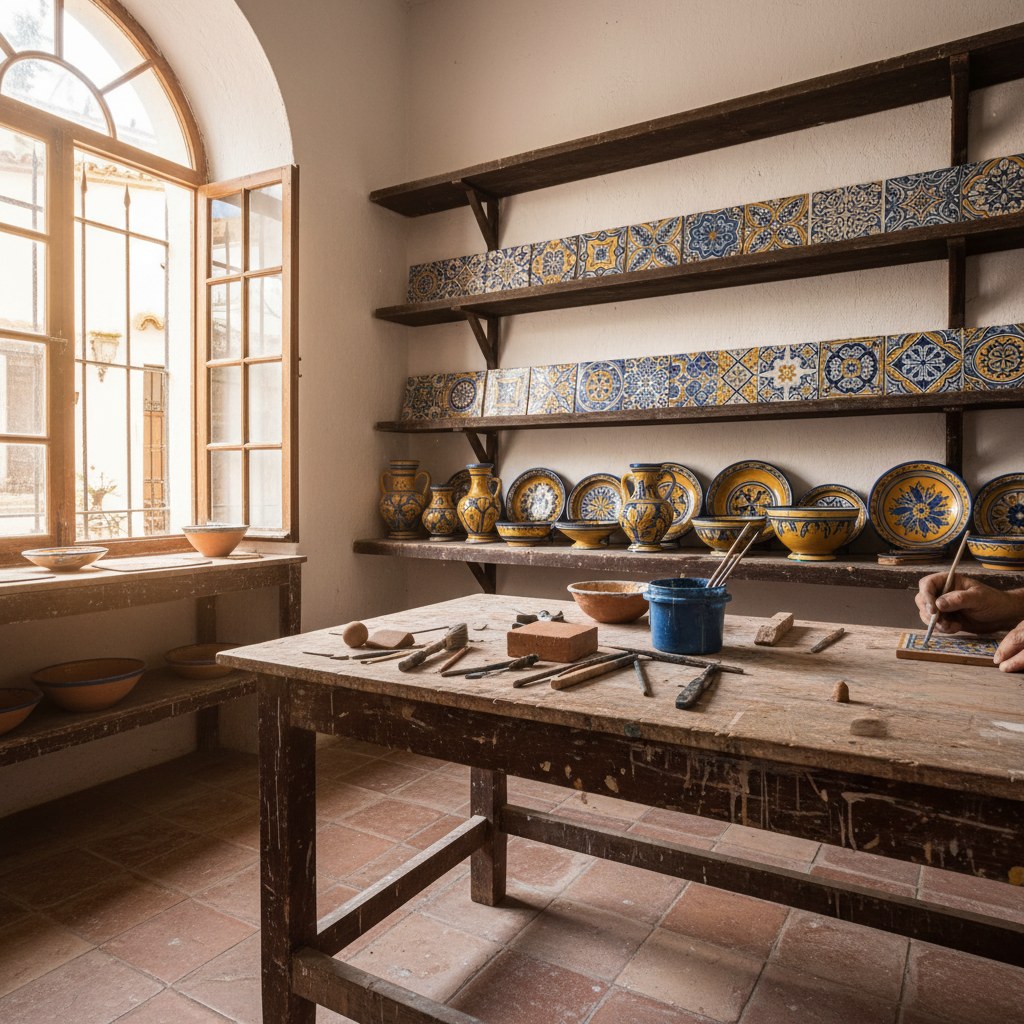
The craft shops of the Casco Antiguo are where Marbella’s tourism economy intersects with centuries-old Andalusian tradition. These aren’t souvenir traps—they’re working studios where artisans practise skills inherited from parents and grandparents, producing functional art that doubles as cultural preservation.
Ceramics and azulejos dominate, ranging from decorative wall tiles hand-painted with Moorish geometric patterns to functional tableware in cobalt blue and saffron yellow. Many pieces are fired in kilns located in the nearby Guadalmina pottery district or the traditional workshops of Granada and Sevilla. Prices reflect the labour involved: a single hand-painted serving platter can take several days to complete.
Leather goods represent another cornerstone of Old Town craft. Workshops produce hand-stitched bags, belts, and sandals using vegetable-tanned leather and traditional Andalusian tooling techniques. The aesthetic leans rustic—distressed finishes, brass hardware, natural dyes—but construction quality is exceptional, designed to age gracefully over decades of use.
Textile shops offer hand-woven blankets, embroidered linens, and alpujarra rugs—the striped cotton textiles native to the Sierra Nevada foothills. These make excellent villa décor or gifts, and most shopkeepers can arrange international shipping for larger purchases.
Local insight: Ask about provenance. Genuine artisan pieces will have maker’s marks or come with stories about the craftsperson. If a shopkeeper can’t tell you where or how something was made, it’s likely mass-produced elsewhere.
Jewellery Ateliers: Bespoke Luxury in Intimate Settings
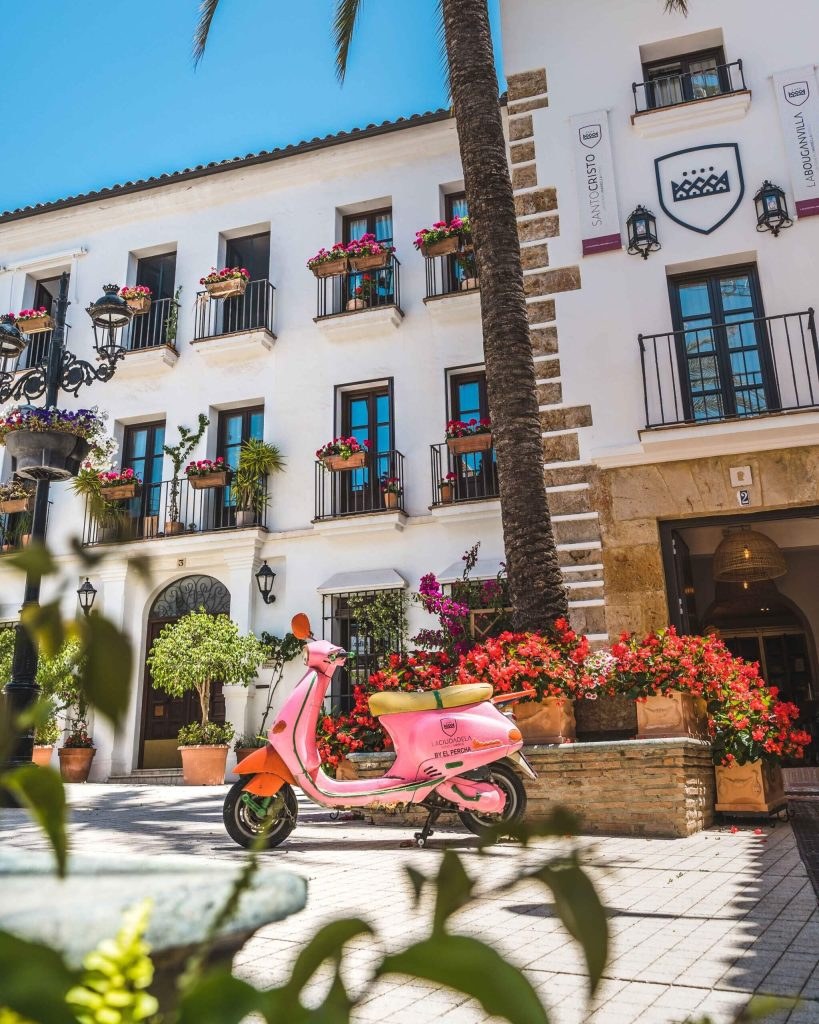
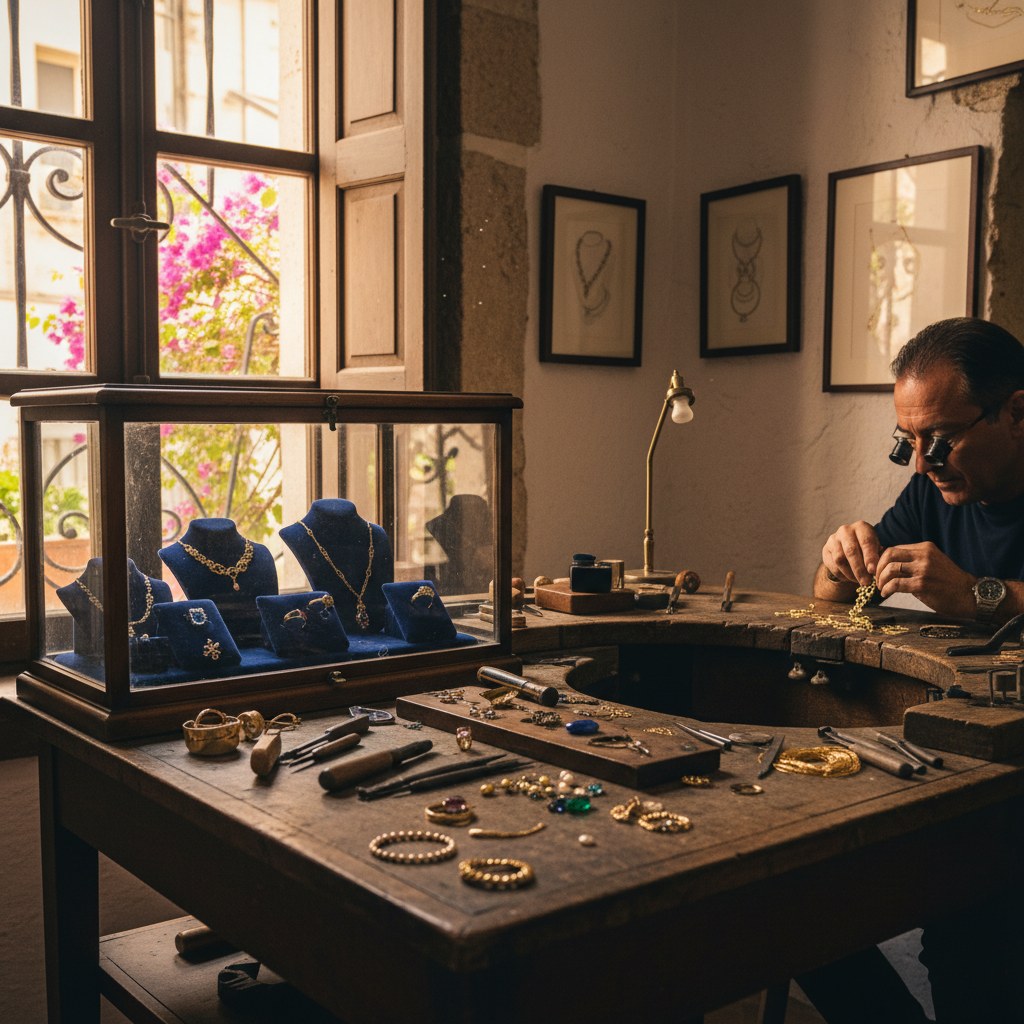
Marbella Old Town is home to several independent jewellers and goldsmiths who work on commission, creating one-of-a-kind pieces for clients who want something beyond retail catalogues. These ateliers occupy historic storefronts along Calle Ortiz de Molinillo and the side streets radiating from Plaza de los Naranjos.
The aesthetic varies widely—some specialise in contemporary minimalism (brushed gold, geometric forms, semi-precious stones), while others lean into Andalusian baroque (filigree, granulation, traditional Spanish techniques). Many incorporate locally sourced materials: Ronda marble, Almería quartz, even reclaimed silver from antique markets.
Bespoke commissions typically begin with a consultation, where the jeweller sketches concepts based on your preferences, budget, and intended use. Turnaround ranges from two weeks for simple designs to several months for complex pieces involving stone-setting or engraving. Expect to pay a premium for this level of personalisation, but the result is jewellery with genuine provenance and emotional resonance.
- Engagement and wedding rings: Custom designs incorporating family stones or symbolic motifs
- Statement necklaces: Bold pieces suitable for gala events at Marbella’s exclusive venues
- Everyday luxury: Delicate bracelets, signet rings, and heirloom-quality pieces designed for daily wear
Several jewellers also offer restoration and redesign services, transforming inherited jewellery into contemporary pieces that honour the original while reflecting current tastes.
Gourmet Food Shops: Culinary Souvenirs and Everyday Luxuries
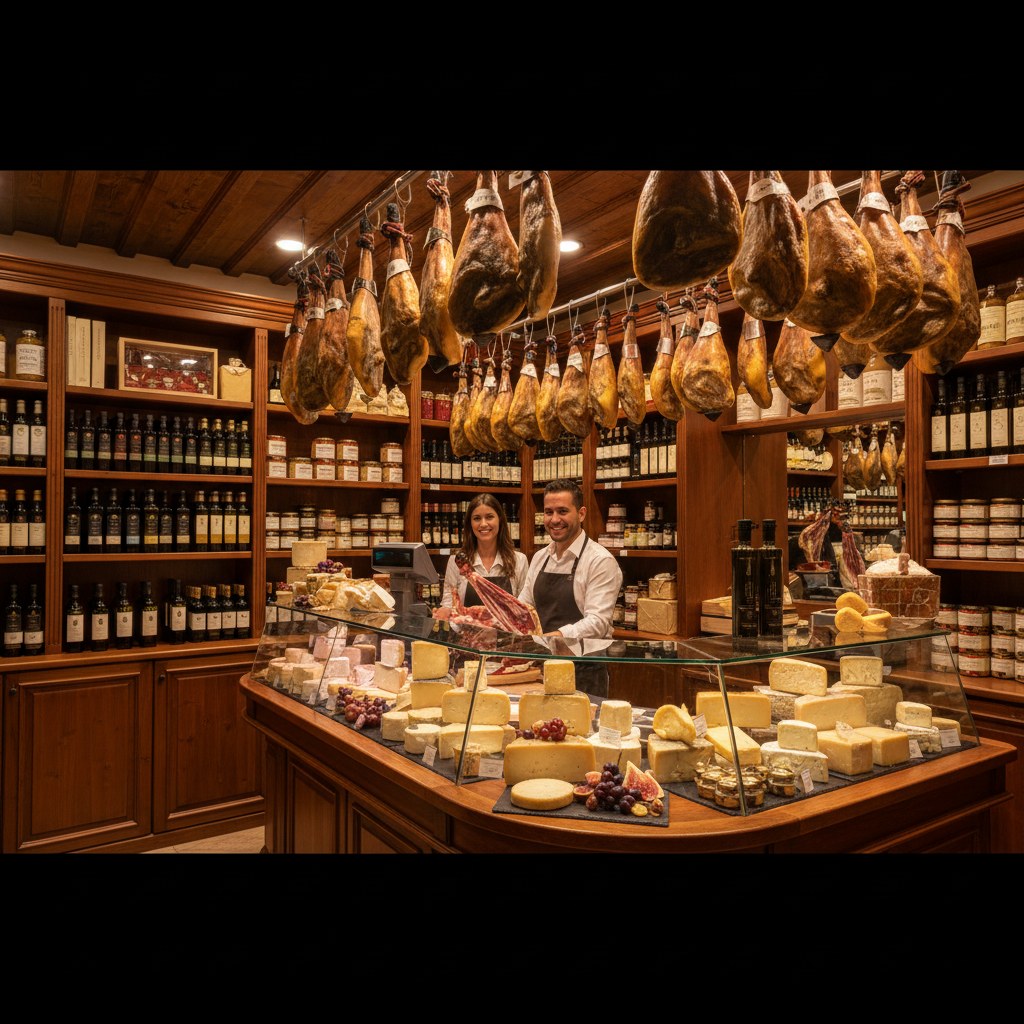
Marbella Old Town’s gourmet shops occupy a sweet spot between tourist retail and local provisioning. These are the establishments where villa chefs source ingredients, but they’re equally welcoming to visitors seeking edible souvenirs or picnic supplies for a day on a chartered yacht.
Olive oil is the undisputed star. Look for single-estate extra virgin oils from the Ronda mountains or the Sierra de las Nieves, often sold in beautifully designed tins or ceramic bottles. Tasting notes range from grassy and peppery to buttery and mild—shopkeepers typically offer samples and can recommend pairings.
Charcuterie and cheese counters showcase Ibérico ham (from acorn-fed pigs in Extremadura), chorizo, salchichón, and regional cheeses like Payoyo from Cádiz and Torta del Casar from western Spain. Many shops vacuum-seal purchases for travel or arrange temperature-controlled shipping to international addresses.
Wine merchants stock carefully curated selections emphasising Andalusian and Spanish labels: Ribera del Duero reds, Albariño whites, sherries from Jerez, and natural wines from emerging DO regions. Staff knowledge tends to be excellent—these aren’t generic wine shops but specialists who can guide you toward bottles that match your palate and budget.
- Pantry staples: Smoked paprika, saffron, Marcona almonds, preserved peppers, artisan sea salt
- Sweet treats: Turrón (almond nougat), polvorones (shortbread cookies), fig cakes, honey from the Serranía de Ronda
- Specialty items: Caviar, tinned seafood, truffle products, aged balsamic vinegars
For guests staying in luxury villas, several gourmet shops offer delivery and can pre-stock kitchens with requested provisions before arrival—a service easily coordinated through a dedicated concierge.
Home Décor and Antiques: Curating Marbella Style
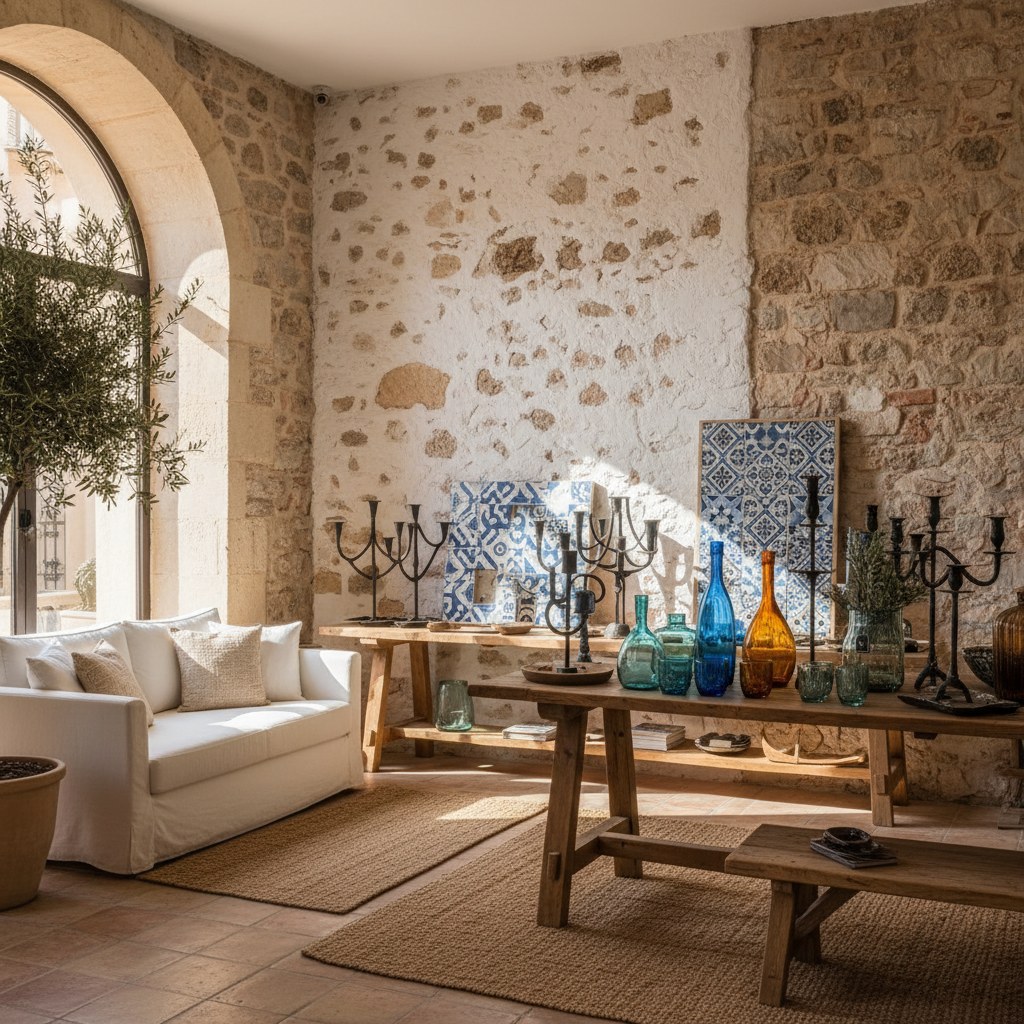
Scattered throughout the Old Town are interiors boutiques and antique dealers specialising in Mediterranean décor: hand-blown glassware from Mallorca, reclaimed wooden shutters, vintage azulejo panels, wrought-iron candelabras, and the kind of artfully weathered furniture that defines coastal European elegance.
These shops cater to villa owners and interior designers, but visitors furnishing holiday homes or seeking statement pieces for primary residences will find plenty to consider. Provenance is often fascinating—a dining table might be constructed from reclaimed olive wood, a mirror frame carved from 18th-century Andalusian doors.
Prices vary dramatically based on age, rarity, and condition. Smaller items (ceramic bowls, linen napkins, decorative tiles) start around €30–€100, while significant furniture or antique pieces can reach several thousand euros. Most dealers can arrange shipping, customs documentation, and even restoration if needed.
Practical Tips for Shopping the Casco Antiguo
Marbella Old Town is compact—you can cover the main shopping streets in 90 minutes at a leisurely pace—but the real pleasure comes from lingering. Budget at least half a day to explore properly, with breaks for coffee at Plaza de los Naranjos or lunch at one of the tapas bars along Calle San Lázaro.
Payment: Most boutiques accept cards, but smaller artisan workshops may prefer cash, especially for purchases under €50. ATMs are plentiful around the perimeter of the Old Town.
Language: English is widely spoken in tourist-facing shops, but a few phrases of Spanish go a long way in artisan studios and gourmet establishments. Shopkeepers appreciate the effort and often respond with extra attention and insider recommendations.
Timing: High season (June through September) brings crowds, particularly in late afternoon. For a more relaxed experience, visit during shoulder months (April–May or October–November) when the weather remains warm but foot traffic is lighter.
Parking: The Old Town is pedestrianised. The closest parking is Parking Casco Antiguo on Avenida Miguel Cano or street parking along Avenida Ramón y Cajal (metered, often full). Many visitors prefer to be dropped off by private driver—a service Marbella Hospitality arranges routinely.
Why Marbella Hospitality Enhances Your Shopping Experience
Navigating the Casco Antiguo independently is straightforward, but access to insider knowledge and VIP arrangements transforms a pleasant afternoon into something exceptional. Our concierge team maintains relationships with Old Town boutique owners, artisan workshops, and gourmet purveyors, unlocking experiences unavailable to casual visitors.
- Private shopping appointments: After-hours access to jewellery ateliers and fashion boutiques, with personalised styling or design consultations
- Artisan studio visits: Meet ceramicists, leather workers, and other craftspeople in their workshops, with opportunities to commission custom pieces
- Curated shopping itineraries: Tailored routes based on your interests, whether that’s contemporary fashion, traditional crafts, or gourmet provisions
- Logistics support: Chauffeur service, package delivery to your villa, international shipping coordination, and gift wrapping
For guests juggling tight schedules or specific requirements, this level of dedicated support ensures efficiency without sacrificing the pleasure of discovery. We handle the logistics so you can focus on the experience.
Beyond Shopping: Completing Your Old Town Visit
Shopping is only part of the Casco Antiguo’s appeal. Between boutiques, take time to explore Plaza de los Naranjos, where orange trees shade outdoor café tables and the 16th-century town hall anchors one corner. The nearby Iglesia de la Encarnación, with its Baroque altarpiece and Mudéjar tower, offers a glimpse into Marbella’s religious architecture.
For lunch or early dinner, the Old Town’s tapas bars and restaurants range from traditional (grilled sardines, gazpacho, fried fish) to contemporary Andalusian fusion. Reservations are rarely needed except at the handful of Michelin-recognised establishments on the periphery of the quarter.
As evening approaches, the Old Town takes on a different character. Locals emerge for the paseo—the traditional evening stroll—and the pace slows further. It’s an ideal time to revisit a boutique you discovered earlier, enjoy a glass of wine at a plaza-side terrace, or simply absorb the atmosphere before heading to dinner elsewhere along the coast.
Plan Your Marbella Old Town Shopping Experience
Whether you’re seeking a statement piece of jewellery, hand-painted ceramics for your villa, or simply the pleasure of discovering hidden boutiques in one of Spain’s most beautiful historic quarters, Marbella Old Town shopping delivers on multiple levels. The combination of architectural beauty, artisan quality, and intimate scale creates an experience that feels both exclusive and authentic.
For assistance planning your visit—including private shopping appointments, chauffeur service, or personalised itineraries—contact the Marbella Hospitality concierge team. We’ll ensure your time in the Casco Antiguo is as seamless and rewarding as every other aspect of your Marbella stay.