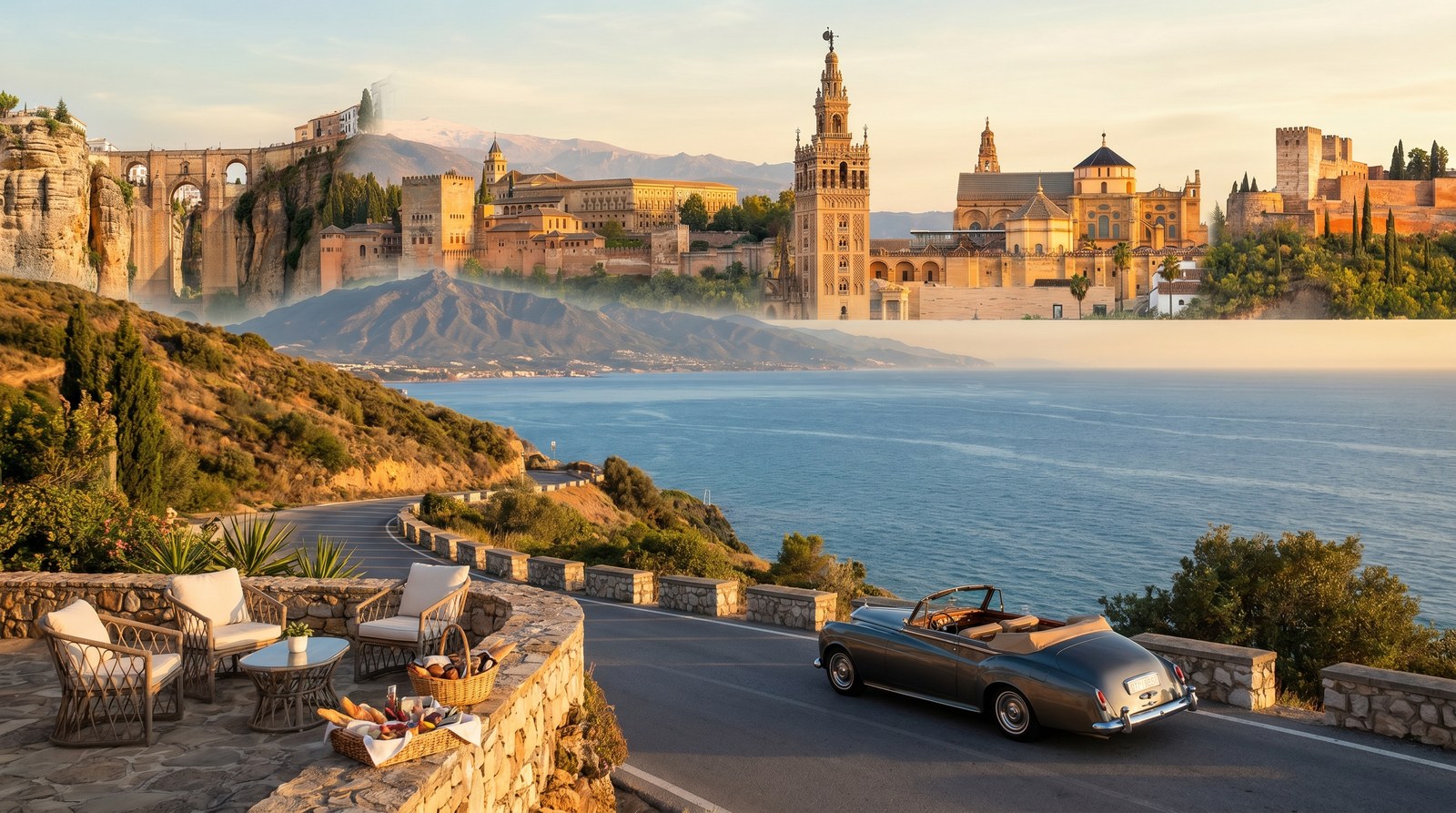
Marbella’s position on the Costa del Sol makes it an exceptional base for exploring Andalusia’s most captivating cities. Within a two-hour radius, you’ll find UNESCO World Heritage Sites, Moorish palaces, windswept Atlantic beaches, and some of Spain’s finest cultural treasures. Whether you’re staying in one of our luxury villas or simply seeking to enrich your Marbella experience, these five destinations offer compelling reasons to venture beyond the coast.
Why Take Day Trips from Marbella?
Andalusia rewards the curious traveler. While Marbella delivers world-class beaches, dining, and nightlife, the surrounding region offers a different dimension—medieval quarters that predate Columbus, architectural masterpieces that blend three religions, and landscapes that shift from Mediterranean pine forests to dramatic Atlantic headlands in under an hour.
The infrastructure connecting Marbella to neighboring cities has improved dramatically in recent years. The AP-7 and A-7 motorways provide direct access to most destinations, and the region’s compact geography means you can breakfast in Puerto Banús, lunch in a patio cordobés, and return for sunset cocktails at your villa. For those who prefer not to drive, our concierge services can arrange private transfers with professional drivers who know the routes intimately.
Insider tip: Start early—most Andalusian cities are best explored before midday heat sets in, and returning by late afternoon leaves your evening free for Marbella’s renowned dining scene.
Córdoba: The Mezquita and Medieval Quarters
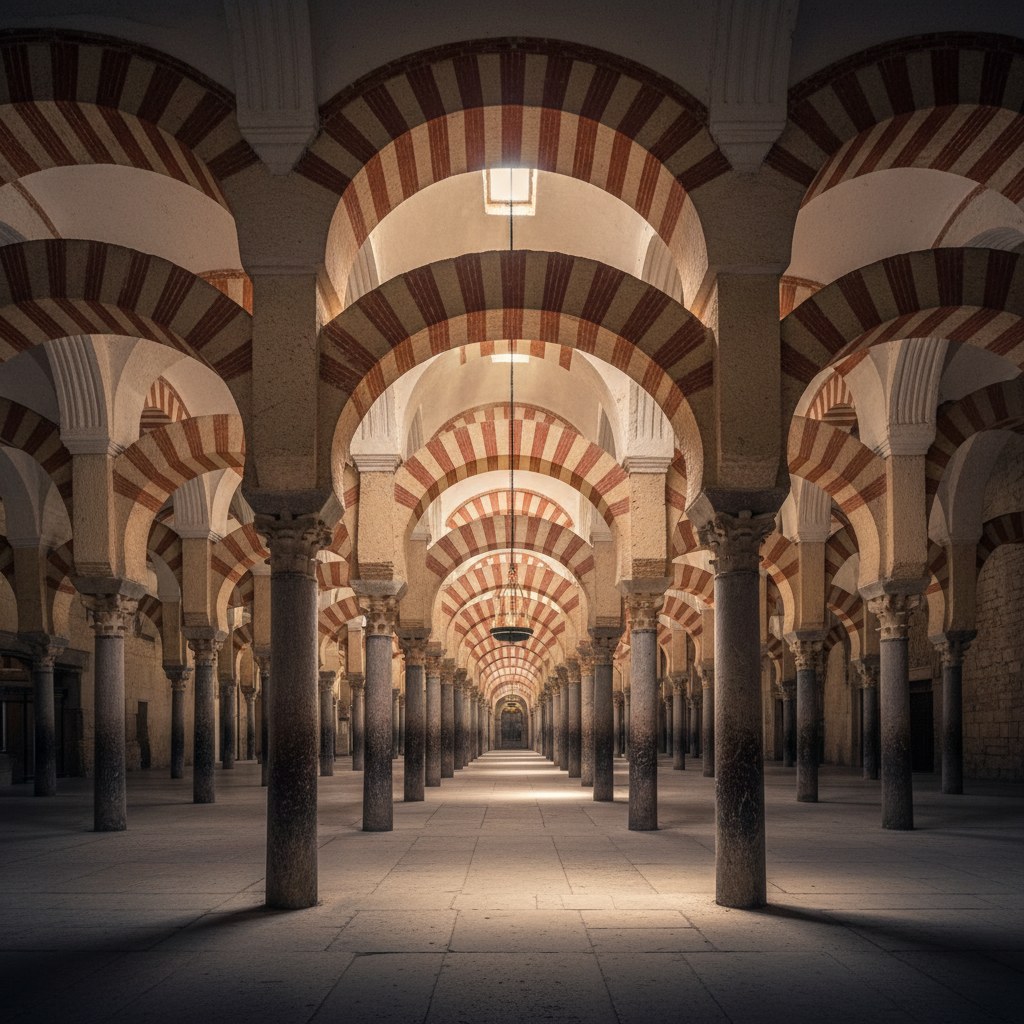
Distance: 190 kilometers northeast (approximately 2 hours via A-45)
Córdoba represents Andalusia at its most historically layered. The city served as the capital of the Islamic Caliphate of Córdoba in the 10th century, when it was among Europe’s largest and most sophisticated urban centers. Today, its entire historic core holds UNESCO World Heritage status, anchored by the extraordinary Mezquita-Catedral.
This mosque-cathedral remains one of the world’s most architecturally significant buildings. 856 columns create a forest of red-and-white horseshoe arches—a visual effect unmatched anywhere in the Islamic world. The Renaissance cathedral nave inserted into its center in the 16th century creates a fascinating, if controversial, architectural dialogue between faiths and centuries.
Beyond the Mezquita, dedicate time to the Judería (Jewish Quarter), where whitewashed lanes barely wide enough for two people open onto hidden patios bursting with geraniums and jasmine. The Alcázar de los Reyes Cristianos offers Mudéjar gardens and the tower where Columbus petitioned Isabella and Ferdinand for voyage funding. The Roman Bridge spanning the Guadalquivir River provides the city’s most iconic view, particularly at dusk.
- Best time to visit: April through June, when patio festivals fill courtyards with flowers
- Essential stop: Casa Pepe de la Judería for traditional salmorejo cordobés and oxtail stew
- Parking tip: Use the underground car park at Avenida del Alcázar; the old town is pedestrianized
Málaga: Picasso, Fortresses, and Coastal Culture
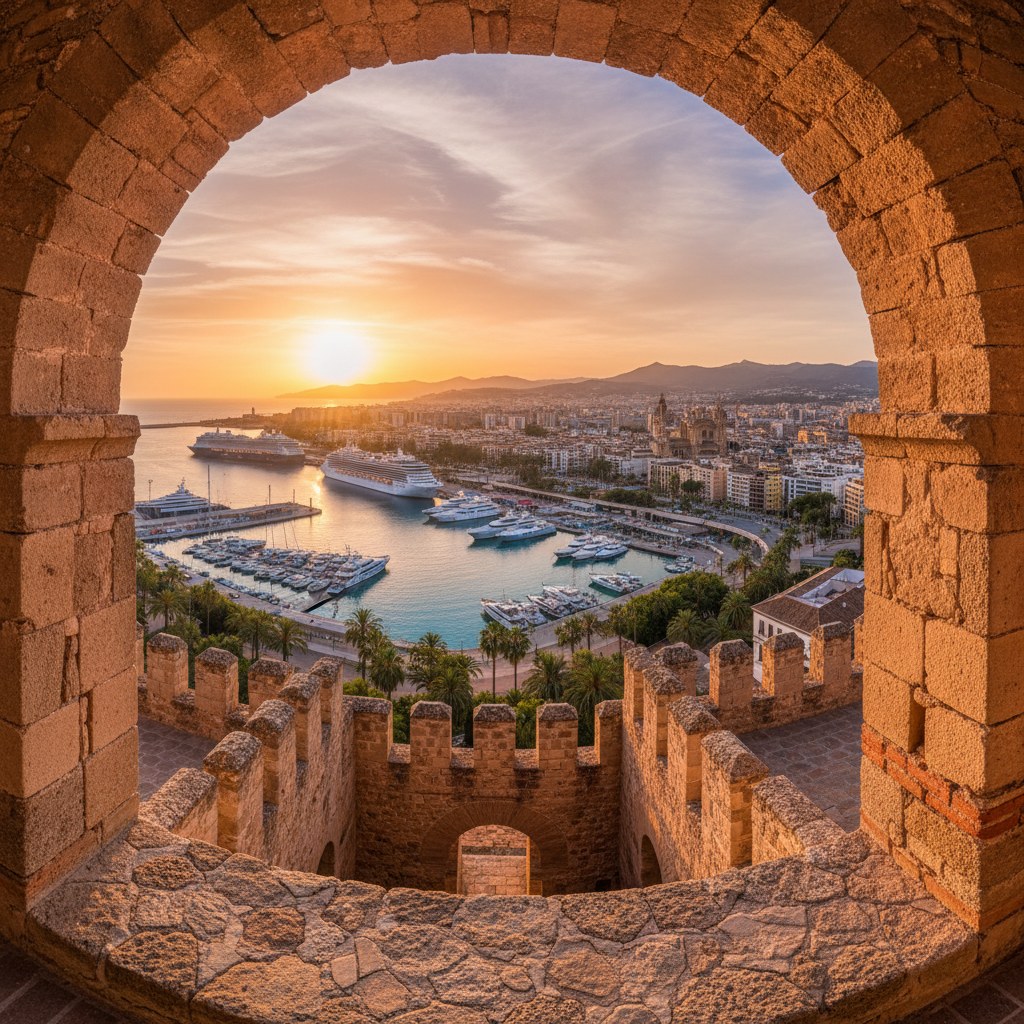
Distance: 60 kilometers southwest (45 minutes via AP-7)
Málaga has transformed from a gritty port into one of Spain’s most dynamic cultural destinations. The city that gave birth to Pablo Picasso now houses an exceptional museum dedicated to his work, alongside the Centre Pompidou Málaga, the Museo Carmen Thyssen, and more than thirty other galleries and exhibition spaces.
The Alcazaba fortress, built by Moorish rulers in the 11th century, climbs the hillside above the city center, its double walls and horseshoe arches offering both historical depth and panoramic views across the port. Immediately above it, the Castillo de Gibralfaro provides even more commanding vistas. Between them, a partially excavated Roman theatre from the 1st century BC adds another historical layer.
Málaga’s compact historic center radiates from Calle Larios, an elegant pedestrian boulevard lined with flagship stores and traditional cafés. The Atarazanas Market, housed in a 14th-century Moorish shipyard, offers the region’s finest selection of fresh seafood, Iberian ham, and local produce. For lunch, the beach suburb of Pedregalejo specializes in espetos—sardines grilled on bamboo skewers over open fires.
Local knowledge: The Málaga Cathedral, known as La Manquita (the one-armed lady) because its second tower was never completed, offers rooftop tours with exceptional 360-degree views.
Seville: Andalusian Soul and Architectural Grandeur
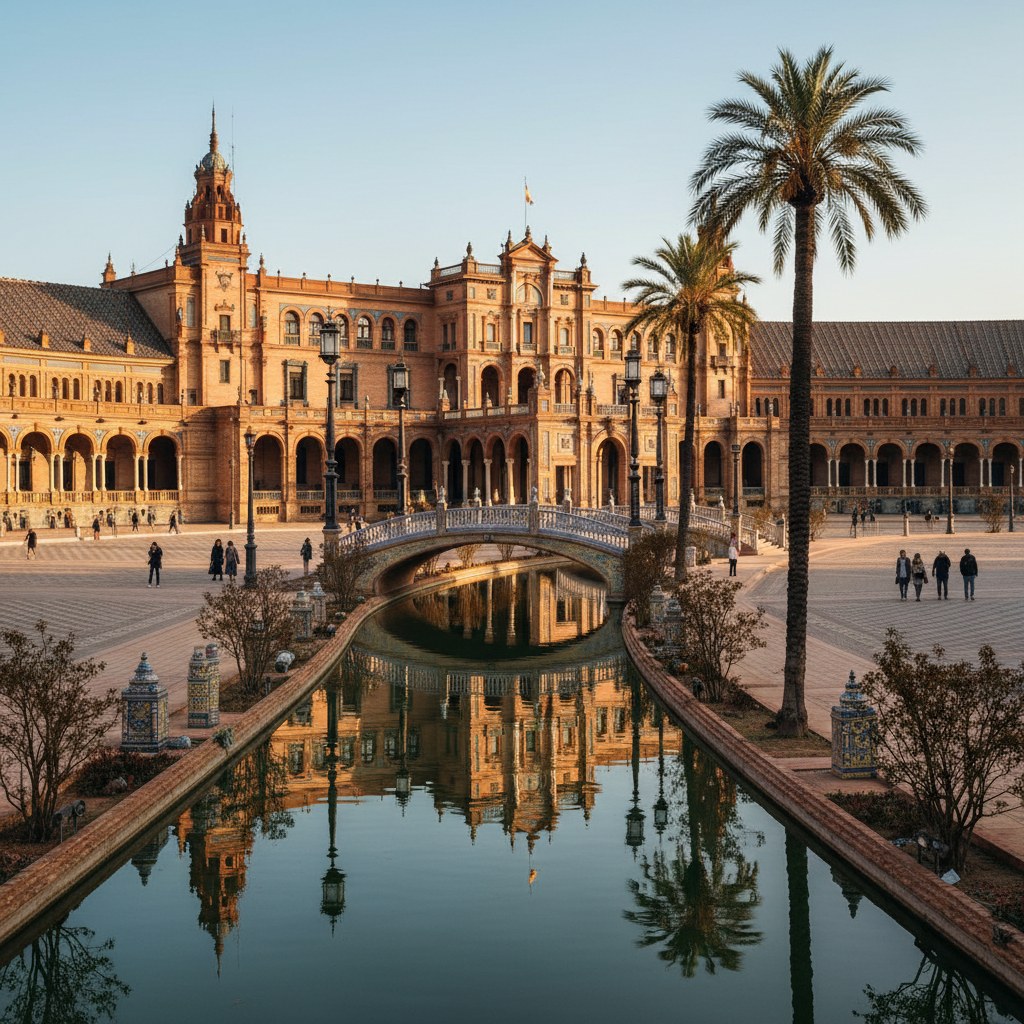
Distance: 220 kilometers northwest (2 hours 15 minutes via AP-7 and A-92)
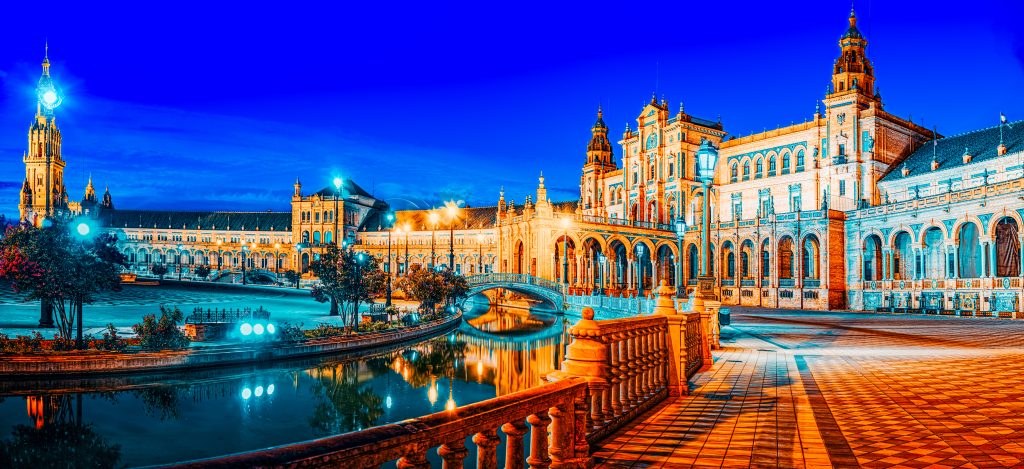
Seville operates on a different frequency—more passionate, more operatic, more intensely Andalusian than anywhere else in the region. The capital of Andalusia delivers architectural treasures at an almost overwhelming density, from the world’s largest Gothic cathedral to a royal palace that rivals Granada’s Alhambra in beauty and historical significance.
The Real Alcázar deserves at least two hours. This royal residence, still used by the Spanish royal family, showcases nearly a millennium of architectural evolution, from its Moorish origins through Renaissance additions to the lush gardens designed over centuries. The Mudéjar plasterwork in the Palacio de Don Pedro ranks among Europe’s finest decorative achievements. Book tickets online weeks in advance—this is one of Spain’s most visited monuments.
The Catedral de Sevilla occupies the footprint of the city’s former great mosque. Its Giralda tower, originally the mosque’s minaret, provides views across the historic center’s sea of terracotta roofs. Inside, the cathedral houses Columbus’s tomb and the largest altarpiece in Christendom—a gilded wall of carved biblical scenes that took craftsmen a century to complete.
The Plaza de España, built for the 1929 Ibero-American Exposition, offers a more recent but equally photogenic landmark. Its semicircular colonnade, tiled provincial alcoves, and moat crossed by ornamental bridges create a theatrical setting that has appeared in films from Lawrence of Arabia to Star Wars.
- Dining recommendation: El Rinconcillo, Seville’s oldest bar (established 1670), for traditional tapas in a time-capsule setting
- Evening option: Flamenco shows in the Triana district, particularly at Casa de la Memoria
- Summer warning: Seville regularly exceeds 40°C in July and August; spring and autumn visits are far more comfortable
Granada: The Alhambra and Sierra Nevada Backdrop
Distance: 180 kilometers northeast (2 hours via A-7 and A-44)
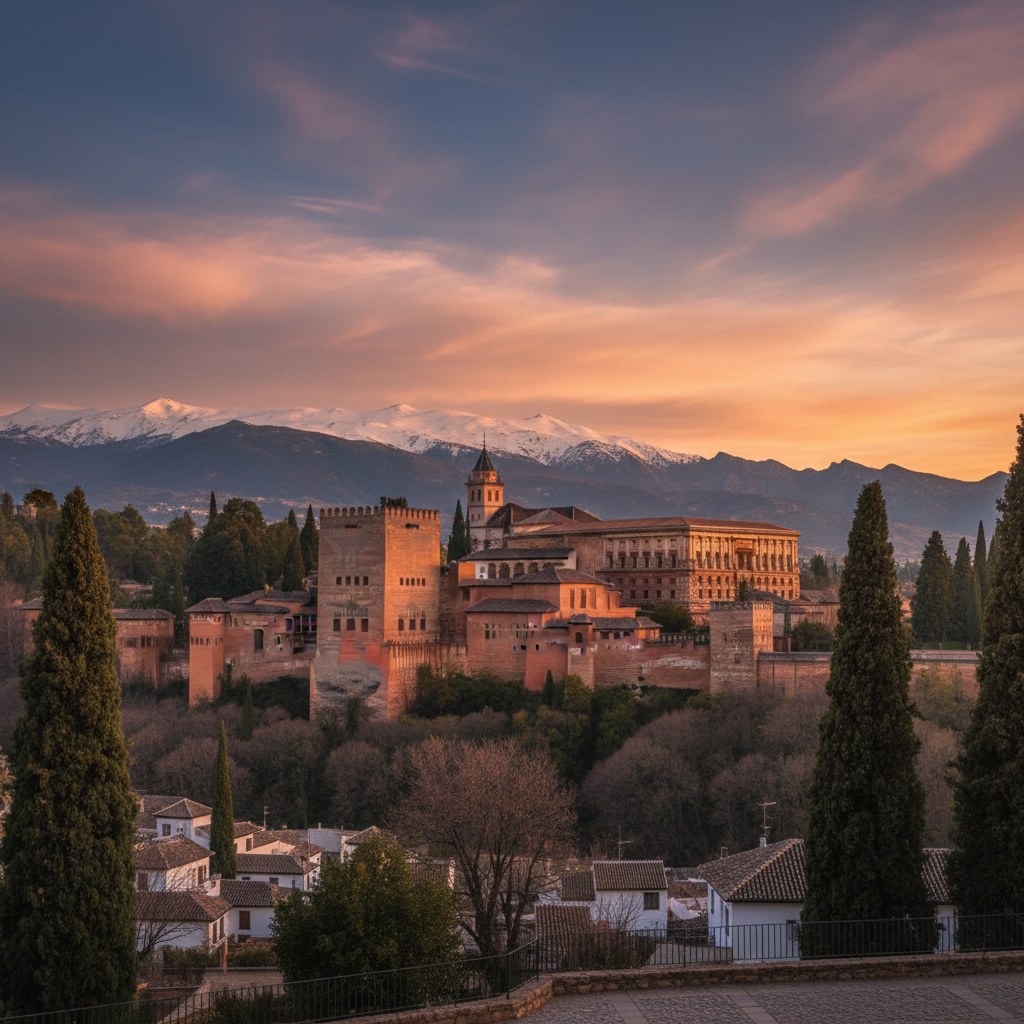
Granada exists in the shadow—and glory—of the Alhambra, the most visited monument in Spain and arguably the finest example of Islamic architecture in Europe. This palace-fortress complex, built primarily in the 13th and 14th centuries by the Nasrid dynasty, represents the pinnacle of Moorish art and engineering on the Iberian Peninsula.
The Alhambra demands advance planning. Tickets sell out weeks ahead during peak season, and timed entry to the Nasrid Palaces means you cannot simply arrive and hope for admission. The complex rewards those who secure access: the Generalife gardens cascade down the hillside in a series of fountains and cypress-lined walkways, the Alcazaba fortress provides commanding views, and the Nasrid Palaces themselves—particularly the Court of the Lions and the Hall of the Ambassadors—showcase stucco work, tilework, and geometric precision that still astonish architects and mathematicians.
Beyond the Alhambra, Granada offers the Albaicín, a hillside neighborhood of Moorish origin whose narrow streets and traditional cármenes (walled garden villas) retain an almost North African character. The Mirador de San Nicolás provides the classic Alhambra view, particularly at sunset when the palace glows against the Sierra Nevada backdrop. The Sacromonte district, famous for its cave dwellings and flamenco tradition, climbs the adjacent hillside.
Granada’s tapas culture differs from the rest of Spain—here, drinks still come with complimentary food, and bar-hopping around Plaza Nueva or Calle Navas constitutes both cultural experience and economical dinner strategy.
Tarifa: Where Two Seas Meet
Distance: 100 kilometers southwest (1 hour 15 minutes via AP-7 and A-48)
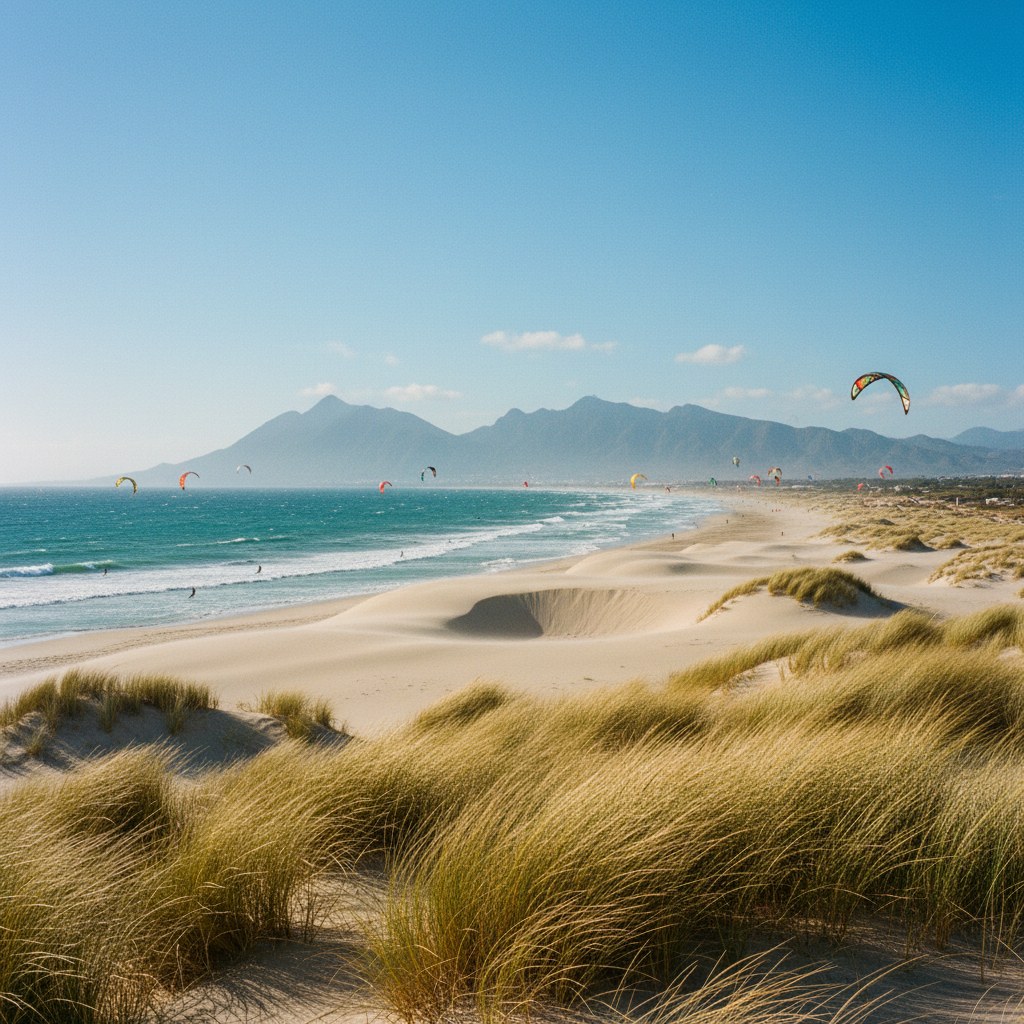
Tarifa occupies Spain’s southernmost point, where the Mediterranean meets the Atlantic and Africa lies just 14 kilometers across the Strait of Gibraltar. This geographic position creates consistent wind that has made Tarifa Europe’s kitesurfing capital, but the town offers far more than water sports.
The old town, enclosed by 10th-century walls, retains a distinctly Moorish flavor in its whitewashed lanes and North African craft shops. The Castillo de Guzmán el Bueno, named for the 13th-century commander who defended it against a Moorish siege, provides historical context and coastal views. The Church of San Mateo, built atop a former mosque, blends Gothic and Baroque elements.
Tarifa’s beaches stretch for kilometers in both directions. Playa de Los Lances and Playa de Valdevaqueros attract kitesurfers when the Levante and Poniente winds blow, creating conditions that range from challenging to world-class depending on the day. Even non-surfers appreciate these vast, dune-backed strands—some of Andalusia’s most pristine coastal landscapes.
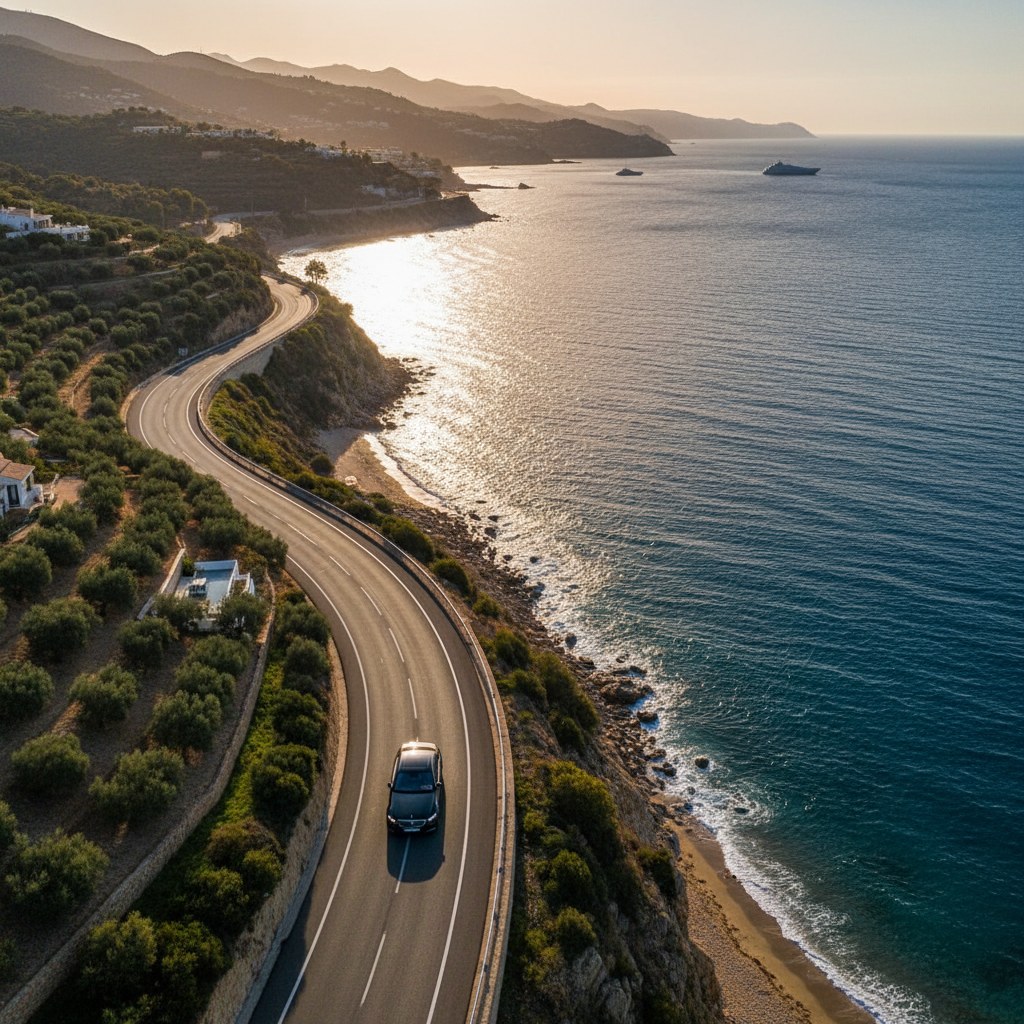
The Mirador del Estrecho viewpoint, located on the road approaching Tarifa, offers clear views across to Morocco on calm days. Whale and dolphin watching tours depart from the port, taking advantage of the strait’s position as a marine migration corridor.
- Dining highlight: Fresh tuna, particularly atún de almadraba caught using traditional sustainable methods
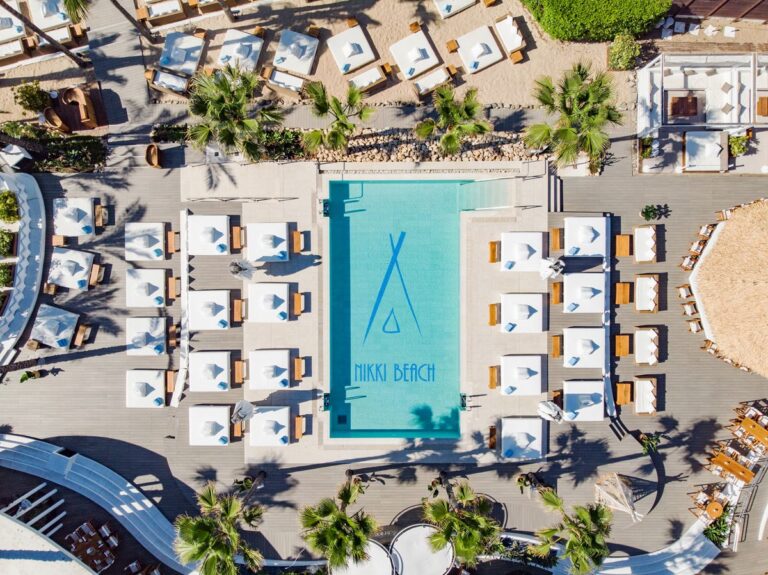
- Beach clubs: Tangana and Tumbao offer a more relaxed vibe than Marbella’s glitzier venues
- Wind consideration: The same winds that attract surfers can make beach days challenging for families; check forecasts
Planning Your Andalusian Day Trips
The logistics of day-tripping from Marbella vary by destination and personal preference. Self-driving offers maximum flexibility and allows you to explore at your own pace, particularly valuable in cities like Córdoba where the most atmospheric corners reveal themselves through wandering rather than planning.
However, Andalusian cities present parking challenges, particularly in historic centers where access is restricted or impossible. Underground car parks exist but fill quickly during peak season and holidays. Navigation can prove challenging in medieval quarters designed for donkeys rather than vehicles.
Our concierge team arranges private transfers with experienced drivers who handle navigation, parking, and timing, allowing you to focus entirely on the experience. This proves particularly valuable for groups, wine-inclusive lunches, or when combining multiple destinations. We can also coordinate expert guides for the Alhambra, Mezquita, or other sites where context dramatically enhances appreciation.
For those staying in our luxury properties, we often suggest combining day trips with evening experiences back in Marbella—perhaps VIP table reservations at premier beach clubs or dinner at one of the Golden Mile‘s Michelin-recognized restaurants.
Why Choose Marbella Hospitality for Your Andalusian Adventures
Day trips require more than directions—they benefit from local knowledge, advance planning, and the kind of insider access that transforms good experiences into exceptional ones. Our team secures priority reservations at restaurants that don’t accept bookings, arranges private after-hours access to monuments when possible, and ensures your chauffeur knows the back routes that avoid motorway traffic.
We approach each excursion as we do every service: with attention to detail, commitment to quality, and focus on creating experiences that justify your time. Whether you need Alhambra tickets months in advance, a driver who speaks your language, or a customized itinerary that combines cultural sites with the region’s finest dining, we handle the complexity while you enjoy the discovery.
Beyond the Day Trip: Extending Your Andalusian Experience
While each of these cities rewards a full day, some visitors choose to extend certain destinations into overnight stays. Granada, in particular, reveals different character after dark, when the Albaicín’s tetería (tea houses) open and flamenco shows begin in the Sacromonte caves. Seville’s evening paseo along the Guadalquivir and late-night tapas culture operate on a schedule that makes day-tripping challenging.
For those interested in multi-day Andalusian itineraries, we coordinate luxury accommodations, transfers, and experiences throughout the region. Our relationships with premier hotels, private estates, and exclusive venues extend well beyond Marbella’s borders, allowing us to maintain the same service standards whether you’re exploring the Costa del Sol or venturing into Andalusia’s white villages and sherry triangle.
The region also offers exceptional possibilities for special interest travel—wine routes through Ronda and the Serranía, olive oil estates in Jaén province, or Sierra Nevada hiking and winter sports. These require more specialized planning but deliver experiences unavailable anywhere else in Europe.
Ready to explore Andalusia’s most captivating cities while basing yourself in Marbella’s luxury and comfort? Contact our concierge team to arrange private transfers, secure monument reservations, and design day trips that match your interests and schedule perfectly.