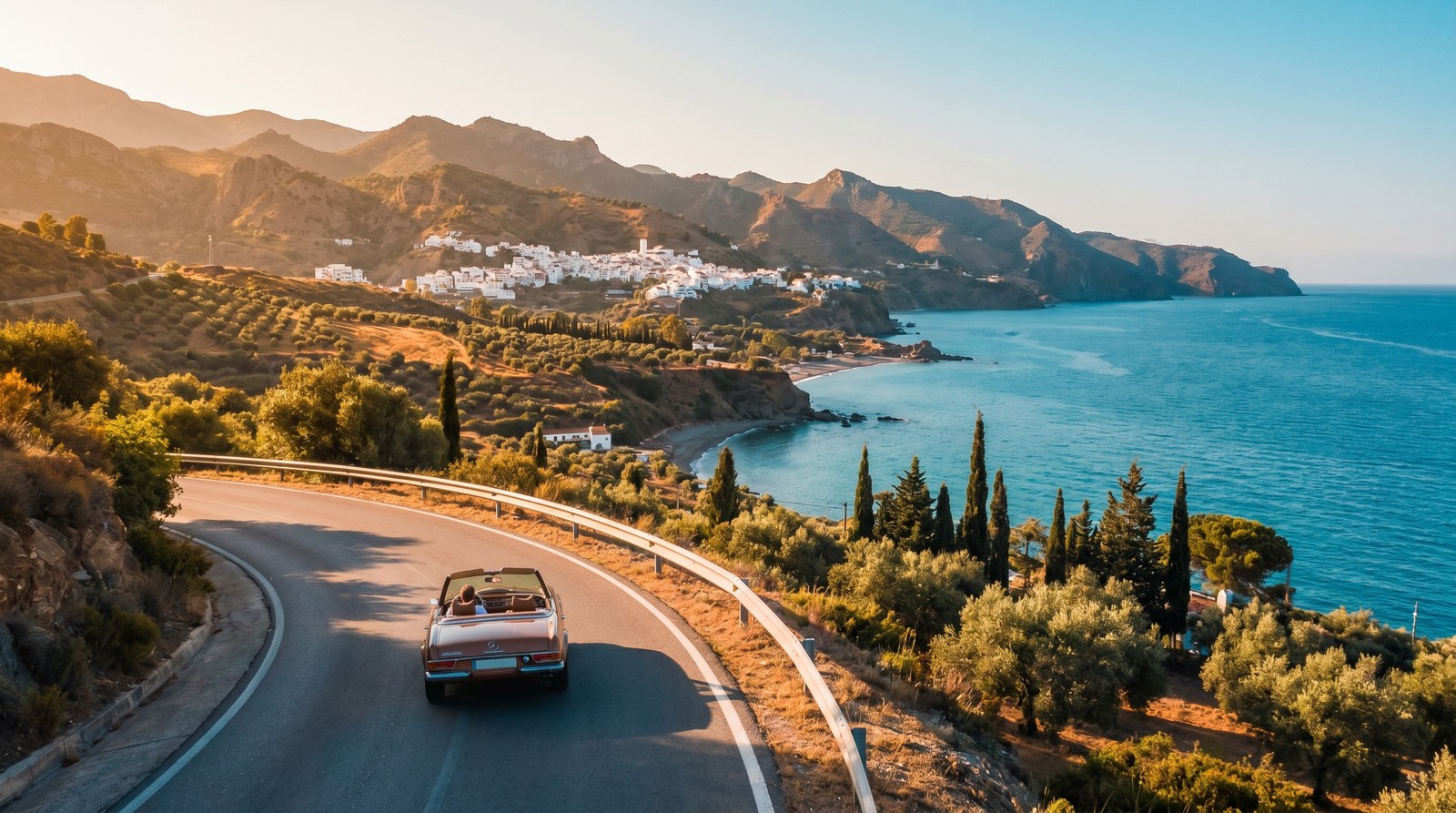
Marbella’s privileged location on the Costa del Sol makes it the perfect base for exploring some of southern Spain’s most captivating destinations. Within a two-hour radius, you’ll find ancient Moorish palaces, whitewashed mountain villages, dramatic coastal cliffs, and a British territory where monkeys roam wild. Whether you’re staying in one of our luxury villas or simply planning your Andalusian adventure, these five routes offer the region’s finest scenery, culture, and gastronomy—all accessible as comfortable day trips from Marbella.
Ronda and the White Villages: Andalusia’s Most Dramatic Drive
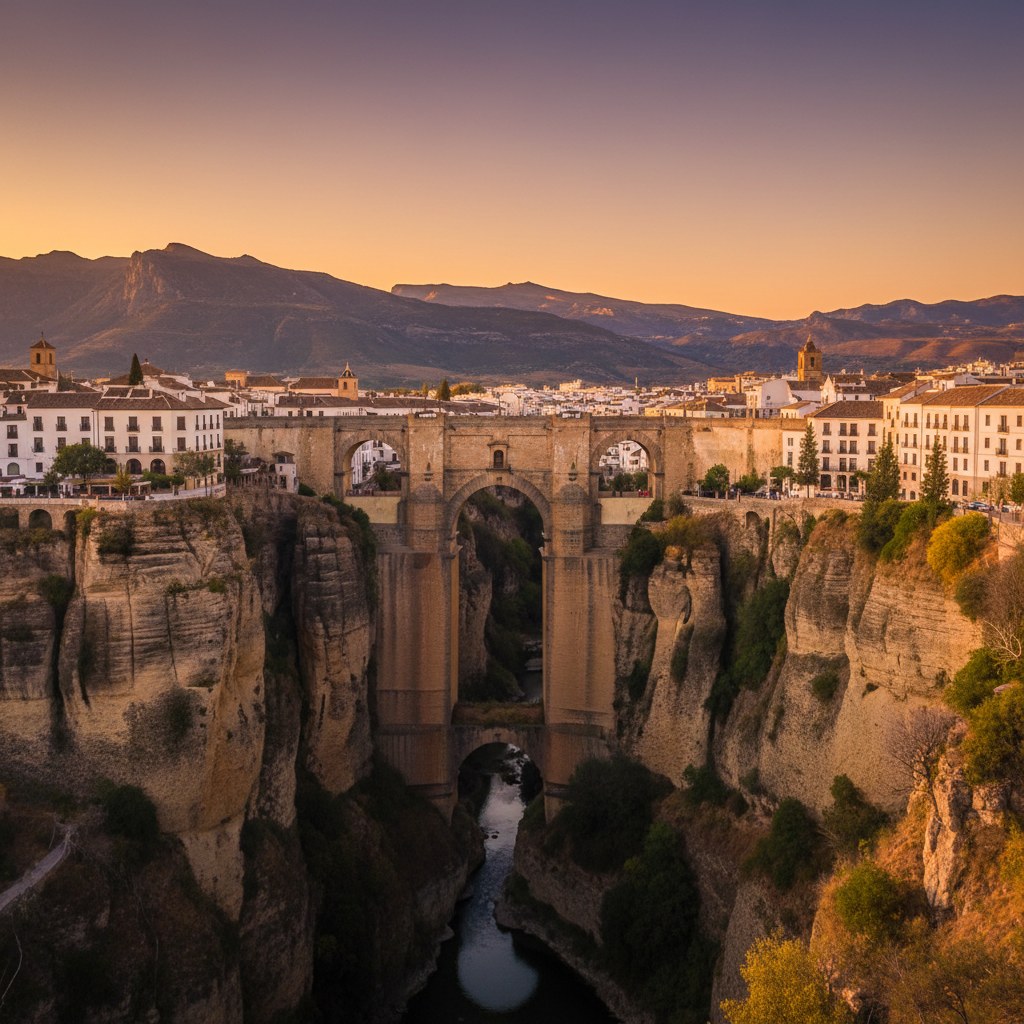
Distance: 62 km (39 miles) one way
Duration: Full day
Route: A-397 via San Pedro de Alcántara
The mountain road to Ronda climbs through the Sierra de las Nieves, a UNESCO Biosphere Reserve where Spanish fir forests give way to dramatic limestone peaks. The drive itself is spectacular, with hairpin bends revealing sweeping vistas of the Mediterranean behind you and rugged mountains ahead.
Ronda sits astride the El Tajo gorge, a 120-metre chasm that splits the town in two. The Puente Nuevo bridge, completed in 1793, spans this dramatic divide and has become one of Spain’s most photographed landmarks. Beyond the postcard views, Ronda offers Spain’s oldest bullring (dating to 1785), excellent tapas bars along Calle Nueva, and several boutique wine cellars producing distinctive mountain reds.
Insider tip: Visit the Mondragón Palace gardens for the finest gorge views without the crowds that gather at the bridge itself. The terraced gardens offer multiple vantage points and remarkable tranquility.
On your return journey, detour through the pueblos blancos—the white villages that cascade down hillsides like sugar cubes. Grazalema, Spain’s wettest town, sits in a verdant valley perfect for a late lunch. Zahara de la Sierra, with its Moorish castle and turquoise reservoir, makes an excellent photo stop. These villages remain authentically Andalusian, with elderly residents still whitewashing their homes each spring and local bars serving jamón from nearby Jabugo.
Málaga: Picasso’s Birthplace and the Costa’s Cultural Capital
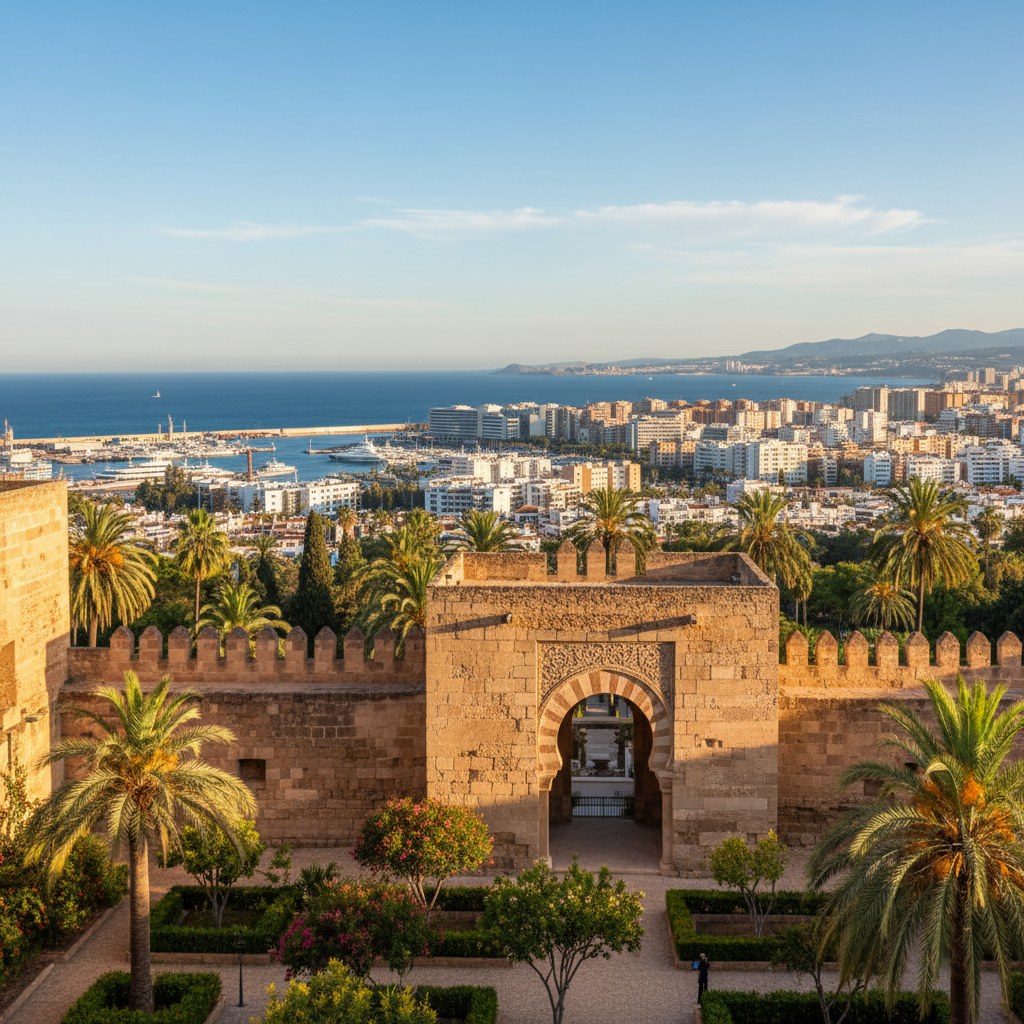
Distance: 60 km (37 miles) one way
Duration: Full day
Route: AP-7 coastal motorway
While many visitors see Málaga only from the airport, the provincial capital has transformed over the past decade into one of Spain’s most dynamic cultural destinations. The city now boasts over 30 museums, a revitalized historic centre, and a thriving culinary scene that rivals Barcelona or San Sebastián.
Start at the Picasso Museum, housed in a restored 16th-century palace in the heart of the old quarter. The collection includes over 200 works donated by the artist’s family, spanning his entire career from academic sketches to late Cubist masterpieces. Nearby, the Carmen Thyssen Museum showcases 19th-century Andalusian painting in a beautifully renovated convent, while the Centre Pompidou Málaga—the French institution’s only satellite—brings contemporary art to a striking glass cube at the port.
Between museums, wander the historic centre’s marble-paved streets. The Alcazaba, an 11th-century Moorish fortress, offers panoramic city views and remarkably intact palatial rooms with horseshoe arches and geometric tilework. Just above it, the Gibralfaro Castle provides even more commanding vistas across the harbour and bullring.
For lunch, head to El Pimpi, a labyrinthine bodega where bullfighters and celebrities have signed wine barrels for decades, or explore the Atarazanas Market, a 19th-century iron-and-glass structure where vendors sell the morning’s catch alongside Iberian charcuterie and local cheeses. Before returning to Marbella, consider a swim at La Malagueta beach, the city’s main strand, or the quieter Pedregalejo beach to the east, where traditional chiringuitos grill sardines on open fires.
Granada and the Alhambra: A Journey to Moorish Spain
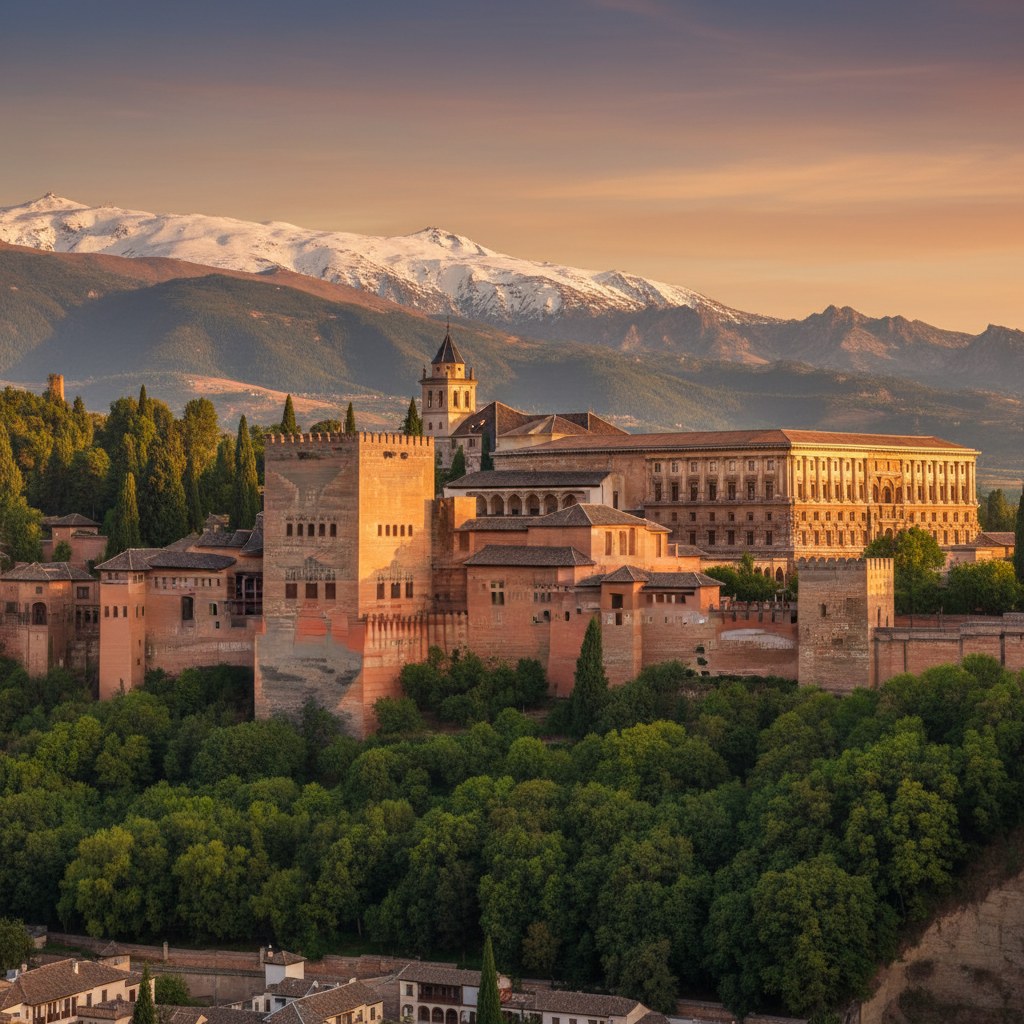
Distance: 180 km (112 miles) one way
Duration: Long full day (depart early)
Route: A-7 and A-92 via Antequera
This is the longest drive on this list, but Granada rewards the journey with Spain’s single most visited monument and one of the world’s finest examples of Islamic architecture. The Alhambra palace and fortress complex sprawls across a wooded hill overlooking the city, its red walls concealing intricately decorated halls, serene courtyards, and gardens where water channels create a microclimate of cool tranquility.
Book Alhambra tickets weeks in advance—the site limits daily visitors and slots sell out quickly, especially for the Nasrid Palaces, the complex’s jewel. These interconnected rooms feature stucco work so delicate it resembles lace, muqarnas ceilings that seem to defy gravity, and the famous Court of the Lions, where a marble fountain rests on twelve sculpted lions in a perfectly proportioned courtyard.
After the Alhambra, descend into the Albaicín, Granada’s ancient Moorish quarter. This hillside neighbourhood of narrow cobbled lanes, whitewashed houses with hidden courtyards, and North African tea shops retains a distinctly North African character. Climb to the Mirador de San Nicolás at sunset for the iconic view: the Alhambra glowing pink against the snow-capped Sierra Nevada beyond.
Local knowledge: Granada maintains the tradition of free tapas with every drink. Order a beer or wine at any traditional bar, and a small plate arrives automatically—often surprisingly generous and delicious. Bar-hopping for tapas is the authentic way to dine here.
The drive back to Marbella takes roughly two hours via the same route. If you’re not exhausted, stop in Antequera to see the dolmens—5,000-year-old megalithic tombs that predate Stonehenge—or simply to stretch your legs in this charming market town’s Renaissance plaza.
Gibraltar: British Territory on Mediterranean Shores
Distance: 80 km (50 miles) one way
Duration: Full day
Route: AP-7 to La Línea de la Concepción
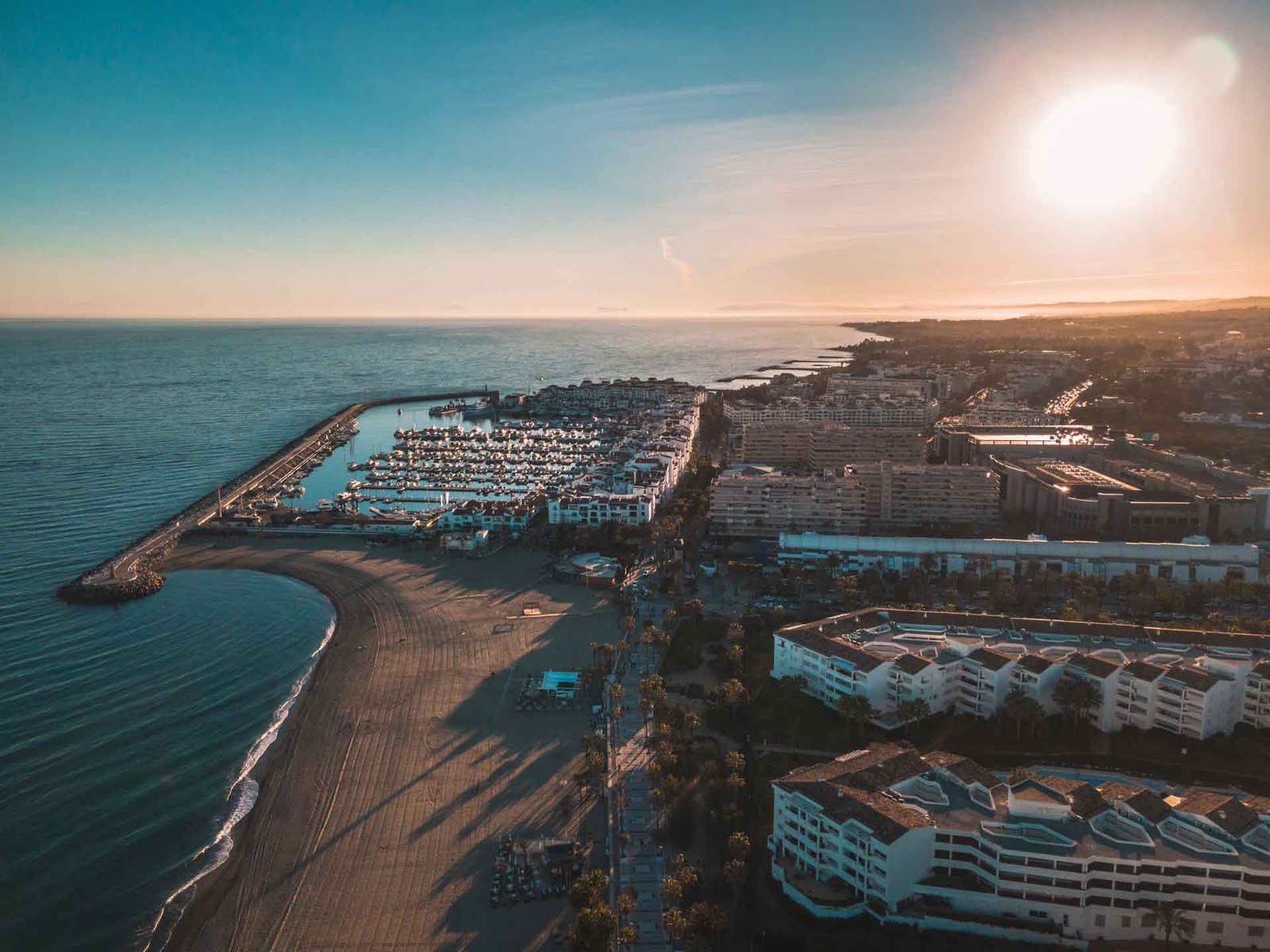
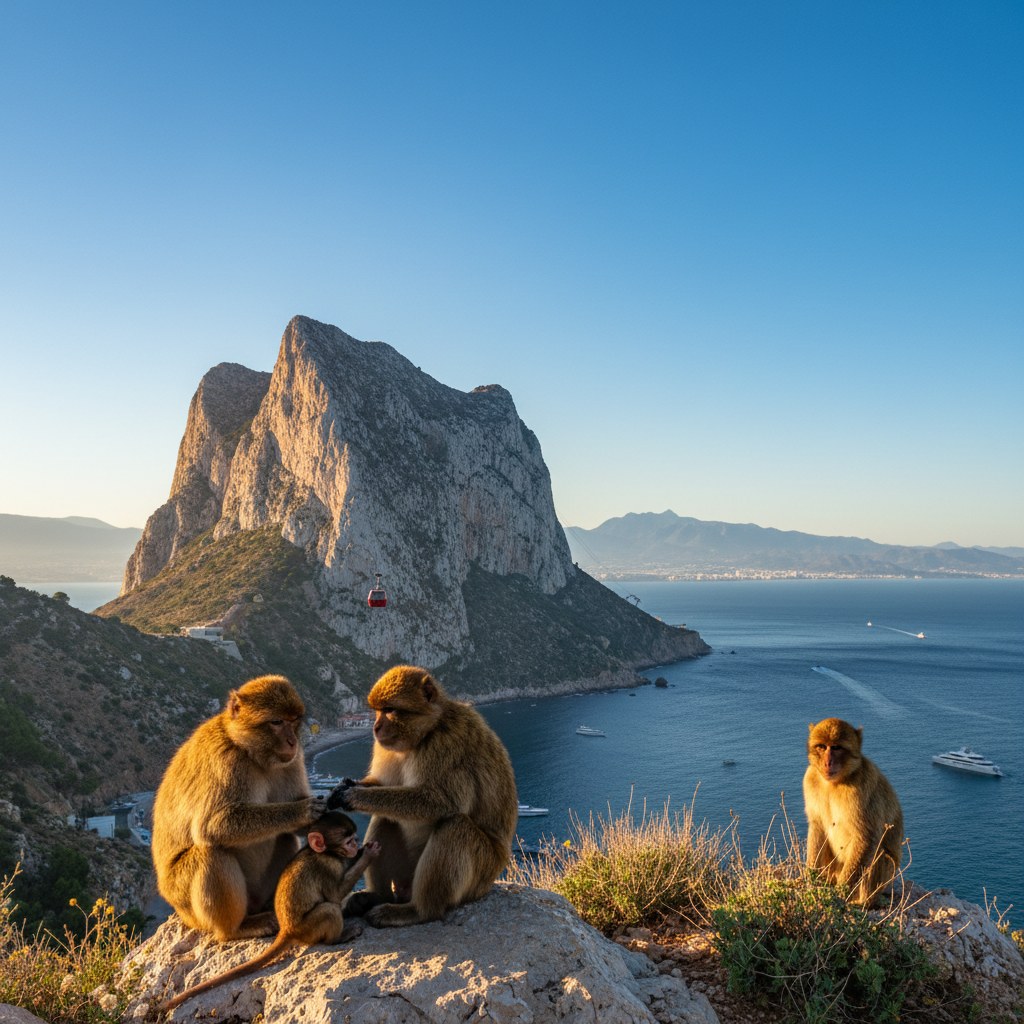
Gibraltar occupies just 6.8 square kilometres at Europe’s southernmost point, but this British Overseas Territory packs remarkable diversity into its tiny footprint. The border crossing from Spain can involve queues (bring your passport), but once across, you’ll find red postboxes, fish-and-chips shops, and pubs serving warm ale—all beneath a 426-metre limestone monolith where Barbary macaques swing through the trees.
The Rock of Gibraltar itself dominates the territory. Take the cable car to the summit for panoramic views across the Strait of Gibraltar to Morocco’s Rif Mountains, just 14 kilometres away. On clear days, you can see both continents simultaneously—Europe and Africa separated by the narrow waterway where the Mediterranean meets the Atlantic.
The Upper Rock Nature Reserve encompasses most of the limestone massif and contains several attractions worth visiting. The Great Siege Tunnels, carved by hand during the 1779-1783 siege, extend over 50 kilometres through the rock. The St. Michael’s Cave, a natural grotto with dramatic stalactites and stalagmites, now hosts occasional concerts thanks to its remarkable acoustics. And everywhere, you’ll encounter the Barbary macaques—Europe’s only wild monkey population, actually tailless apes brought from North Africa centuries ago.

Down in town, Main Street offers duty-free shopping (Gibraltar has no VAT), British chain stores, and an odd cultural blend of fish-and-chips alongside tapas. The Gibraltar Museum tells the territory’s complex history through well-curated exhibits, including remarkably preserved 14th-century Moorish baths. Before leaving, walk out to Europa Point, the territory’s southernmost tip, where a lighthouse, mosque, and Catholic shrine share the windswept promontory.
The Coastal Route to Nerja and Frigiliana: Caves, Coves, and Cliffside Villages
Distance: 118 km (73 miles) one way to Nerja
Duration: Full day
Route: A-7 coastal road eastward
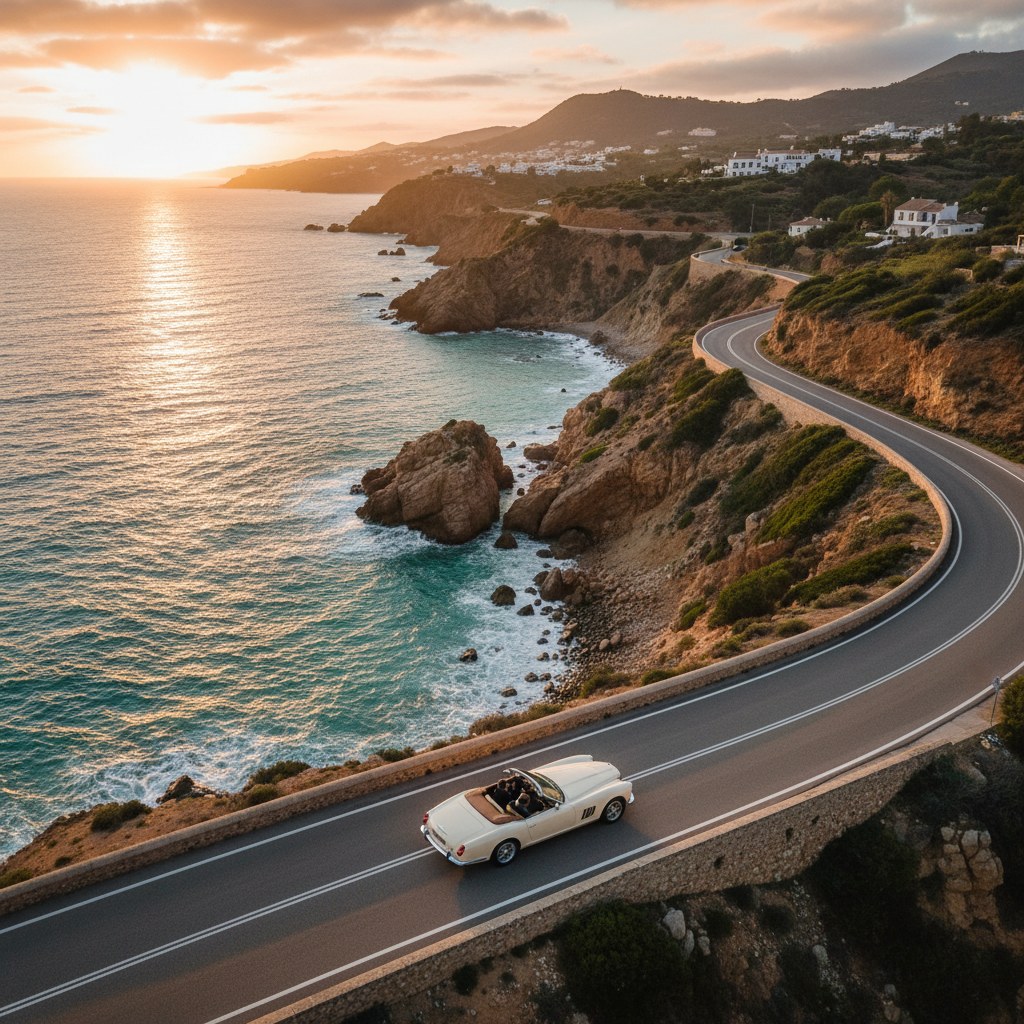
This scenic coastal drive takes you east along the Costa del Sol, passing through a succession of beach towns before reaching the dramatic cliffs of the Axarquía region. Unlike the motorway route, the older coastal road (N-340) offers sea views and access to lesser-known beaches and villages.
Consider brief stops in Fuengirola for its authentic fish market and long promenade, Benalmádena for the hilltop Pueblo with its stunning coastal panoramas, or Rincón de la Victoria for a coffee along its palm-lined seafront. Each town has its own character, though all share the relaxed rhythm of coastal Andalusian life.
Nerja marks a distinct change. Here, the flat beaches give way to rocky coves and dramatic cliffs. The Balcón de Europa, a palm-studded promenade jutting into the Mediterranean, offers sweeping views along the coast and down to small beaches accessible by steep stairways. The town itself retains considerable charm, with a compact old quarter of whitewashed lanes, excellent seafood restaurants, and a more relaxed pace than the western Costa del Sol resorts.
Just outside town, the Cueva de Nerja contains some of Europe’s most impressive cave formations. This vast cavern system, discovered in 1959, features chambers up to 60 metres high filled with massive stalactites and stalagmites. Archaeological evidence suggests human habitation over 40,000 years ago, and some formations are among the largest in the world. The main chamber occasionally hosts concerts, taking advantage of exceptional natural acoustics.
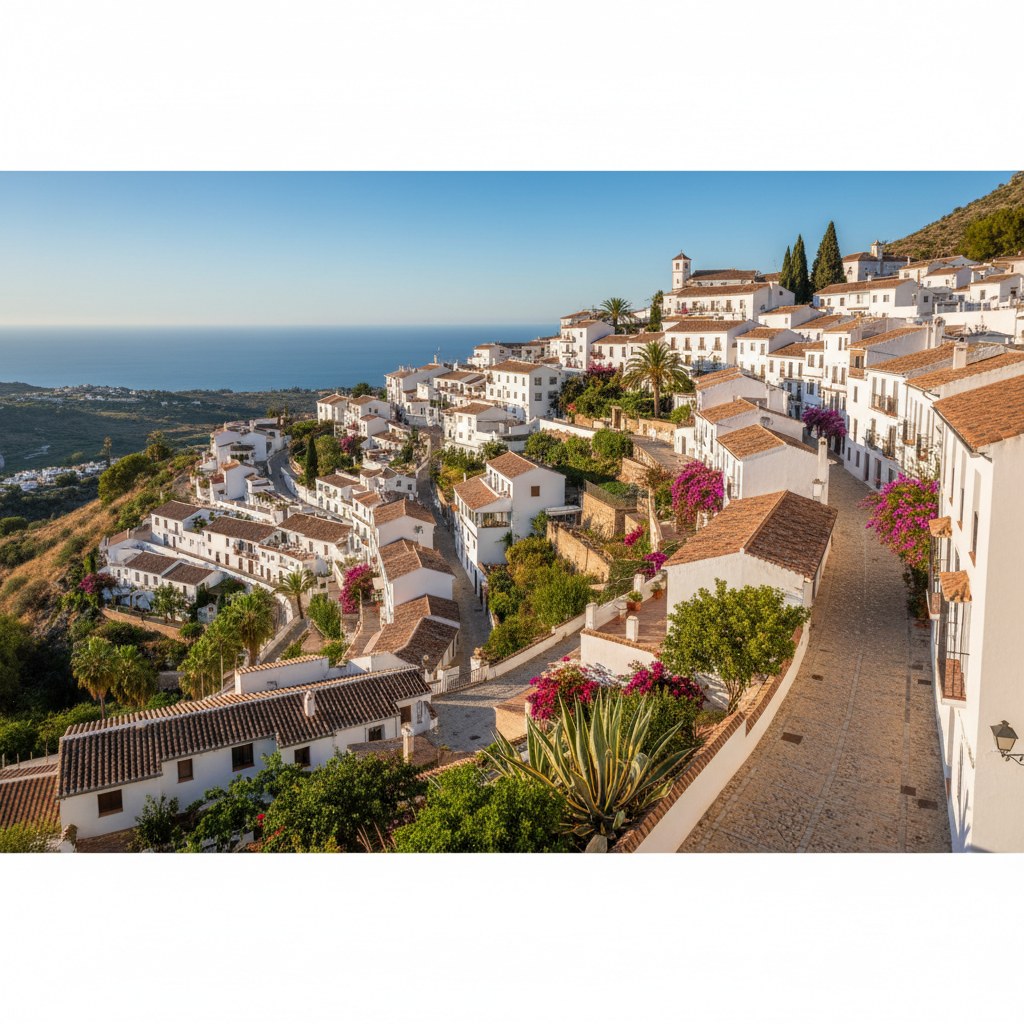
From Nerja, a winding mountain road climbs to Frigiliana, consistently ranked among Spain’s most beautiful villages. This impeccably preserved white village tumbles down a hillside in a cascade of geranium-filled balconies, cobbled lanes too narrow for cars, and small plazas with mountain views. The Barribarto quarter retains its original Moorish street plan, while the village’s subtropical microclimate supports mango and avocado orchards on the surrounding slopes. Stop for lunch at one of the terrace restaurants overlooking the valley before the scenic drive back to Marbella.
Planning Your Day Trip: Practical Considerations
All five routes are manageable as day trips from Marbella, though the Granada excursion requires an early start and a long day. Spanish roads are generally excellent—the AP-7 motorway is a fast toll road, while the A-7 coastal route is toll-free but slower through towns. Mountain roads like the Ronda route feature dramatic scenery but require confident driving on winding sections.
Fuel and facilities: Petrol stations are common along main routes but scarce in mountain areas. Fill up before heading to Ronda or the white villages. Most stations are self-service, and many accept credit cards at the pump.
Parking: Historic town centres often restrict vehicle access. Look for signed car parks on the outskirts—Ronda has several near the bullring, Granada’s best option is the Alhambra car park if you have tickets, and Nerja offers parking near the Balcón de Europa. Gibraltar’s border queues can be avoided by parking in La Línea and walking across.
Dining hours: Remember Spanish meal times differ from northern Europe. Lunch runs from 2:00 PM to 4:00 PM, and many restaurants close between services. Dinner rarely begins before 9:00 PM. In tourist areas like Nerja and Gibraltar, you’ll find more flexible hours, but traditional towns like Ronda and the white villages observe local customs.
Seasonal considerations: Summer brings intense heat to inland destinations—Ronda and Granada can exceed 40°C in July and August. Spring (April-May) and autumn (September-October) offer ideal conditions. Winter is pleasant for coastal drives and manageable inland, though mountain roads occasionally close after snow. The Alhambra and Gibraltar are year-round destinations but expect larger crowds during school holidays.
Extending Your Journey: Overnight Options
While all these destinations work as day trips, spending a night transforms the experience. Granada particularly benefits from an overnight stay—you’ll avoid the rushed feeling, experience the city’s vibrant evening tapas culture, and perhaps catch a flamenco performance in the Albaicín’s intimate tablaos.
Ronda offers several atmospheric boutique hotels within historic buildings, and waking up to sunrise over the gorge is unforgettable. The white villages have charming rural guesthouses and small hotels where you’ll experience authentic Andalusian hospitality. Even Nerja and Frigiliana reward a slower pace—the coastal light at dawn and dusk is magical, and you’ll have beaches and viewpoints largely to yourself before day-trippers arrive.
Why Book Your Marbella Car Rental Through Us
Our concierge team arranges premium vehicle rentals with Marbella’s most reliable suppliers, ensuring you receive a well-maintained car that matches your requirements—whether that’s a comfortable SUV for mountain roads or a luxury sports car for coastal cruising. We provide detailed route recommendations tailored to your interests, insider tips on parking and dining, and 24/7 support should you need assistance during your journey. This is the level of dedicated service our guests expect, whether they’re booking a villa, yacht charter, or simply planning their Andalusian adventure.
Begin Your Andalusian Adventure
These five routes showcase the extraordinary diversity within easy reach of Marbella—from Moorish palaces to British pubs, from mountain villages frozen in time to dynamic modern cities. Each journey reveals a different facet of southern Spain’s layered history and dramatic landscapes, yet all return you to the comfort of the Costa del Sol by evening.
Whether you’re planning a single excursion or a series of drives throughout your stay, our concierge team can arrange every detail—from vehicle rental and restaurant reservations to Alhambra tickets and overnight accommodation. We ensure your Andalusian exploration is as seamless and memorable as your time in Marbella itself. Contact us to start planning your perfect day trip from Marbella.