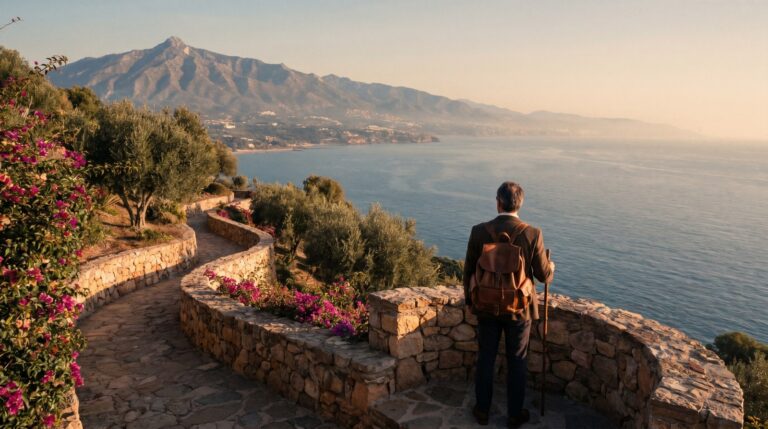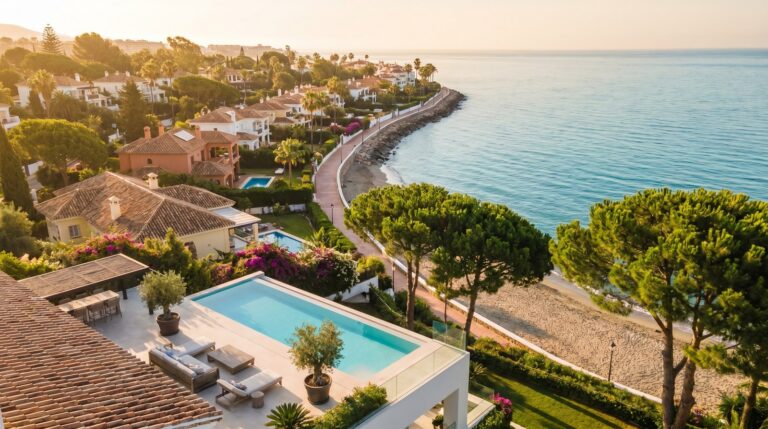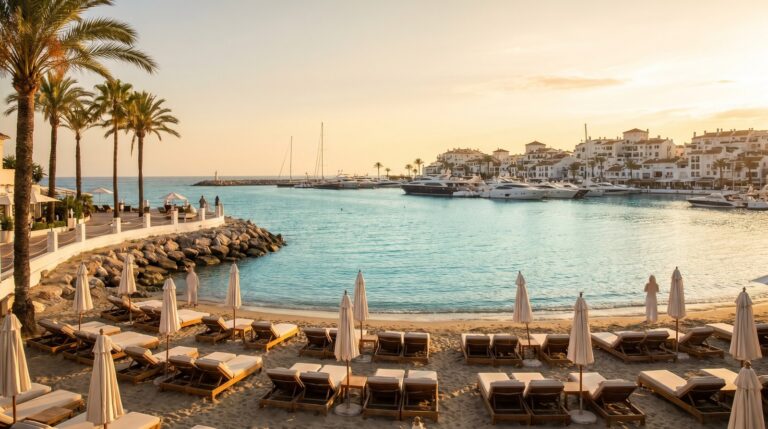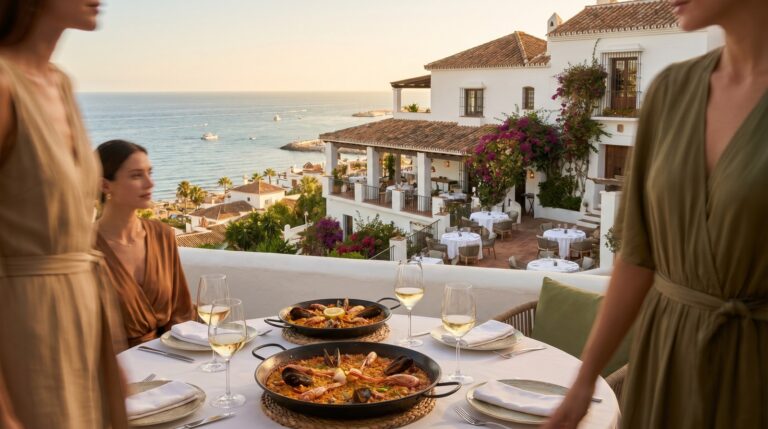
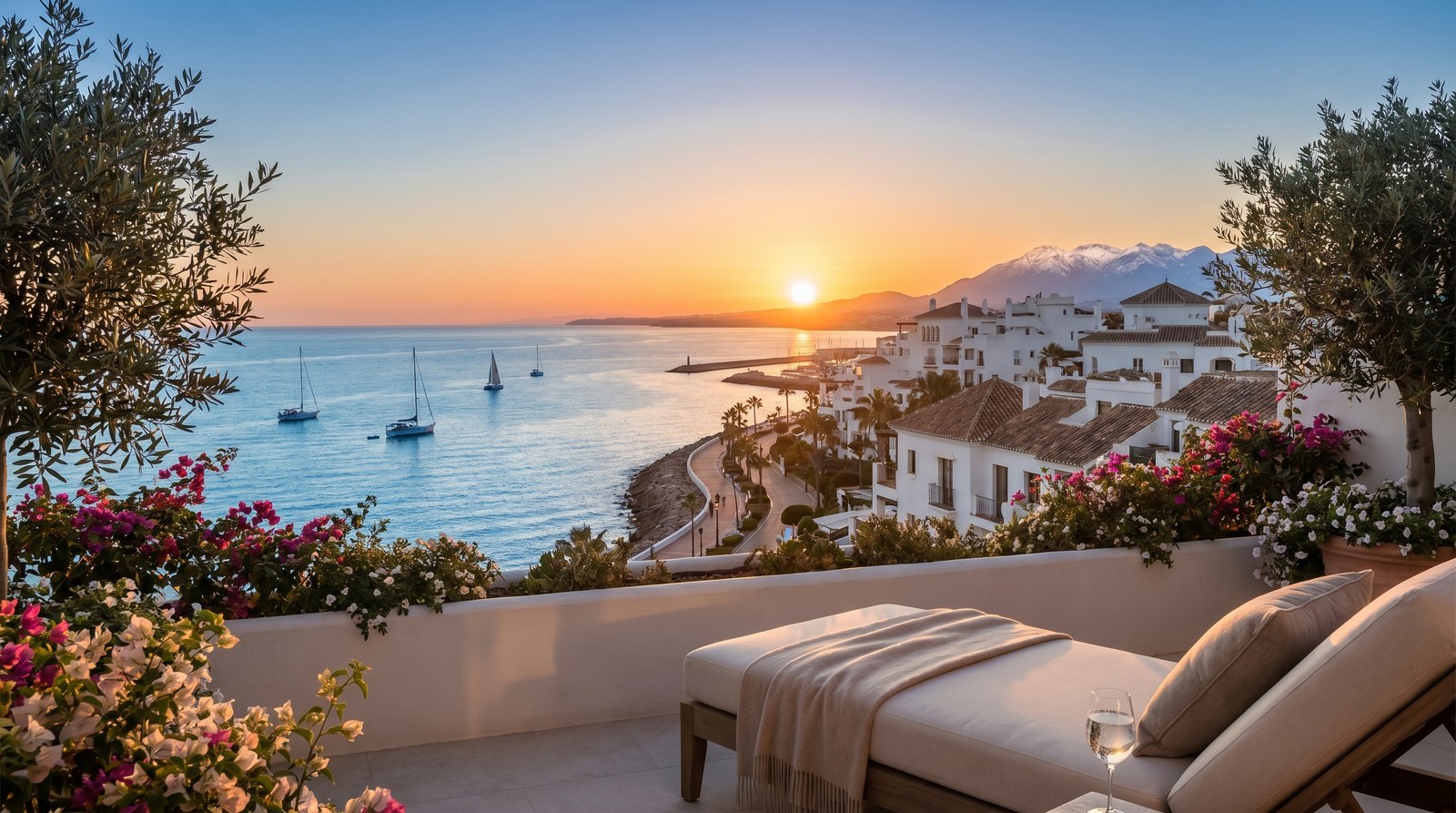
Marbella in winter reveals a side of the Costa del Sol that most travellers never see. While summer crowds flock to the beaches and marinas, the cooler months unveil a serene, sophisticated Marbella — where mild Mediterranean sunshine bathes quieter promenades, luxury accommodations drop to exceptional value, and the town’s authentic character emerges from behind the high-season bustle.
With an average of 320 days of sunshine annually and winter daytime temperatures hovering between 16°C and 20°C, Marbella offers one of Europe’s most pleasant winter climates. The season transforms the town into a haven for discerning travellers seeking culture, wellness, outdoor adventure, and genuine local immersion — all without the peak-season price tags or congestion.
The Allure of Marbella’s Winter Climate
Marbella’s microclimate, sheltered by the Sierra Blanca mountains to the north and warmed by the Mediterranean to the south, creates exceptionally mild winter conditions. January and February see daytime highs around 16-18°C, with December and March nudging closer to 20°C. Rainfall remains minimal — typically concentrated in short bursts rather than prolonged grey spells — and clear, sunny days are the norm rather than the exception.
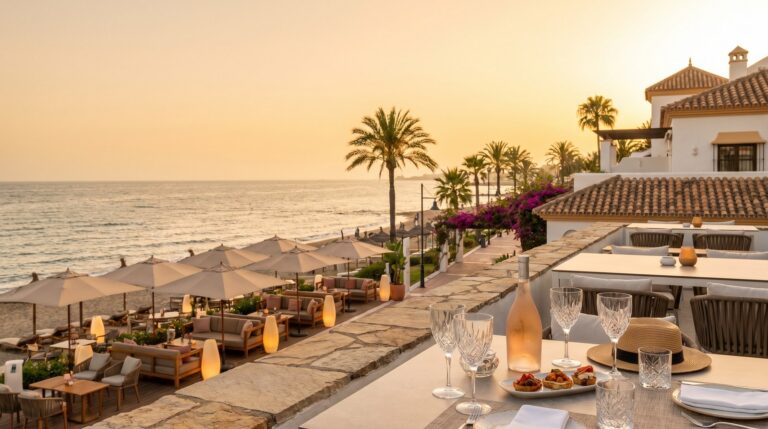
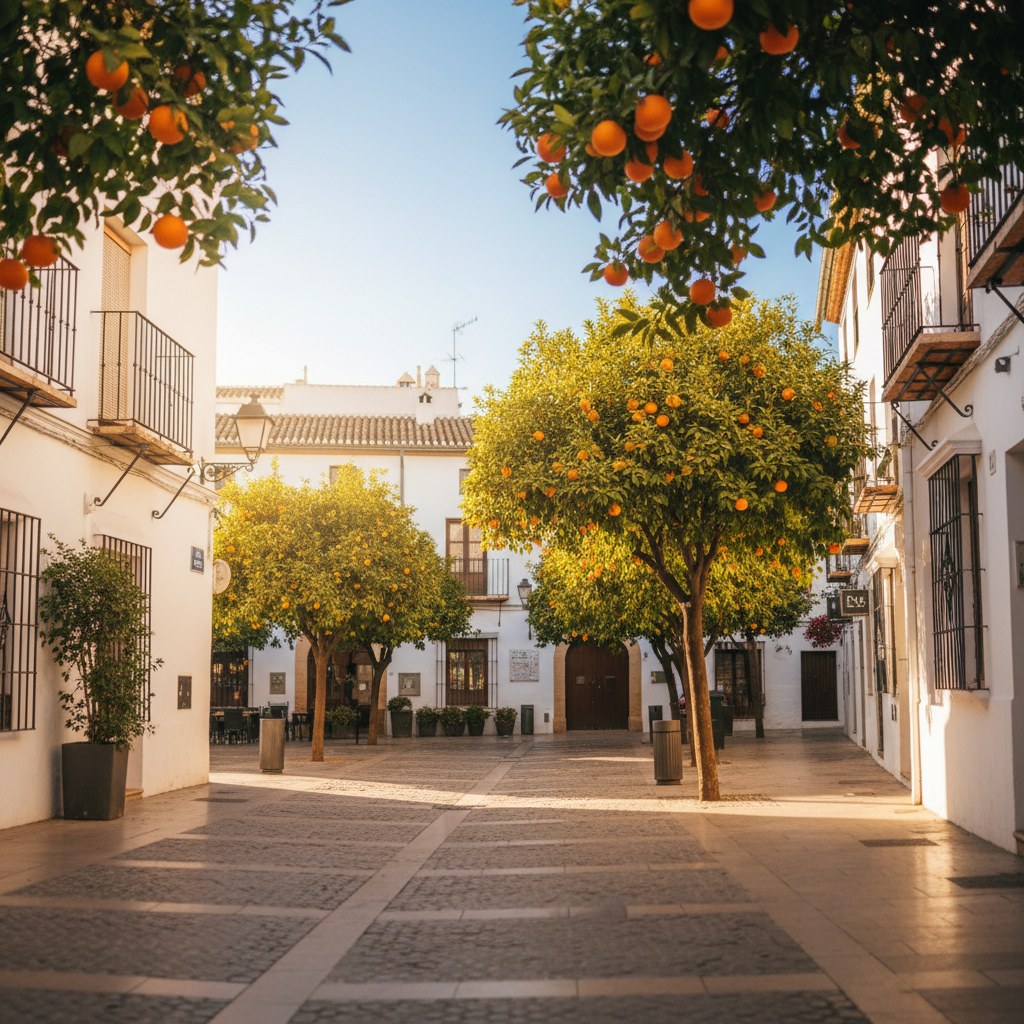
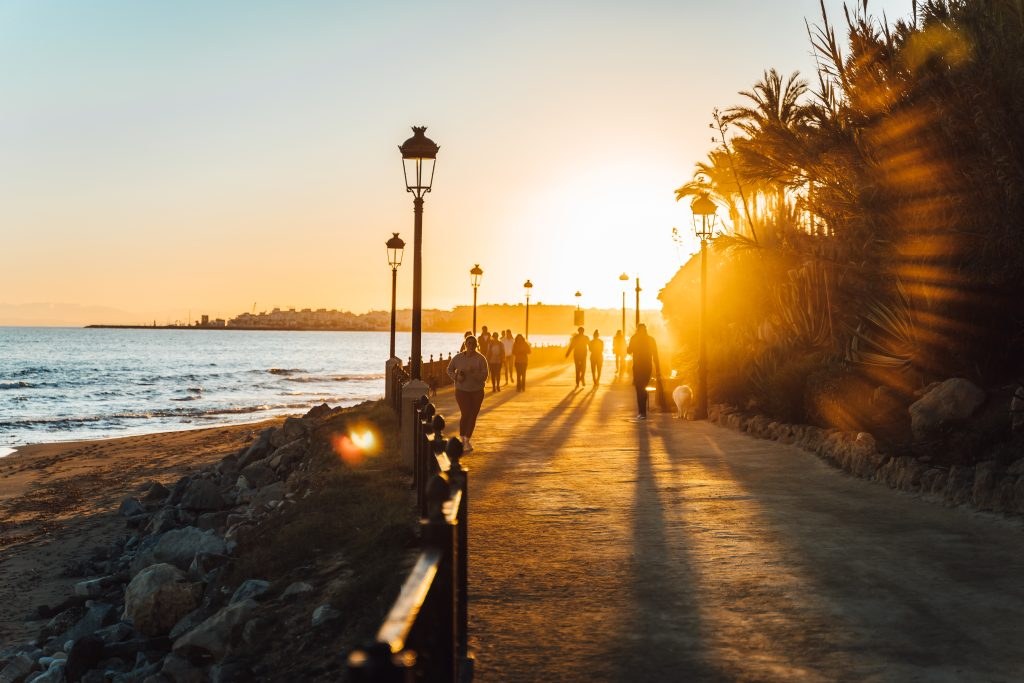
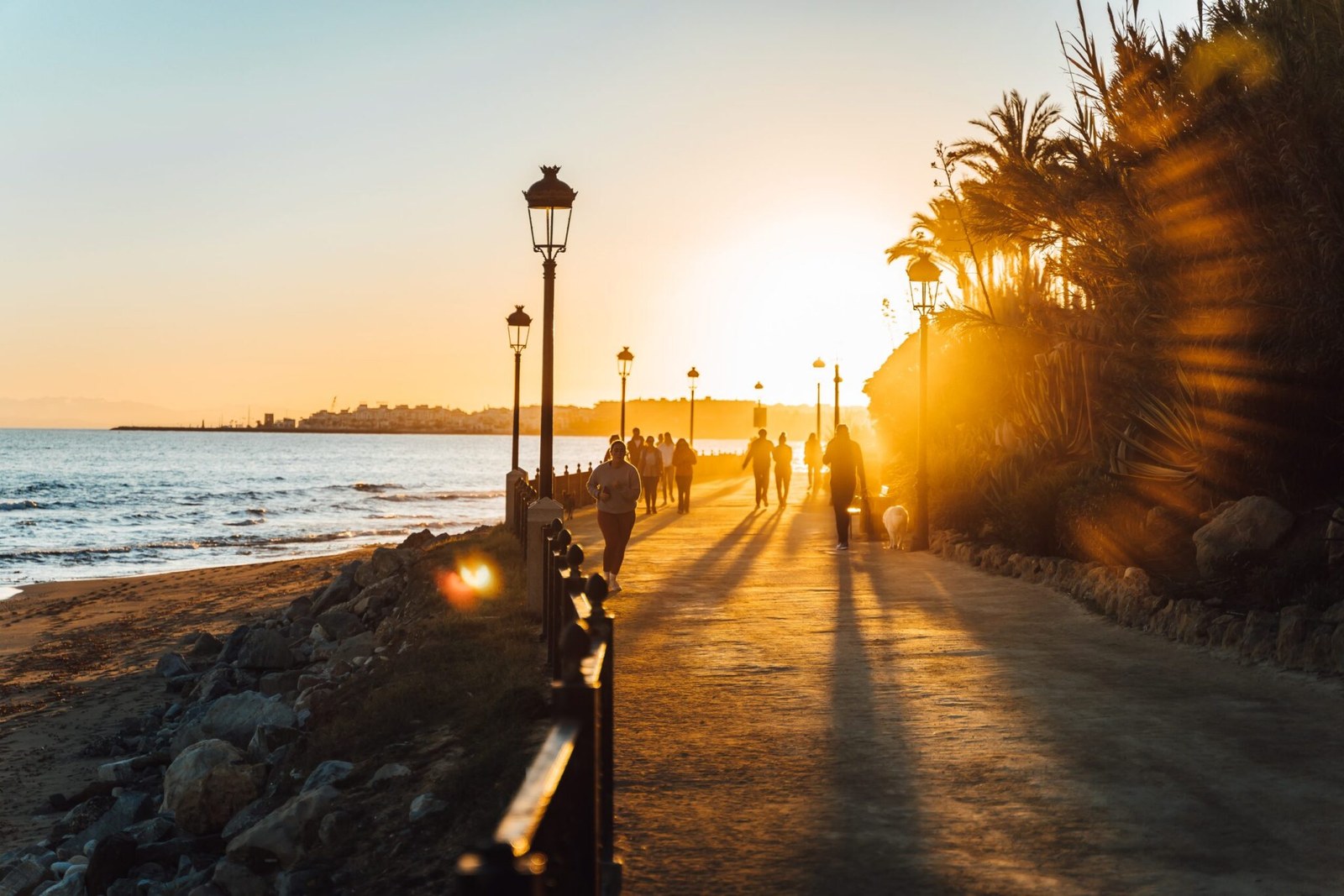
This climate makes winter the ideal season for leisurely exploration. The Golden Mile promenade becomes a peaceful morning walk rather than a crowded parade. The Marbella Old Town, with its whitewashed streets and orange-tree-lined plazas, feels authentically Spanish again, populated more by locals than tourists. Even the beaches — while too cool for extended sunbathing — offer tranquil spaces for sunset strolls and beachfront dining without the summer throngs.
Insider tip: The period from mid-January through February offers the quietest weeks, while December and March balance mild weather with festive atmosphere and early-spring blooms respectively.
Luxury Accommodation at Off-Season Value
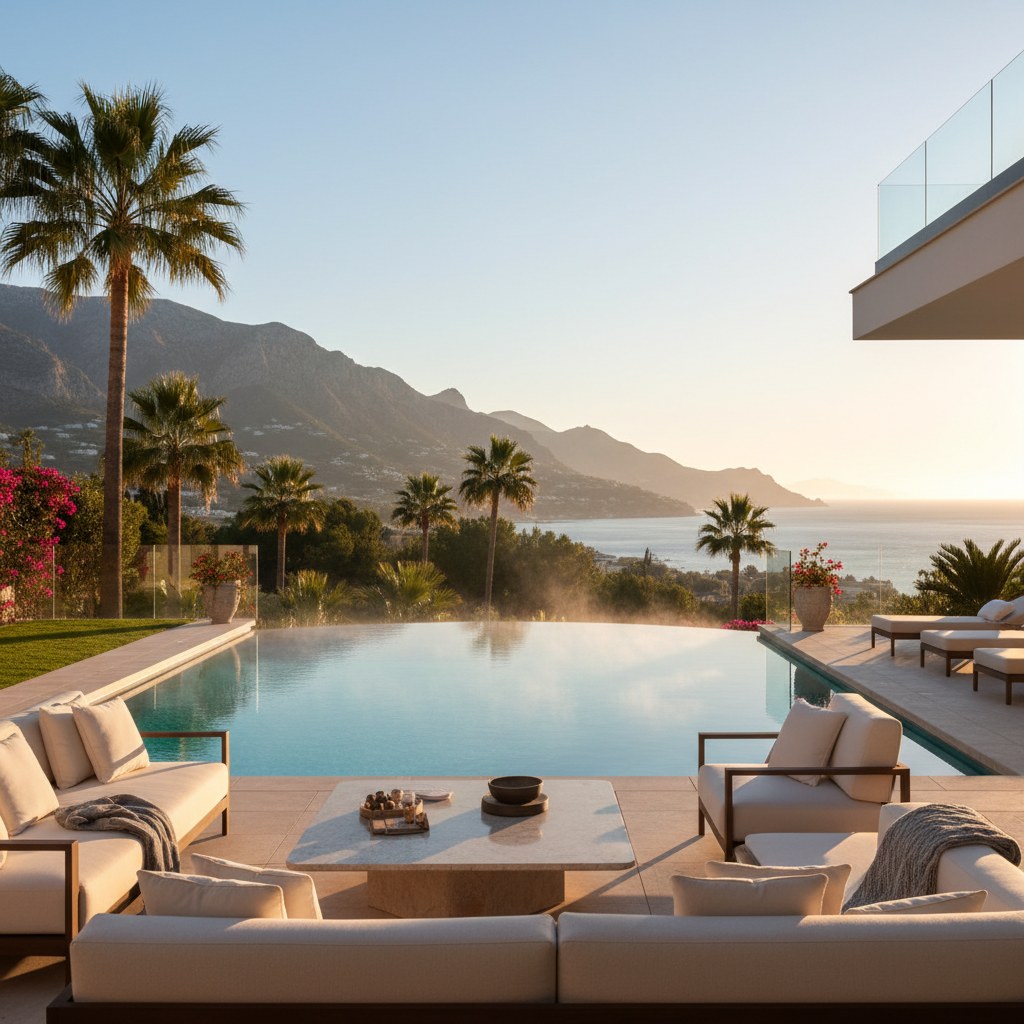
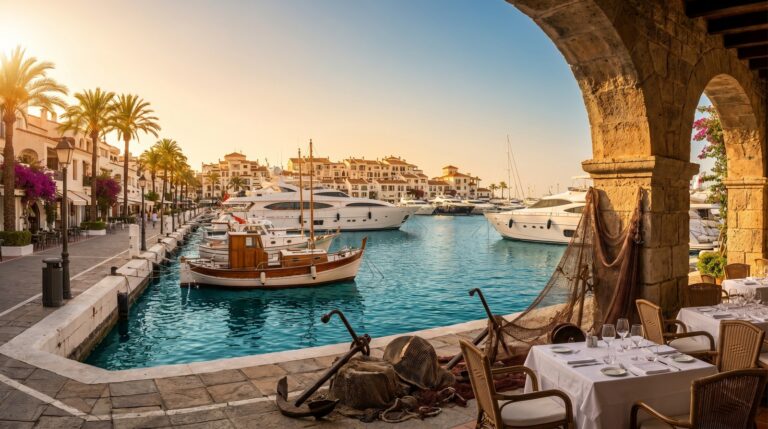
Winter represents Marbella’s golden window for luxury accommodation value. High-end villas that command €15,000-€25,000 per week in July and August often drop to €4,000-€8,000 during winter months — a reduction of up to 70% for identical properties. Five-star hotels in Puerto Banús and along the Golden Mile similarly slash rates, making previously inaccessible luxury suddenly within reach.
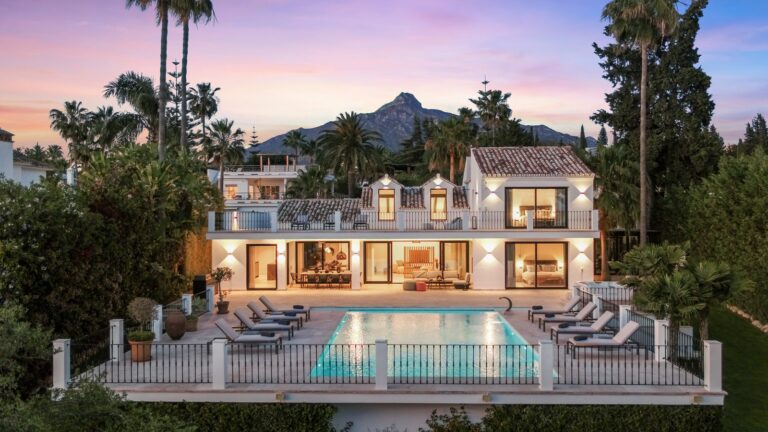
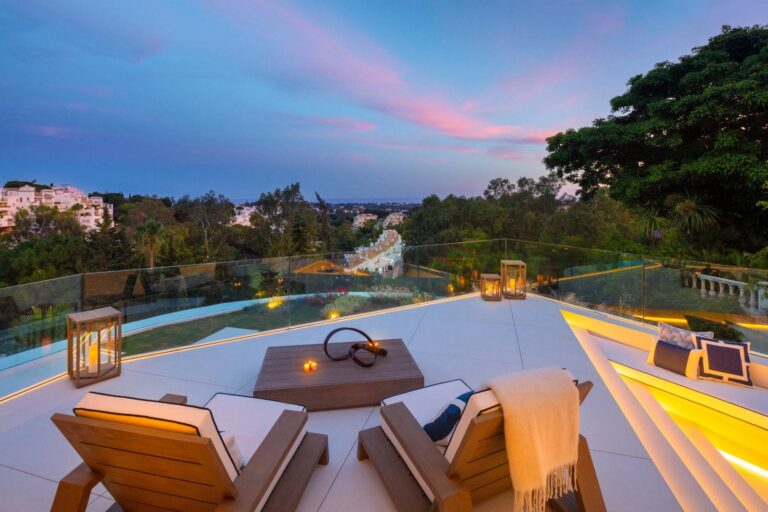
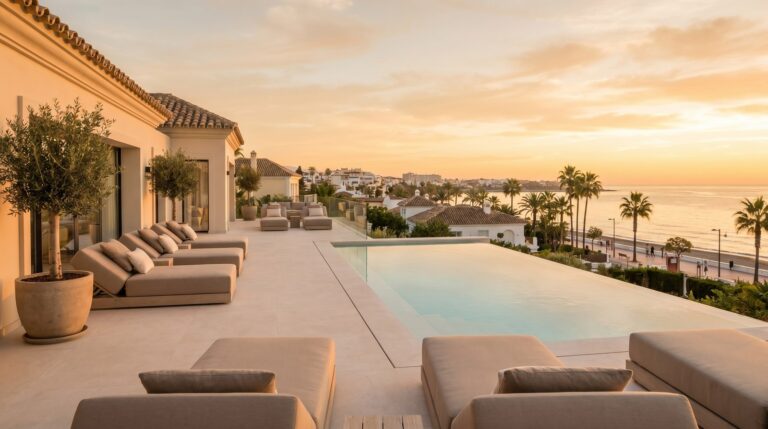
This seasonal pricing shift allows travellers to experience Marbella’s most prestigious addresses without peak-season premiums. Luxury villas in Nueva Andalucía, Sierra Blanca, and Cascada de Camoján — complete with heated pools, spa facilities, and panoramic sea views — become accessible long-term rentals for remote workers, extended family gatherings, or simply those seeking a prolonged winter escape.
- Heated pools and indoor amenities: Most luxury villas feature year-round climate control, heated pools, and covered terraces designed for cooler-weather comfort
- Longer stays, better rates: Monthly rentals in winter often include significant discounts and complimentary concierge services
- Immediate availability: Unlike summer’s months-in-advance booking requirements, winter allows for spontaneous travel and last-minute arrangements
- Exclusive properties: High-demand estates that book solid through summer often have winter availability, including beachfront compounds and golf-course villas
Marbella Hospitality specializes in matching guests with winter-season villas that maximize value while maintaining the highest standards of luxury and service.
Cultural Immersion and Authentic Experiences
Winter strips away Marbella’s tourist veneer and reveals its Andalusian soul. The Plaza de los Naranjos in the Old Town becomes a local gathering place again, where residents linger over morning coffee and the weekly market showcases regional produce without the summer crowds. The narrow streets around Calle Ancha and Calle Remedios host traditional tapas bars frequented by Marbella families rather than international visitors.
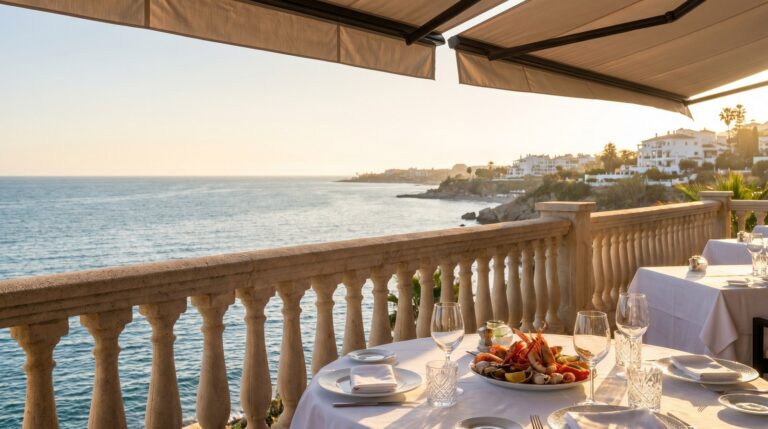
This is the season to discover Marbella’s genuine culinary identity. Winter menus shift toward hearty Andalusian comfort food — rabo de toro (oxtail stew), cocido malagueño (chickpea and pork stew), wild mushroom dishes from the nearby mountains, and locally caught seafood prepared simply in centuries-old recipes. Traditional restaurants in Marbella Old Town that struggle for space in summer welcome walk-ins and unhurried dining throughout winter.
Museums, galleries, and cultural sites also become accessible. The Museo del Grabado Español Contemporáneo (Contemporary Spanish Engraving Museum) and the Museo Ralli offer world-class collections without queues. Local festivals — including Día de Reyes (Three Kings Day) on January 6th and Día de Andalucía on February 28th — provide authentic glimpses into regional traditions and community celebrations.
Wellness and Spa Sanctuaries
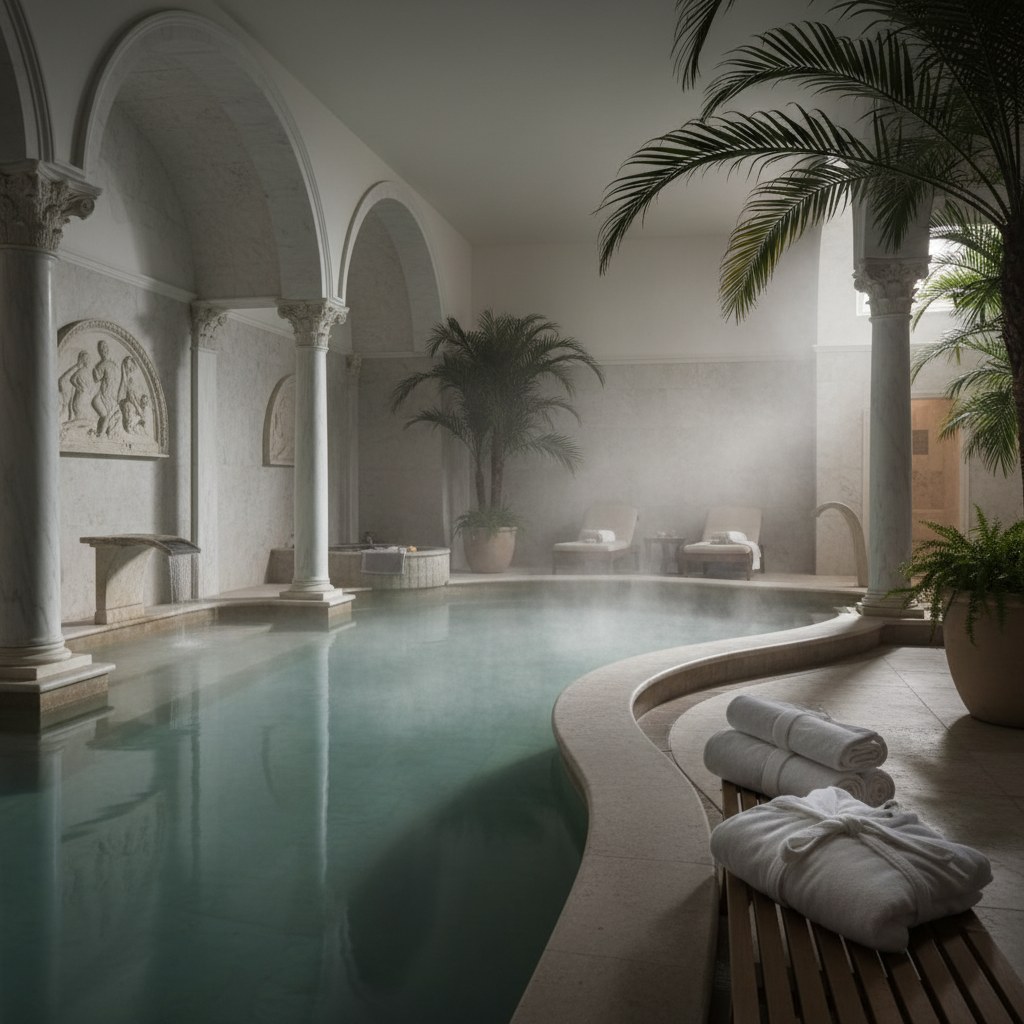
Marbella has evolved into one of Europe’s premier wellness destinations, and winter is when its spa and health retreats truly shine. The cooler weather creates ideal conditions for thermal experiences, hammams, and holistic treatments — pursuits less appealing during summer’s heat.
The Anantara Villa Padierna Palace spa in nearby Benahavís offers Roman-inspired thermal circuits, while the Marbella Club Hotel Thalasso Spa specializes in seawater therapies and Mediterranean wellness rituals. Puente Romano’s Six Senses Spa provides comprehensive detox and rejuvenation programs designed for week-long immersions. These world-class facilities, often fully booked in summer, welcome winter guests with extended appointment availability and personalized treatment schedules.
Local insight: Many of Marbella’s top spas offer winter wellness packages combining accommodation, daily treatments, nutritional consultations, and fitness programs at rates 40-50% below summer pricing.
Beyond hotel spas, Marbella’s wellness scene includes yoga retreats in the hills above Ojén, Pilates studios with sea views, and holistic health practitioners offering everything from Ayurvedic consultations to advanced physiotherapy. The quieter pace of winter allows for genuine transformation rather than rushed spa appointments squeezed between beach sessions.
Hiking, Outdoor Adventures and La Concha
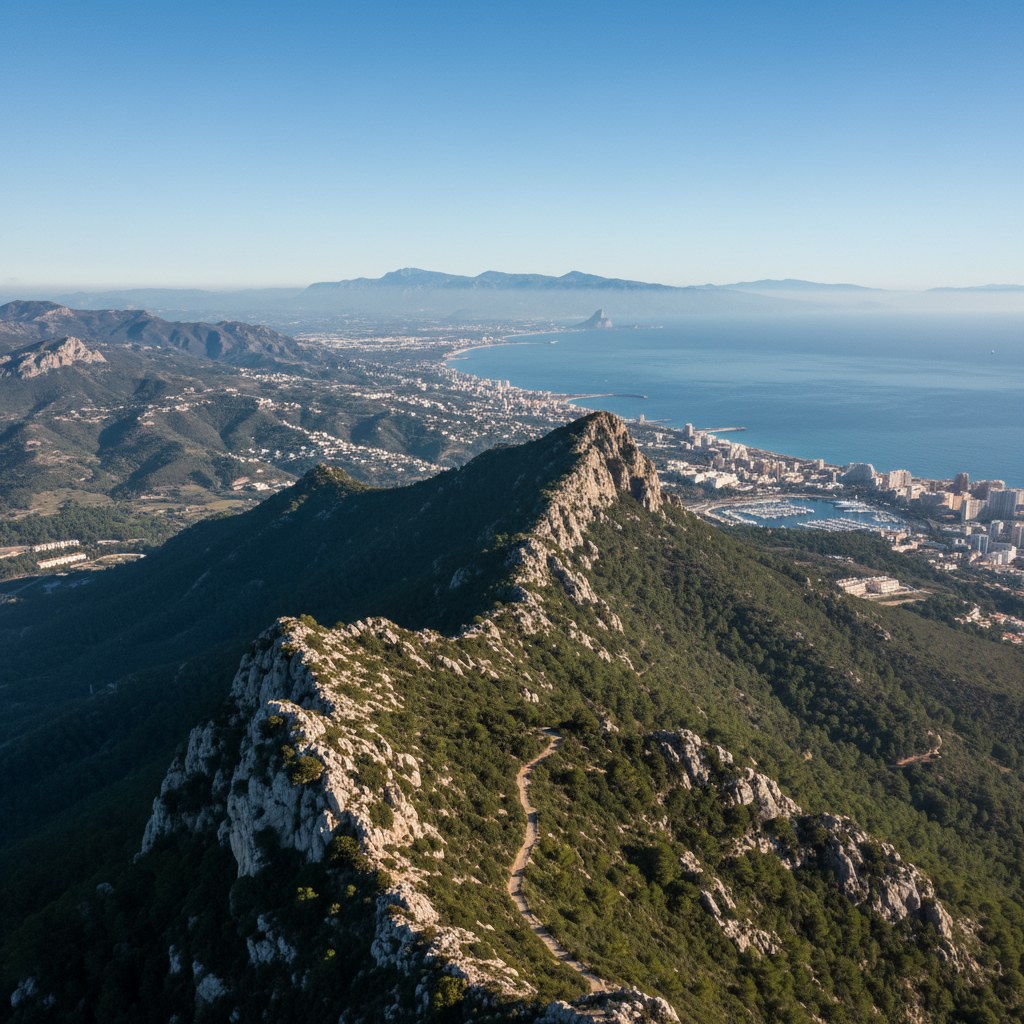
Winter transforms Marbella’s surrounding mountains into a hiker’s paradise. Summer’s scorching temperatures — often exceeding 35°C on exposed trails — give way to perfect hiking conditions of 15-20°C with crisp, clear air and exceptional visibility. The landscape itself changes, with winter rains turning hillsides verdant and streams flowing through normally dry ravines.
La Concha, Marbella’s iconic 1,215-meter peak, becomes the region’s premier winter hike. The ascent from Refugio de Juanar takes 3-4 hours and rewards climbers with panoramic views stretching from Gibraltar to the Rif Mountains of Morocco on clear days. Winter’s cooler temperatures make the steep sections manageable, and the summit experience — often above cloud level — feels genuinely alpine despite the Mediterranean setting below.
Beyond La Concha, the region offers dozens of winter hiking routes:
- Sierra Blanca ridge walks: High-altitude trails with constant sea views and minimal elevation gain
- Istán reservoir circuit: A moderate loop around the turquoise waters of Embalse de la Concepción, popular for trail running and mountain biking
- Río Verde canyon: A river-level hike through lush vegetation, with waterfalls and natural pools (too dry in summer)
- Ojén to Monda traverse: A full-day mountain village-to-village route through traditional pueblo blanco country
Mountain biking also peaks in winter, with trails from beginner-friendly coastal paths to technical single-track in the Sierra de las Nieves. Golf enthusiasts find winter equally appealing, with championship courses in Nueva Andalucía’s Golf Valley offering prime tee times and perfect playing conditions.
Festive Celebrations and Winter Events
Marbella’s winter calendar balances international sophistication with deep-rooted Andalusian tradition. The season opens with Christmas markets throughout December, when the town center transforms with lights, nativity scenes, and artisan stalls. New Year’s Eve brings the Spanish tradition of las doce uvas — eating twelve grapes at midnight — celebrated at Puerto Banús and in the Old Town’s main square.
Three Kings Day (January 6th) rivals Christmas in importance, featuring an elaborate parade through Marbella’s streets as Melchior, Gaspar, and Balthazar distribute sweets to children. This deeply traditional celebration offers visitors an authentic window into Spanish family culture.
February brings Carnival, a week-long celebration of costumes, parades, and street parties that showcases Andalusian exuberance. The Día de Andalucía on February 28th features regional food festivals, flamenco performances, and cultural exhibitions celebrating Andalusian identity.
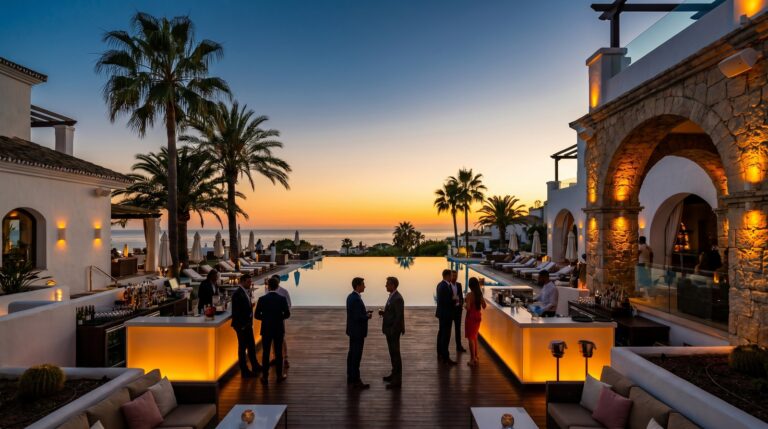
Throughout winter, Marbella’s cultural calendar includes classical concerts, art exhibitions, and gastronomic events that cater to the town’s substantial international resident community. These events — from wine tastings featuring Spanish bodegas to jazz performances at intimate venues — create a sophisticated social scene distinct from summer’s beach-club atmosphere.
Diverse Winter Activities Beyond the Beach
While beach life takes a backseat in winter, Marbella’s activity menu expands in other directions. The town’s tennis and padel scene thrives year-round, with the Puente Romano Tennis Club and Manolo Santana Racquets Club hosting international players and offering coaching programs. Cooler temperatures make these racquet sports far more enjoyable than during summer’s midday heat.
Equestrian activities flourish in winter, from beach rides at sunrise to dressage lessons at elite riding schools in the San Pedro countryside. The nearby village of Estepona hosts regular equestrian events, including show jumping competitions and traditional Spanish riding demonstrations.
For those seeking luxury experiences, winter is yacht season of a different kind. While summer focuses on day charters and beach-hopping, winter brings luxury yacht experiences centered on coastal cruising, whale watching (migrating orcas and pilot whales pass through the Strait of Gibraltar), and sunset champagne voyages without the summer crowds at anchor.
Supercar touring also peaks in winter. The coastal roads and mountain passes become driving enthusiast playgrounds, with comfortable temperatures for open-top motoring and dramatically reduced traffic. Routes like the Ronda mountain road and the coastal highway to Sotogrande showcase both automotive performance and spectacular Andalusian scenery.
Culinary Excellence in the Quiet Season
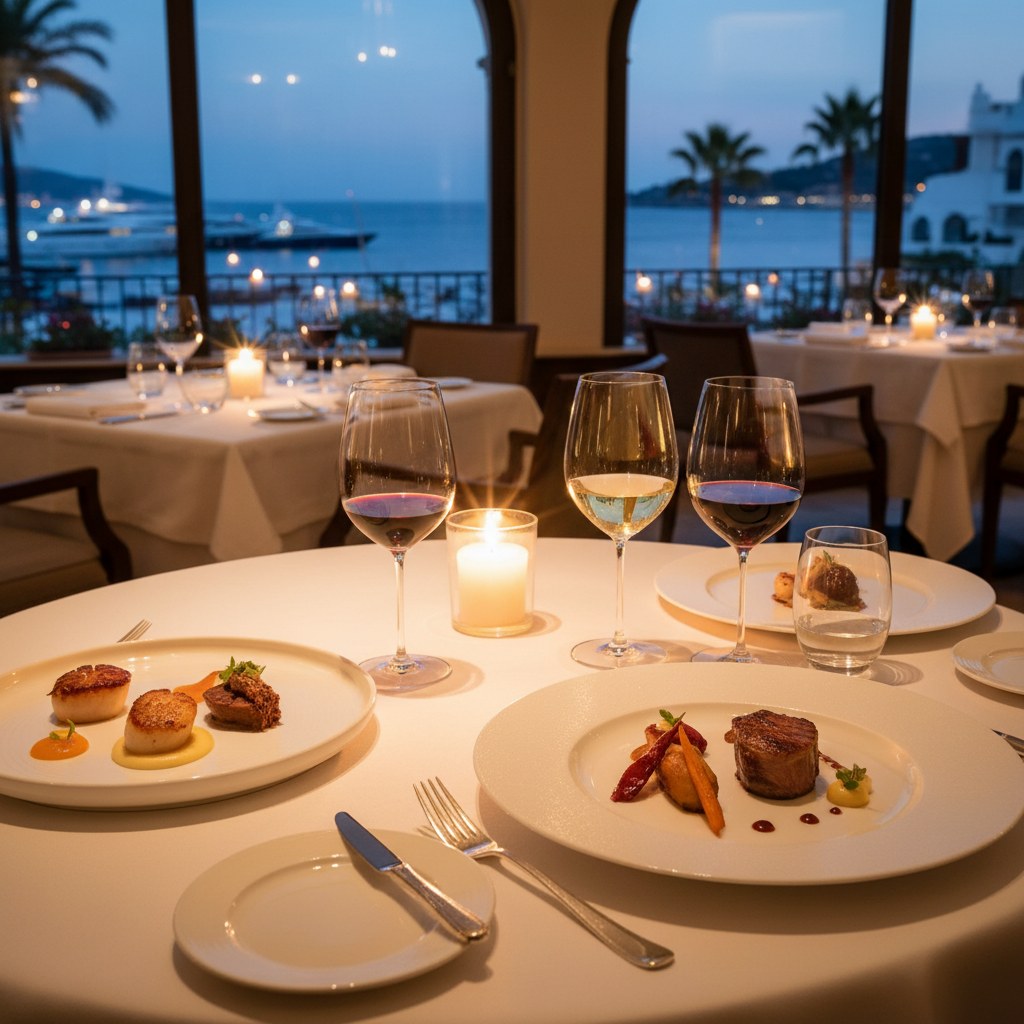
Marbella’s gastronomic scene reaches its creative peak in winter. With summer’s volume-driven service behind them, chefs return to innovation and technique. Michelin-starred restaurants like Skina and El Lago introduce seasonal tasting menus featuring game, truffles, wild mushrooms, and winter vegetables impossible to source during summer.
Traditional chiringuitos — beachside restaurants — shift from fried fish and paella to heartier fare: arroz caldoso (soupy rice), grilled meats, and slow-cooked stews. These casual venues, often overlooked by luxury travellers in summer, reveal themselves as guardians of authentic coastal cooking.
Wine enthusiasts find winter ideal for exploring Andalusian viticulture. The nearby Ronda wine region offers bodega tours and tastings in comfortable temperatures, showcasing wines from high-altitude vineyards that produce distinctive reds and whites. Many Marbella restaurants feature winter wine-pairing dinners highlighting Spanish regions from Rioja to Priorat.
Why Book Your Winter Stay With Marbella Hospitality
Navigating Marbella’s off-season landscape requires local expertise and established relationships. Marbella Hospitality specializes in curating winter experiences that maximize the season’s unique advantages — from securing the best-value luxury villas with optimal winter amenities to arranging exclusive wellness retreats, private hiking guides, and reservations at restaurants that don’t advertise to tourists.
Our dedicated concierge team ensures your winter stay includes heated pools, functioning fireplaces, and climate-appropriate amenities often overlooked by generic booking platforms. We arrange everything from private yacht charters for whale-watching expeditions to VIP access at Marbella’s year-round venues, delivering the seamless luxury experience that defines the Marbella Hospitality standard regardless of season.
Planning Your Marbella Winter Escape
The optimal approach to experiencing Marbella in winter is extended stays rather than brief visits. A week allows for genuine immersion — balancing mountain hikes with spa days, cultural exploration with culinary adventures, and active pursuits with complete relaxation. Many guests discover that two or three winter weeks in Marbella provide more authentic luxury and value than a single summer week at triple the cost.
Winter also suits multi-generational family gatherings, remote work arrangements, and special celebrations. The combination of space (large villas), privacy (uncrowded town), exceptional value, and year-round sunshine creates ideal conditions for milestone birthdays, anniversary celebrations, or simply extended quality time in beautiful surroundings.
Whether you’re seeking active adventure, cultural depth, wellness transformation, or simply Europe’s most reliable winter sun, Marbella delivers an off-season experience that rivals — and often surpasses — its famous summer appeal. The town’s true character emerges when the crowds recede, revealing a sophisticated, authentic Andalusian destination wrapped in unexpected tranquility.
Ready to discover Marbella’s winter magic? Contact Marbella Hospitality to design your bespoke off-season escape, from luxury villa selection to comprehensive concierge services that transform a winter visit into an unforgettable experience.