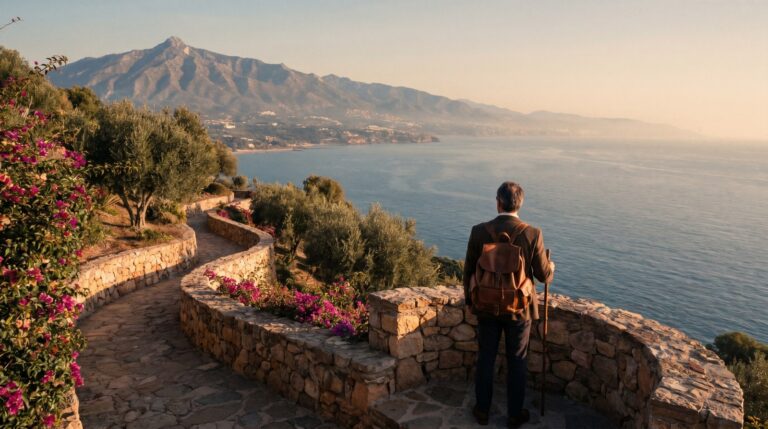
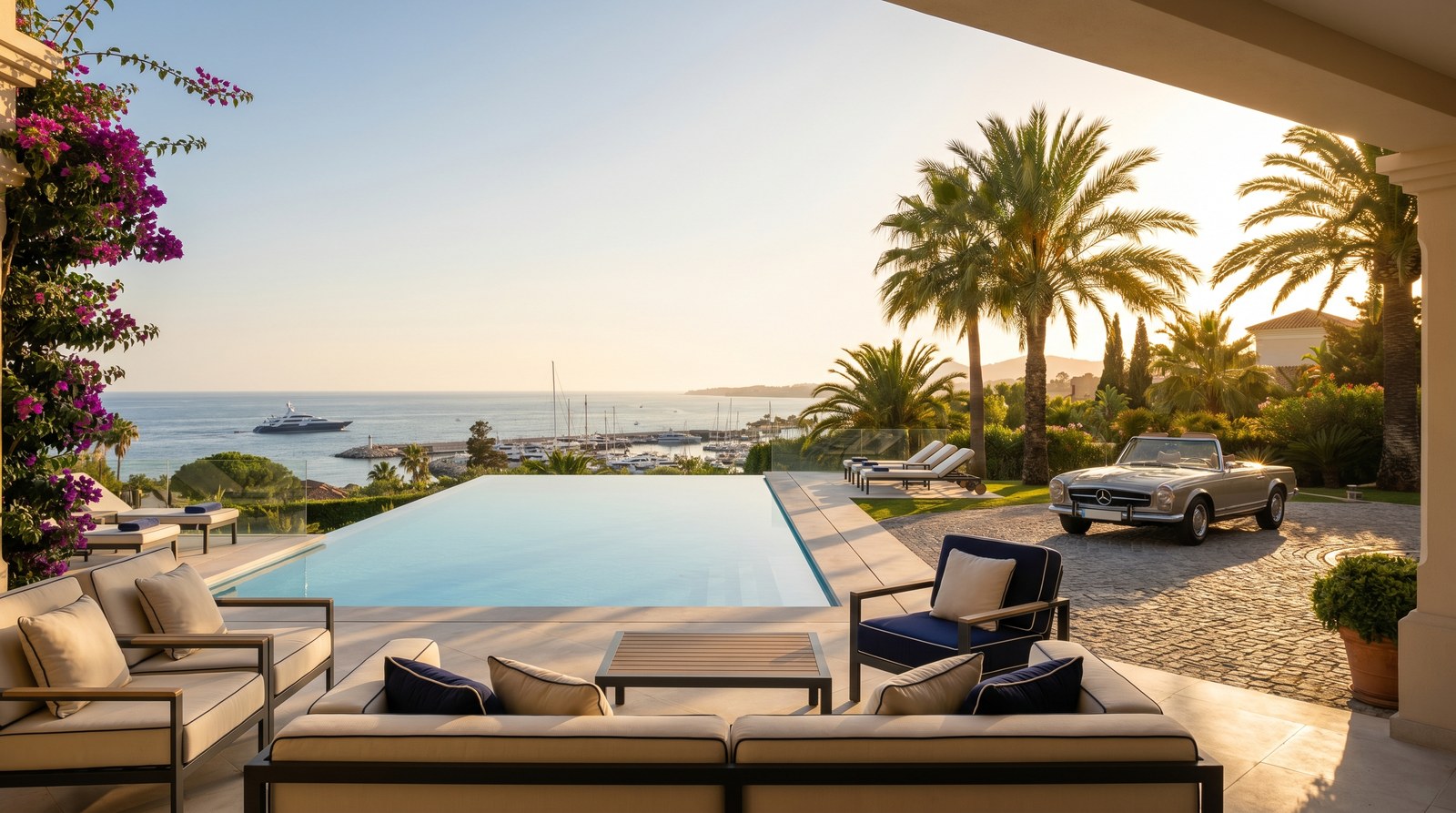
Sotogrande sits at the southernmost edge of Andalucía, where the Costa del Sol meets the province of Cádiz in a landscape of manicured golf fairways, polo fields, and Mediterranean coastline. Just 44 kilometres southwest of Marbella, this private residential enclave has cultivated a reputation as one of Europe’s most exclusive addresses—a place where international families, professional athletes, and discerning travellers converge for a lifestyle defined by sport, privacy, and understated elegance.
Unlike the vibrant social energy of Puerto Banús or the historic charm of Marbella’s old town, Sotogrande offers something quieter and more refined: a self-contained world of championship golf courses, world-class polo, yacht berths, and beachfront living framed by the Sierra Almenara mountains. The atmosphere feels closer to Palm Beach or the Hamptons than a typical Spanish resort—an international community that values discretion, outdoor pursuits, and architectural sophistication.
This guide explores what makes the Sotogrande lifestyle so distinctive, from its sporting pedigree and marina culture to its family-friendly environment and culinary scene. Whether you’re considering a villa rental, planning a day trip from Marbella, or exploring the broader Costa del Sol, understanding Sotogrande’s unique character will enrich your perspective on luxury living in southern Spain.
Where Sotogrande Sits on the Costa del Sol
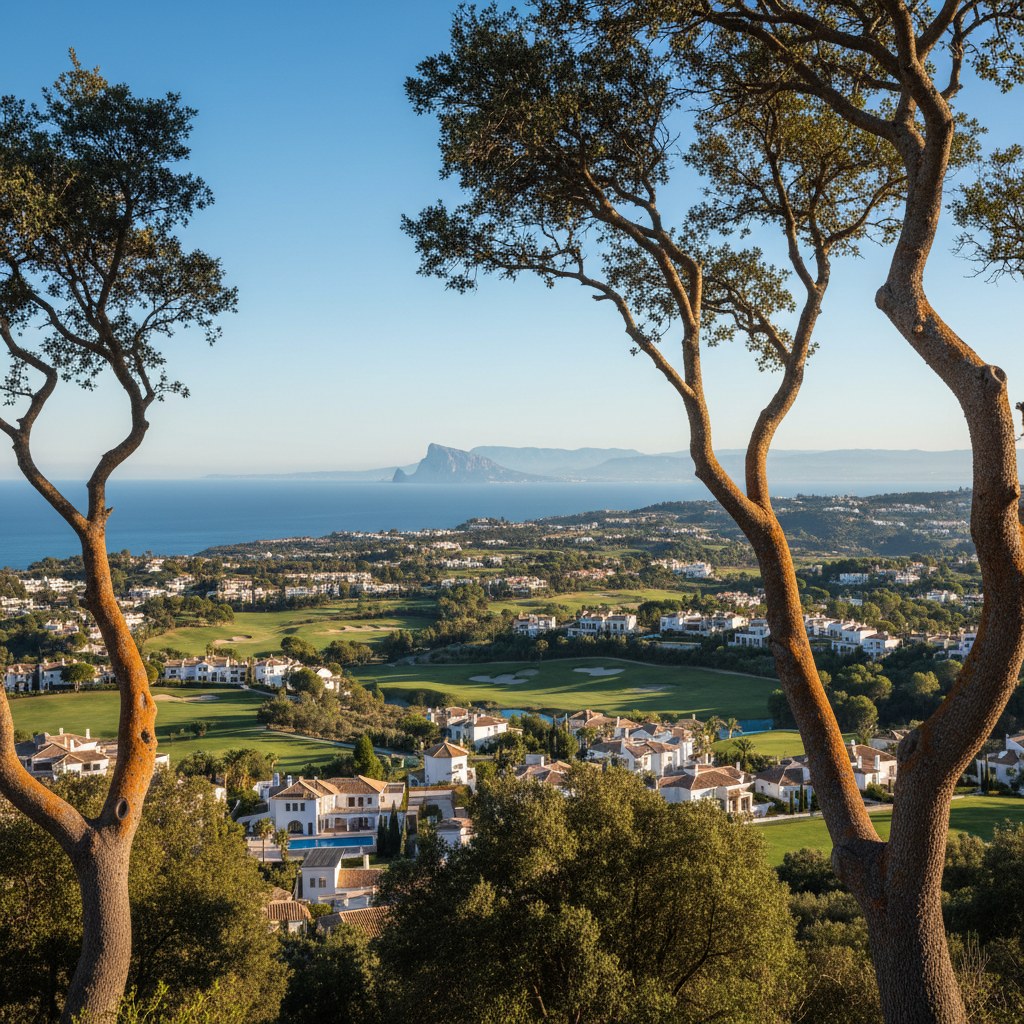
Sotogrande occupies a strategic position at the western terminus of the Costa del Sol, straddling the border between Málaga and Cádiz provinces. The development lies within the municipality of San Roque, approximately 20 kilometres northeast of Gibraltar and 120 kilometres southwest of Málaga airport. This location places it beyond the densely built-up coastal strip that runs from Málaga through Marbella, offering a more spacious, verdant landscape where properties sit on larger plots surrounded by golf courses and natural greenery.
The drive from Marbella Centre takes roughly 45 minutes via the AP-7 toll motorway, passing through San Pedro de Alcántara, Estepona, and Manilva. From Puerto Banús, the journey is closer to 35 minutes (47 kilometres), making Sotogrande an easy day trip or weekend escape for those based in Marbella’s Golden Mile or Nueva Andalucía.
Insider tip: The coastal N-340 road offers a more scenic alternative to the motorway, winding through Estepona’s old town and the charming fishing village of La Duquesa, though it adds 15-20 minutes to the journey.
Proximity to Gibraltar International Airport (a 20-minute drive) provides convenient access for private aviation and British Airways flights from London, while the larger Málaga-Costa del Sol Airport serves international connections. The nearby port of Algeciras handles ferry crossings to Morocco, and the historic cities of Cádiz, Jerez, and Ronda all lie within 90 minutes, offering rich cultural excursions beyond the coastal lifestyle.
The Architecture of Privacy and Green Space
What immediately distinguishes Sotogrande from denser coastal developments is its low-density planning and abundance of green corridors. Established in the 1960s by Filipino entrepreneur Joseph McMicking, the development was conceived as a private estate where golf courses, polo fields, and equestrian facilities would be woven into the residential fabric, creating a park-like environment rather than a typical urbanisation.
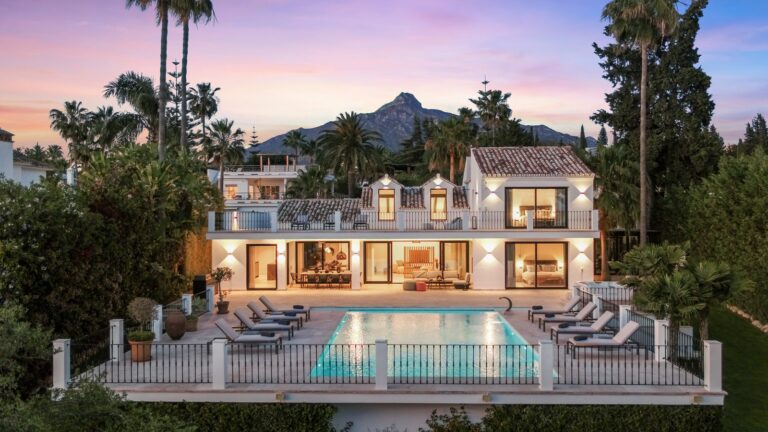
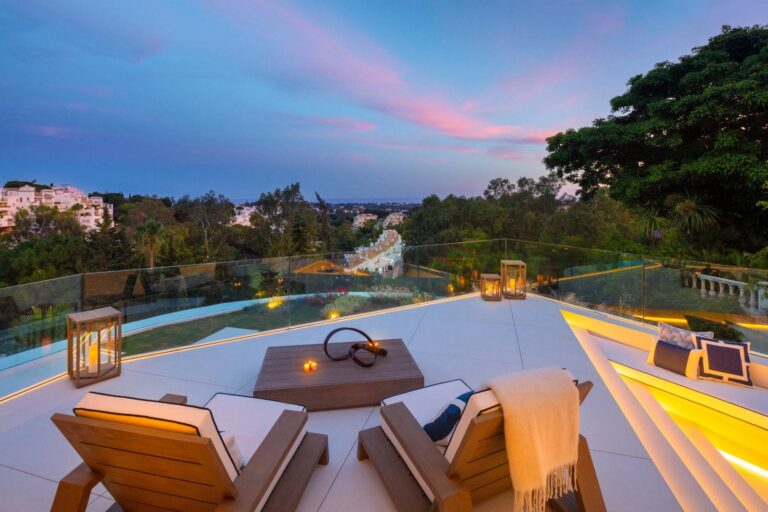
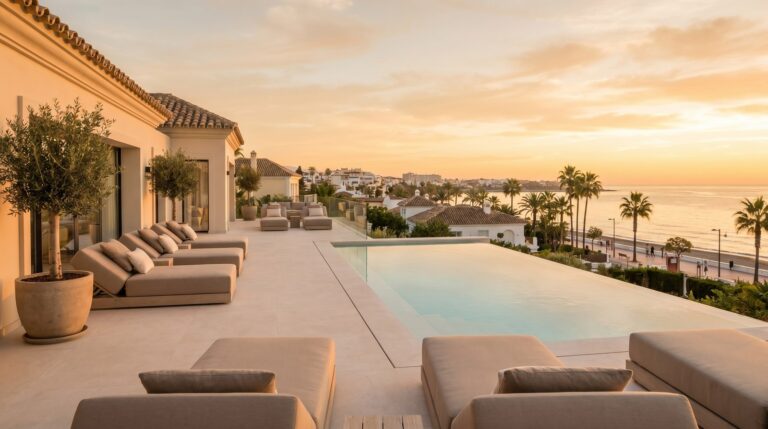
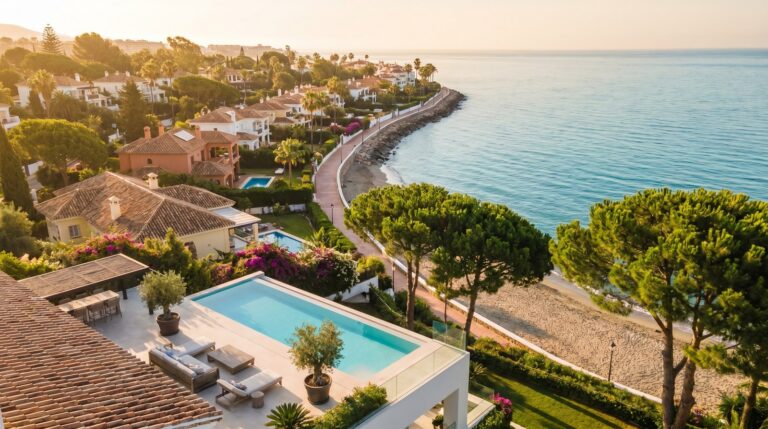
The architectural aesthetic leans toward Andalusian contemporary and Mediterranean modernism—white-rendered villas with terracotta roofs, expansive glass walls, infinity pools, and landscaped gardens featuring mature palms, jacarandas, and bougainvillea. Many properties occupy plots of 2,000 to 5,000 square metres, affording genuine privacy and space for outdoor living. The overall impression is one of careful curation: manicured yet natural, luxurious yet understated.
Residential zones include Sotogrande Costa (closer to the beach and marina), Sotogrande Alto (elevated terrain with mountain and golf views), and newer developments like La Reserva de Sotogrande, which blends residential villas with a private beach club, sports academy, and an 18-hole golf course. Each zone maintains strict architectural guidelines to preserve visual harmony and environmental quality.
Championship Golf: Europe’s Premier Courses
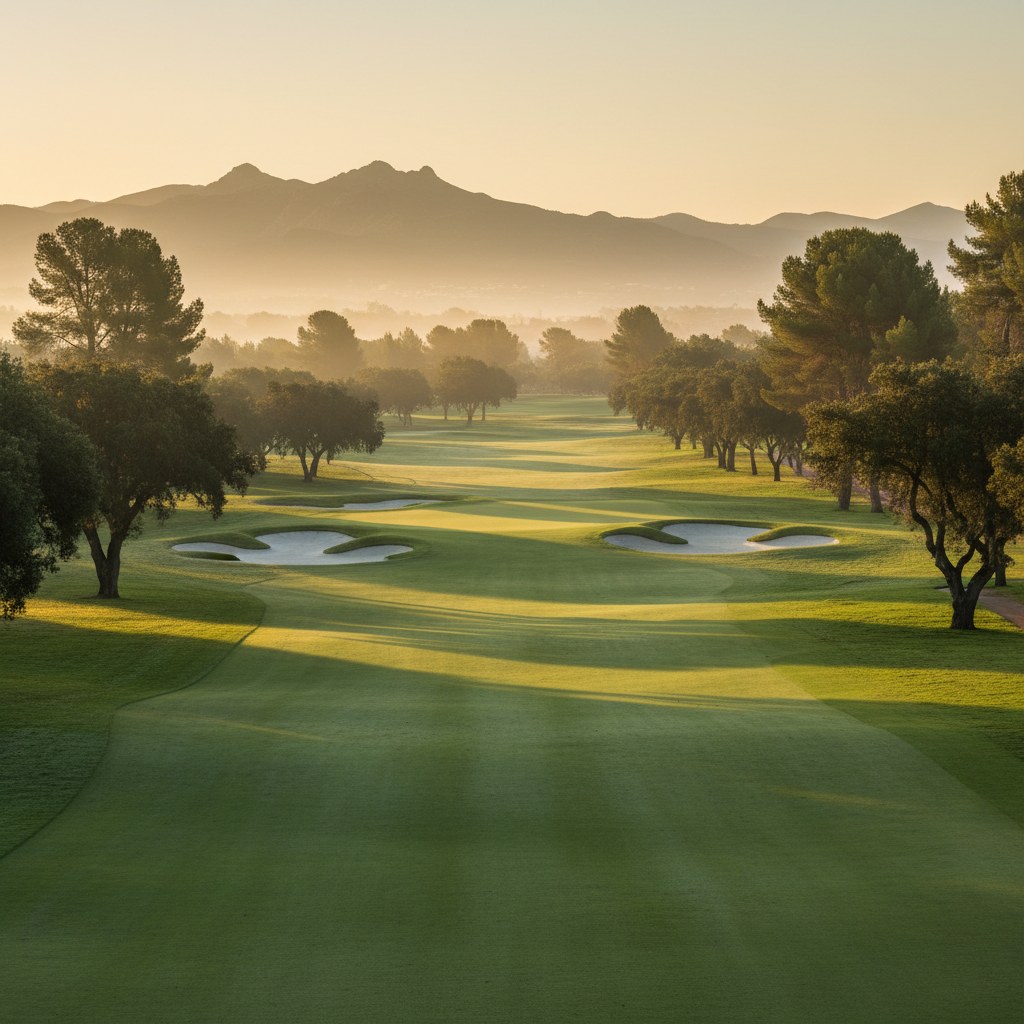
Sotogrande’s reputation as a golf destination of international stature rests on a collection of courses that rank among Europe’s finest. The crown jewel is Real Club Valderrama, a Robert Trent Jones Sr. design that hosted the 1997 Ryder Cup—the first time the competition was held in continental Europe. Valderrama’s par-71 layout is renowned for its strategic bunkering, cork oak groves, and the iconic par-5 17th hole, consistently rated among the best in the world.
Membership at Valderrama is highly exclusive, but limited visitor tee times can be arranged through the club or specialist golf concierges. Green fees typically exceed €300 per round, reflecting the course’s prestige and meticulous conditioning.
Other notable courses in the immediate area include:
- Real Club de Golf Sotogrande: The original course, opened in 1964, designed by Robert Trent Jones Sr. A par-72 layout stretching 6,492 metres, it runs along the marina and features mature pines, strategic water hazards, and coastal breezes.
- La Reserva Club: A Cabell B. Robinson design opened in 2003, offering 18 holes across rolling terrain with panoramic views toward Gibraltar and North Africa. The course is part of the exclusive La Reserva community.
- San Roque Club: Two championship courses—the Old Course (Dave Thomas design) and the New Course—set inland with views of the Sierra Bermeja mountains. The Old Course hosted multiple European Tour events.
- Almenara Golf: Two 18-hole courses (Lagos and Pinos) designed by Dave Thomas, located just north of Sotogrande proper, offering a more accessible option with competitive green fees.
For those basing themselves in Marbella, Sotogrande’s golf offerings complement the famous Golf Valley courses in Nueva Andalucía, creating a compelling multi-day itinerary for serious golfers.
Polo, Equestrian Sports, and Social Seasons
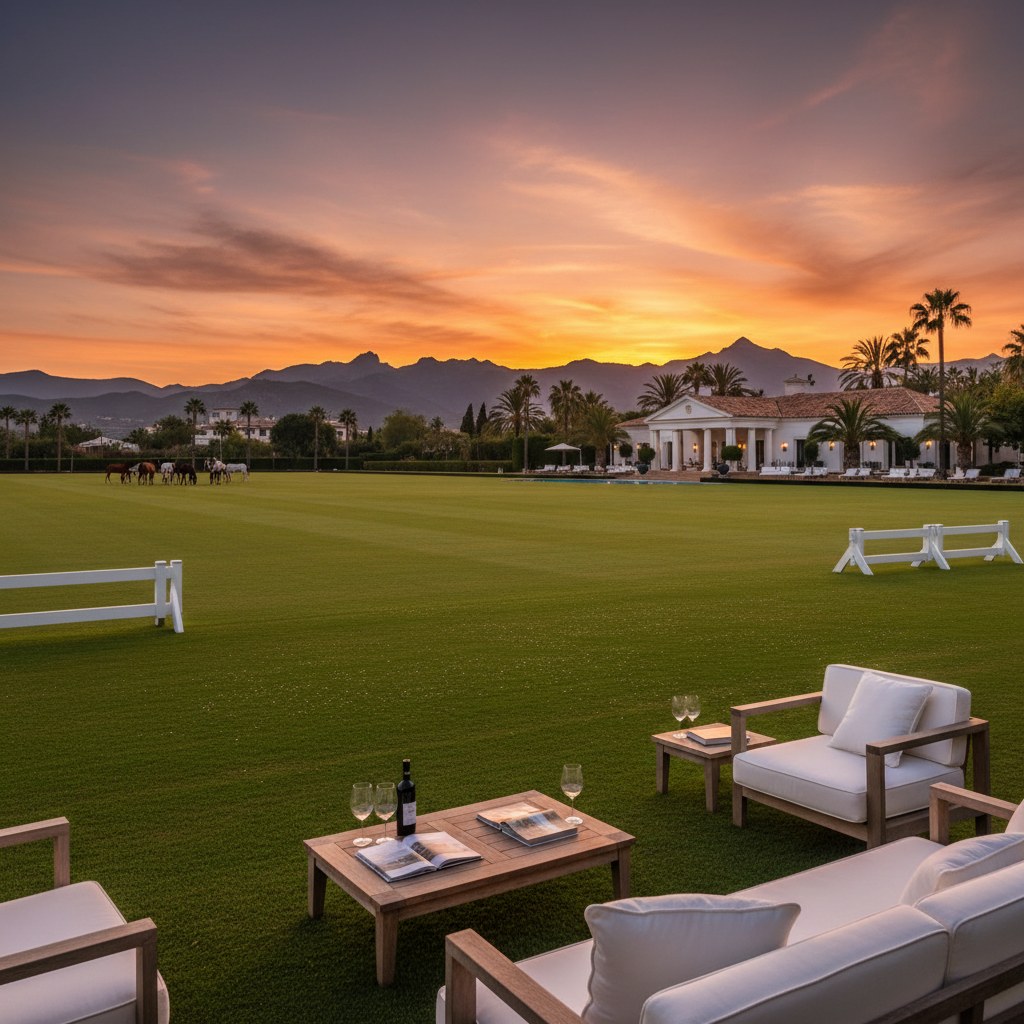
Sotogrande is synonymous with polo at the highest level. The Santa María Polo Club, established in 1965, operates seven polo fields—four of which meet international tournament standards—and hosts the prestigious Sotogrande International Polo Tournament each summer. Running from late July through August, the tournament attracts teams and spectators from across Europe and beyond, creating a vibrant social calendar of matches, evening events, and hospitality.
Attending a polo match offers a quintessentially Sotogrande experience: white-clad players on horseback, champagne in hand, sunset over the mountains, and a crowd that blends Spanish aristocracy with international jet-setters. The club welcomes visitors, and match schedules are published online. Many regulars arrive for the traditional divot-stomping interval, where spectators walk onto the field between chukkas to repair the turf—a convivial ritual that blurs the line between sport and social gathering.
Beyond polo, Sotogrande supports a thriving equestrian culture with riding schools, dressage facilities, and show-jumping arenas. The Sotogrande Equestrian Centre offers lessons, trail rides through the surrounding countryside, and livery services for horse owners.
Marina Life and Yachting Culture
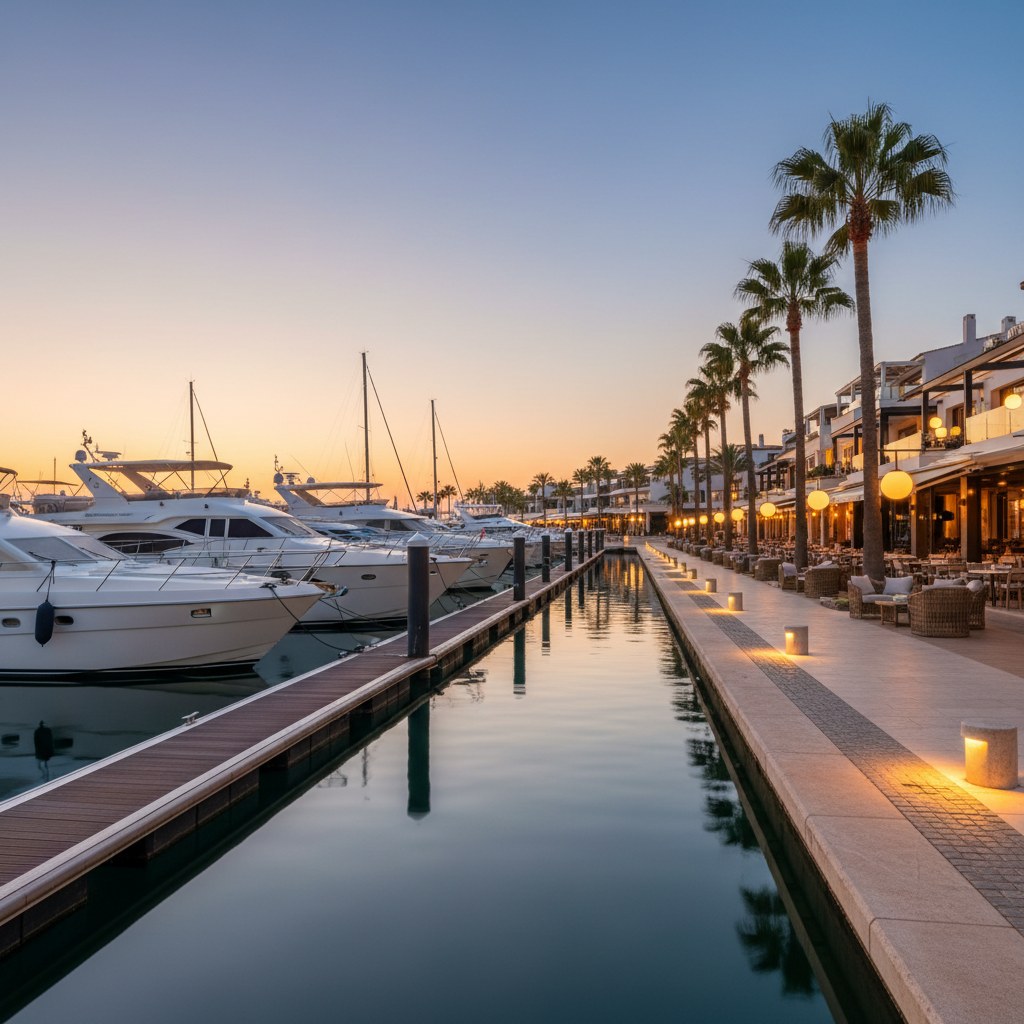
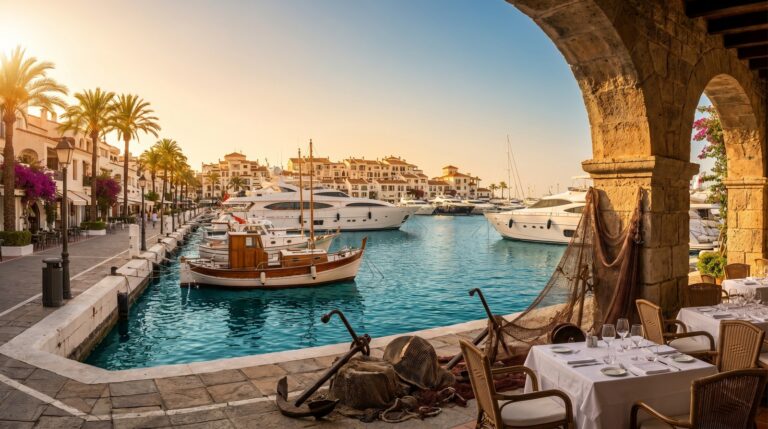
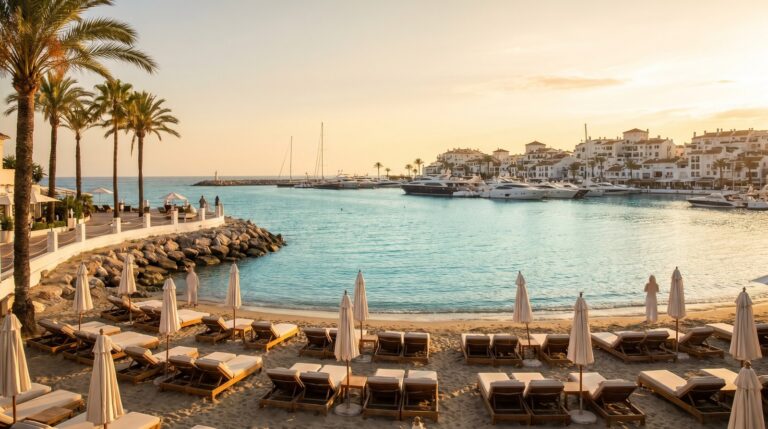
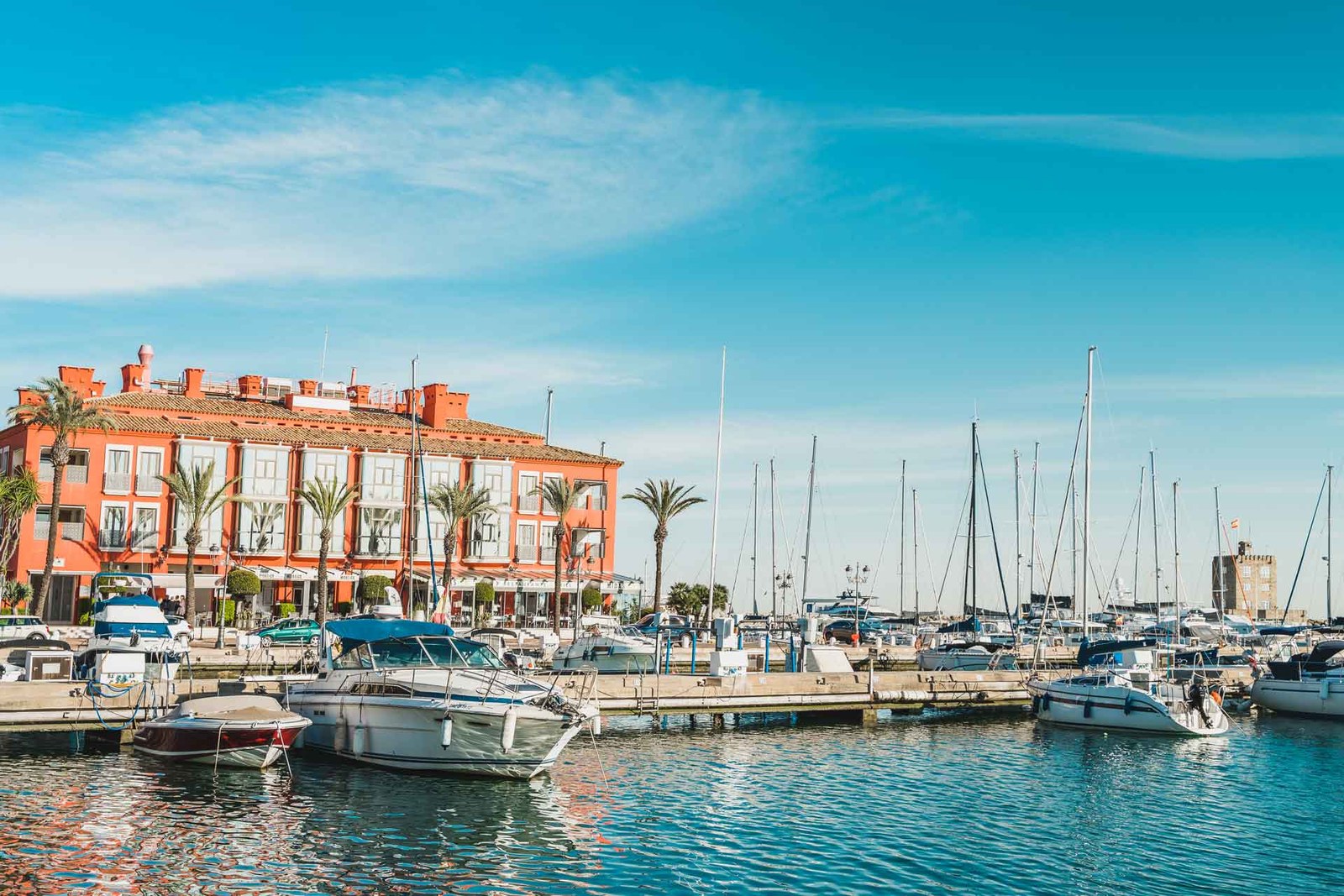
The Puerto Deportivo de Sotogrande serves as the social and nautical heart of the community. With over 1,300 berths accommodating vessels up to 70 metres, the marina ranks among the largest on the Andalusian coast. The harbour’s sheltered position and proximity to Gibraltar make it a strategic stopover for yachts cruising between the Atlantic and Mediterranean.
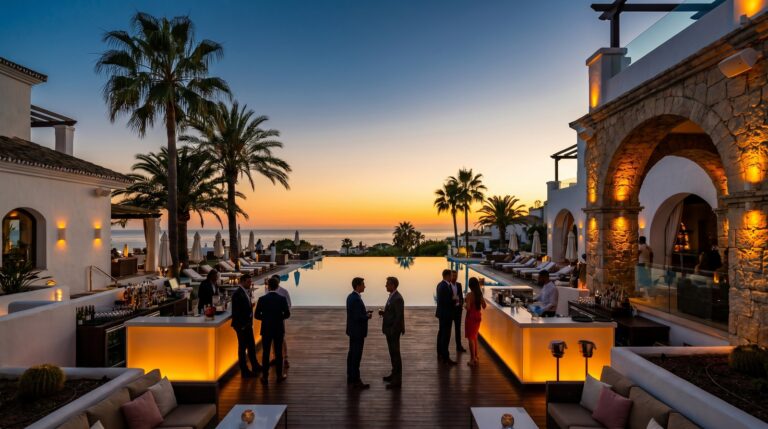
The marina promenade is lined with restaurants, bars, boutiques, and cafés, creating a lively waterfront atmosphere particularly on summer evenings. Popular dining venues include Midas (eclectic international cuisine and sushi), KE (Mediterranean seafood with terrace views), and Spinnaker (classic marina dining with yacht-watching). The scene is cosmopolitan yet relaxed—families strolling after dinner, sailors preparing for early departures, and couples lingering over sundowners.
For those interested in exploring the coast by water, yacht charters departing from Sotogrande offer access to secluded coves along the Costa de la Luz, day trips to Tarifa for whale and dolphin watching, or overnight passages to Morocco. The marina’s facilities include chandleries, maintenance services, and provisioning for extended cruising.
Insider tip: The annual Sotogrande Sailing Week in September brings competitive regattas, social events, and a festive atmosphere to the marina—an ideal time to experience the yachting culture at its most vibrant.
Beach Clubs and Coastal Living
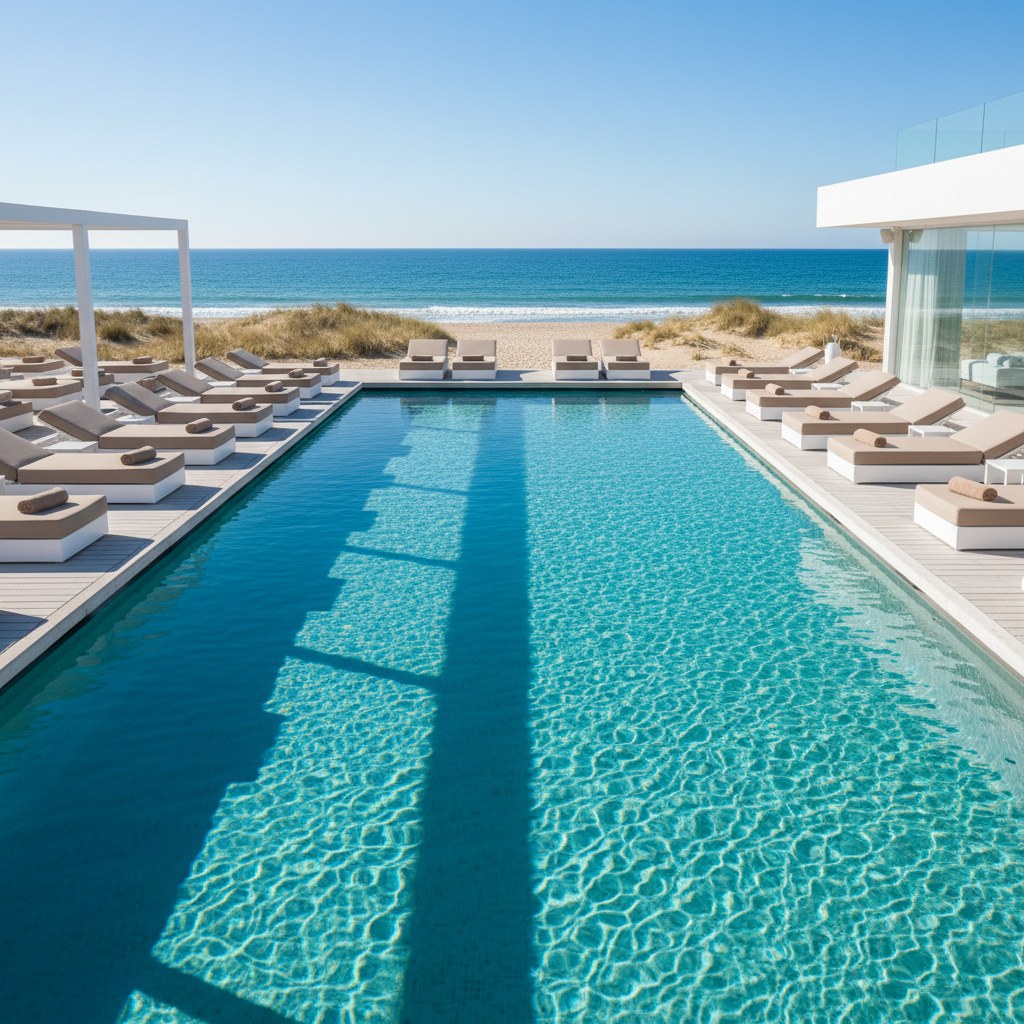
Sotogrande’s beaches differ markedly from the busier stretches near Marbella. The coastline here is wider, wilder, and less developed, with long expanses of golden sand backed by dunes and pine groves. The water is typically calmer than the more exposed Marbella beaches, thanks to the sheltering effect of the Strait of Gibraltar.
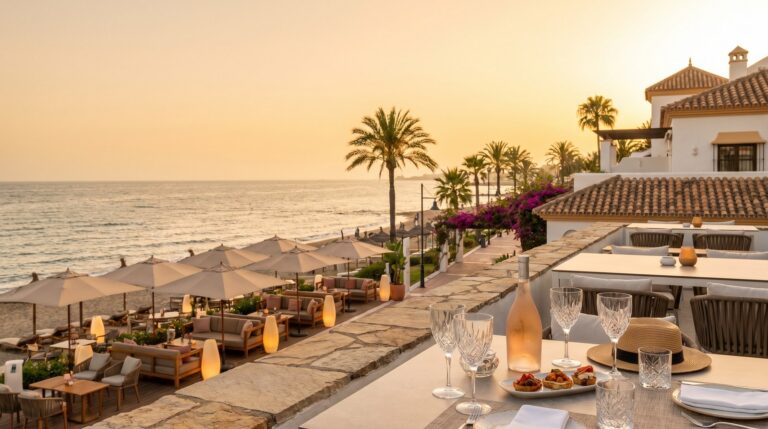
The La Reserva Beach Club epitomises Sotogrande’s approach to beachfront leisure: refined, family-oriented, and integrated with nature. Facilities include a 25-metre saltwater infinity pool, a shallow lagoon for children with paddle boards and kayaks, beach loungers, and a restaurant serving Mediterranean cuisine. The club is exclusively for La Reserva residents and their guests, reinforcing the private, members-only ethos that defines much of Sotogrande.
Public beach access is available at Playa de Sotogrande and neighbouring Torreguadiaro beach, both offering a more casual, local atmosphere with traditional chiringuitos serving grilled sardines, paella, and cold beer. For a deeper dive into Costa del Sol beach culture, explore our guide to Marbella’s best chiringuitos.
Dining and Culinary Scene
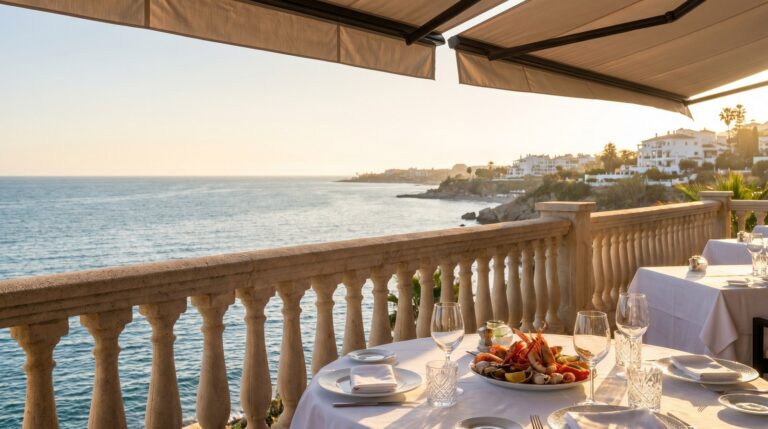
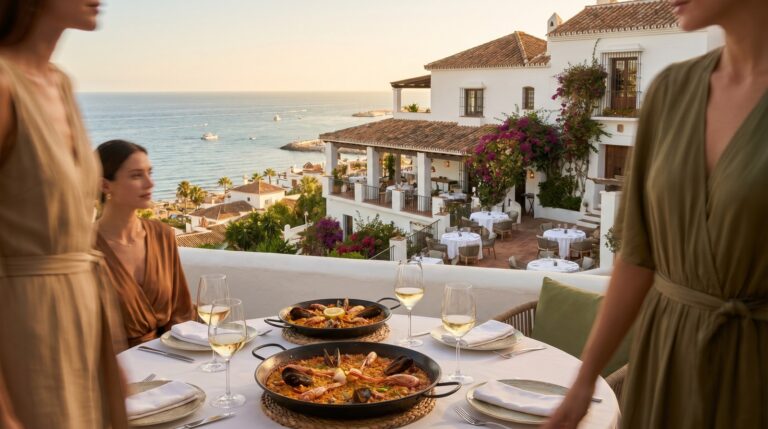
Sotogrande’s restaurant landscape reflects its international community: you’ll find everything from traditional Andalusian tapas to Japanese fusion, Italian trattorias, and modern European fine dining. The emphasis is on quality ingredients, relaxed elegance, and settings that take advantage of the climate—terraces, gardens, and open-air dining rooms.
Standout venues include:
- Trocadero Sotogrande: A beachfront institution serving grilled seafood, Iberian meats, and rice dishes in a laid-back, nautical setting. Expect fresh catch of the day, generous portions, and a crowd of regulars.
- L’Olive at La Reserva Club: Sophisticated Andalusian-European cuisine in a garden setting overlooking the golf course. The menu emphasises seasonal produce, local olive oils, and regional wines.
- Octógono at San Roque Club: Contemporary Mediterranean dining with a focus on presentation and technique, popular for post-golf lunches and celebratory dinners.
- Midas and KE at the marina: Both offer reliable, stylish dining with international menus and prime people-watching terraces.
- Gelato Badiani 1932: Authentic Florentine gelato, a favourite for families and a sweet end to marina strolls.
For those seeking Michelin-calibre experiences, a short drive to Marbella opens access to starred restaurants like Dani García’s establishments and Skina—explore our Michelin-star dining guide for details.
Family Life and International Schools
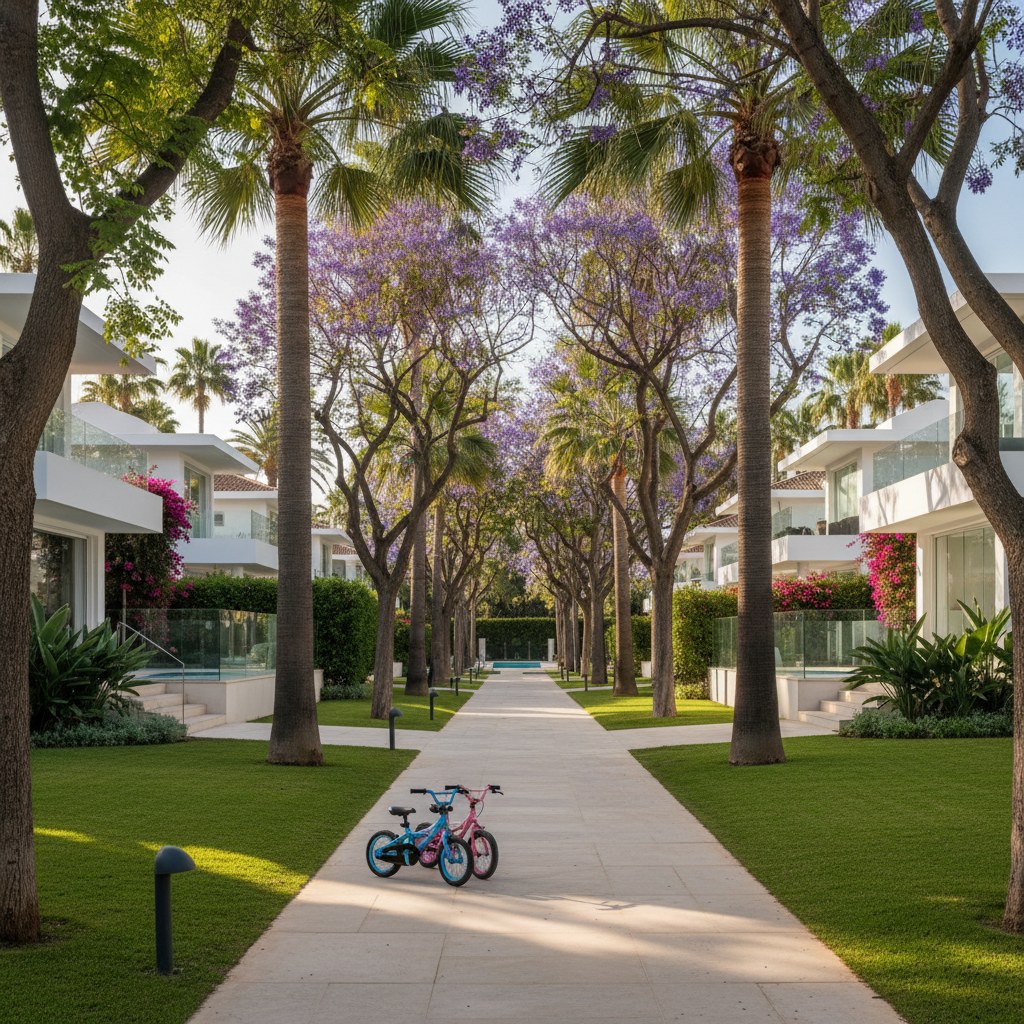
Sotogrande has cultivated a strong reputation as a family-friendly environment, attracting expatriate families from across Europe, particularly Britain, Scandinavia, and the Netherlands. The appeal rests on several pillars: safety, outdoor lifestyle, international education, and a community of like-minded families.
The flagship educational institution is Sotogrande International School, a private British curriculum school offering education from Early Years through Sixth Form, culminating in A-Levels and the International Baccalaureate. The school’s campus includes modern facilities, sports fields, and a diverse student body representing over 50 nationalities. Many families relocate to Sotogrande specifically to access this school, creating a cohesive international community.
For younger children, several nurseries and pre-schools operate in the area, often offering bilingual Spanish-English programmes. The broader educational landscape in the region includes other international schools in nearby Estepona and San Roque, providing options for different curricula and age ranges.
Beyond academics, children growing up in Sotogrande benefit from access to junior sports programmes: golf academies, tennis and padel coaching, sailing schools, pony clubs, and polo instruction. The La Reserva Sports Academy offers structured programmes across multiple sports, fostering both recreational participation and competitive development.
The environment is inherently outdoor-oriented—families cycle between home, beach, and club; children play in safe, green spaces; and the pace of life encourages physical activity and time in nature. It’s a lifestyle that appeals to those seeking an alternative to urban schooling in London, Brussels, or Zurich, without sacrificing educational quality or international connectivity.
Sports and Recreation Beyond Golf and Polo
While golf and polo dominate Sotogrande’s sporting identity, the community supports a comprehensive range of athletic pursuits. The La Reserva Club facilities include:
- Tennis and Padel: Four clay tennis courts and five glass-walled padel courts, with coaching available for all levels. Padel has exploded in popularity across Spain, and Sotogrande’s courts are consistently booked.
- Beach volleyball and multi-sport courts: Casual games and organised leagues run throughout the summer.
- Fitness centre and spa: Modern gym equipment, group classes (yoga, Pilates, spinning), and wellness treatments.
- Watersports lagoon: Stand-up paddleboarding, kayaking, and swimming in a controlled, family-safe environment.
Cycling is another popular pursuit, with quiet roads winding through the Sotogrande estate and beyond into the Parque Natural de Los Alcornocales, one of Europe’s largest cork oak forests. Road cyclists tackle climbs into the Sierra de Grazalema, while mountain bikers explore forest trails and rural tracks.
The marina hosts regular sailing regattas and yacht races during the summer season, and several sailing schools offer courses for children and adults. For those interested in exploring the Strait of Gibraltar, guided whale and dolphin watching excursions depart from nearby Tarifa, where resident pods of pilot whales, orcas, and dolphins can often be observed.
Seasonal Rhythms and Social Calendar
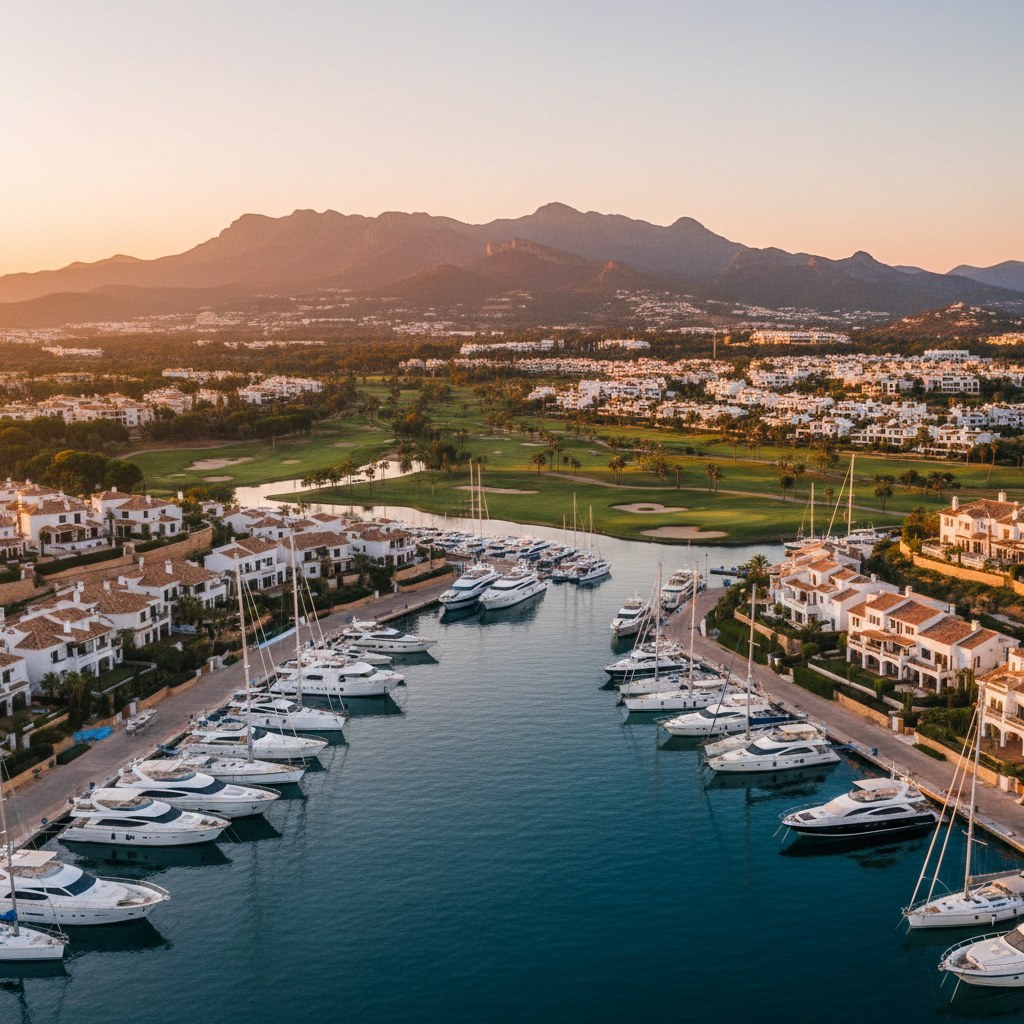
The Sotogrande lifestyle follows a distinct seasonal rhythm. July and August mark the social peak, when the polo tournament draws international visitors, the marina buzzes with activity, and beach clubs operate at full capacity. Families arrive from northern Europe for extended summer holidays, and the community swells with temporary residents.
Spring (April to June) and autumn (September to October) offer ideal conditions for golf, with milder temperatures, fewer crowds, and lush greenery following winter rains. These shoulder seasons appeal to those seeking a quieter, more authentic experience of Sotogrande’s lifestyle without the summer intensity.
Winter sees the community contract to its core of year-round residents, creating a more intimate, village-like atmosphere. Temperatures remain mild—daytime highs typically reach 16-18°C—and the golf courses, restaurants, and marina continue to operate, albeit at a gentler pace. For insights into Costa del Sol’s winter appeal, read our guide to Marbella in winter.
Key annual events beyond the polo tournament include the Sotogrande Sailing Week, various golf championships, equestrian competitions, and cultural festivals in neighbouring towns like San Roque and Castellar de la Frontera.
Day Trips and Regional Exploration
Sotogrande’s location at the confluence of Costa del Sol, Costa de la Luz, and the Strait of Gibraltar creates exceptional opportunities for day trips and cultural excursions. Gibraltar, just 20 kilometres away, offers a fascinating blend of British and Mediterranean culture, duty-free shopping, the famous Rock and Barbary macaques, and dramatic views across to Africa. Our comprehensive Gibraltar attractions guide details the essential sights.
Tarifa, Europe’s southernmost point, lies 40 kilometres southwest. This bohemian surf town is renowned for kitesurfing (consistent Levante and Poniente winds), whitewashed Moorish architecture, and ferry connections to Tangier, Morocco. The old town’s narrow streets, artisan shops, and seafood restaurants offer a starkly different atmosphere from Sotogrande’s manicured elegance.
Inland, the white villages (pueblos blancos) of Cádiz province—Castellar de la Frontera, Jimena de la Frontera, Gaucín—perch on hillsides surrounded by cork oak forests and olive groves. These villages retain an authentic Andalusian character, with medieval castles, ceramic workshops, and family-run taverns serving local specialities.
The sherry triangle of Jerez de la Frontera (75 kilometres) offers bodega tours, flamenco performances, and the Royal Andalusian School of Equestrian Art. Cádiz (100 kilometres), one of Europe’s oldest continuously inhabited cities, enchants with Phoenician history, golden-age architecture, and a vibrant tapas culture.
Why Marbella Hospitality Is Your Sotogrande Connection
Whether you’re seeking a luxury villa rental in Sotogrande, arranging golf tee times at Valderrama, or planning a yacht charter from the marina, Marbella Hospitality’s concierge services extend seamlessly across the western Costa del Sol. Our team maintains close relationships with Sotogrande’s most exclusive clubs, properties, and service providers, ensuring privileged access and personalised arrangements.
From villa selection and booking to golf reservations, private transfers, chef services, and event planning, we handle every detail with the discretion and attention that Sotogrande’s lifestyle demands. Our local expertise means you benefit from insider knowledge—which courses suit your game, which restaurants to book months ahead, when to visit for polo, and how to navigate the community’s private club culture.
Planning Your Sotogrande Experience
Sotogrande rewards those who approach it with the right expectations. This is not a destination for nightlife, shopping arcades, or high-energy beach parties—for that, Marbella and Puerto Banús excel. Instead, Sotogrande offers something increasingly rare: space, privacy, world-class sport, and a lifestyle built around outdoor pursuits and family time.
The ideal Sotogrande visit spans several days, allowing time to play golf, watch polo, explore the marina, enjoy beach club lunches, and venture into the surrounding region. Many visitors combine a Sotogrande villa rental with time in Marbella, experiencing the best of both worlds: Marbella’s dining, nightlife, and cultural attractions alongside Sotogrande’s sporting excellence and tranquil elegance.
Accommodation options range from luxury villas within gated communities (often with private pools, golf course views, and access to club facilities) to apartments near the marina and boutique hotels in San Roque. For villa rentals, booking well in advance is essential, particularly for summer weeks coinciding with the polo tournament.
If Sotogrande’s blend of championship golf, equestrian sport, marina life, and international community resonates with your vision of Costa del Sol living, contact our team to begin planning your visit. We’ll craft a bespoke itinerary that captures the essence of the Sotogrande lifestyle while ensuring every detail reflects your preferences and standards.