Marbella is more than a sun-soaked resort town—it’s a layered tapestry of Phoenician heritage, Moorish architecture, world-class golf, and modern glamour that has captivated royalty, artists, and discerning travellers for decades. Whether you’re planning your first visit or you’re a seasoned resident exploring deeper, these thirty carefully curated facts about Marbella reveal the character, history, and hidden dimensions that make this Costa del Sol jewel genuinely exceptional.
Geography and Climate: Why Marbella Enjoys Year-Round Appeal
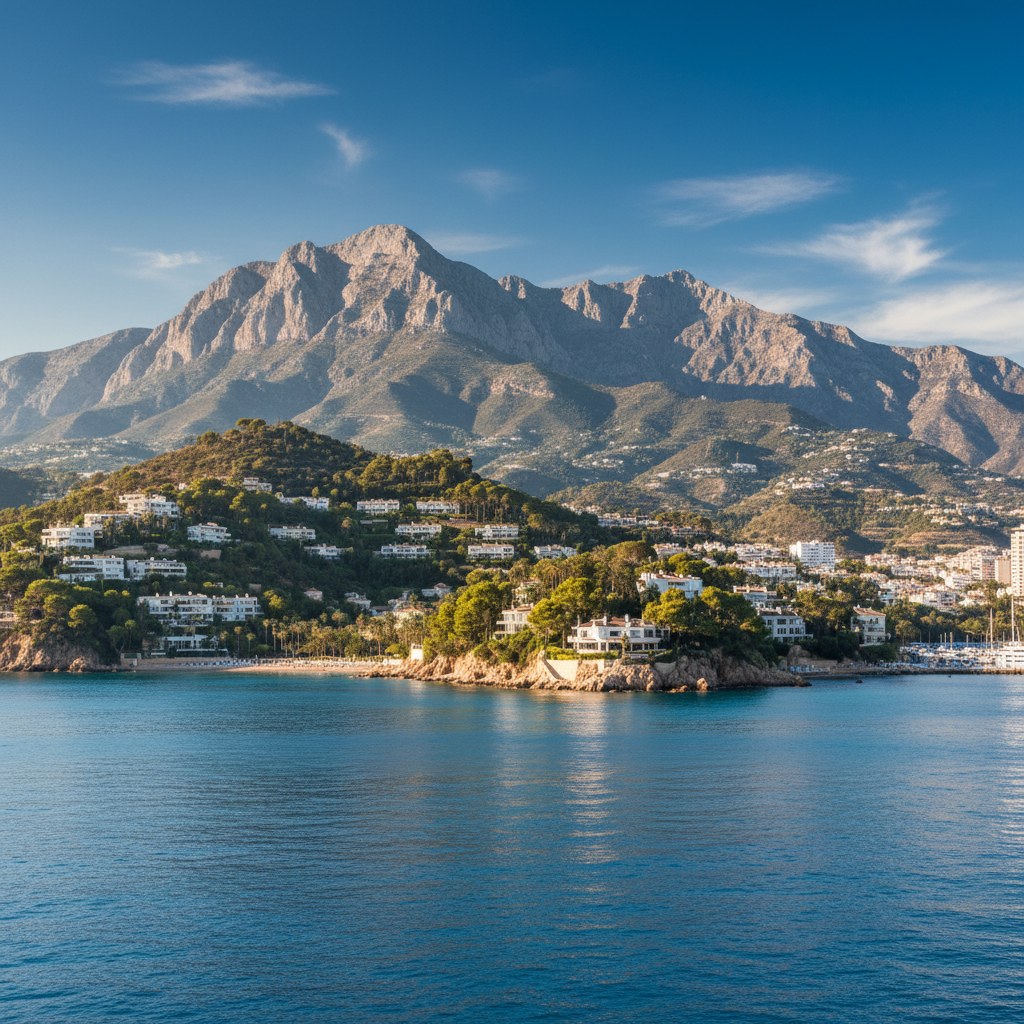
Marbella sits within the province of Málaga, in the autonomous community of Andalusia, sheltered by the Sierra Blanca mountain range to the north. This natural barrier creates a unique microclimate that blocks cold northerly winds and delivers more than 320 days of sunshine annually—one of the highest averages in Europe. Winters are mild and occasionally wet, while summers are hot, dry, and tempered by sea breezes.
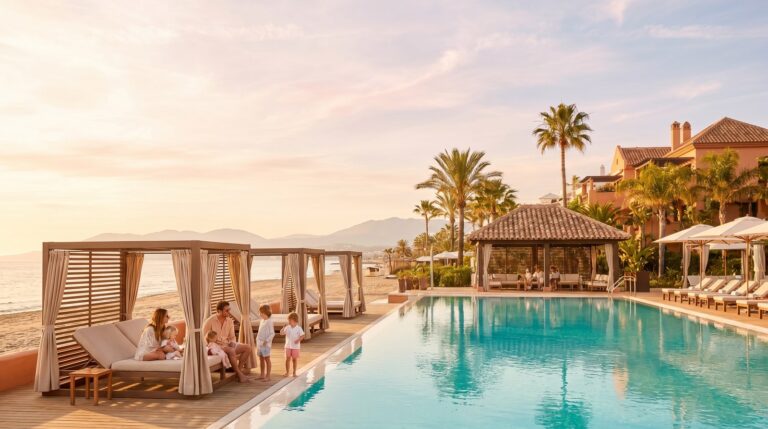
The city commands 27 kilometres of Mediterranean coastline, stretching from Cabopino in the east to San Pedro de Alcántara in the west. This generous shoreline includes everything from family-friendly sandy stretches to exclusive beach clubs where VIP table bookings are the norm. The combination of mountain backdrop and coastal exposure makes Marbella visually dramatic and climatically privileged.
Insider tip: The microclimate means you can ski in the Sierra Nevada and swim in the Mediterranean on the same winter day—a feat few European destinations can claim.
Ancient Roots: From Phoenician Settlement to Moorish Jewel
Marbella’s recorded history begins in the 7th century BC, when Phoenician traders founded a settlement they called Salduba. Over the centuries, Romans, Visigoths, and Moors each left their mark. The Moors, who ruled for nearly eight centuries, gave the city much of its architectural DNA—the whitewashed walls, interior courtyards, and intricate tilework still visible in the Casco Antiguo (Old Town).
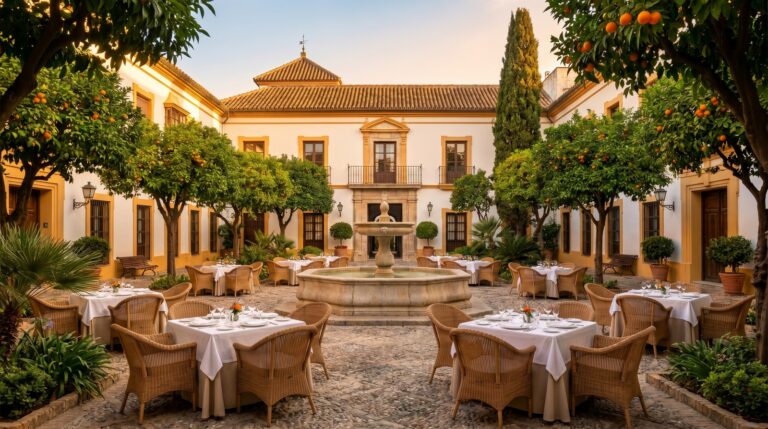
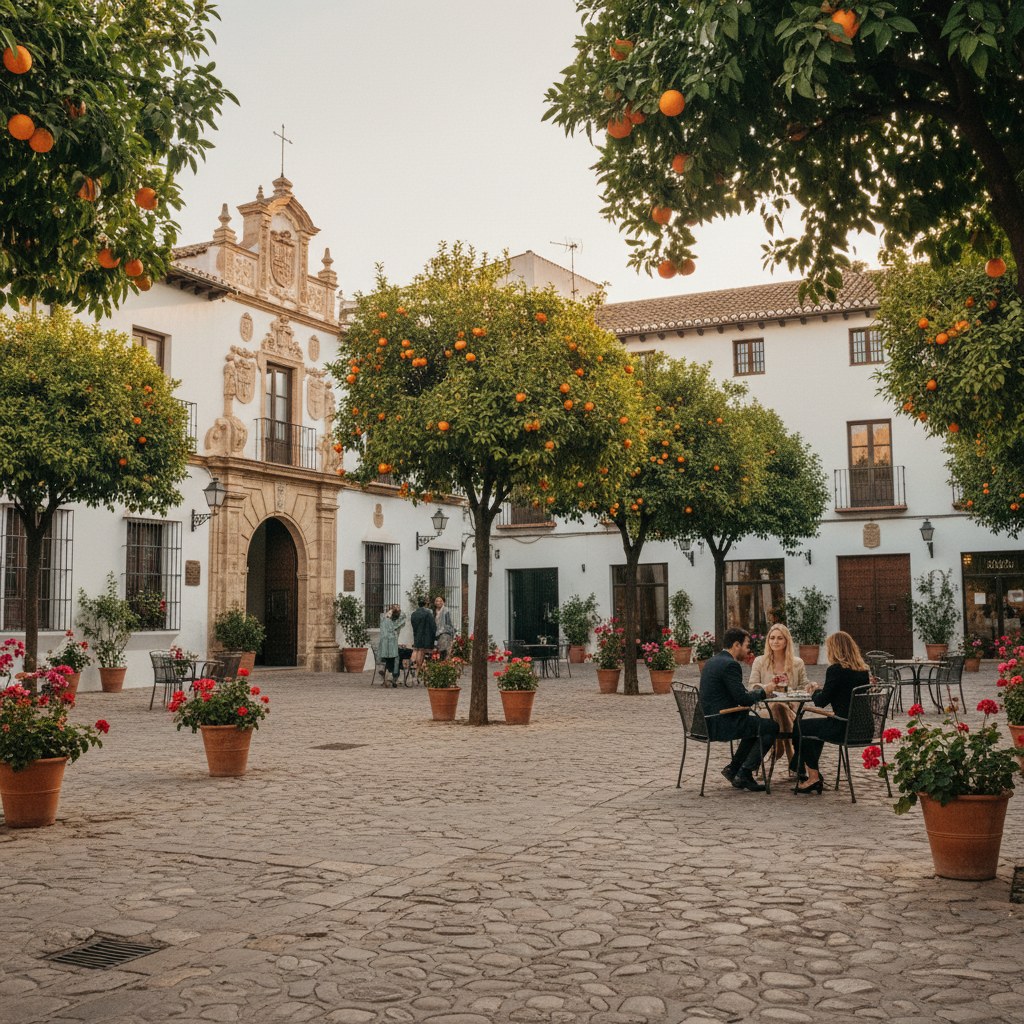
In 1485, the Catholic Monarchs conquered Marbella, ending Moorish rule in the region. The Plaza de los Naranjos (Orange Square), planted with fragrant orange trees, became the civic heart of the newly Christian town. Today, this square remains one of Marbella’s most enchanting spaces, surrounded by the 16th-century town hall and the Church of Santa María la Mayor, built atop the foundations of a former mosque.
Modern Transformation: How Prince Alfonso Put Marbella on the Map
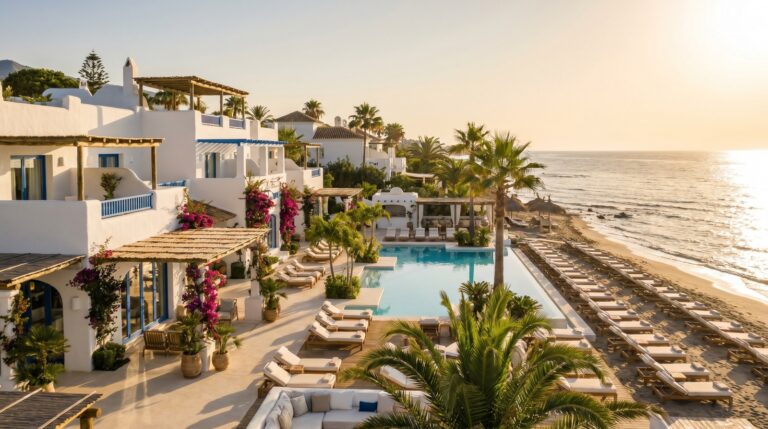
The turning point came in the 1950s when Prince Alfonso von Hohenlohe, an Austrian aristocrat, fell in love with Marbella’s unspoiled coastline. In 1954, he founded the Marbella Club, a low-rise, bougainvillea-draped resort that attracted European royalty, Hollywood stars, and the international jet set. This single property transformed Marbella from a quiet fishing village into a byword for Mediterranean luxury.
The success of the Marbella Club catalysed the development of the Golden Mile—a stretch of coastline between Marbella and Puerto Banús lined with palatial villas, five-star hotels, and Michelin-starred restaurants. Today, the area remains one of Europe’s most exclusive addresses, and luxury villa rentals here command premium rates year-round.
Puerto Banús: The Marina That Redefined Coastal Glamour
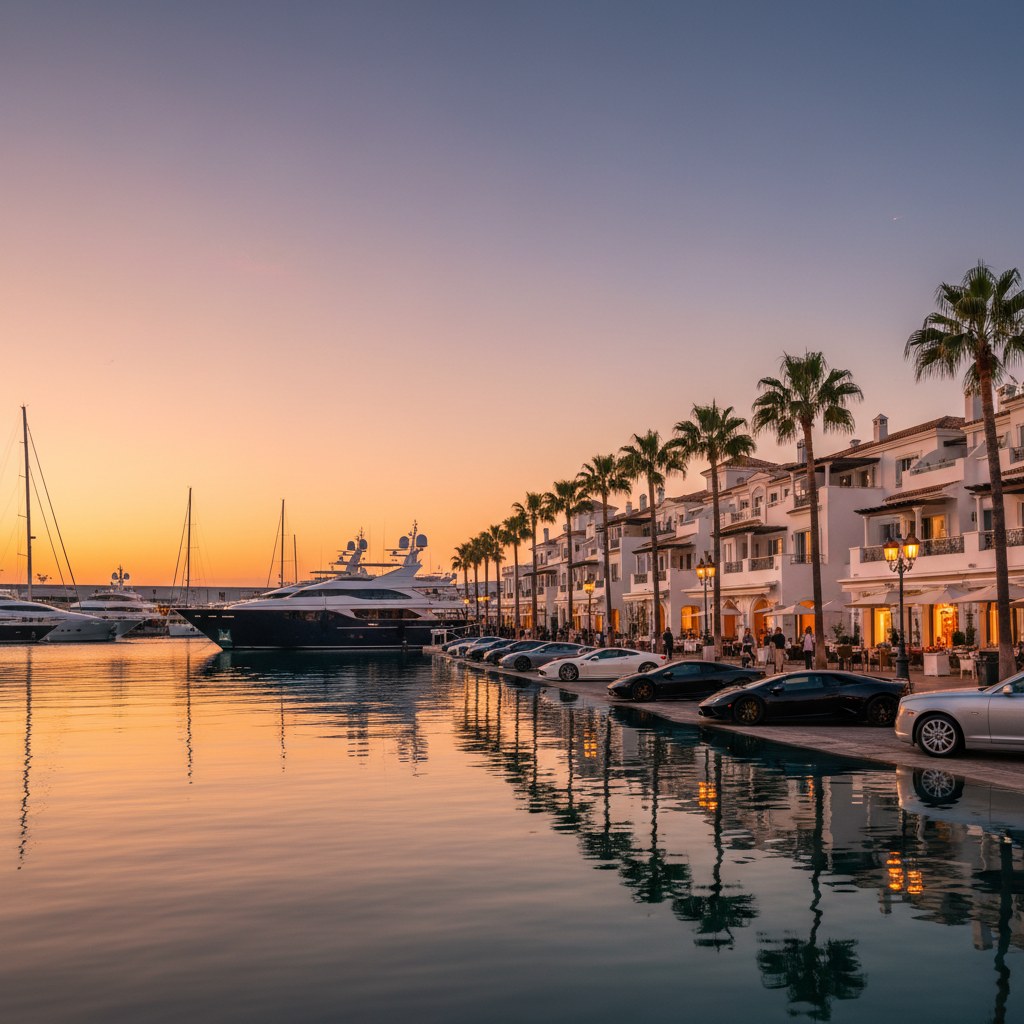
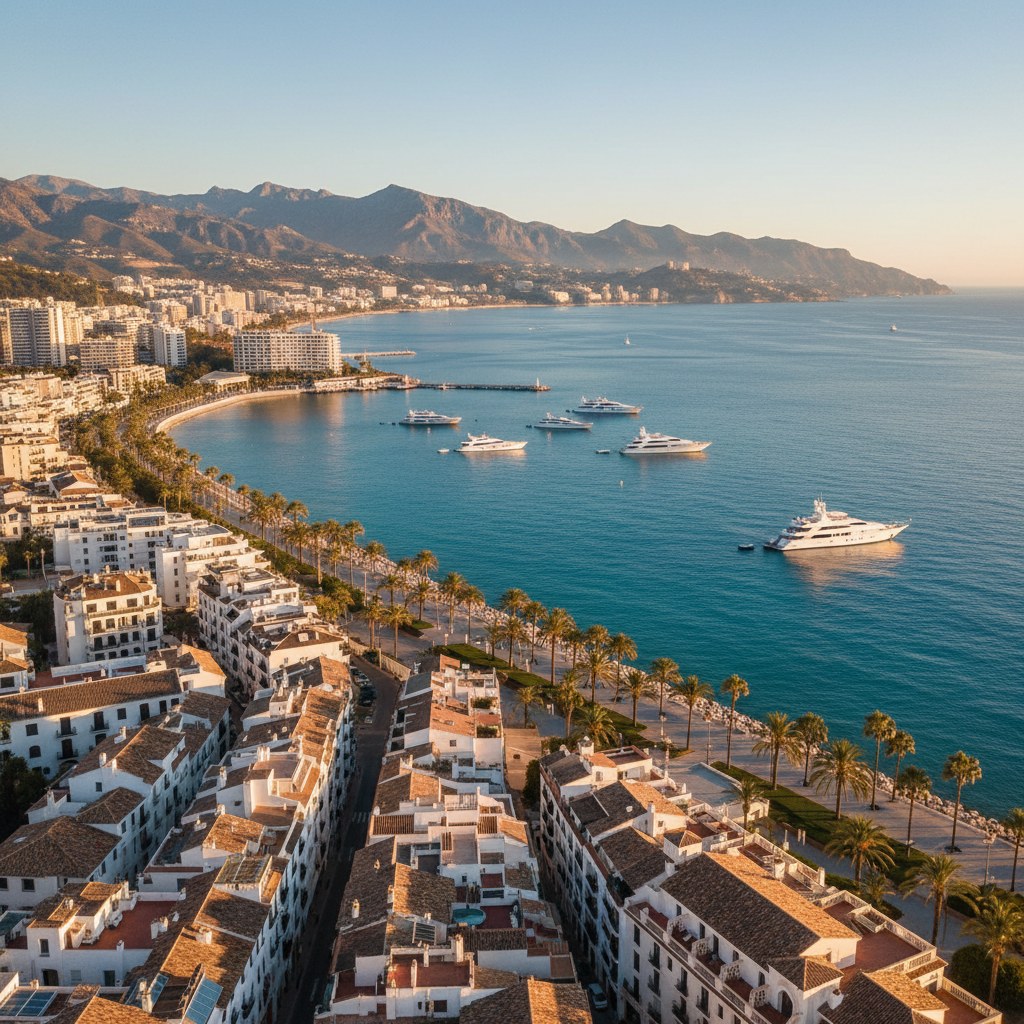
Opened in 1970, Puerto Banús was conceived by developer José Banús as a purpose-built luxury marina. Its crescent of whitewashed Andalusian-style buildings, designer boutiques (Dior, Hermès, Louis Vuitton), and waterfront restaurants quickly became a magnet for superyachts and supercar enthusiasts. On any given summer evening, you’ll see Ferraris, Lamborghinis, and Rolls-Royces parading along the promenade.
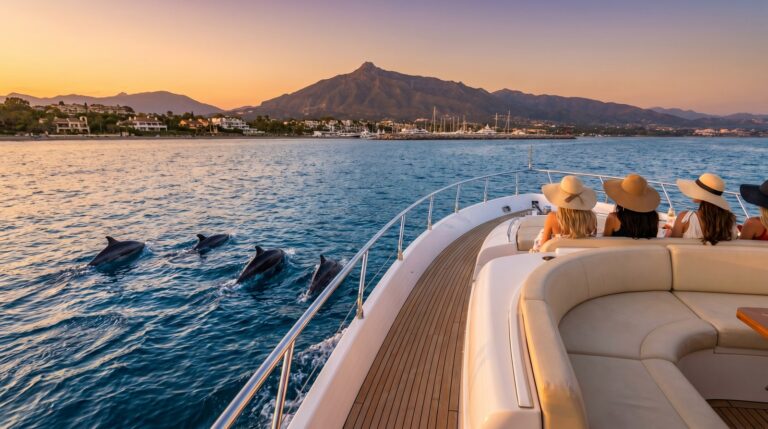
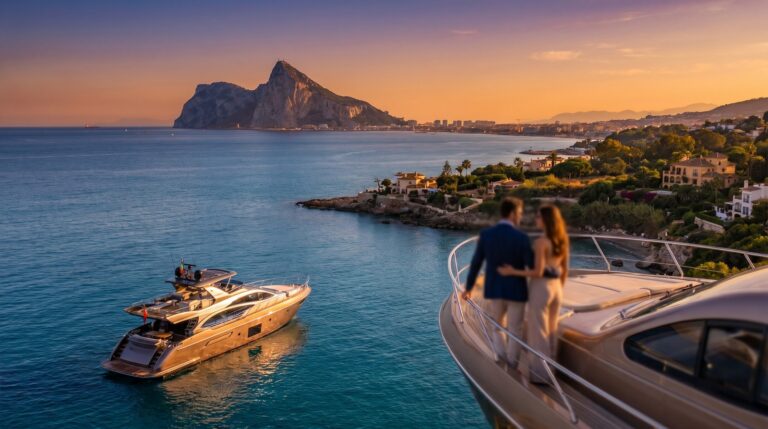
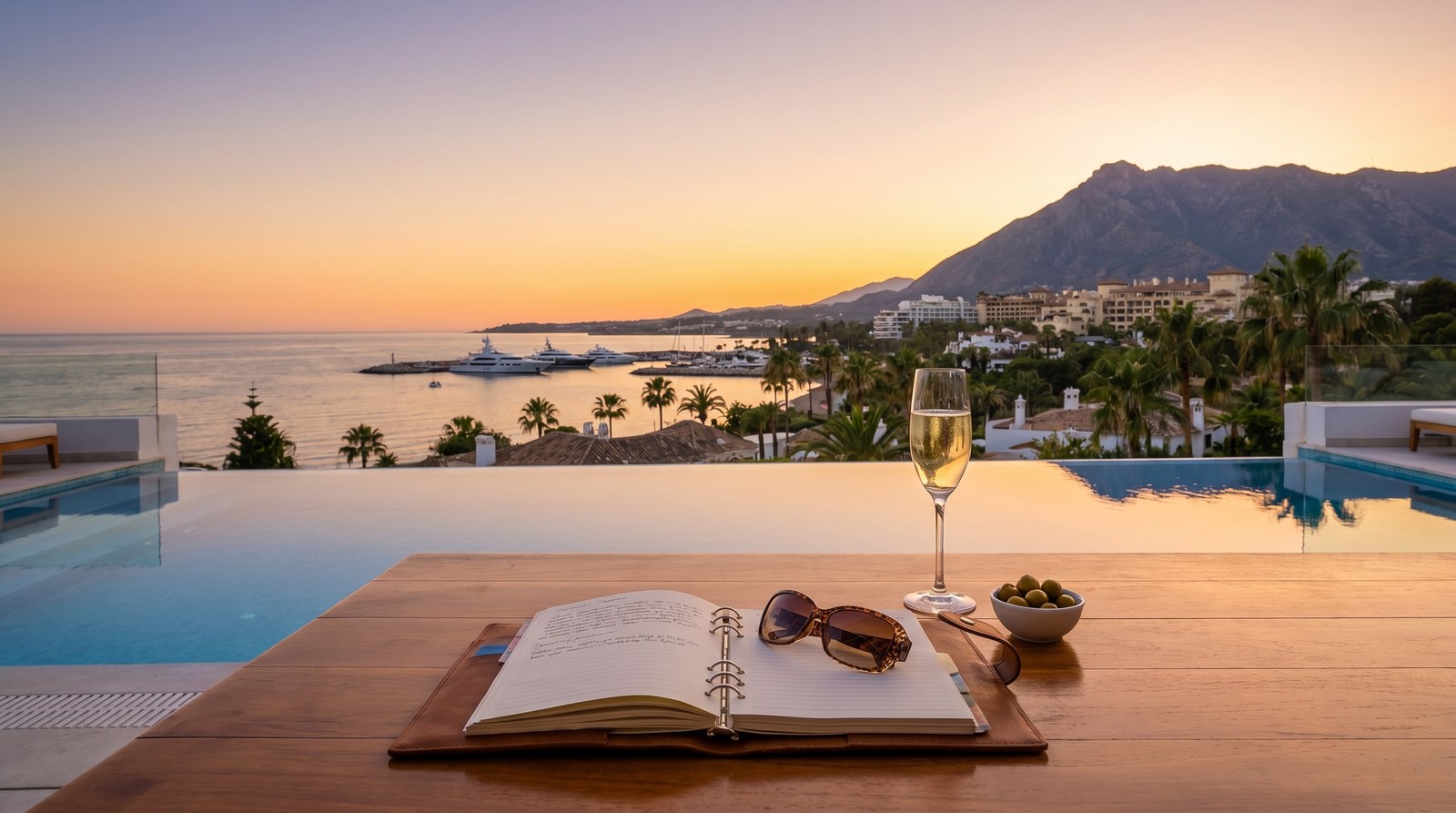
The marina berths some of the world’s largest private yachts—vessels exceeding 80 metres are common sights. For those seeking a taste of this lifestyle, yacht charters through Marbella Hospitality offer skippered day trips, sunset cruises, and multi-day itineraries along the Costa del Sol and beyond.
Golf: The Costa del Golf Phenomenon
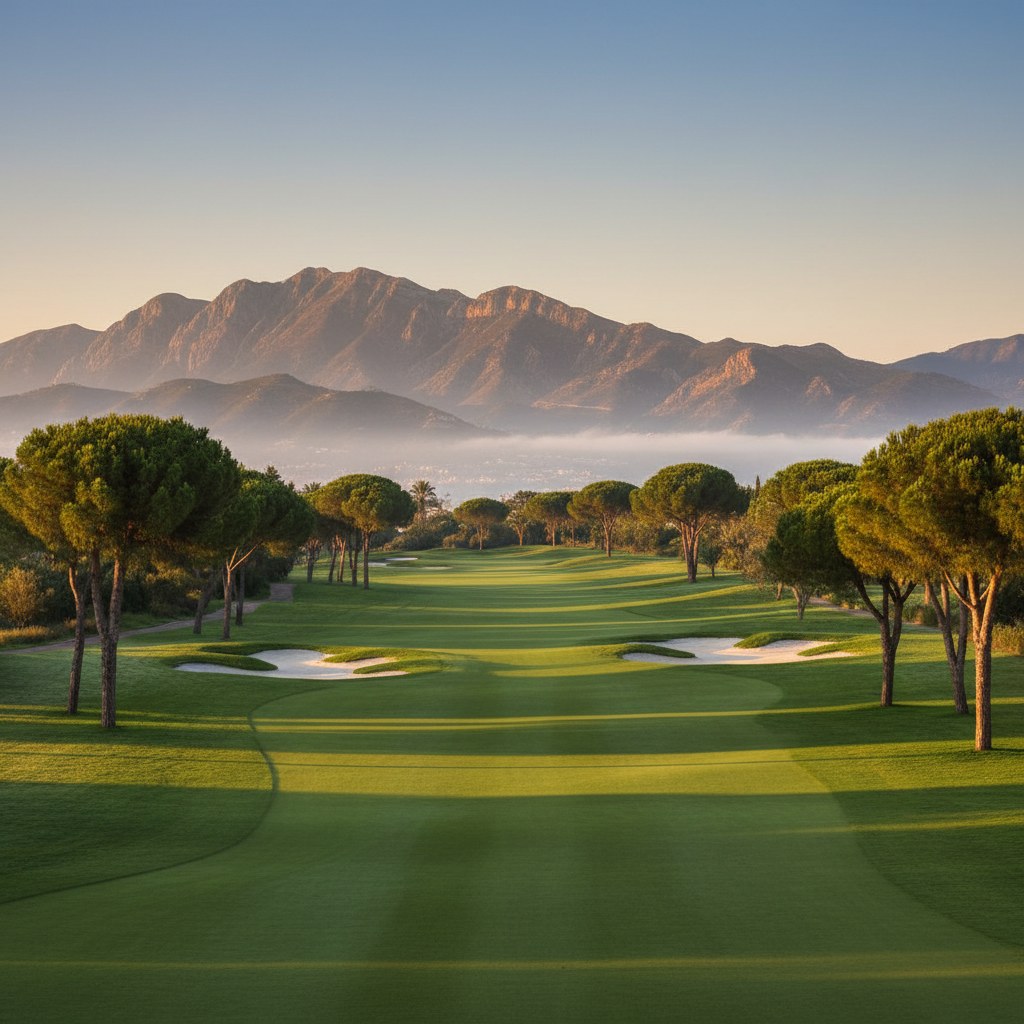
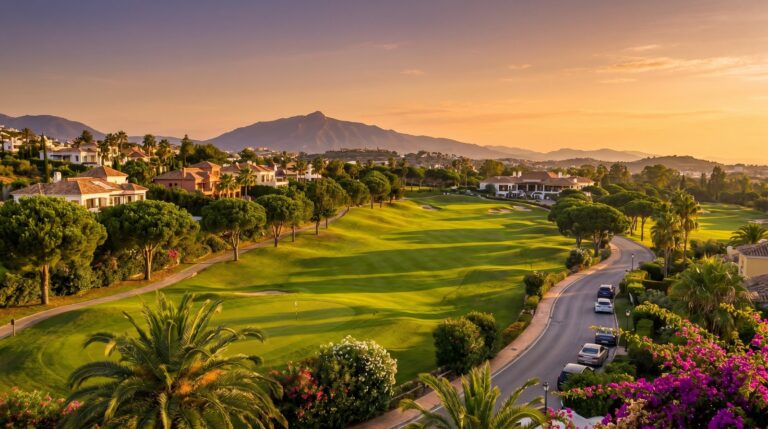
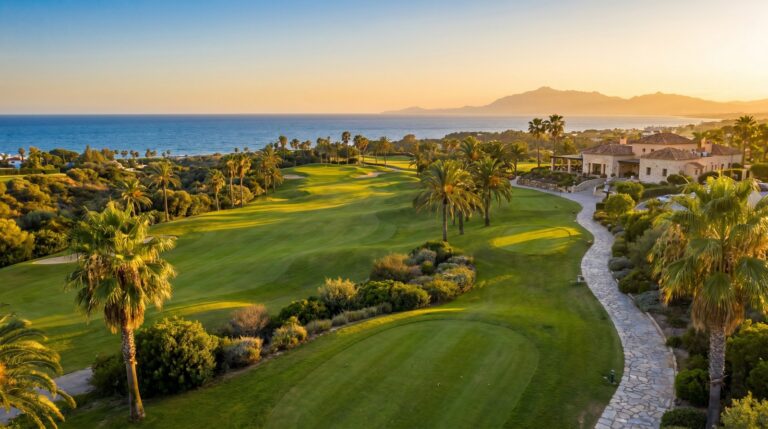
Marbella and its immediate surroundings boast more than 33 golf courses, earning the region its nickname Costa del Golf. Courses like Valderrama (host of the 1997 Ryder Cup), Los Naranjos, and Aloha Golf Club are revered by players worldwide. The year-round sunshine and varied terrain—from coastal links to mountain-framed parkland—make this one of Europe’s premier golfing destinations.
Many courses were designed by legends like Robert Trent Jones and Dave Thomas, and several are embedded within gated residential communities such as La Zagaleta, where membership and property ownership go hand in hand. Golf tourism accounts for a significant share of Marbella’s high-end visitor economy.
Population and Cosmopolitan Character
Marbella’s official population hovers around 150,000, making it the second-largest city in Málaga province after the capital. However, this figure swells considerably in summer and doesn’t fully capture the city’s international flavour. Expatriates from the UK, Scandinavia, Germany, Russia, and the Middle East have settled here, drawn by the climate, lifestyle, and favourable tax environment.
This cosmopolitan mix is reflected in the city’s international schools—including the British International School of Marbella and Aloha College—making it an attractive base for families. The diversity also enriches the dining scene, where you’ll find everything from traditional Andalusian chiringuitos to Japanese omakase counters and Levantine mezze bars.
Art, Culture, and Festivals
Marbella’s cultural calendar is surprisingly rich for a resort town. The Ralli Museum, housed in a striking modernist building, showcases contemporary Latin American and European art, including works by Dalí and Chagall. Public sculptures by Salvador Dalí and Eduardo Soriano punctuate the Avenida del Mar, the palm-lined promenade connecting the Old Town to the beach.
Annual events include the Marbella International Film Festival, which since 2006 has spotlighted independent cinema, and the Starlite Festival, a summer-long series of concerts held in a quarry venue near Nagüeles. Past performers have included Enrique Iglesias, Tony Bennett, and Sting. The traditional Feria de San Bernabé in June transforms the city into a week-long celebration of flamenco, horses, and Andalusian dress.
Gastronomy: From Chiringuitos to Michelin Stars
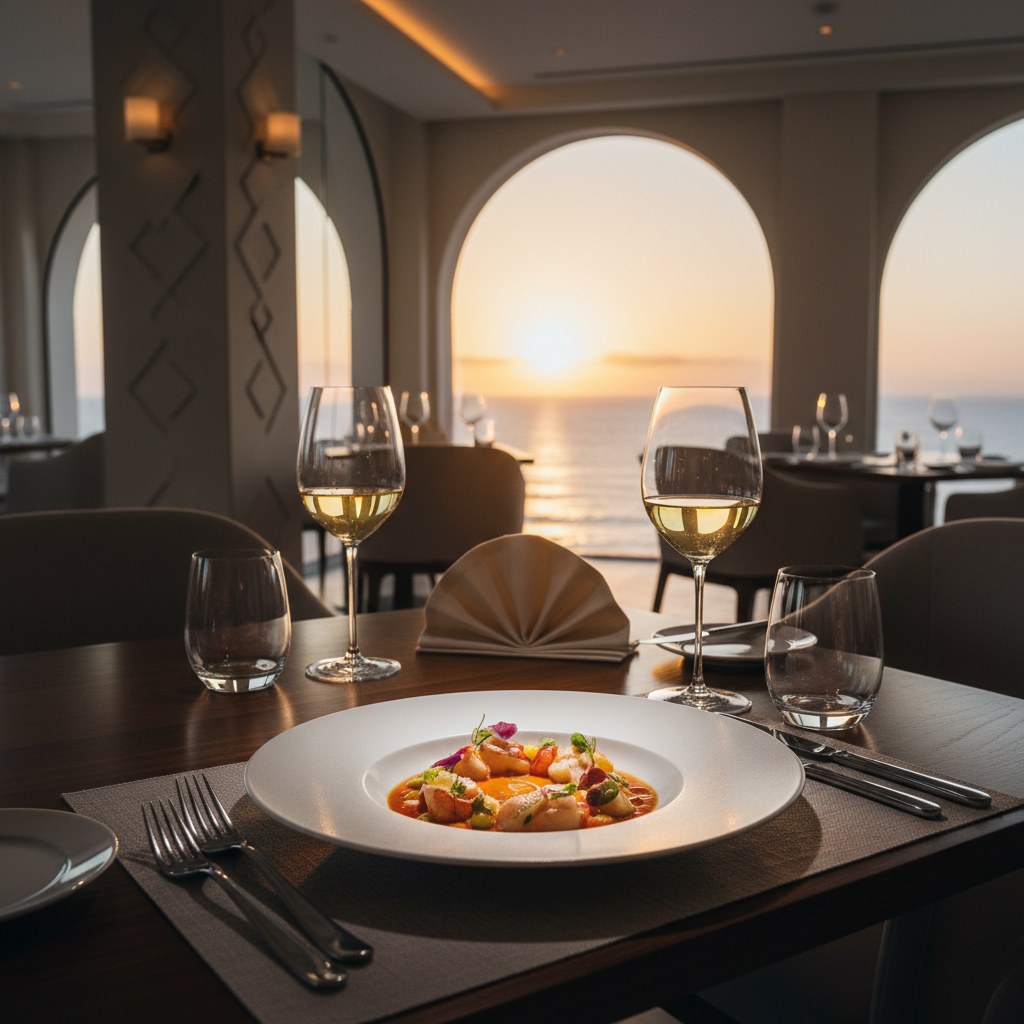
Marbella’s culinary landscape spans the full spectrum. At the casual end, beachfront chiringuitos serve grilled sardines on espetos, fresh anchovies, and icy tinto de verano. In the Old Town, tapas bars like El Estrecho and Taberna La Niña del Pisto offer authentic Andalusian flavours in centuries-old settings.
At the fine-dining tier, Marbella holds multiple Michelin stars. Dani García’s Smoked Room (two stars), Skina (two stars), and Messina (one star) are culinary destinations in their own right, blending Andalusian ingredients with avant-garde technique. The city’s gastronomic reputation continues to grow, attracting chefs and food-focused travellers from across Europe.
Natural Landscapes and Outdoor Pursuits
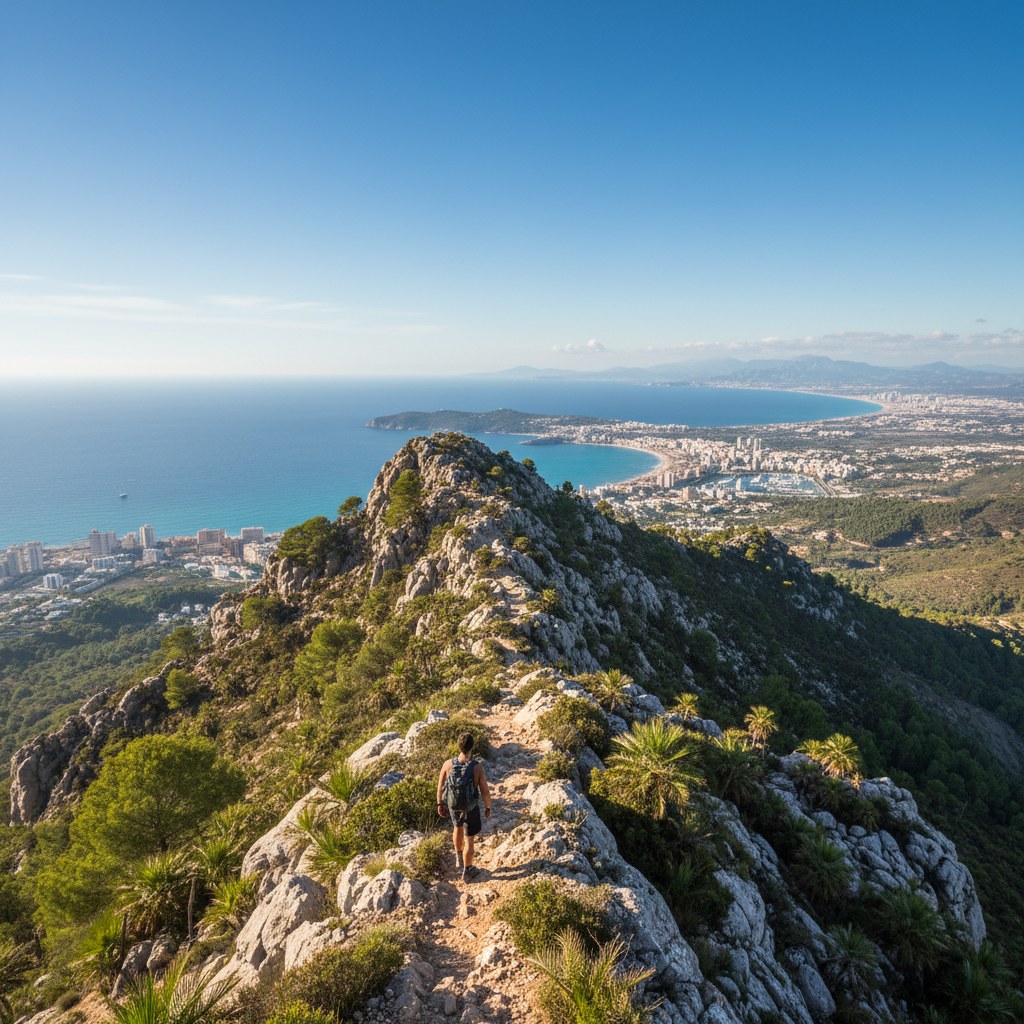
Beyond the beaches, Marbella offers exceptional natural terrain. The La Concha mountain (1,215 metres) looms directly behind the city and is a popular hiking destination—the summit trail rewards climbers with panoramic views from Gibraltar to the Rif Mountains of Morocco. The nearby Sierra de las Nieves, recently upgraded to National Park status, is a UNESCO Biosphere Reserve known for its endemic pinsapo firs and diverse birdlife.
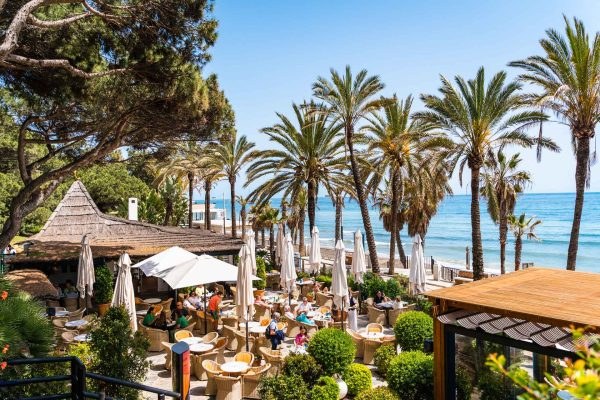
Other green spaces include the Alameda Park in central Marbella, a lush garden filled with exotic palms, ceramic-tiled benches, and fountains—a serene counterpoint to the city’s high-energy beach clubs. For those interested in bonsai cultivation, the Museo del Bonsai houses one of Europe’s largest collections, with more than 300 specimens from Japan, China, and beyond.
Connectivity and Infrastructure
Marbella is exceptionally well connected. The A-7 coastal highway (formerly N-340) links the city to Málaga in the east and Estepona, Sotogrande, and Gibraltar to the west. The parallel AP-7 toll motorway offers a faster, less congested route for longer journeys. Málaga-Costa del Sol Airport, located approximately 50 kilometres northeast, is Spain’s fourth-busiest, with year-round flights to major European cities and seasonal connections to the Middle East and North America.
Local transport includes an extensive municipal bus network and private transfer services. For those seeking a more exclusive arrival, Marbella Hospitality’s chauffeur service provides seamless airport pickups in luxury sedans and SUVs, ensuring your journey begins the moment you land.
Exclusive Residential Enclaves
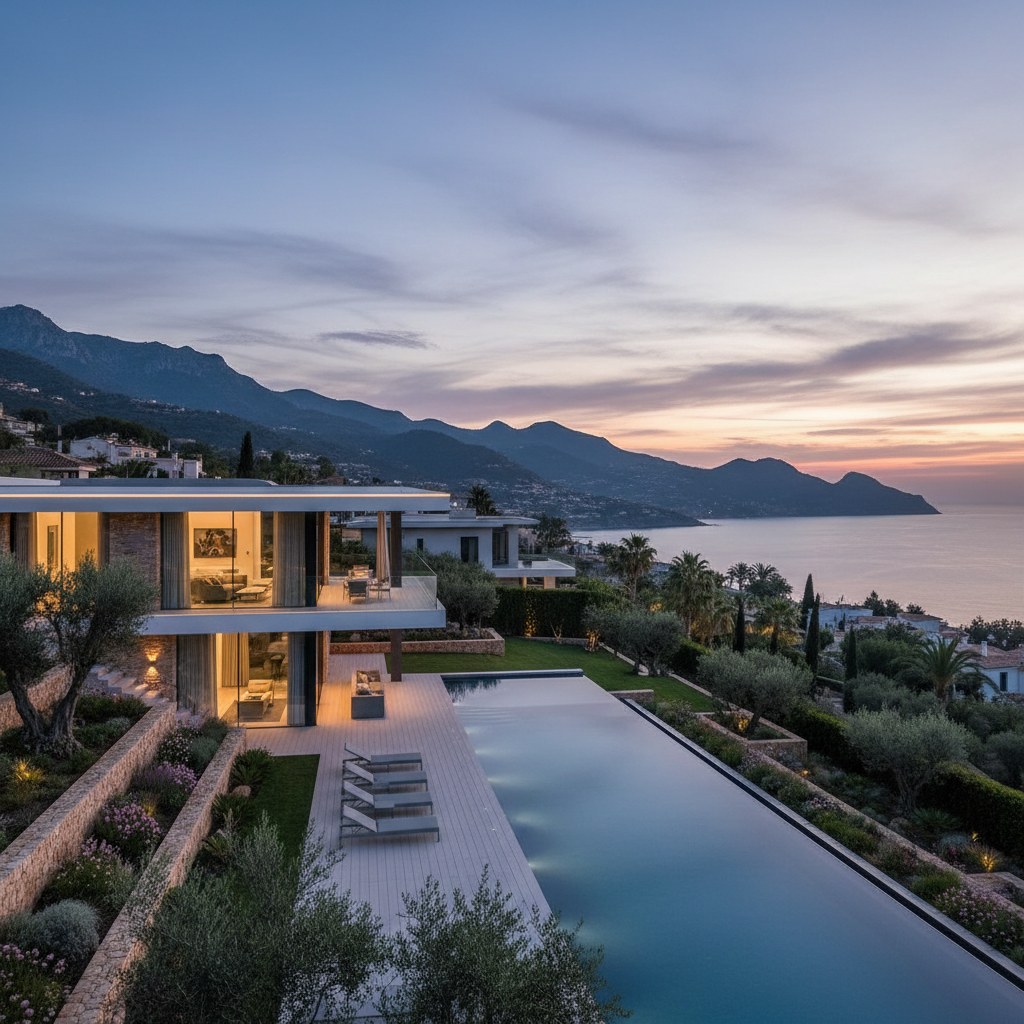
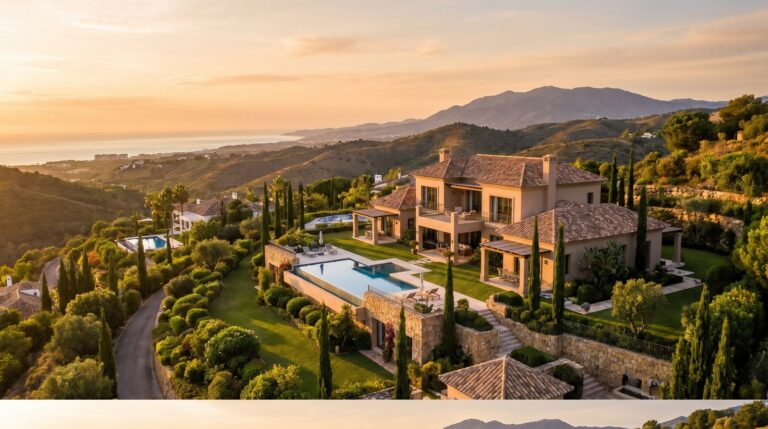
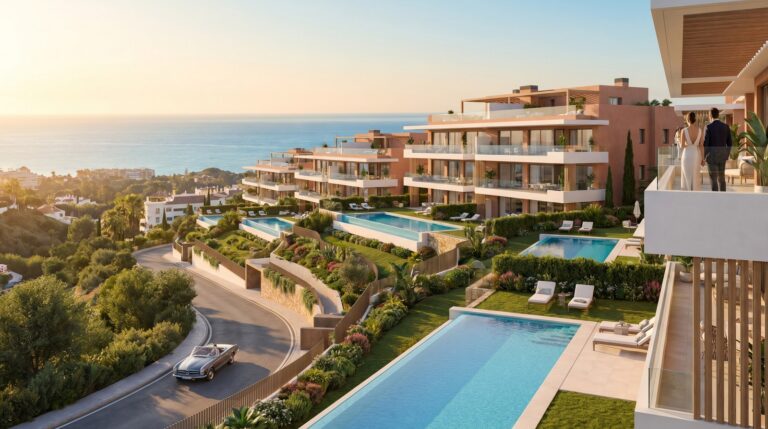
Marbella is home to some of Europe’s most exclusive gated communities. La Zagaleta, sprawling across 900 hectares in the hills above the coast, is arguably the most elite, with two private golf courses, 24-hour security, and multi-million-euro villas owned by royalty, tech magnates, and financiers. Other sought-after areas include Sierra Blanca, Cascada de Camoján, and the Golden Mile itself.
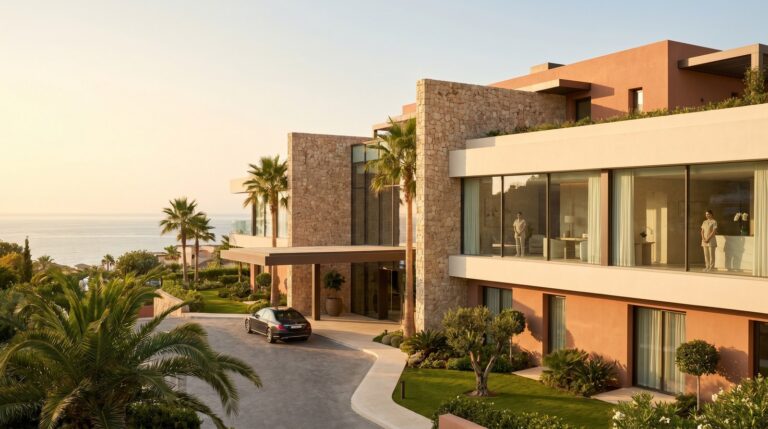
For travellers, this translates into an exceptional selection of luxury villa rentals—properties with infinity pools, home cinemas, wine cellars, and staff quarters. Whether you’re hosting a family reunion or a corporate retreat, Marbella’s villa market caters to the highest standards of privacy and service.
Nightlife and Beach Clubs
Marbella’s nightlife is legendary, particularly in summer when the city becomes a playground for the international elite. Beach clubs like Nikki Beach, Ocean Club, and Sala Beach transform from daytime lounges into evening party venues, with resident DJs, live performances, and champagne service. Securing a prime table often requires advance booking—VIP table reservations through a trusted concierge ensure you’re positioned at the heart of the action.
Inland, Puerto Banús offers late-night clubs like Olivia Valere and Suite, where the dress code is strict and the clientele international. For a more relaxed vibe, the Old Town’s Plaza de los Naranjos and surrounding lanes are dotted with wine bars and cocktail lounges that stay open until the early hours.
Architectural and Historical Landmarks
Beyond the Old Town, Marbella’s architectural heritage includes several notable sites. The Sohail Castle in nearby Fuengirola, a 10th-century Moorish fortress, offers sweeping views and hosts summer concerts. The Church of Santa María la Mayor, with its blend of Gothic and Mudéjar styles, stands as a testament to the city’s layered past. The Museo del Grabado Español Contemporáneo, housed in a restored Renaissance hospital, displays works by Picasso, Miró, and Tàpies.
These sites are often overlooked by beach-focused visitors, yet they provide essential context for understanding Marbella’s evolution from frontier town to luxury capital.
Economic Profile and Tourism
Tourism is the engine of Marbella’s economy, contributing the lion’s share of GDP and employment. Unlike mass-market coastal resorts, Marbella has positioned itself firmly in the luxury segment, attracting high-spending visitors who stay in five-star hotels, dine at premium restaurants, and charter yachts. This focus on quality over volume has preserved the city’s appeal and protected it from overdevelopment.
Real estate is the other pillar, with international buyers consistently seeking coastal and hillside properties. The combination of lifestyle, climate, and relative fiscal advantages (compared to northern Europe) sustains robust demand even during broader economic downturns.
Lesser-Known Gems and Insider Knowledge
Even seasoned Marbella visitors may not know that the city has a thriving equestrian scene, with several riding schools and polo clubs in the surrounding countryside. The Reserva Ecológica Ojén, just inland, offers guided nature walks and environmental education programs. The Mercado Municipal in the Old Town is where locals shop for produce, seafood, and charcuterie—visit on a Saturday morning for the full sensory experience.
Another hidden detail: Marbella’s beaches are cleaned daily during the summer season, and several hold Blue Flag status, certifying water quality and environmental management. This attention to detail extends across the city, from manicured roundabouts to impeccably maintained promenades.
Local insight: For the best anchovies in town, head to the Old Town’s Bar Altamirano—order them en vinagre (marinated) and pair with a cold manzanilla sherry.
Why Choose Marbella Hospitality for Your Stay
Navigating Marbella’s luxury landscape requires local expertise and trusted relationships. At Marbella Hospitality, we provide dedicated concierge support tailored to your preferences—whether that means securing a last-minute VIP table at Nikki Beach, arranging a private yacht charter to Marbella’s hidden coves, or sourcing a villa in La Zagaleta for your extended family. Our team’s deep knowledge and established partnerships ensure every detail is handled with precision, allowing you to experience Marbella at its very best.
- Exclusive access: Priority bookings at the city’s most sought-after venues and properties
- Personalised service: Every itinerary is built around your tastes, schedule, and group
- Local insight: Recommendations that go beyond guidebooks, informed by years of on-the-ground experience
- Seamless coordination: From airport transfers to event planning, we handle logistics so you don’t have to
Plan Your Marbella Experience
These thirty facts about Marbella only scratch the surface of what this remarkable city offers. Whether you’re drawn by history, gastronomy, outdoor adventure, or simply the promise of sun-drenched luxury, Marbella delivers on every front. The key to unlocking its full potential is preparation, local knowledge, and the right partnerships.
Ready to experience Marbella with insider access and bespoke service? Contact Marbella Hospitality today to start planning your stay. From villa selection to yacht charters, restaurant reservations to chauffeur services, we’ll craft an itinerary that reflects your vision of the perfect Marbella escape.