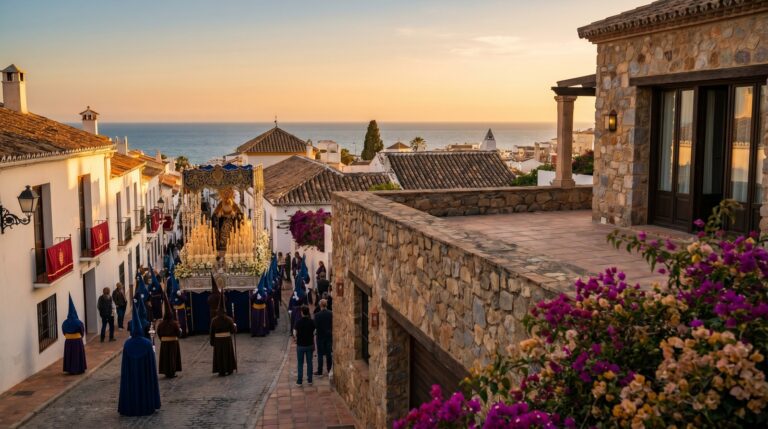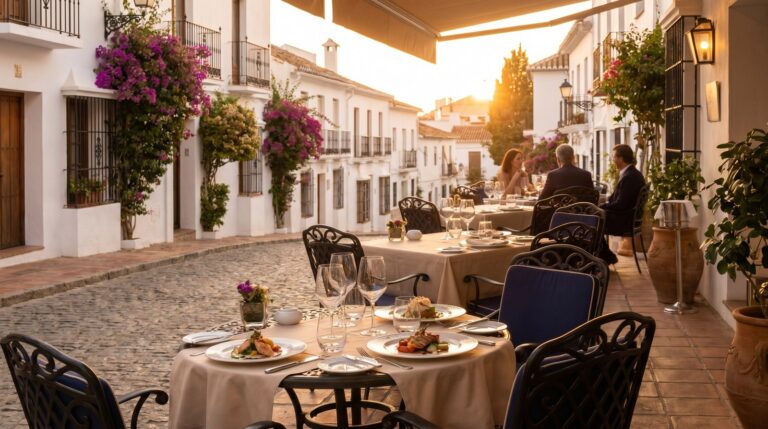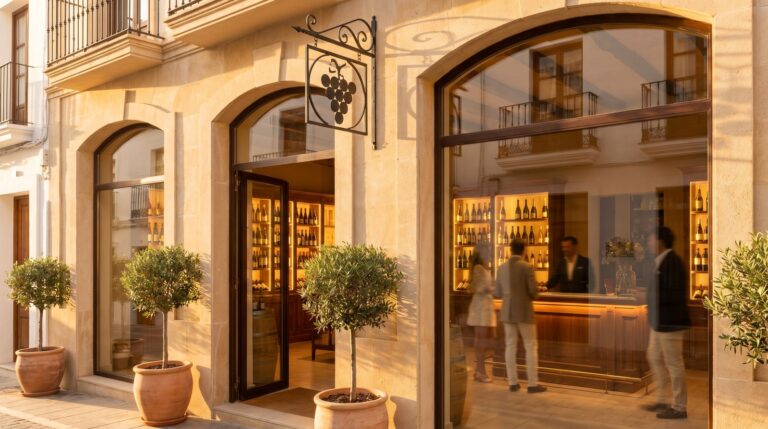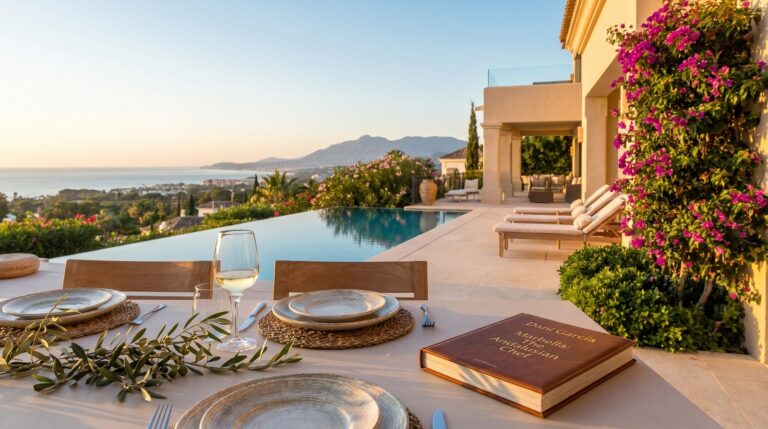
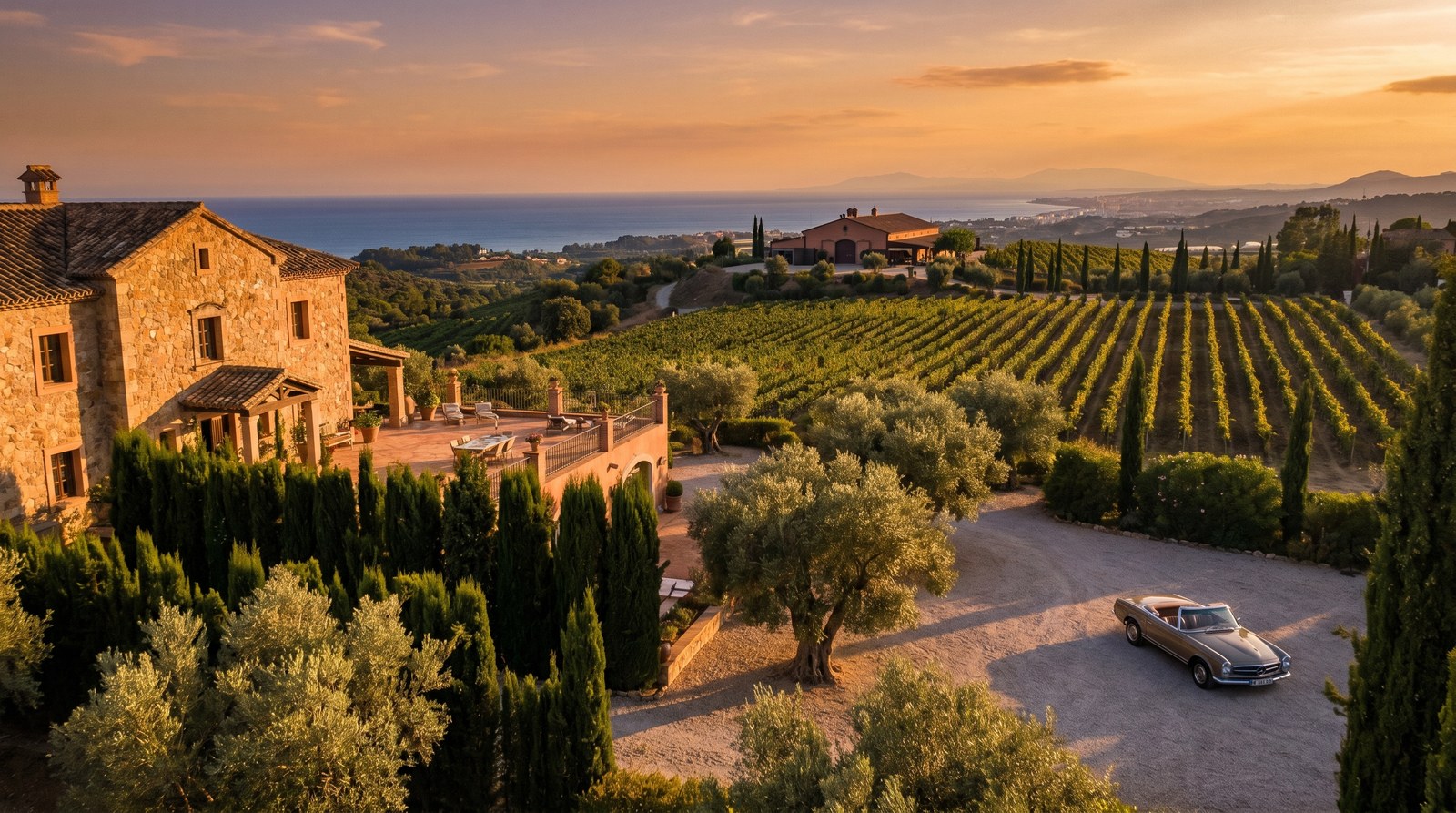
Marbella is celebrated for its golden beaches and glamorous lifestyle—but beyond the coastal glitter lies one of Spain’s most compelling wine stories. The provinces of Málaga and Ronda, within an hour’s drive of Marbella, shelter centuries-old bodegas, organic mountain vineyards, and winemakers reviving forgotten grape varieties. From the sweet Moscatel wines that made Málaga famous in the 19th century to the bold reds of Ronda’s high-altitude estates, the region offers a viticultural journey as rich and layered as the wines themselves. This guide takes you through the essential wineries, what makes each one distinctive, and how to craft an unforgettable wine experience on the Costa del Sol.
Why the Málaga and Ronda Wine Regions Matter
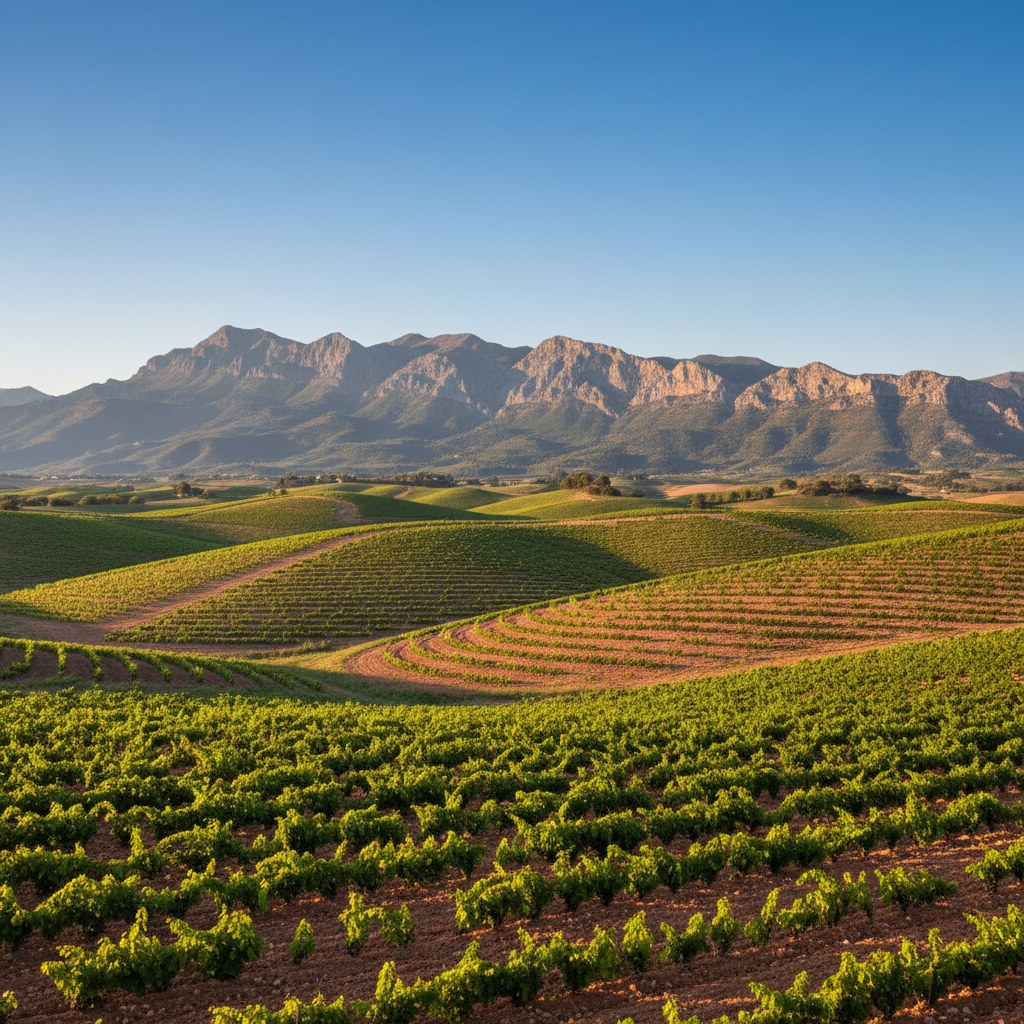
The Málaga wine region boasts a winemaking heritage stretching back to Phoenician times, with production peaking during the Victorian era when sweet Málaga wines graced the tables of European royalty. The region’s Denominación de Origen (DO) Málaga and DO Sierras de Málaga designations protect both traditional sweet wines and modern dry styles produced across five sub-zones, from coastal vineyards to the Axarquía mountains.
Ronda, perched at 750 meters above sea level in the Serranía de Ronda mountains, earned its own DO status in 2017. The altitude, dramatic temperature variations, and slate-rich soils create ideal conditions for elegant reds and complex whites. The journey from Marbella to Ronda—approximately 60 kilometers inland—takes you through landscapes that shift from Mediterranean coast to Alpine sierra, with the wine reflecting this dramatic terroir.
Insider insight: The best time to visit Marbella wineries is during the September harvest (vendimia) or the quieter months of April and May, when the vines are in bloom and the tasting rooms less crowded than in high summer.
Historic Bodegas: Where Málaga’s Wine Legacy Lives
Bodega Antigua Casa de Guardia
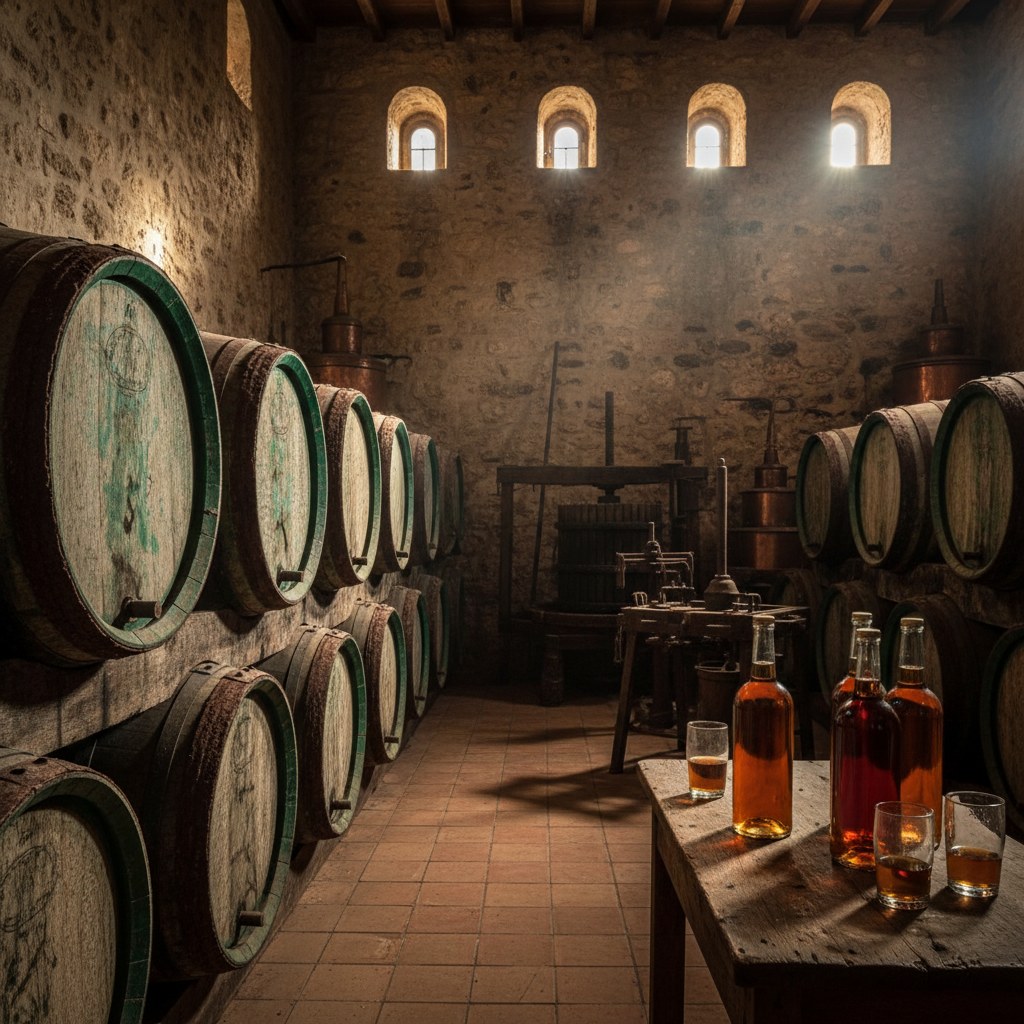
Located in central Málaga city, Antigua Casa de Guardia has operated continuously since 1840, making it the oldest bar in Málaga and a living museum of the region’s sweet wine tradition. The bodega maintains its original wooden barrels and serves wine directly from the cask, chalking your tally on the wooden bar in the time-honored manner.
The experience here is authentically Andalusian: stand at the marble bar, order a medio (half glass) of their signature sweet wine, and pair it with local almonds or anchovies. The Pajarete and Pedro Ximénez wines showcase the oxidative, concentrated style that made Málaga famous. While not a vineyard visit, this bodega offers essential context for understanding the region’s wine culture. It’s a 15-minute detour from the coastal motorway if you’re driving to other wineries.
Bodegas Málaga Virgen
Bodegas Málaga Virgen, founded in the Axarquía village of Moclinejo, represents the region’s cooperative tradition. The winery manages extensive vineyard holdings across the mountain slopes and produces a comprehensive portfolio—from traditional sweet Moscatels to modern dry whites and rosés. Their cellar tours reveal the evolution of Málaga winemaking, with both century-old solera systems and temperature-controlled stainless steel tanks.
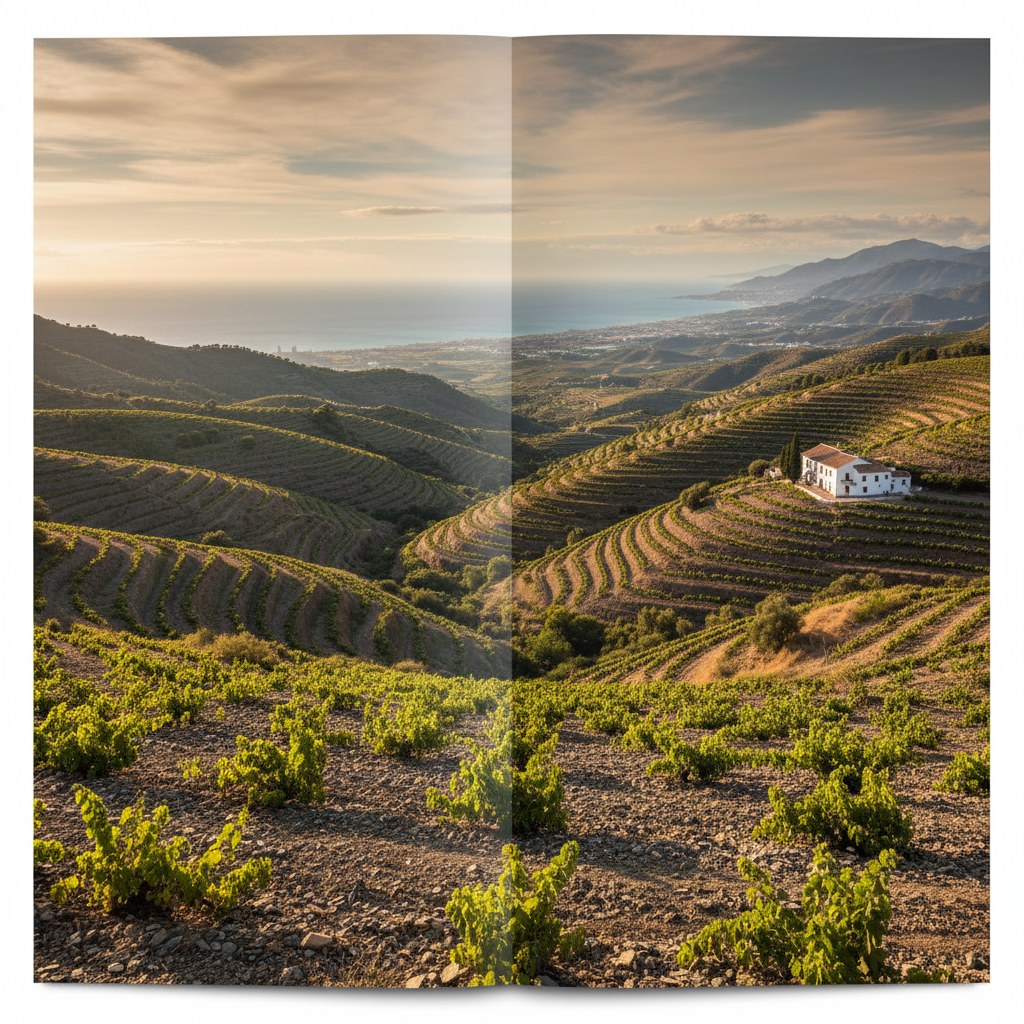
The tasting room overlooks terraced vineyards that cascade down the mountainside toward the Mediterranean, visible on clear days. The diversity of their range makes this an excellent educational stop for understanding the full spectrum of Málaga wine styles.
Boutique Mountain Wineries: Artisan Excellence in the Axarquía

Bodegas Bentomiz
Perched in the Axarquía hills near Sayalonga, approximately 45 minutes from Marbella, Bodegas Bentomiz epitomizes the boutique, quality-focused approach that defines modern Málaga winemaking. The estate specializes in sweet wines crafted from Moscatel de Alejandría and Pedro Ximénez grapes, but their methods blend ancestral techniques with contemporary precision.
The panoramic terrace offers sweeping views across the Axarquía mountains to the sea—one of the most photogenic settings among Marbella wineries. Tastings are intimate and educational, often led by the winemakers themselves, who explain the sun-drying process that concentrates the grapes’ sugars and the careful oxidative aging that develops the wines’ complexity. Their Ariyanas Naturalmente Dulce has won international recognition and demonstrates that traditional sweet wines can achieve remarkable elegance.
Finca La Melonera
Finca La Melonera, located in the Almáchar valley, pursues a mission that sets it apart: reviving nearly extinct local grape varieties. Winemaker Victoria Ordóñez works with heritage vines including Romé, Doradilla, and Moscatel Morisco—varieties that once dominated Axarquía vineyards but nearly disappeared during the phylloxera crisis and subsequent replanting.
The wines here taste of history reimagined—ancient genetics expressed through modern winemaking. Visits are highly personalized and require advance booking, but offer a rare glimpse into viticultural archaeology in action. The estate’s commitment to biodiversity extends beyond grapes to the surrounding ecosystem, with organic farming practices and native plant restoration. This is essential visiting for serious wine enthusiasts seeking something genuinely unique.
Ronda’s High-Altitude Estates: Bold Reds and Mountain Terroir
Bodegas Morosanto
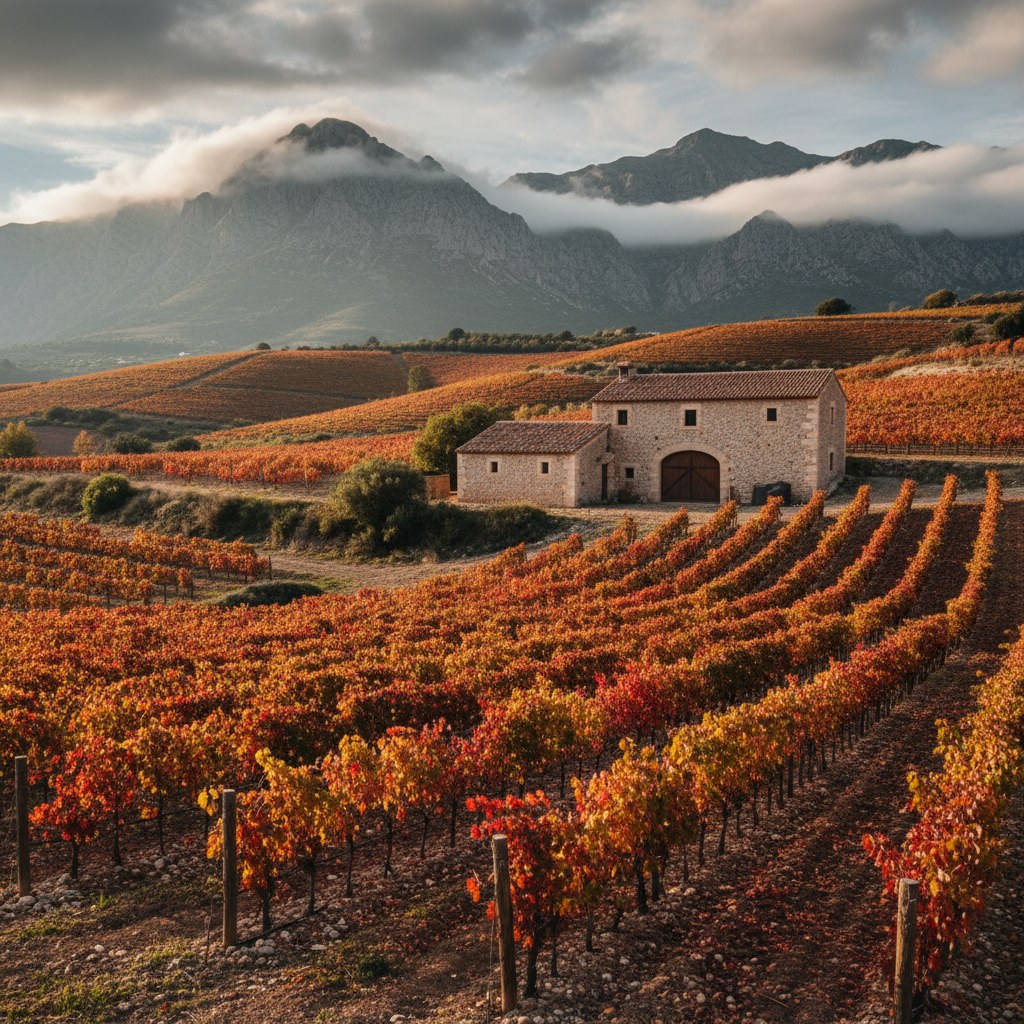
The drive to Bodegas Morosanto in Ronda takes you through some of Andalusia’s most dramatic scenery—whitewashed villages clinging to mountainsides, olive groves, and eventually the high sierra where vines struggle against rocky soil and intense sunlight. This struggle produces concentrated, characterful red wines, primarily from Tempranillo, Syrah, and Cabernet Sauvignon.
Morosanto’s tasting experience emphasizes the connection between landscape and wine. The estate is relatively small and family-operated, offering an intimate counterpoint to larger commercial operations. The altitude—over 700 meters—means cool nights even in summer, preserving acidity and freshness in the reds. Pair your tasting with views of the Serranía de Ronda and, if timing permits, a visit to Ronda’s historic town center and its gravity-defying bridge.
Bodega Cortijo Los Aguilares
Cortijo Los Aguilares, nestled in Ronda’s wine country near the village of Arriate, has earned acclaim for its commitment to organic and biodynamic viticulture. The estate’s red wines have collected awards at international competitions, demonstrating that Ronda can compete with Spain’s established wine regions.
The vineyard tour here is particularly instructive for understanding organic practices in a challenging climate—how cover crops, natural pest management, and minimal intervention in the cellar combine to produce wines that express terroir without chemical interference. The tasting room occupies a restored cortijo (Andalusian farmhouse) with thick stone walls and rustic-luxe décor. Their Syrah and Petit Verdot bottlings showcase the power and structure that Ronda’s terroir can achieve.
Innovative Producers Bridging Tradition and Modernity
Jorge Ordóñez & Co
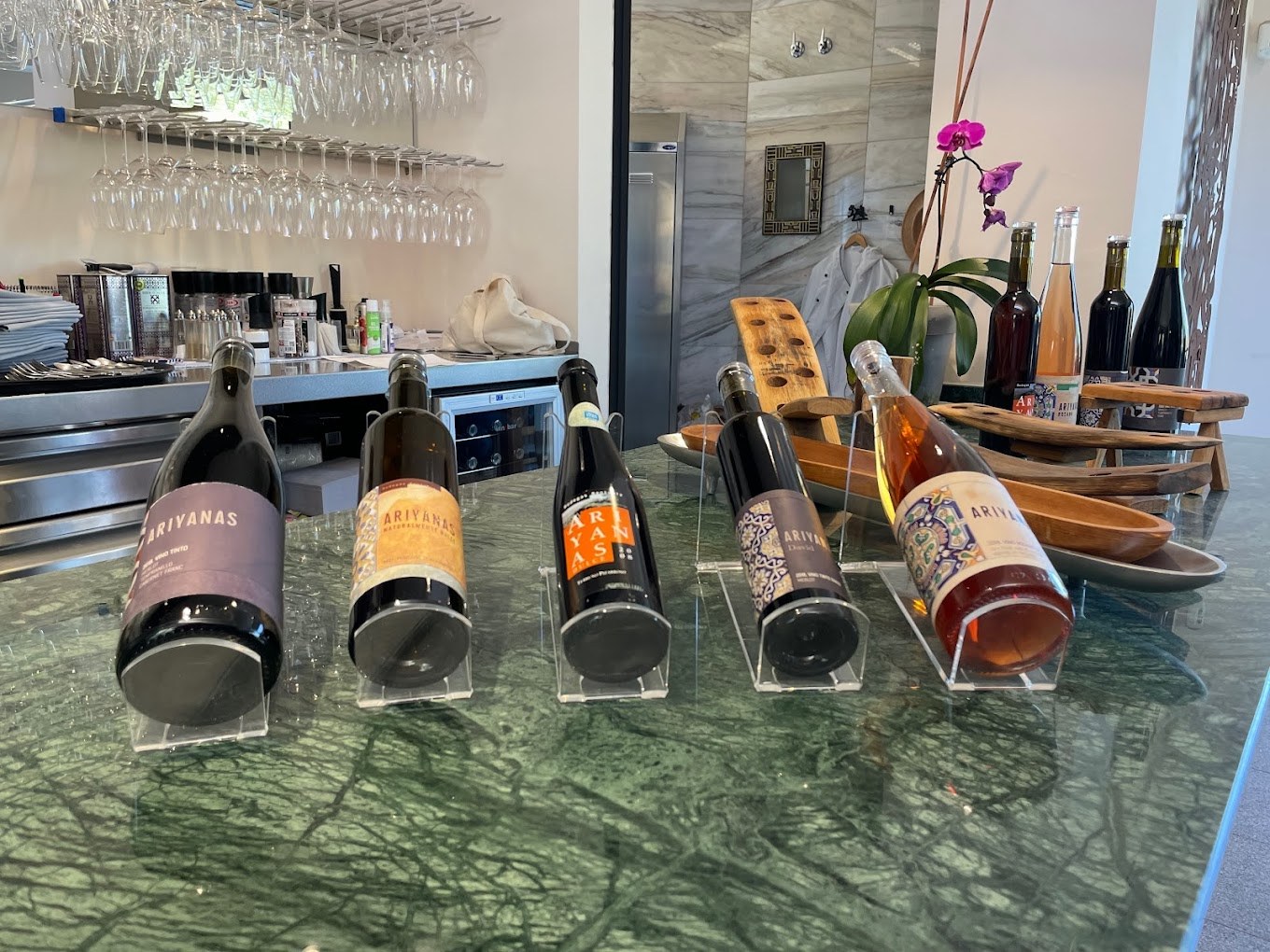
Jorge Ordóñez & Co represents the new wave of Málaga winemaking—deeply respectful of tradition but unafraid to innovate. Ordóñez, an influential figure in Spanish wine internationally, produces a range that includes both classic sweet Málaga styles and cutting-edge dessert wines that have earned high scores from international critics.
The winery works with old-vine Moscatel from premium Axarquía sites, employing meticulous vineyard management and precise winemaking to create wines of exceptional purity and concentration. While the operation is more commercial than some boutique estates, the quality is unimpeachable. Tastings demonstrate how modern techniques—temperature control, selective harvesting, careful oak aging—can elevate traditional styles to world-class standards.
Bodegas Gomez & Rial
This family-run estate in the Málaga countryside offers the warmth and personal touch that defines many smaller wineries. Bodegas Gomez & Rial focuses on expressing the specific character of their vineyard sites through minimal-intervention winemaking. The family’s hospitality makes visits feel less like a commercial tour and more like an invitation to a friend’s home.
The wines reflect the family’s philosophy: honest, unpretentious, and deeply connected to place. Tastings often include local cheeses, cured meats, and olive oil from neighboring producers, creating a complete picture of Andalusian terroir and food culture. This is an excellent choice if you’re seeking an authentic, low-key experience away from more touristed estates.
Planning Your Marbella Wine Experience
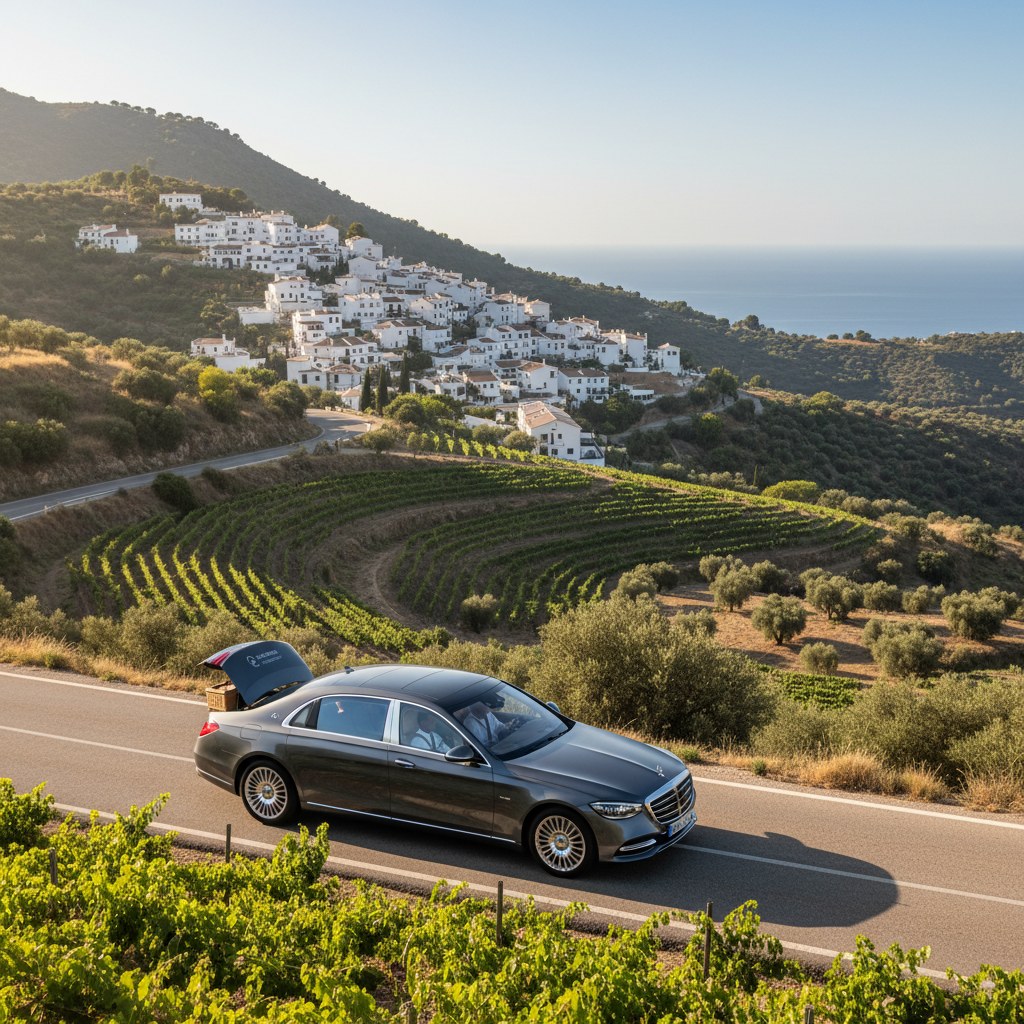
Visiting Marbella wineries requires some logistical planning, as estates are scattered across mountain terrain and most require advance reservations. Here’s how to structure an ideal wine day from Marbella:
- Transportation: Hire a private driver or book a guided tour—mountain roads are winding, and you’ll want to taste freely. Standard tour companies offer group excursions, but a private arrangement through Marbella Hospitality’s concierge services allows for customized itineraries and exclusive access.
- Timing: Most bodegas offer tours at 11:00 AM, 1:00 PM, and 4:00 PM. A typical visit lasts 1.5-2 hours including the tour and tasting. Plan for two wineries maximum in a day to avoid palate fatigue and allow time to enjoy the landscapes.
- Booking: Reserve at least one week ahead during shoulder season, two weeks in summer. Smaller estates like Finca La Melonera may require even more notice.
- Pairing with lunch: Many wineries don’t serve full meals. Plan lunch in Ronda (if visiting mountain estates) or in Axarquía villages like Cómpeta or Frigiliana, both known for excellent rustic restaurants.
- Purchases: Most wineries ship internationally, but check customs regulations for your home country. Prices at the source are typically 30-40% below retail.
Local tip: Combine a winery visit with exploration of the white villages (pueblos blancos) of the Axarquía or Ronda region. Towns like Frigiliana and Zahara de la Sierra offer stunning architecture, artisan shops, and restaurants that showcase the region beyond its wines.
What Makes Costa del Sol Wines Distinctive
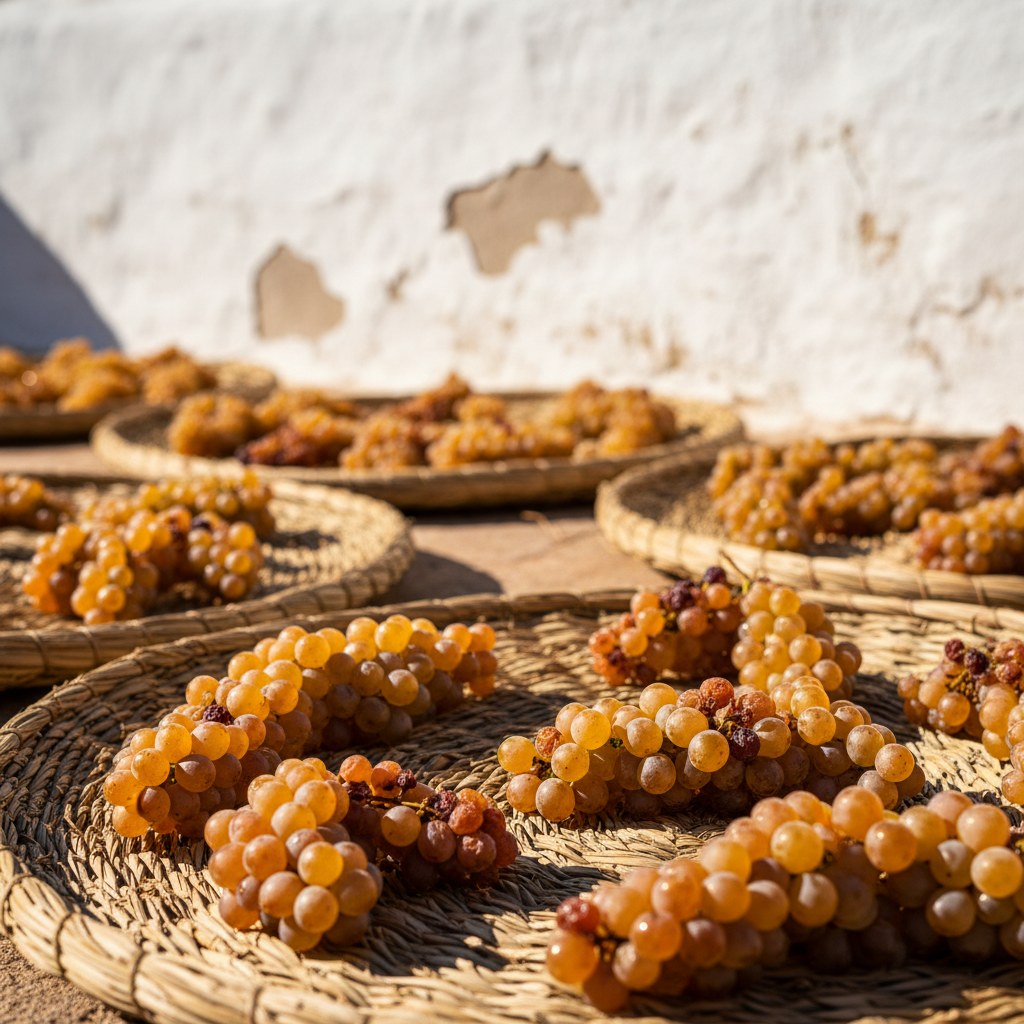
Understanding what you’re tasting enhances the experience. Málaga wines derive their character from several factors unique to this corner of Spain:
- Moscatel de Alejandría: This aromatic grape thrives in the Axarquía’s slate soils and Mediterranean climate, producing intensely perfumed wines with notes of orange blossom, honey, and dried apricot.
- Sun-drying (soleo): Grapes for sweet wines are often dried on esparto grass mats under the Andalusian sun, concentrating sugars and developing raisin-like complexity.
- Solera aging: Traditional Málaga sweet wines age in solera systems—fractional blending across barrel tiers that can span decades, creating wines of extraordinary depth.
- Mountain altitude: Ronda’s elevation creates diurnal temperature swings of 20°C or more in summer, preserving acidity and aromatic freshness even as grapes achieve full ripeness.
- Slate and limestone: Axarquía’s decomposed slate (pizarra) and Ronda’s limestone-clay soils impart mineral character and structure to the wines.
The result is a wine landscape that ranges from unctuous, age-worthy dessert wines to crisp mountain whites and structured reds—far more diverse than most visitors expect.
Beyond the Tasting Room: Wine Culture in Marbella
You don’t need to travel inland to engage with the region’s wine culture. Marbella’s restaurant scene increasingly showcases local wines, particularly at establishments focused on Andalusian cuisine. Top Marbella restaurants like Skina and Messina have sommeliers who can guide you through Málaga and Ronda selections alongside their tasting menus.
Several wine shops in Marbella Old Town and Puerto Banús stock carefully curated local selections, and many offer informal tastings on weekend afternoons. For those staying in luxury villas, arranging a private sommelier-led tasting at your accommodation is easily organized—a particularly elegant option for groups.
The annual Noche en Blanco in May and various food festivals throughout summer often feature Málaga wine producers, offering accessible introductions without the drive to the vineyards. However, nothing replaces the experience of standing among the vines, understanding the landscape, and meeting the people behind the bottles.
Combining Wine Tours with Other Marbella Experiences
A wine-focused day integrates beautifully with Marbella’s other luxury offerings. Consider these combinations:
- Morning winery visit + afternoon beach club: Tour an Axarquía bodega in the morning, return to the coast for lunch and lounging at one of Marbella’s best beach clubs.
- Ronda wine estates + historic town: Combine two winery visits with exploration of Ronda’s dramatic gorge, bullring, and Moorish baths—a full cultural day.
- Wine and gastronomy: Pair a winery visit with a reservation at a Michelin-starred restaurant featuring local wines; Marbella’s Michelin dining scene offers several options.
- Multi-day villa retreat: For extended stays in luxury Marbella villas, schedule wine excursions on select days while enjoying the property’s amenities on others.
The key is balance—wine touring is enriching but requires energy and focus. Interspersing these cultural excursions with Marbella’s leisure pleasures creates a well-rounded luxury experience.
Why Marbella Hospitality Is Your Wine Tour Partner
Organizing vineyard visits across mountain terrain, securing reservations at small family estates, and coordinating transportation requires local expertise and relationships. Marbella Hospitality’s concierge team specializes in crafting bespoke wine experiences that go beyond standard tours—accessing estates not open to walk-in visitors, arranging private tastings with winemakers, and building itineraries that match your specific interests and schedule.
Whether you’re seeking an educational deep-dive into Málaga’s sweet wine heritage, a romantic day among Ronda’s mountain vineyards, or a casual introduction to the region’s wines, our team handles every detail. We work with trusted drivers who know the mountain roads intimately, coordinate timing to avoid crowds, and can arrange complementary experiences—from authentic paella lunches in white villages to private chef-prepared dinners featuring the wines you’ve discovered. Our relationships with winery owners ensure you receive exceptional hospitality and access to limited-production bottles not available through standard channels.
Begin Your Marbella Wine Journey
The wineries surrounding Marbella offer a dimension of the Costa del Sol that few visitors fully explore—a landscape of ancient vines, passionate winemakers, and wines that carry centuries of history in every glass. Whether you’re a serious collector seeking rare bottlings or simply curious about the region’s viticultural heritage, the experience rewards with beauty, flavor, and insight into Andalusian culture beyond the beaches.
Ready to explore Marbella wineries with expert guidance and seamless logistics? Contact Marbella Hospitality to design your personalized wine experience—from intimate boutique visits to comprehensive multi-day vineyard tours across Málaga and Ronda. Our concierge team ensures every detail reflects your preferences, creating wine memories as exceptional as the wines themselves.