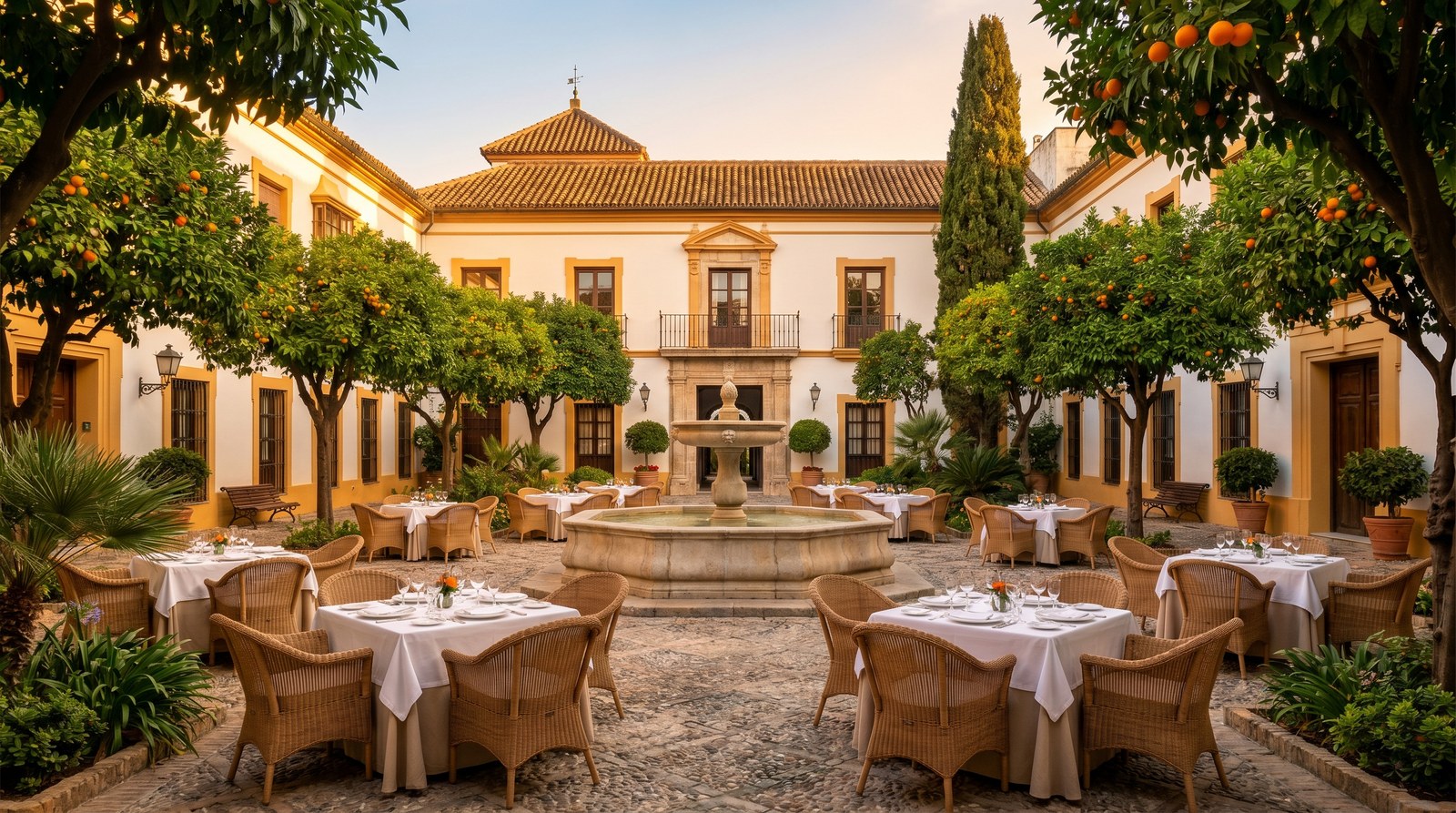
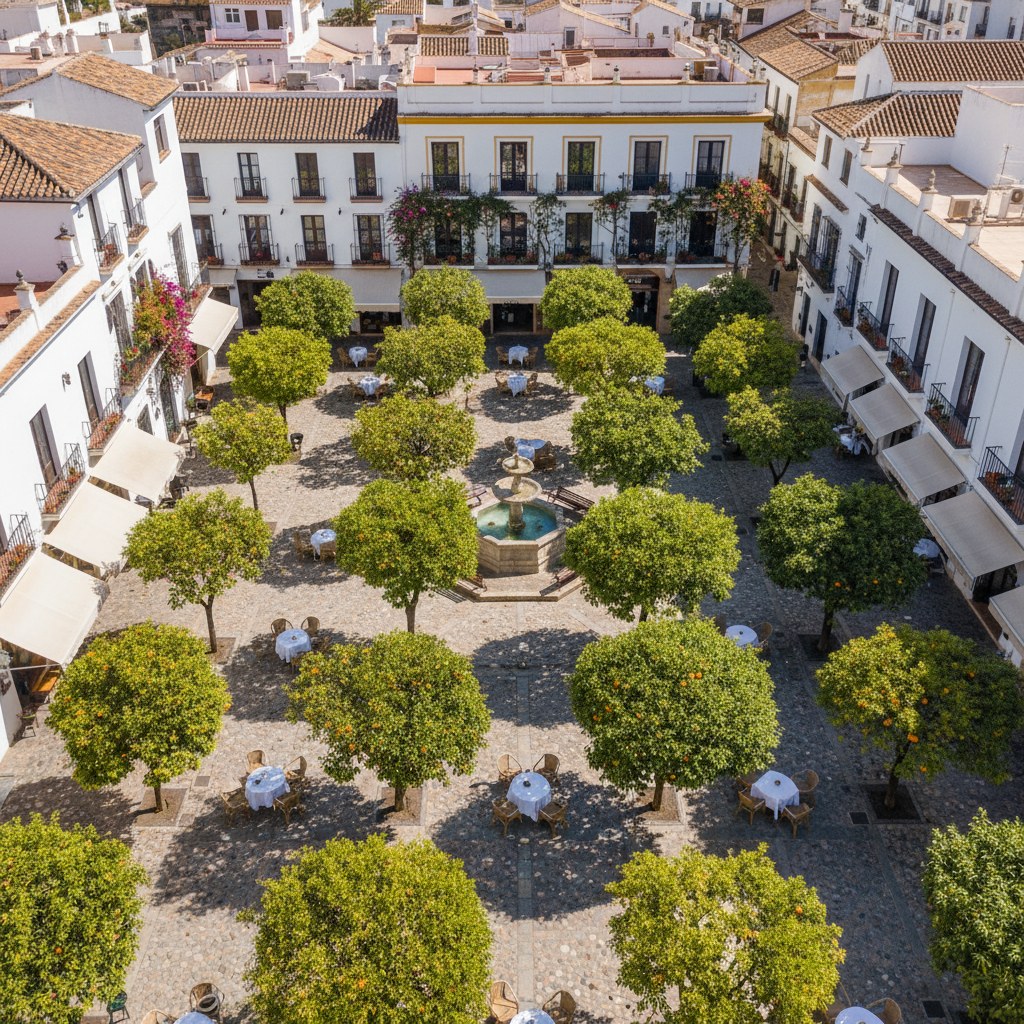
Step into the living heart of Marbella’s historic quarter, and you’ll find yourself beneath the fragrant canopy of Plaza de los Naranjos—a sun-drenched square where centuries of Andalusian history converge with modern Mediterranean elegance. Named for the dozens of orange trees that shade its cobblestone expanse, this 15th-century plaza remains the soul of Casco Antiguo, Marbella’s enchanting Old Town.
Whether you’re exploring Marbella between villa check-ins, seeking an authentic cultural experience away from the coastal glamour, or simply looking for the perfect spot to enjoy an afternoon cortado, Plaza de los Naranjos offers a window into the town’s layered past and vibrant present.
The Historic Roots of Plaza de los Naranjos
Plaza de los Naranjos dates back to 1485, shortly after the Catholic Monarchs reclaimed Marbella from Moorish rule. The square was conceived as the new civic center of the Christian town, replacing the labyrinthine markets of the Islamic period with an orderly Renaissance-style plaza.
This deliberate urban planning reflects the architectural shift that swept through Andalusia in the late 15th century. The plaza became a central marketplace, a gathering point for proclamations, and the administrative heart of the growing settlement. Today, it stands as one of the finest preserved examples of Castilian town planning on the Costa del Sol.
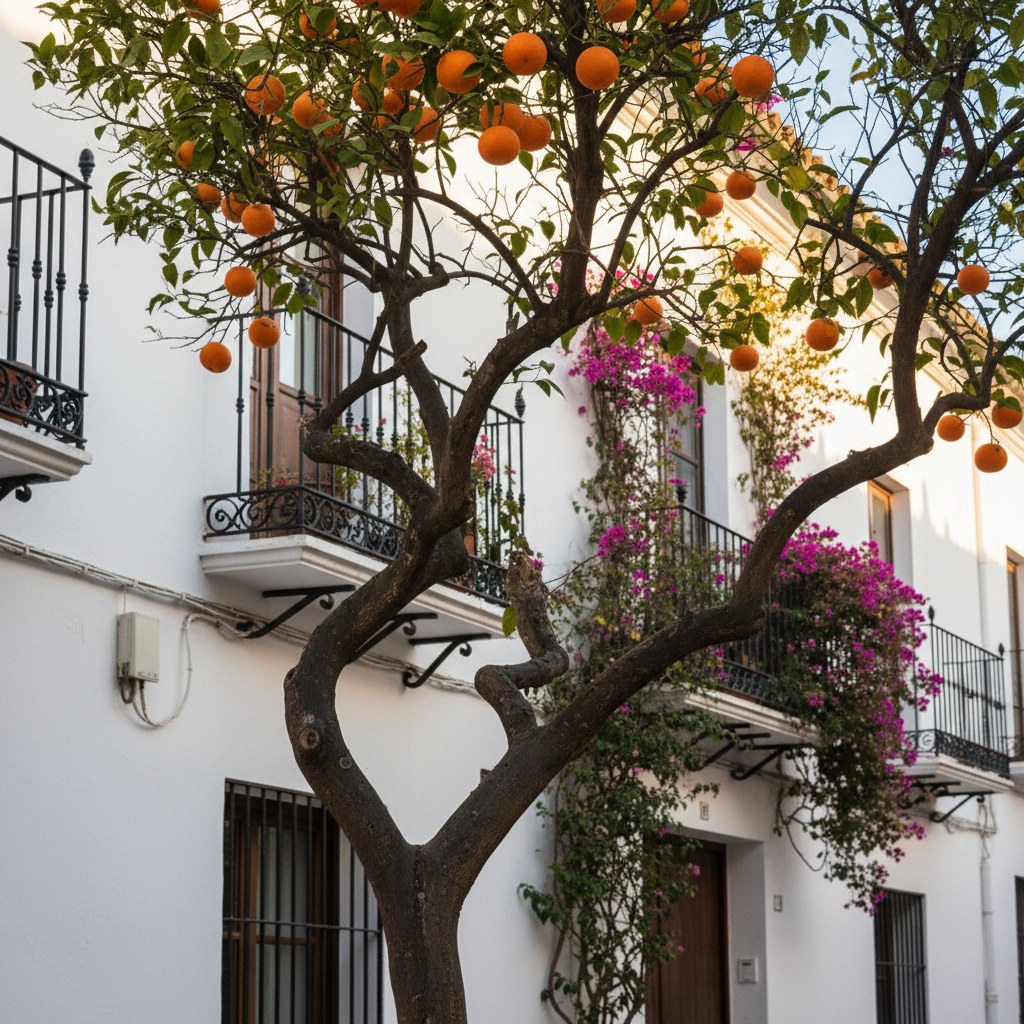
Local insight: The orange trees that give the square its name are naranjos amargos—bitter Seville oranges traditionally used for marmalade rather than eating fresh. In late winter and early spring, their blossoms perfume the entire plaza with an intoxicating citrus fragrance.
The square’s role has evolved over five centuries, but it remains the geographic and cultural nucleus of Marbella’s Old Town, drawing both residents and visitors to its timeless charm.
Architectural Treasures Surrounding the Square
The buildings encircling Plaza de los Naranjos tell the story of Marbella’s evolution from a modest fishing village to an international luxury destination. Each structure contributes to the plaza’s unique atmosphere, blending Moorish influences with Renaissance and Baroque elements.
Casa Consistorial (The Town Hall)
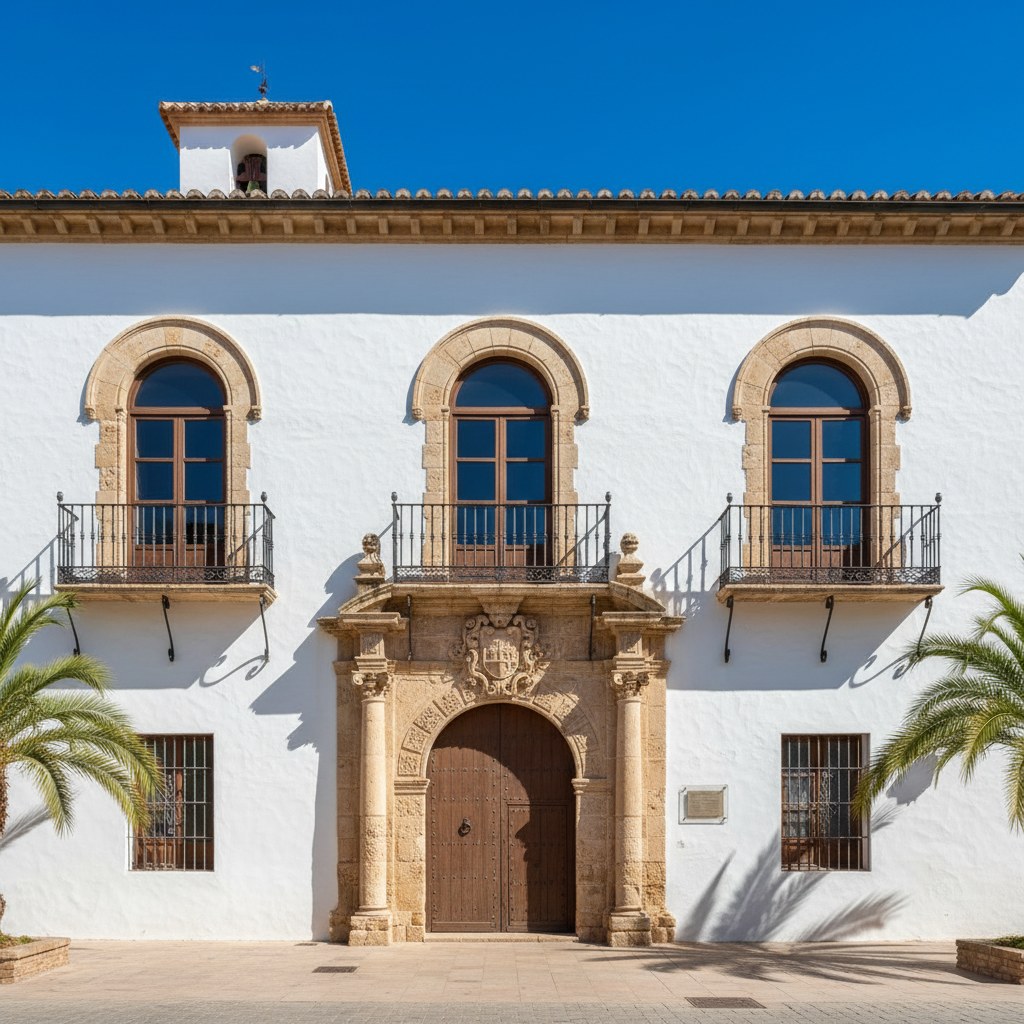
The 16th-century Town Hall anchors the plaza’s northern edge with its elegant Castilian façade. Built in 1572 under the reign of Felipe II, the building features a distinctive stone portal, wrought-iron balconies, and a charming interior courtyard adorned with traditional Andalusian tilework and cascading geraniums.
The building’s austere Renaissance lines contrast beautifully with the more ornate structures nearby, creating the visual harmony that defines the square.
Ermita de Santiago
On the plaza’s eastern side stands the Chapel of Santiago, Marbella’s oldest religious building. Constructed in the early 16th century, this modest chapel features a simple whitewashed exterior that belies its historical importance as one of the first Christian churches built after the Reconquista.
The chapel remains active for small ceremonies and is particularly popular for intimate weddings, offering couples a genuinely historic setting steps from the plaza’s restaurants and cafés.
Casa del Corregidor
The Magistrate’s House, distinguished by its stone Gothic-Mudéjar doorway, dates to the early 16th century and exemplifies the architectural fusion characteristic of post-Reconquista Andalusia. The building now houses municipal offices but retains its original carved stone entrance—a favorite photography spot for visitors.
Together, these structures create an architectural ensemble that feels authentically Spanish without the heavy tourist commercialization found in some historic quarters.
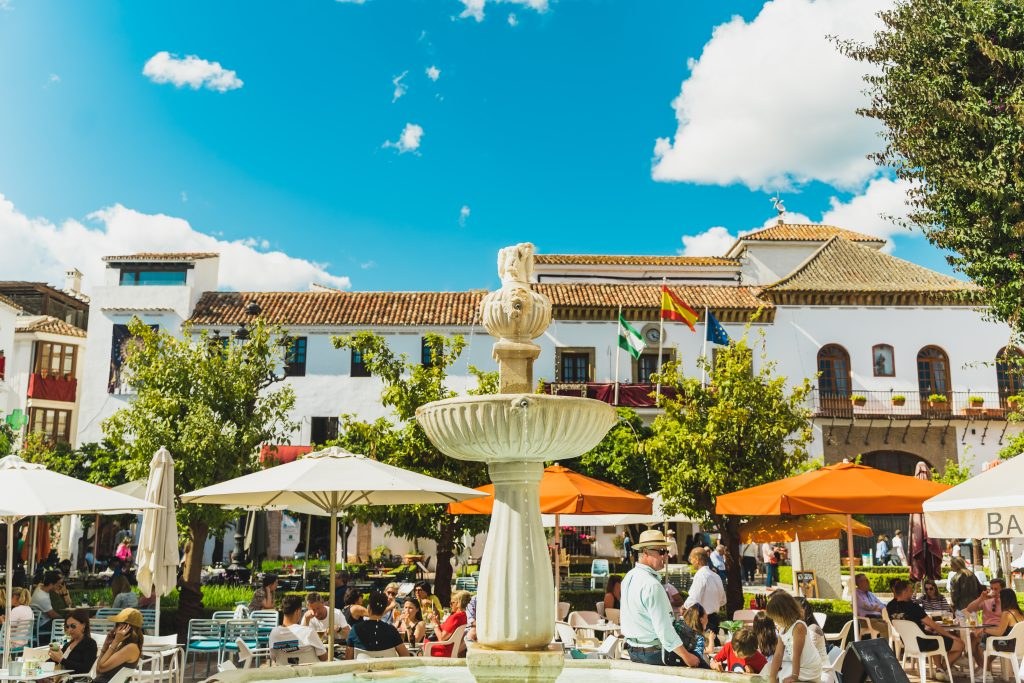
The Atmosphere: Whitewashed Elegance and Orange Blossom
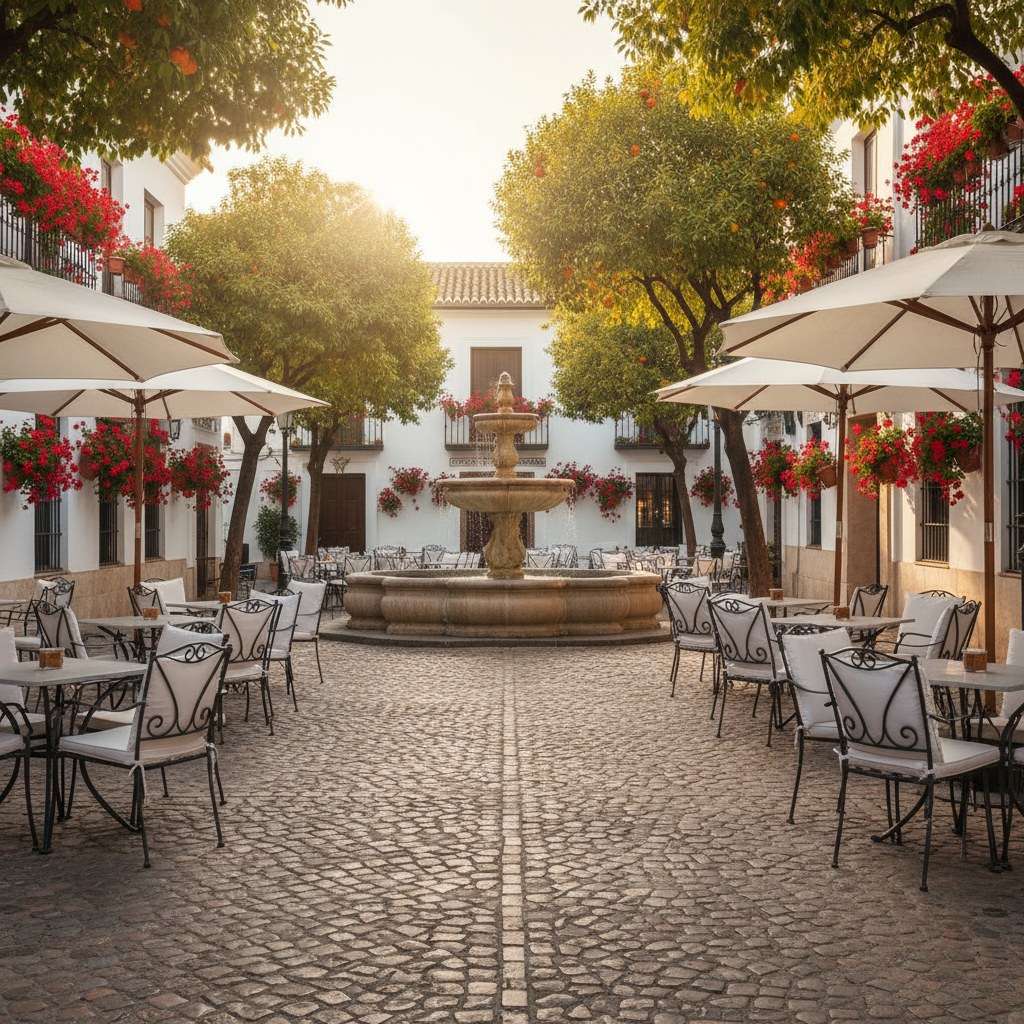
The sensory experience of Plaza de los Naranjos is what truly sets it apart from other historic squares along the coast. The dappled shade beneath the orange trees creates natural respite from the Andalusian sun, while the central fountain—a replica of a 16th-century original—provides a gentle acoustic backdrop.
The surrounding buildings showcase the classic pueblo blanco aesthetic: brilliant white walls, terracotta roof tiles, and balconies overflowing with bougainvillea and jasmine. In the cooler months, the plaza becomes a sun trap, with outdoor tables filled from mid-morning through late evening.
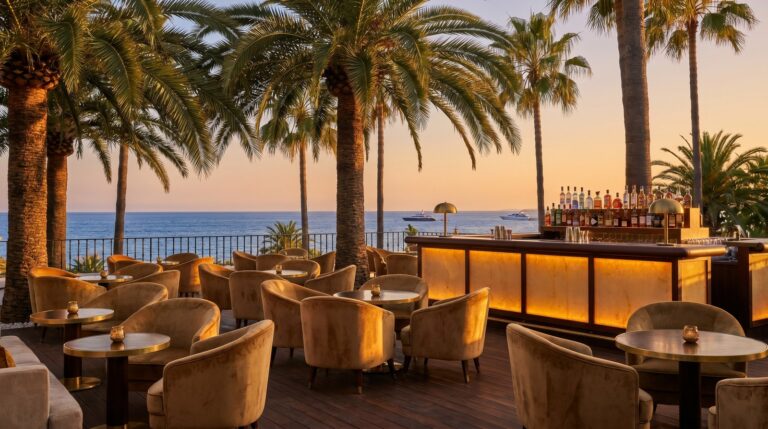
Unlike the beach clubs and marina-front venues that define modern Marbella’s luxury scene, the plaza operates on a different rhythm—one shaped by local life, traditional café culture, and the unhurried pace of the Old Town. It’s not uncommon to see Spanish families enjoying Sunday lunch at the same tables their grandparents once occupied.
Dining Around Plaza de los Naranjos
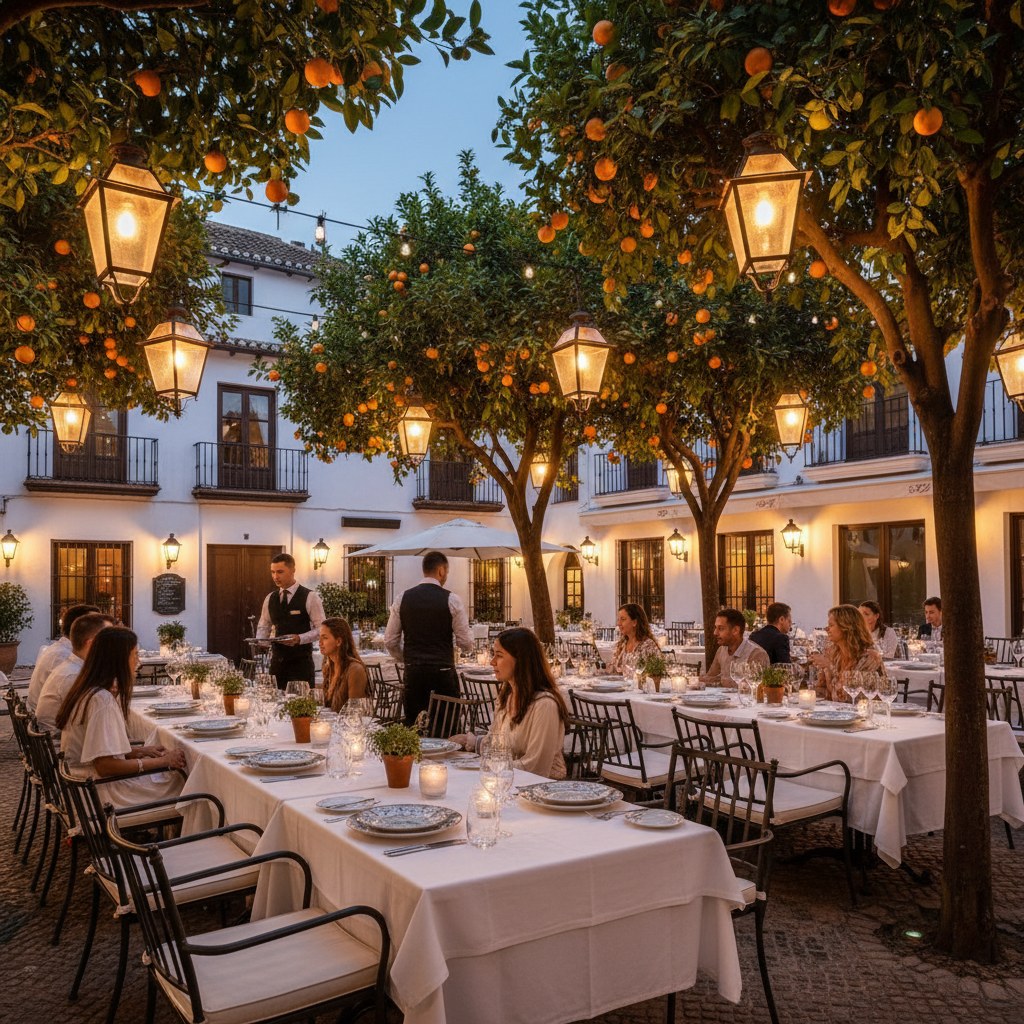
The restaurants and cafés ringing the plaza range from traditional Andalusian taverns to contemporary bistros, though the square itself tends toward tourist-friendly establishments. Savvy diners know that the most exceptional culinary experiences lie in the narrow streets radiating from the plaza.
On the Square
The plaza’s terrace restaurants offer prime people-watching and atmospheric dining, particularly in the evening when the square is illuminated and the temperature drops. Expect classic Spanish fare—gazpacho, grilled fish, jamón ibérico, and paella—at prices reflecting the premium location.
These venues excel at providing a quintessentially Spanish plaza experience: white tablecloths, attentive service, and the chance to dine beneath the stars in a 500-year-old square.
Hidden Gems in the Surrounding Streets
The real culinary treasures are tucked into the maze of streets within a two-minute walk of the plaza. Calle Ancha, Calle Remedios, and the alleys near Plaza de la Victoria host intimate restaurants where local chefs reinterpret Andalusian classics with modern technique and seasonal ingredients.
Look for establishments with handwritten daily menus, local wine lists featuring Ronda and Málaga appellations, and dining rooms that feel like someone’s elegant home rather than a restaurant. These are the places where Marbella’s year-round residents celebrate special occasions.
Insider tip: For an authentic experience, ask your concierge service to secure a table at one of the Old Town’s reservation-only venues—many of the finest restaurants don’t advertise and rely entirely on word-of-mouth and repeat clientele.
Shopping: Artisan Crafts and Boutique Discoveries
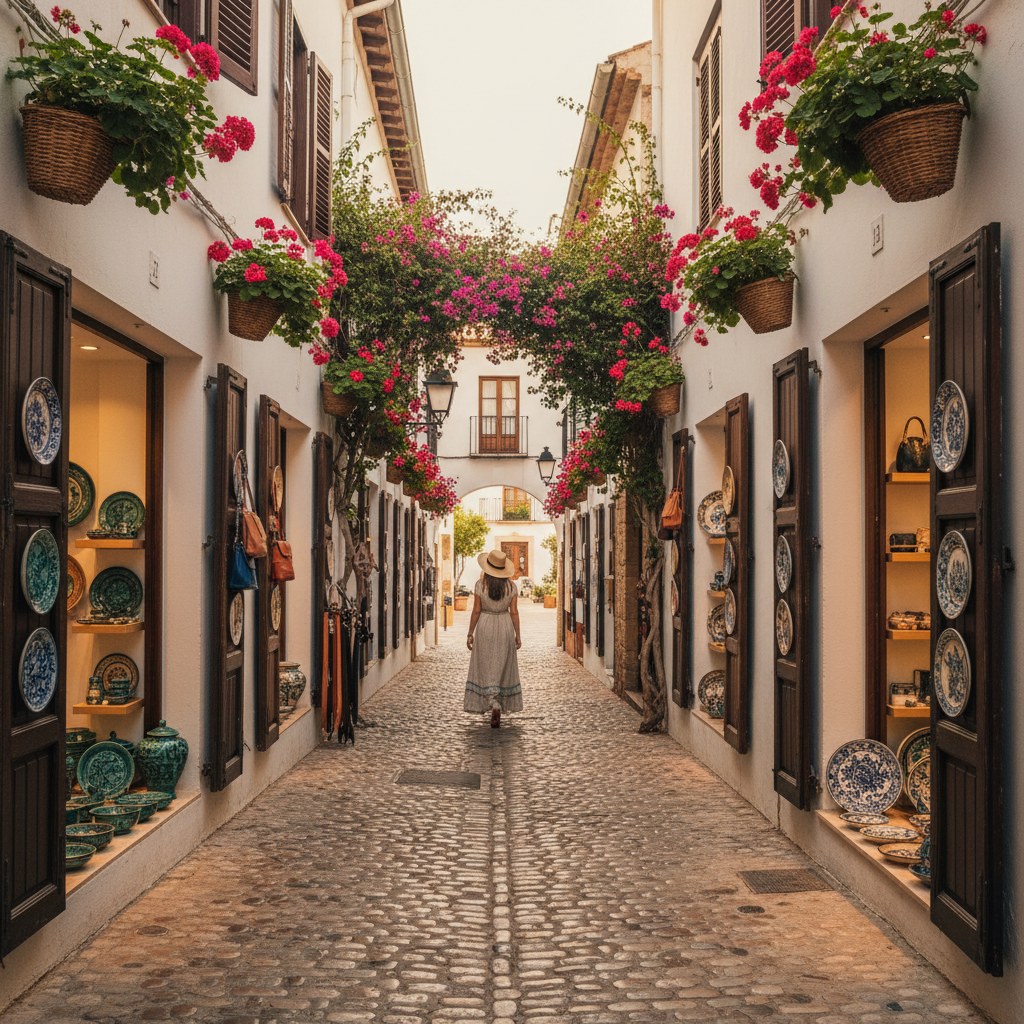
Plaza de los Naranjos and its surrounding lanes offer a refreshing alternative to the international luxury brands lining Puerto Banús. Here, the focus shifts to artisan craftsmanship, local products, and one-of-a-kind finds.
The streets branching from the plaza host boutiques specializing in:
- Andalusian ceramics: Hand-painted tiles, decorative plates, and traditional pottery from Málaga and Granada workshops
- Leather goods: Handcrafted bags, belts, and sandals made using centuries-old techniques
- Artisan jewelry: Contemporary pieces by local designers, often incorporating Moorish-inspired motifs
- Gourmet products: Local olive oils, mountain honey, membrillo (quince paste), and artisanal preserves from the Serranía de Ronda
- Textiles and home décor: Linen tablecloths, embroidered cushions, and decorative pieces reflecting Andalusian style

These shops provide an opportunity to acquire genuinely local items rather than mass-produced souvenirs, and many proprietors are happy to discuss the provenance and craftsmanship behind their offerings.
For guests staying in one of our luxury villas, these artisan pieces make excellent additions to your temporary Marbella home or thoughtful gifts to bring back from your stay.
Cultural Events and Seasonal Festivities
Throughout the year, Plaza de los Naranjos transforms into a stage for Marbella’s cultural calendar. The square’s historic setting and central location make it a natural gathering point for both traditional celebrations and contemporary cultural programming.
Annual Highlights
The plaza hosts or anchors several significant events:
- Semana Santa (Holy Week): Religious processions wind through the Old Town, with the plaza serving as a key viewing point for the ornate floats and traditional saetas (devotional songs)
- Feria de San Bernabé (June): Marbella’s annual fair brings flamenco performances, traditional dress, and festive atmosphere to the Old Town, with the plaza as its heart
- Christmas markets: December sees artisan stalls, nativity scenes, and seasonal performances fill the square
- Summer concerts: Warm evenings feature live music ranging from classical guitar to contemporary Spanish artists
These events offer visitors a chance to experience Marbella beyond its reputation as a beach and nightlife destination, revealing the town’s deep Andalusian roots and living traditions.
Exploring the Wider Casco Antiguo
Plaza de los Naranjos serves as the ideal starting point for exploring Marbella’s entire historic quarter. The surrounding network of narrow streets, hidden plazas, and whitewashed corners rewards leisurely wandering.
Key areas within easy walking distance include:
- Plaza de la Victoria: A quieter square two minutes north, surrounded by excellent tapas bars favored by locals
- Calle Ancha: The Old Town’s main pedestrian artery, lined with boutiques, galleries, and restaurants
- The Moorish walls: Remnants of the 10th-century fortifications still visible along Calle Salinas
- Plaza de los Olivos: An intimate square shaded by ancient olive trees, popular with artists and street performers
- Museo del Grabado Español Contemporáneo: A museum of contemporary Spanish printmaking housed in a beautifully restored Renaissance hospital building
The entire Old Town is compact enough to explore thoroughly in a single afternoon, though its restaurants, bars, and atmospheric corners invite return visits throughout your stay.
For guests dividing their time between coastal activities and cultural exploration, the Marbella Hospitality team can arrange private guided walks that reveal the quarter’s hidden history and contemporary creative scene.
Practical Information for Visitors
Plaza de los Naranjos sits approximately 2 kilometers from Puerto Banús and 1 kilometer inland from Marbella’s main beaches. The Old Town is pedestrianized, with vehicle access restricted to residents and deliveries.
Getting There
From the Golden Mile or beachfront hotels, the plaza is a pleasant 15-minute walk through the town center. Taxis can drop you at the edge of the pedestrian zone on Avenida Ricardo Soriano or Avenida Ramón y Cajal.
For guests staying in villas in the surrounding hills—whether in La Zagaleta, Sierra Blanca, or the eastern neighborhoods—the most elegant approach is via private chauffeur service, which eliminates parking concerns and allows you to enjoy evening wine without worry.
Best Times to Visit
The plaza is enchanting year-round, but each season offers distinct advantages:
- Spring (March-May): Orange blossoms perfume the air, temperatures are perfect for outdoor dining, and the plaza is less crowded than summer
- Summer (June-August): Lively atmosphere with extended restaurant hours and regular cultural events, though midday heat can be intense
- Autumn (September-November): Ideal weather, grape harvest season brings special menus, and the pace is more relaxed
- Winter (December-February): Mild temperatures, festive decorations, and the chance to experience the square as locals do
Early morning (before 10 AM) offers the most peaceful experience, when the square belongs to café regulars and delivery trucks. Late evening (after 9 PM) brings the most atmospheric dining, with the plaza illuminated and the day’s heat dissipated.
Why Choose Marbella Hospitality for Your Old Town Experience
Exploring Marbella’s cultural treasures is enhanced immeasurably when you have local expertise at your disposal. Our concierge team provides the insider knowledge that transforms a pleasant visit into an unforgettable experience—from securing tables at reservation-only restaurants tucked behind the plaza to arranging private after-hours access to historic sites.
Whether you’re seeking VIP restaurant bookings in the Old Town’s most exclusive venues, planning a cultural itinerary that balances beach luxury with authentic Andalusian experiences, or simply need reliable transportation between your villa and the historic quarter, we ensure every detail reflects the quality you expect from your Marbella stay.
Beyond the Plaza: Completing Your Marbella Experience
Plaza de los Naranjos represents one facet of Marbella’s multifaceted appeal. The town’s genius lies in its ability to offer both this kind of authentic historic charm and world-class contemporary luxury within minutes of each other.
After an afternoon exploring the Old Town’s cultural heritage, you might find yourself dining at a Michelin-starred restaurant in the Golden Mile, enjoying sunset cocktails at a beach club, or returning to your private villa in the hills. This seamless blend of tradition and modernity, culture and hedonism, is what makes Marbella unique on the Mediterranean coast.
For visitors seeking the full spectrum of what the region offers—from historic quarters to exclusive beach clubs, from mountain villages to yacht-filled marinas—Marbella Hospitality orchestrates experiences that capture every dimension of Costa del Sol luxury.
Ready to discover the authentic heart of Marbella alongside its glamorous coastal lifestyle? Contact our concierge team to design a bespoke itinerary that includes Plaza de los Naranjos and the hidden treasures of the Old Town, complemented by the luxury experiences that define modern Marbella.