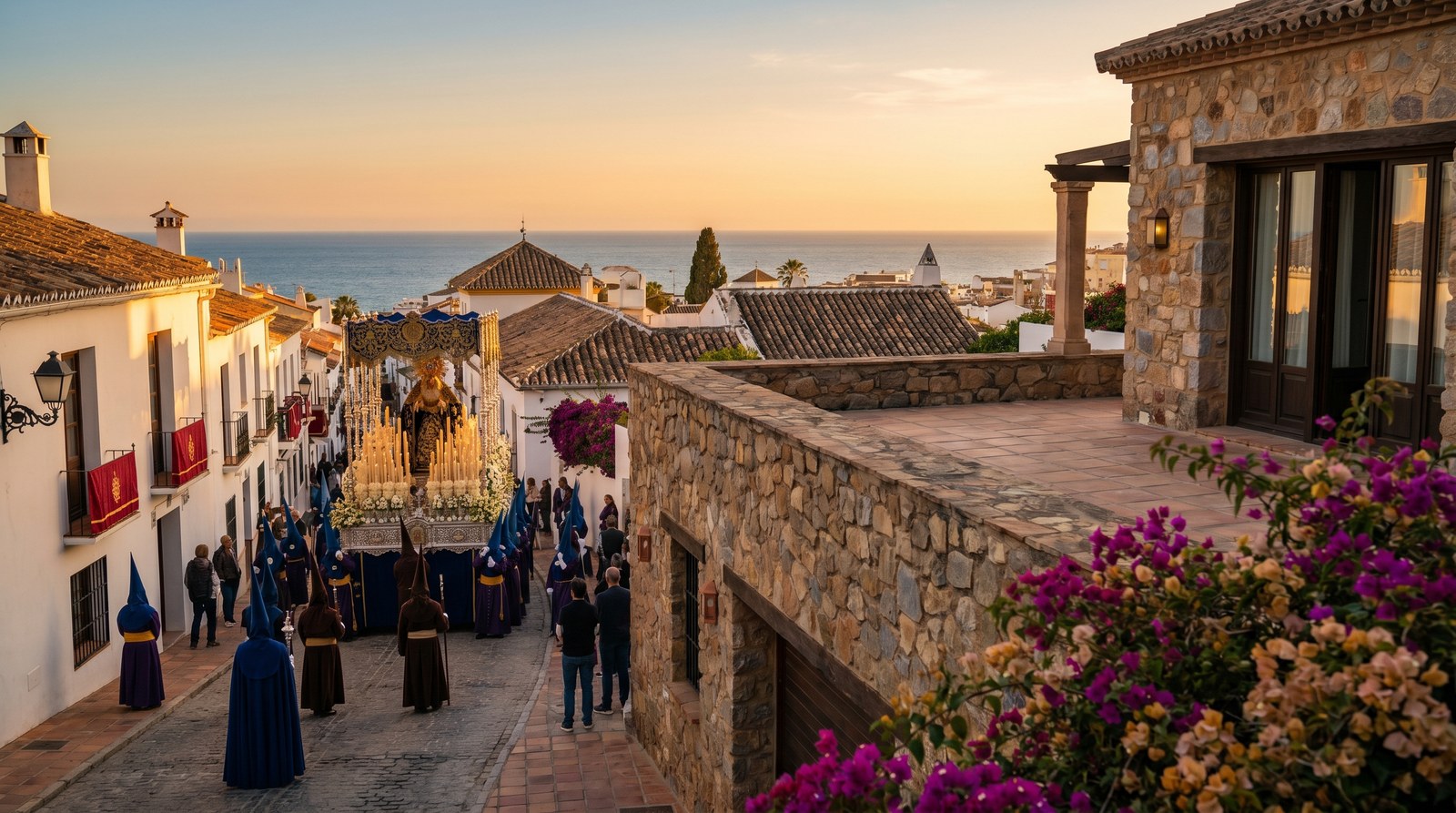
Semana Santa in Marbella offers a captivating blend of sacred tradition and Mediterranean elegance, where centuries-old religious processions wind through the cobbled streets of the Old Town against a backdrop of palm trees and coastal luxury. This week-long observance—spanning from Palm Sunday to Easter Sunday—transforms the Costa del Sol into a living theatre of faith, artistry, and cultural heritage. Whether you’re drawn by spiritual reverence or cultural curiosity, experiencing Semana Santa in Marbella provides an intimate window into Andalusian identity that few other events can match.
Understanding Semana Santa: Spain’s Most Important Religious Festival
Semana Santa—literally “Holy Week”—commemorates the passion, death, and resurrection of Jesus Christ in the days leading to Easter. Across Spain, this is the most significant religious and cultural event of the year, with traditions dating back to the 16th century when Catholic brotherhoods began organizing public processions to illustrate biblical narratives for largely illiterate populations.
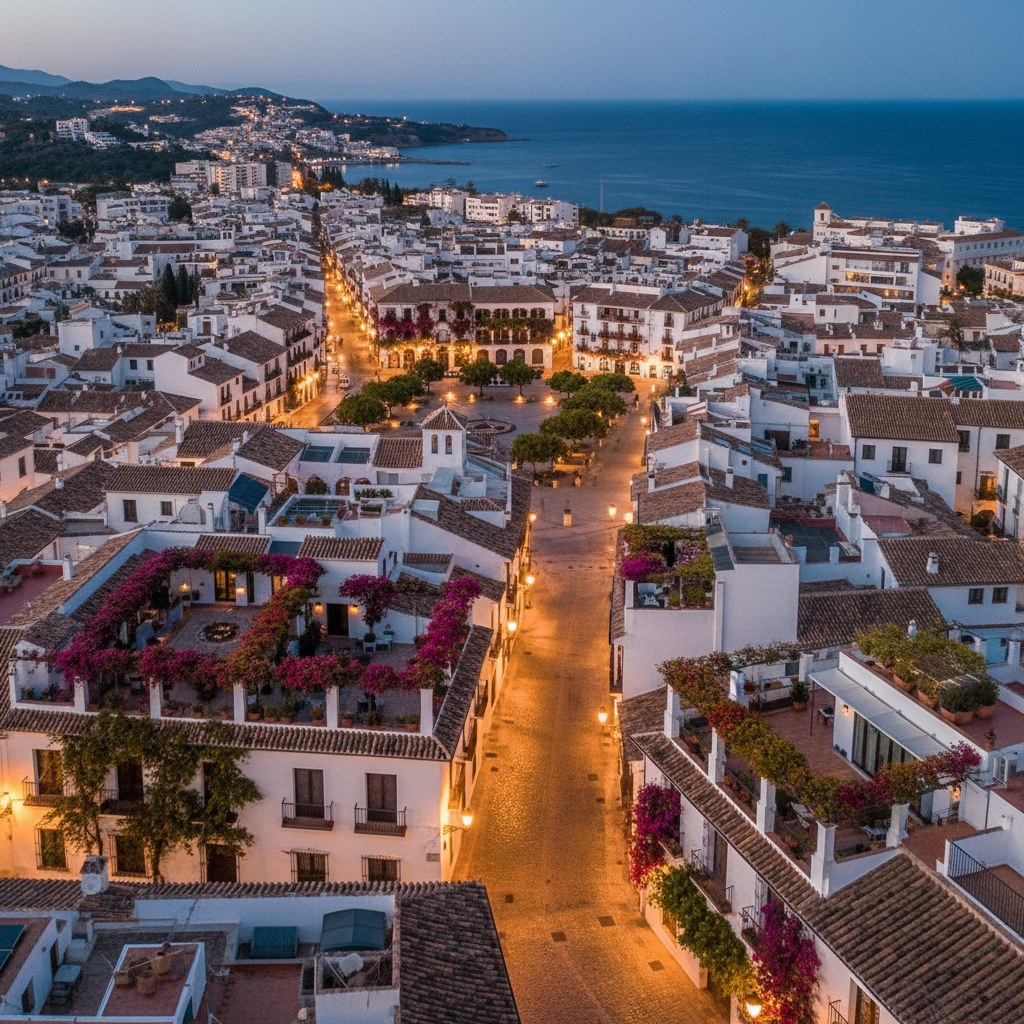
In Marbella, the celebration retains its deeply spiritual character while reflecting the town’s unique character—less grandiose than Seville or Málaga, but no less authentic. The processions here move through the Casco Antiguo (Old Town), where narrow whitewashed streets create an intimate atmosphere as pasos (religious floats) pass beneath flower-adorned balconies and Moorish archways.
Insider perspective: Marbella’s Semana Santa offers something larger cities cannot—proximity. You can stand just meters from the costaleros (float bearers) and hear their labored breathing, smell the incense, and feel the weight of centuries-old devotion in a way that’s impossible in Seville’s massive crowds.
The Processions: What to Expect During Holy Week in Marbella
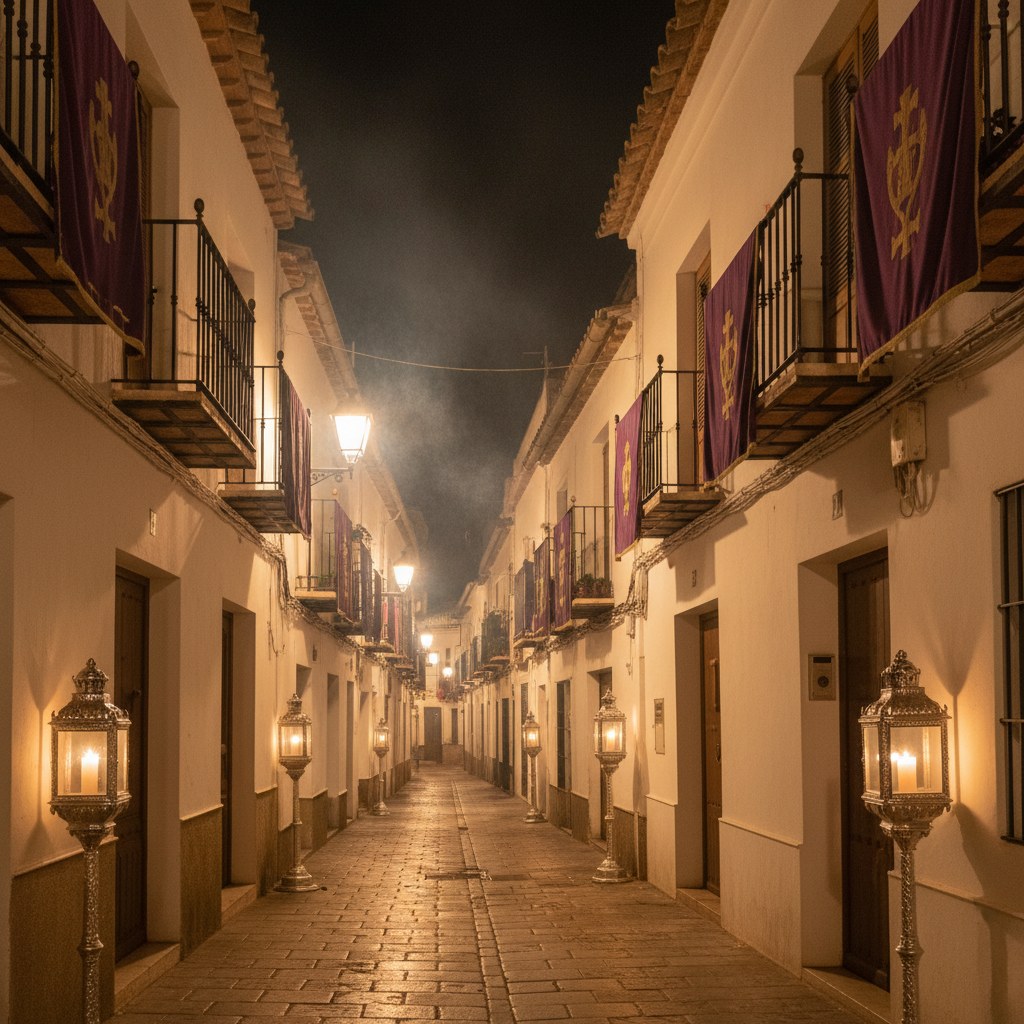
Marbella’s Semana Santa features daily processions organized by local cofradías (brotherhoods), each with distinct robes, insignia, and centuries of history. The processions typically depart from various churches around 6:00 PM to 10:00 PM, following prescribed routes through the Old Town before returning to their home church in the early morning hours.
Key Processions Not to Miss
- Palm Sunday (Domingo de Ramos): The week begins with the blessing of palm fronds at the Iglesia de la Encarnación, Marbella’s main church in Plaza de los Naranjos, followed by the procession of La Borriquita (Jesus entering Jerusalem).
- Holy Thursday (Jueves Santo): Multiple processions occur simultaneously, including the deeply moving Cofradía del Santísimo Cristo del Amor, known for its haunting saetas (flamenco-style devotional songs) sung from balconies as the float passes.
- Good Friday (Viernes Santo): The most solemn day features the Santo Entierro (Holy Burial) procession, typically departing around 8:00 PM with a float depicting Christ’s body accompanied by the sorrowful Virgin Mary.
- Easter Sunday (Domingo de Resurrección): The week concludes with joyful processions celebrating the Resurrection, a stark tonal shift from the somber days prior, often featuring the meeting of the Risen Christ and the Virgin Mary in Plaza de los Naranjos.
The Art and Athleticism of the Pasos
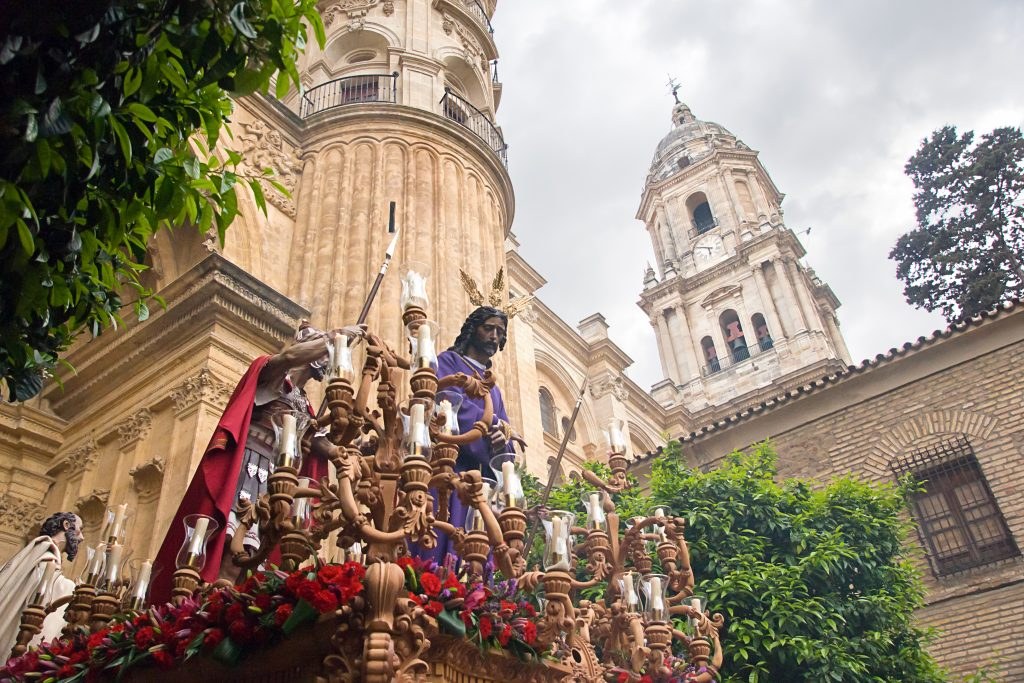
The pasos—ornate wooden platforms bearing life-sized religious sculptures—are masterworks of Spanish baroque art. Some weigh upwards of two tons and are carried on the shoulders of 30 to 50 costaleros who train for months to move in perfect synchronization. The swaying motion creates an almost hypnotic effect as the figures appear to float through the streets.
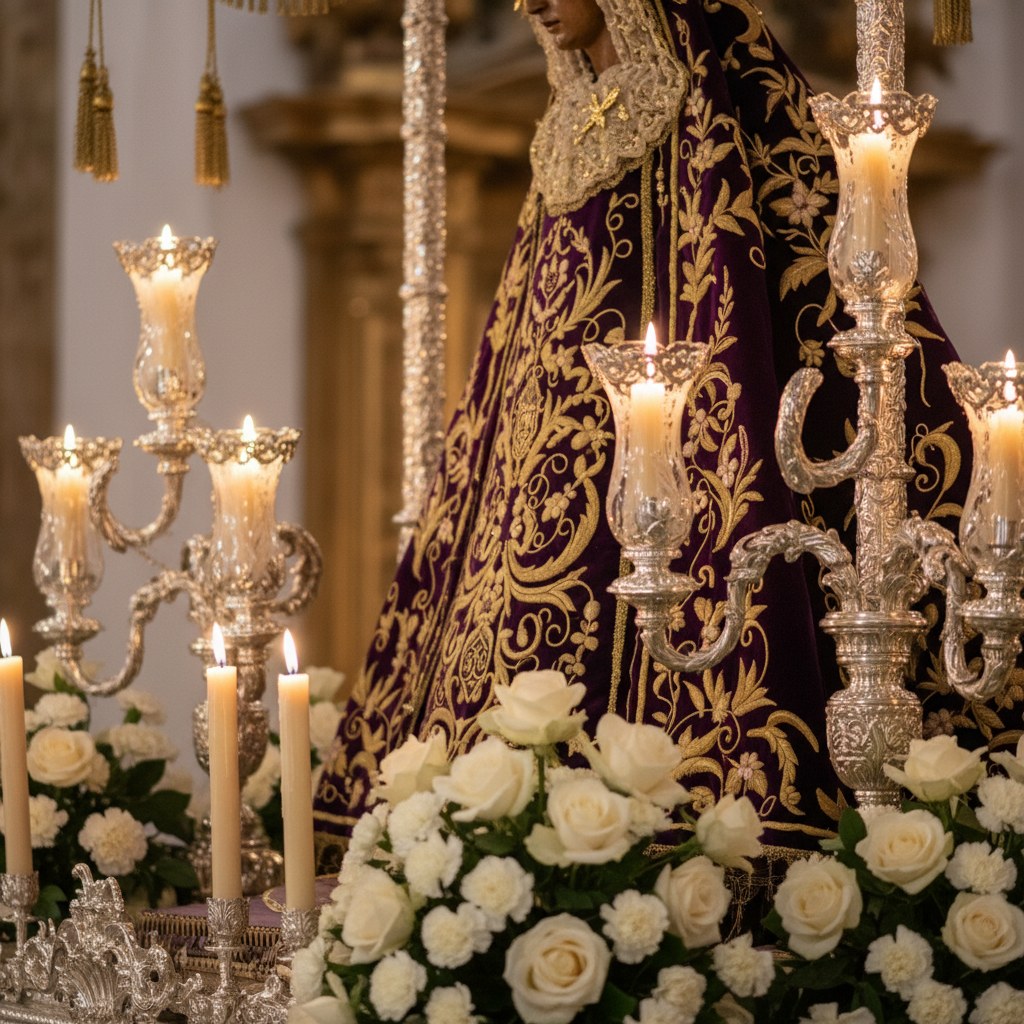
Many of Marbella’s pasos feature sculptures by renowned Andalusian artists, adorned with fresh flowers, silver candelabras, and embroidered velvet mantles. The craftsmanship represents generations of devotion and artistic tradition, with some pieces dating back several centuries.
Where to Watch: Best Viewing Spots in Marbella
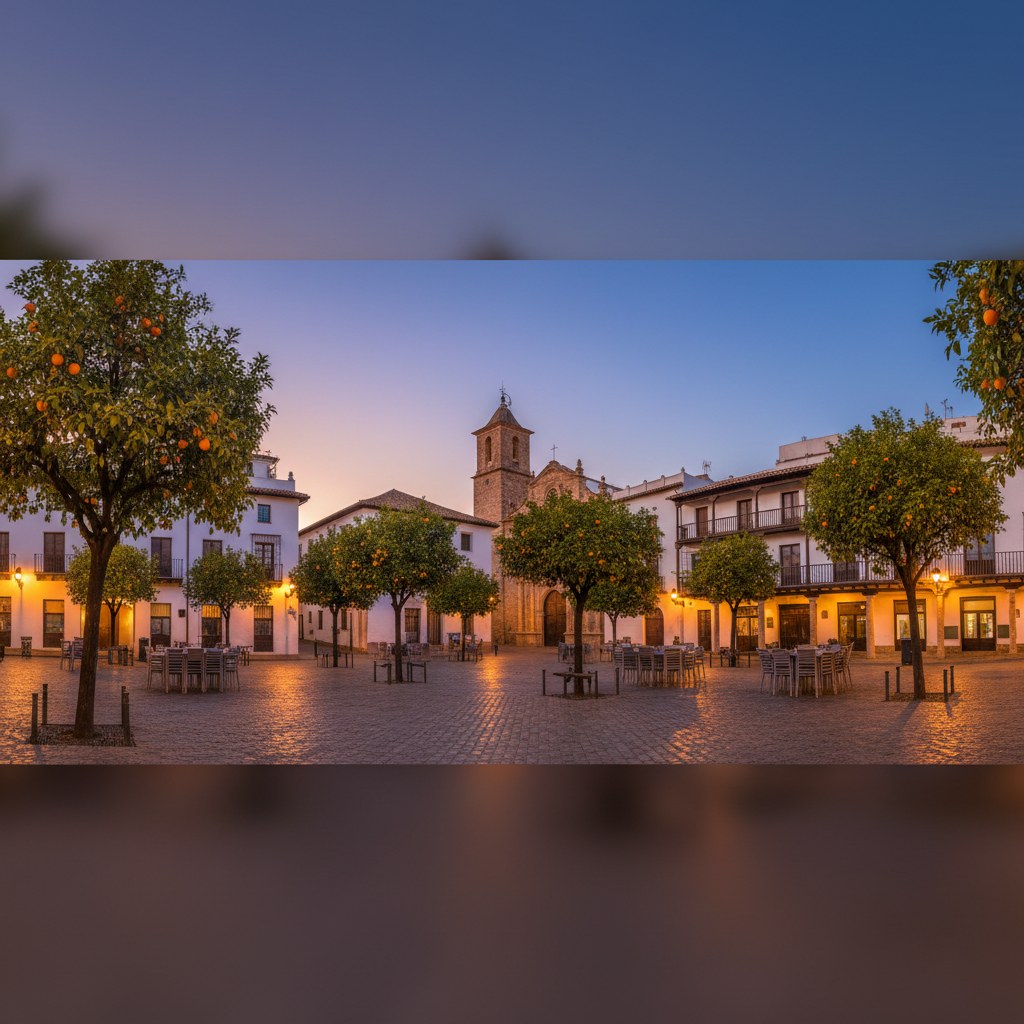
Strategic positioning enhances your Semana Santa experience considerably. Unlike larger cities where barriers and massive crowds create distance, Marbella’s more intimate scale allows for remarkably close encounters with the processions.
- Plaza de los Naranjos: The historic heart of the Old Town, where most processions pause. Arrive early (at least 90 minutes before the scheduled passing) to secure a spot near the orange trees.
- Calle Ancha: This wider street allows excellent views of the full procession, including the nazarenos (penitents in pointed hoods) who precede the pasos.
- Iglesia de la Encarnación steps: The church’s elevated position provides a unique vantage point, though it fills quickly with locals who claim ancestral viewing rights.
- Calle Virgen de los Dolores: A narrower street where the pasos must navigate carefully, creating dramatic moments as costaleros adjust their formation.
Local tip: The most atmospheric viewing happens after midnight on Holy Thursday and Good Friday, when processions return to their churches. The streets are quieter, the incense hangs heavy in the cool air, and the devotion feels most palpable.
Cultural Etiquette: Respecting Sacred Traditions
While Semana Santa has become a significant tourist attraction, it remains first and foremost a religious observance for participants and many spectators. Respectful behavior ensures both your welcome and the preservation of these traditions.
- Silence during key moments: When saetas are sung or during particularly solemn passages, maintain respectful quiet. Applause is inappropriate except on Easter Sunday’s joyful processions.
- Dress appropriately: While there’s no strict dress code for spectators, avoid beachwear or overly casual attire. Locals typically dress smartly, particularly for evening processions.
- Photography considerations: Photos are generally acceptable, but avoid flash photography during processions and never obstruct the route or other spectators’ views.
- Don’t cross the procession route: Wait for the entire procession to pass—attempting to cross between the pasos or through the lines of nazarenos is considered deeply disrespectful.
Beyond the Processions: Holy Week Gastronomy and Traditions
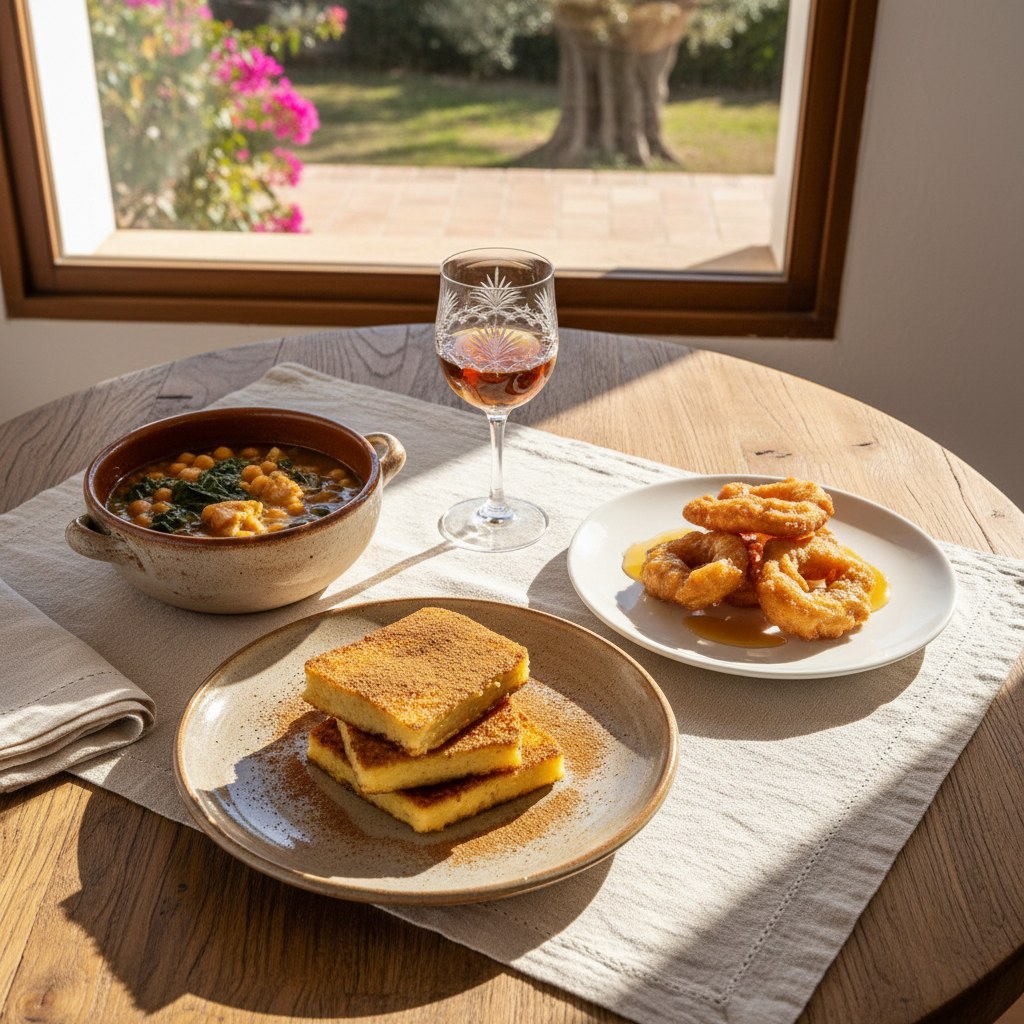
The culinary dimension of Semana Santa in Marbella reflects both religious restrictions (abstaining from meat on certain days) and centuries of tradition. Local restaurants and bakeries prepare special dishes found only during this week.
Traditional Semana Santa Foods
- Torrijas: Similar to French toast but soaked in wine or milk with cinnamon, then fried and dusted with sugar—Marbella’s pastry shops prepare thousands during Holy Week.
- Potaje de vigilia: A hearty chickpea and spinach stew with cod, traditionally eaten on Good Friday when meat is forbidden.
- Pestiños: Honey-coated fritters flavored with anise and sesame, a Moorish-influenced sweet found in every Marbella bakery during Semana Santa.
- Bacalao (salt cod): Prepared in various styles—al pil-pil, with tomatoes, or in croquettes—as the primary protein during abstinence days.
- Roscos and hornazos: Sweet bread rings and savory pies that families share after Easter Sunday Mass.
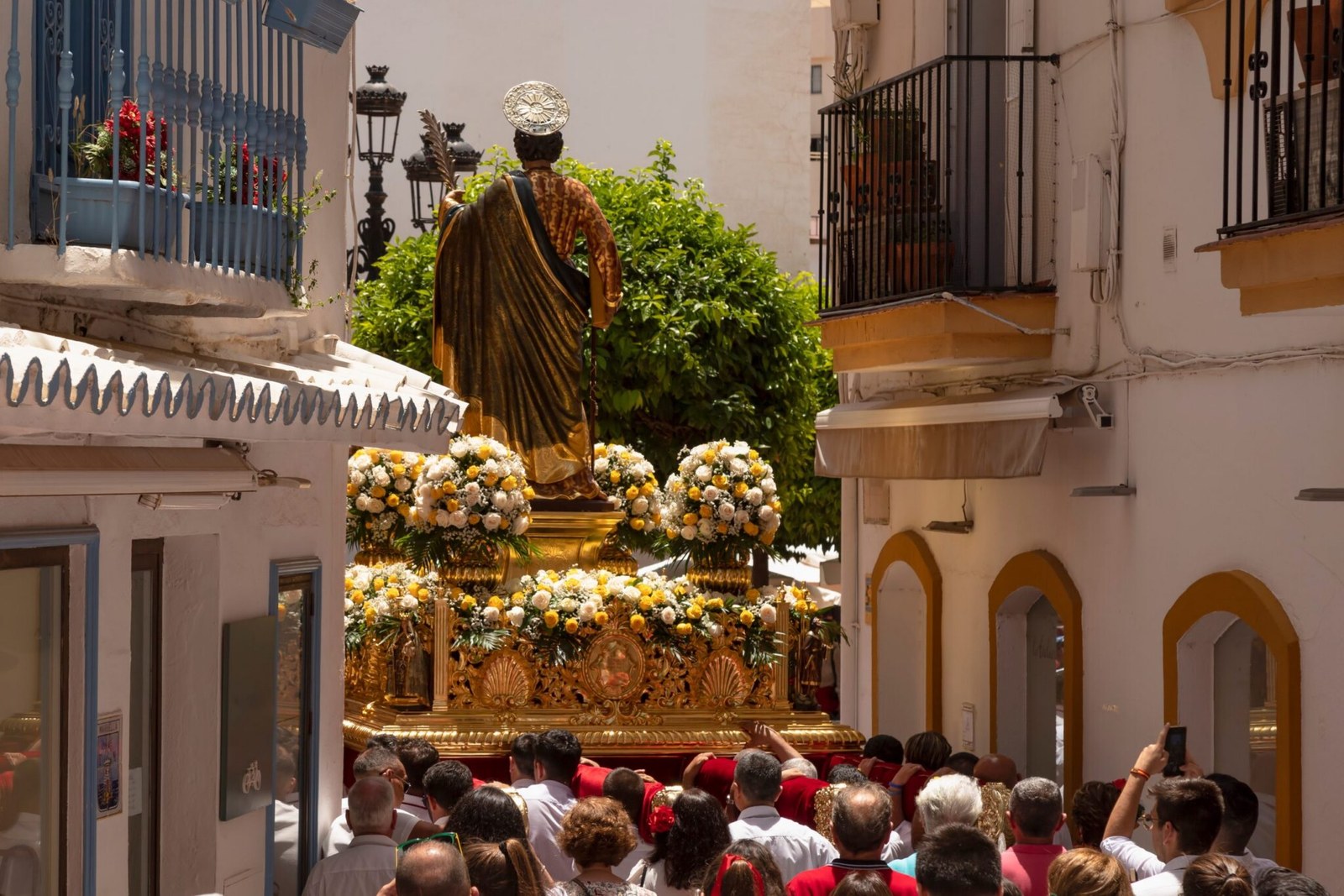
Many of Marbella’s traditional restaurants in the Old Town offer special Semana Santa menus featuring these dishes. Reservations are essential, particularly for Good Friday and Easter Sunday, when extended families gather for elaborate meals.
Planning Your Semana Santa Visit to Marbella
Timing your visit to coincide with Holy Week requires advance planning, as Marbella experiences a significant influx of Spanish visitors from Madrid, Seville, and other cities who return to family homes or book accommodations months ahead.
Accommodation and Logistics
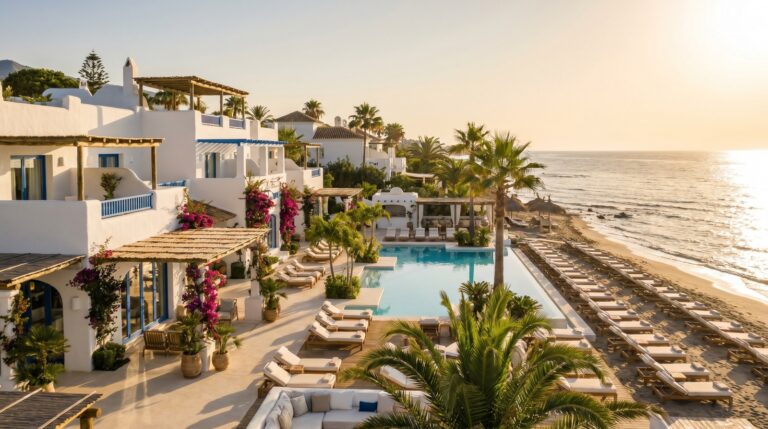
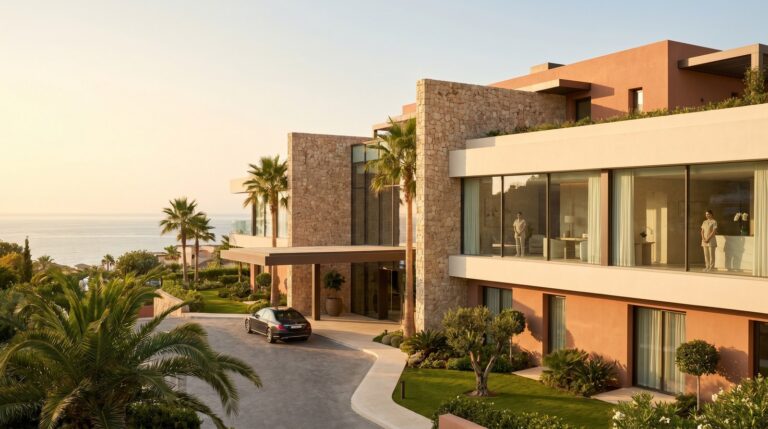
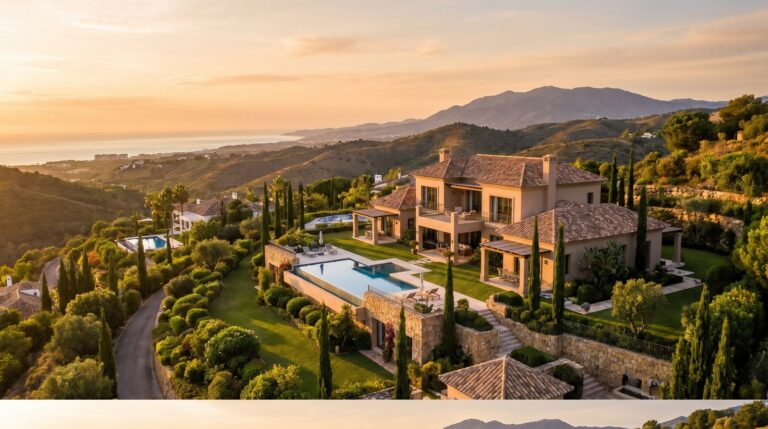
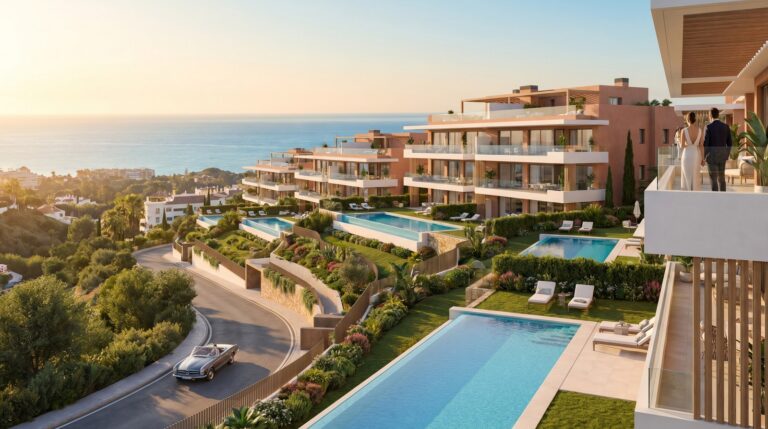
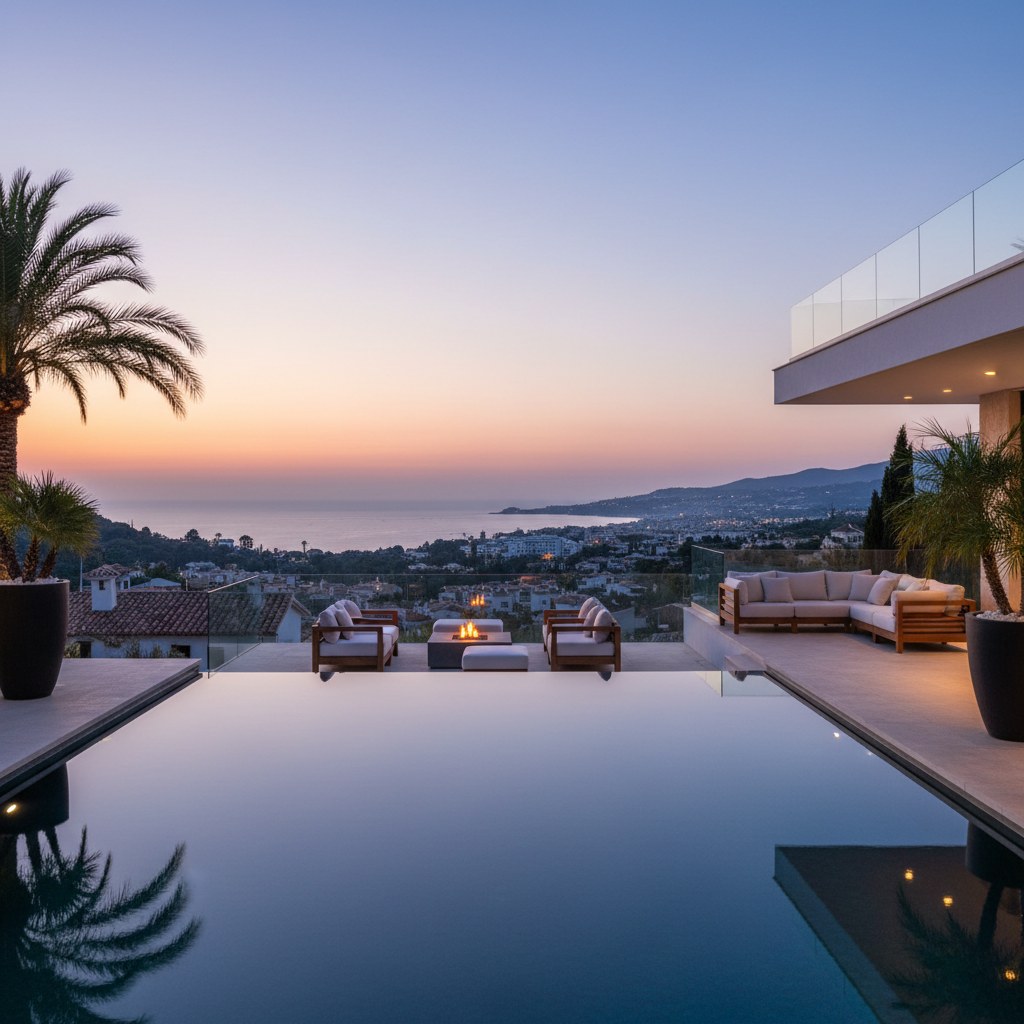
Premium luxury villas in areas like Sierra Blanca, Cascada de Camoján, and the Golden Mile book quickly for Semana Santa week, often by January. These properties offer the advantage of private space while being just 10-15 minutes from the Old Town processions.
For those preferring proximity to the action, boutique hotels in or near the Casco Antiguo provide the ability to walk to processions within minutes, though availability becomes scarce and rates increase 30-50% during Holy Week.
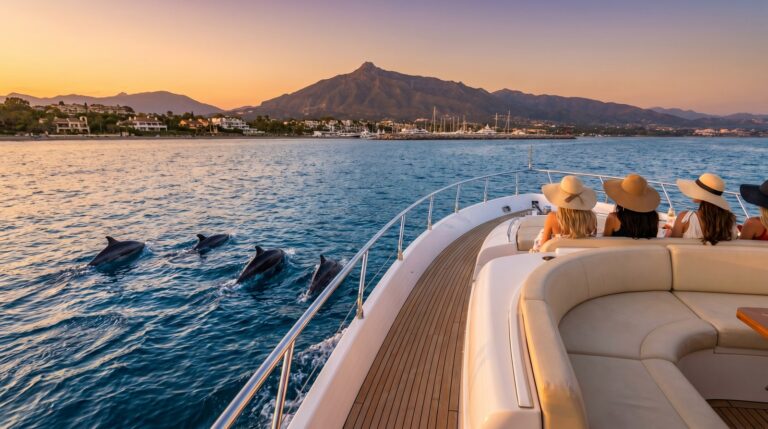
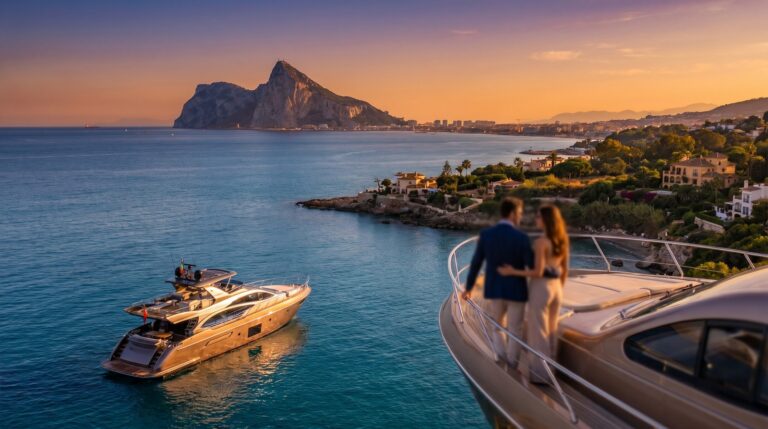
If you’re combining Semana Santa with other Marbella experiences—yacht charters, beach club visits, or golf—note that many businesses operate on reduced schedules Thursday through Sunday, with some closing entirely on Good Friday. However, concierge services can arrange private experiences that respect the sacred nature of the week while ensuring your stay remains exceptional.
Weather and What to Bring
Late March or April weather in Marbella typically ranges from 15-22°C (59-72°F), with cool evenings. Processions continue regardless of weather, so pack layers and a light rain jacket. Comfortable walking shoes are essential—you’ll likely stand for extended periods on cobblestone streets.
Semana Santa in Nearby Cities: Day Trip Opportunities
Marbella’s location on the Costa del Sol positions you perfectly to experience Semana Santa in multiple cities, each with distinct traditions and scale.
- Málaga (60 km east): Spain’s second-largest Semana Santa celebration after Seville, featuring massive processions with tronos (thrones) carried by up to 250 men. The scale is breathtaking, though crowds are intense. 40-minute drive or accessible via coastal train.
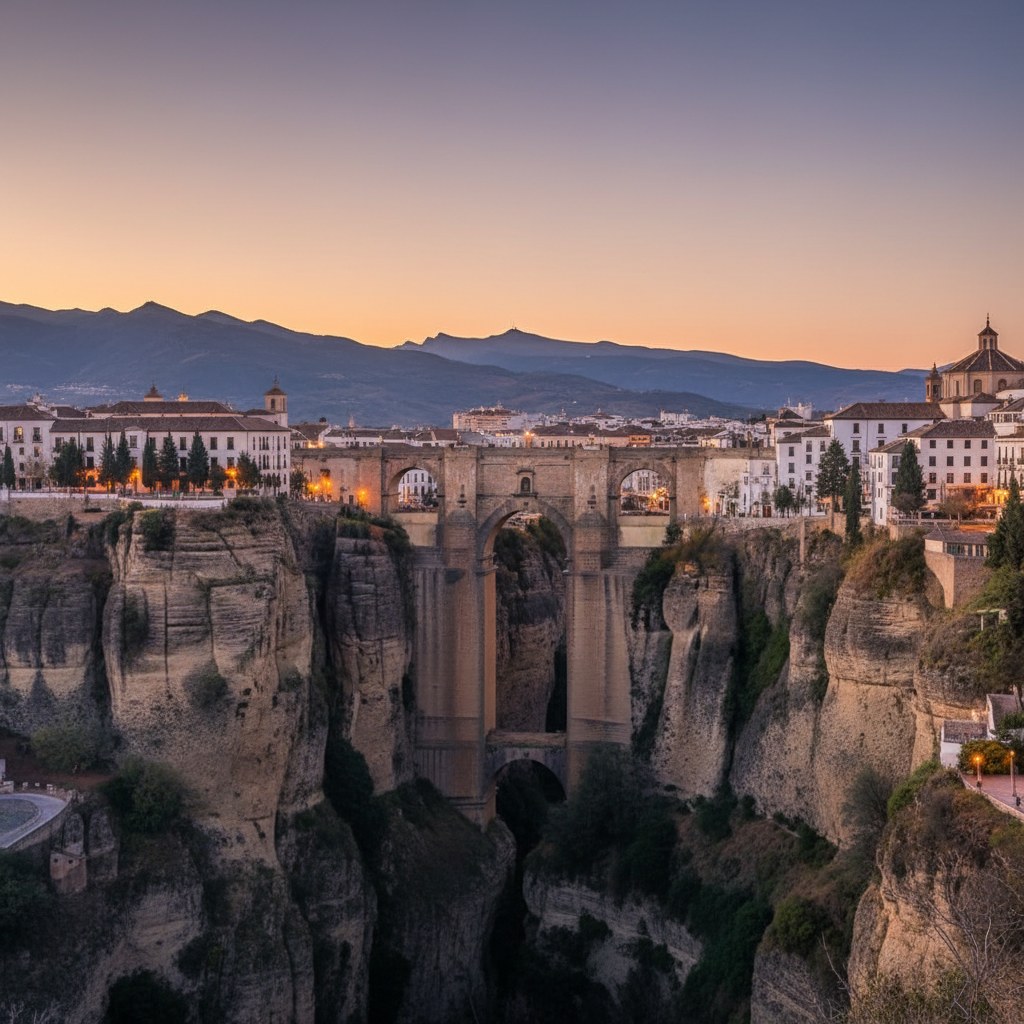
- Ronda (60 km north): The dramatic clifftop setting adds extraordinary atmosphere to this mountain town’s processions, which navigate steep streets with stunning gorge views. Smaller and more manageable than coastal cities.
- Seville (220 km): The epicenter of Spanish Semana Santa, where over 60 brotherhoods process through the city. The experience is incomparable but requires serious planning and tolerance for massive crowds. 2.5-hour drive or high-speed train from Málaga.
A private chauffeur service allows you to experience multiple cities’ processions without parking hassles or schedule constraints—particularly valuable when processions run past midnight and public transport ceases.
Why Choose Marbella Hospitality for Your Semana Santa Experience
Experiencing Semana Santa in Marbella reaches its full potential when logistics are seamlessly handled and local knowledge guides your schedule. Our dedicated team provides the insider perspective that transforms a visit into an immersive cultural experience—from securing prime villa accommodations when the coast is fully booked to arranging private viewings of brotherhood museums, restaurant reservations at establishments serving authentic torrijas, and chauffeured transport to processions in neighboring cities. We ensure every detail honors both the sacred traditions and your expectation of exceptional service, creating a Holy Week experience that balances cultural depth with the comfort and exclusivity you expect from Marbella.
After Semana Santa: Spring in Marbella
The week following Easter marks the unofficial start of Marbella’s spring social season. Beach clubs along the Golden Mile and in Puerto Banús begin their summer schedules, yacht season accelerates, and the weather settles into consistently pleasant patterns ideal for golf and outdoor activities.
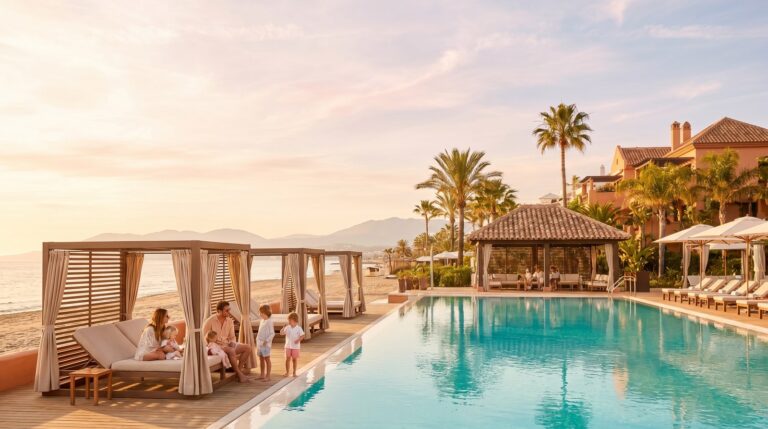
This transition period—late April through May—offers excellent value and fewer crowds than peak summer, while still providing access to VIP beach club experiences, private yacht charters, and the full spectrum of Marbella’s luxury lifestyle without July-August intensity.
Begin Planning Your Semana Santa Journey
Witnessing Semana Santa in Marbella offers a rare opportunity to engage with living tradition in one of Europe’s most sophisticated resort destinations—where sacred processions and luxury hospitality coexist in natural harmony. Whether you’re drawn by faith, cultural curiosity, or the desire to experience authentic Andalusian heritage, Holy Week on the Costa del Sol delivers profound moments unavailable anywhere else.
Our concierge team stands ready to craft your ideal Semana Santa experience, from securing exceptional accommodations to arranging every detail of your Holy Week itinerary. Contact Marbella Hospitality today to begin planning a journey that honors centuries of tradition while embracing the very best of contemporary Marbella luxury.